

- By rudy
- November 26, 2025
- Freight knowledge
Although many importers struggle to manage the Open Top FCL shipping cost for auto parts from China to Sweden, the process becomes far more predictable when handled with structured planning and the right logistics partner. Because automotive components vary in size, weight, and HS code requirements, shippers must consider routing, loading rules, and customs compliance from the very beginning. Therefore, this guide provides practical steps and clear strategies supported by resources available through the Top China Freight homepage to help you reduce delays and control costs.

What Defines the Open Top FCL Shipping Cost for Auto Parts?
Because auto parts often exceed the height of standard containers, Open Top units remain the most suitable solution. However, the Open Top FCL shipping cost for auto parts from China to Sweden depends on several elements that must be carefully reviewed before booking space. Moreover, shippers dealing with heavy or oversized parts must consider loading constraints, route availability, and equipment handling capabilities at both origin and destination.
Key Cost Variables
- Cargo dimensions and weight
Larger components affect open top container price for machinery and may require special lifting equipment. - Port pair selection
Choosing Shanghai, Qingdao, or Tianjin significantly impacts costs due to handling charges and equipment availability. - Seasonal rate movements
Nordic ports tend to experience winter congestion, therefore leading to rate adjustments.
Because these factors change frequently, importers should request updated quotations before finalizing their delivery schedules.
How Does Cargo Type Influence the Final Freight Rate?
Auto parts range from small steel brackets to large engine blocks. Although light items rarely require open-top containers, heavy or tall items typically do. Additionally, high-volume auto parts logistics depend heavily on proper stowage and protection measures.
Cargo Categories That Benefit from Open Top Containers
- Engine assemblies and transmissions
- Machinery frames and metal casings
- Oversized exhaust systems
- Forklift components or body shells
- Crated automotive dies and molds
Because these items cannot be side-loaded, vertical lifting becomes a requirement, making Open Top containers essential.
Why Are Open Top Containers Better for Oversized Auto Parts?
Auto parts with special heights or irregular shapes face loading restrictions inside standard boxes. Therefore, open-top containers allow cranes to lift heavy units directly into the container without tilting or forcing the cargo.
Moreover, handling teams in major Chinese ports follow strict oversized cargo loading rules, ensuring safe entry and balanced weight distribution. These procedures reduce the risk of vibration damage, which is especially critical for premium components.
To learn more about equipment options and container types, shippers can also review the FCL & LCL service page .
What Shipping Time Should You Expect from China to Sweden?
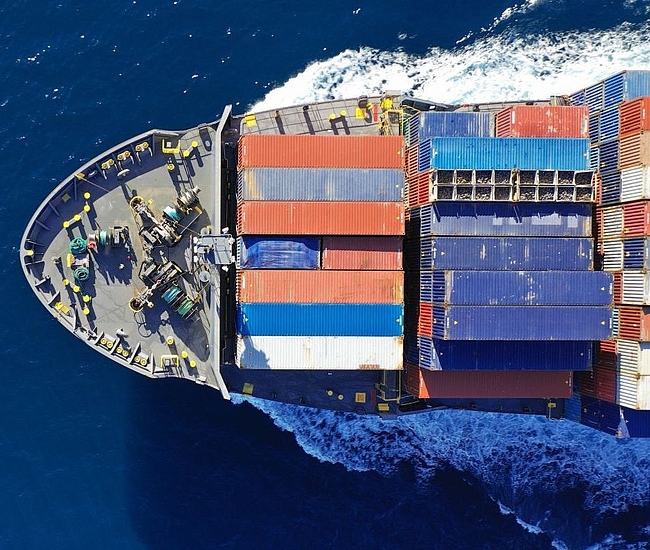
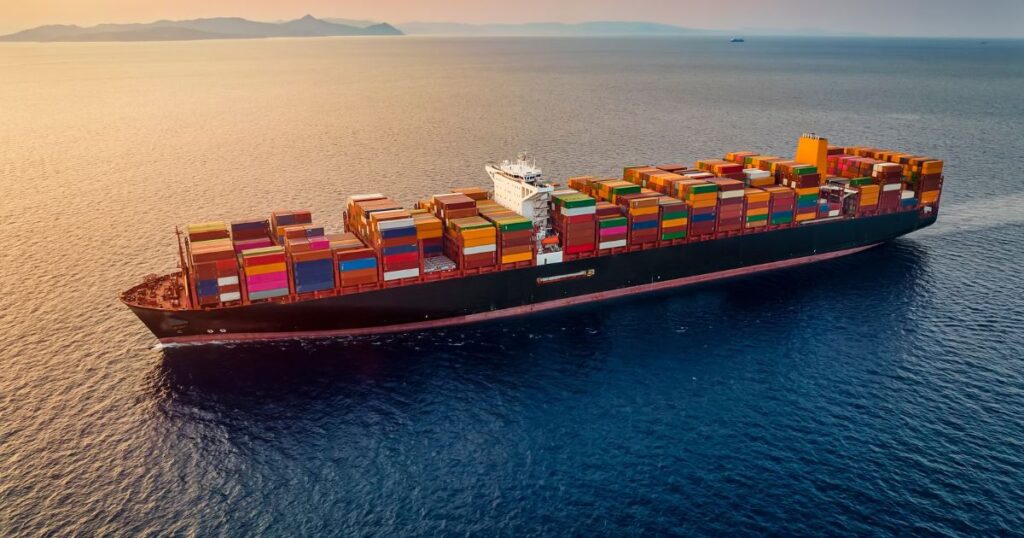
Because routes toward Scandinavia involve multiple transshipment hubs, shippers must plan ample buffer time. Although shipping time China to Gothenburg typically falls within a predictable range, auto parts often require inspection or special documentation, which may add additional time.
Estimated Shipping Time & Cost Range
| China Origin → Sweden Port | Typical Open Top Cost (USD) | Estimated Transit Time | Notes |
|---|---|---|---|
| Shanghai → Gothenburg | 3,450 – 4,800 | 32–40 days | Most stable routes |
| Qingdao → Gothenburg | 3,300 – 4,650 | 33–42 days | Good for heavy metal parts |
| Shenzhen → Helsingborg | 3,550 – 4,950 | 30–38 days | Fast loading options |
Although these values fluctuate, they help importers plan budgets, negotiate deals, and forecast inventory cycles.
Case Study
1 — Machinery Frames from Qingdao to Gothenburg
Cargo: Two machinery frames (3.4m height)
Method: Open Top 20’
Time: 34 days
Cost: Within 3,350–4,600 USD
Outcome: Vertical loading saved 12% handling cost compared to flat-rack alternatives.
Because the items exceeded standard container height by >40 cm, open-top loading made the operation both safe and cost-effective.
2 — Engine Blocks from Shanghai to Helsingborg
Cargo: 14,200 kg of engine blocks
Method: Open Top 20’ FCL
Time: 31 days
Value: Reduced moisture damage due to enhanced tarpaulin covering
Benefit: Production line maintained continuity with zero downtime
These two examples show how proper planning prevents damage, delays, and unexpected fees.
What Mistakes Should Importers Avoid When Shipping Auto Parts by Open Top?
Importers often make small errors that lead to expensive delays. Although many issues appear minor, they trigger significant operational risks.
Common Mistakes to Avoid
- Incorrect height measurement of cargo
- Using weak packaging for heavy parts
- Missing customs documentation
- Failing to plan for Nordic winter scheduling
Because open-top cargo is sensitive to wind, moisture, and handling conditions, attention to detail is essential.
Comparison: Open Top vs Standard FCL for Auto Parts
| Factor | Open Top FCL | Standard FCL |
|---|---|---|
| Cargo Type | Oversized, tall parts | Regular parts |
| Loading Method | Crane lift | Forklift |
| Cost | Higher | Lower |
| Weather Exposure | Covered by tarp | Fully enclosed |
| Ideal Use | Machinery, engines | Small auto parts |
Although open-top units cost slightly more, they remain the safest option for heavy automotive components.
What Customs Documents Are Required for Auto Parts Entering Sweden?
Sweden enforces strict rules for machinery and auto components, especially those containing liquids, oils, or electronic modules. Importers should prepare accurate documentation because customs verification typically focuses on HS code classification, value accuracy, and origin compliance.
Required Documents
- Commercial invoice
- Packing list
- Certificates of origin
- Safety and compliance declarations
- Battery-related declarations (if applicable)
For complete guidance, shippers often rely on the Top China Freight customs brokerage service to ensure smooth, compliant processing.
Can Route Optimization Reduce Open Top Shipping Costs?
Although open-top containers carry premium charges, importers can still reduce costs through smart route planning.
Cost-Reduction Strategies
- Compare 2–3 port pairs for equipment availability
- Choose carriers with proven open-top handling capabilities
- Book shipments before Nordic winter peaks
- Use consolidated trucking for heavy goods to reduce origin charges
Moreover, stable open top freight rates often come from carriers with consistent vessel schedules.
Conclusion
In conclusion, shippers who understand routing options, packing rules, and customs requirements can consistently secure a predictable Open Top FCL shipping cost for auto parts from China to Sweden. Moreover, by partnering with experienced logistics providers, companies create smoother delivery schedules, fewer delays, and better supply chain resilience. To obtain accurate and updated quotations, importers should evaluate routes, seasonal trends, and operational constraints before booking.
Request A Free Quote
Need a reliable logistics partner? Share your shipment details and we’ll provide a tailored quotation quickly and accurately.
FAQ:
What affects open-top container pricing the most?
Dimensions, weight, equipment availability, and seasonal congestion heavily influence final pricing.
Do auto parts require special inspection in Sweden?
Some components, especially electronic or oil-filled parts, may face additional checks.
Can I ship engines and transmissions together?
They can be combined if properly crated and stabilized for lifting.
What if cargo exceeds the open-top height limit?
Flat-rack containers or breakbulk alternatives may be required.
How early should I book open-top equipment?
Booking 2–3 weeks ahead ensures better equipment availability.