
- By della
- November 18, 2025
- Sea Freight, Shipping
When shipping full containers, businesses seek both low costs and reliability. Choosing cheap FCL shipping from Shenzhen to Australia ensures smooth logistics, fixed container pricing, and secure transit for all cargo types. It is ideal for exporters moving furniture, electronics, or industrial goods in bulk across the Asia-Pacific corridor.

What Is FCL Shipping and Why Is It Cost-Effective?
FCL (Full Container Load) shipping means one shipper occupies the entire container, unlike LCL (Less than Container Load), where cargo is shared.
Therefore, it provides better control, faster customs clearance, and protection from handling damage.
Moreover, cheap FCL shipping from Shenzhen to Australia benefits from competitive ocean rates and direct sailings from Shenzhen’s Yantian or Shekou ports to Sydney, Melbourne, and Brisbane.
| Container Type | Volume (CBM) | Average Cost (USD) | Ideal Cargo |
|---|---|---|---|
| 20GP | 28 | 850–1,050 | Small industrial or household goods |
| 40GP | 58 | 1,350–1,650 | Furniture, machinery |
| 40HQ | 68 | 1,450–1,750 | E-commerce or bulk consumer items |
Thus, FCL remains the most affordable mode for high-volume exporters to Australia.
How Does FCL Shipping from Shenzhen to Australia Work?
Understanding the process helps companies plan shipments efficiently and avoid delays.
| Step | Description | Responsible Party | Duration |
|---|---|---|---|
| 1 | Booking and cargo pickup | Shipper / Forwarder | 1–2 days |
| 2 | Export declaration in Shenzhen | Exporter | 1–3 days |
| 3 | Loading and sailing | Carrier | 14–25 days |
| 4 | Australian customs clearance | Importer / Broker | 2–4 days |
| 5 | Delivery to warehouse | Trucking Agent | 1–2 days |
Hence, total delivery time averages 20–30 days, depending on the chosen port and sailing schedule.
What Are the Main Shipping Routes and Ports?
FCL shipments from Shenzhen usually depart from major southern Chinese terminals and arrive at top Australian ports.
| Origin Port | Destination Port | Average Transit Time | Frequency |
|---|---|---|---|
| Yantian | Sydney | 17–21 days | Weekly |
| Shekou | Melbourne | 20–24 days | Weekly |
| Chiwan | Brisbane | 22–26 days | Bi-weekly |
Additionally, direct services operated by carriers like COSCO, MSC, and Maersk ensure predictable schedules and fast customs integration in Australia.
What Documents Are Required for Customs Clearance?
Accurate paperwork guarantees smooth import and export clearance.
| Document | Purpose | Issued By |
|---|---|---|
| Commercial Invoice | Declares shipment value | Exporter |
| Packing List | Details package contents | Exporter |
| Bill of Lading | Proof of transport | Carrier |
| Certificate of Origin | Confirms manufacturing location | Chamber of Commerce |
| Import Declaration | Required for entry | Australian Customs |
| Insurance Certificate | Protects cargo in transit | Shipper |
In addition, some products—like electronics or cosmetics—need compliance certificates or import permits under Australian standards.
Real-World Case Studies: Shenzhen → Australia Shipments
Case 1: Furniture Shipment via 40HQ Container
Route: Shenzhen → Sydney
Cargo: Home furniture (65 CBM)
Method: Sea freight (FCL)
Freight Cost: USD 1,620
Transit Time: 23 days
Result: Customs cleared within 72 hours; no inspection delays.
Case 2: Electronics via 20GP Container
Route: Shenzhen → Melbourne
Cargo: Consumer electronics (26 CBM)
Freight Cost: USD 970
Transit Time: 20 days
Result: Delivered on time; import GST paid electronically before arrival.
Need a shipping solution? 🚢 Request a Free Quote 📝 from TopChinaFreight and get the best rates and fastest routes today!
How to Reduce Costs for FCL Shipping?
To maximize savings and efficiency, businesses can:
- Book in advance: Early booking locks in lower freight rates.
- Choose the right container: Avoid paying for unused space.
- Combine shipments: Use FCL to replace multiple small LCL loads.
- Optimize packaging: Efficient loading increases usable capacity.
- Work with a trusted forwarder: Reduces handling fees and demurrage.
Consequently, well-planned shipping schedules can save up to 15–20% on total logistics expenses.
How Does FCL Compare with Other Shipping Methods?
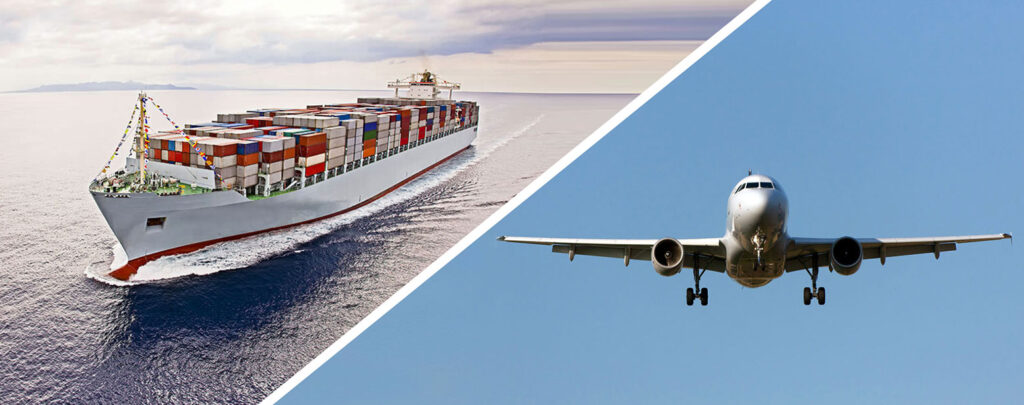
| Factor | FCL Shipping | LCL Shipping | Air Freight |
|---|---|---|---|
| Cost | Lowest per CBM | Higher | Highest |
| Transit Time | 20–30 days | 25–35 days | 4–8 days |
| Cargo Size | Large | Small | Light / Urgent |
| Customs Process | Simplified | Shared | Fast |
| Ideal For | Bulk trade | SMEs | Urgent cargo |
Therefore, cheap FCL shipping from Shenzhen to Australia provides the best balance between cost and reliability for bulk exporters.
What Are the Main Benefits of Cheap FCL Shipping from Shenzhen to Australia?
The advantages extend beyond cost savings:
- Fixed container pricing: Simplifies budgeting and quotations.
- Faster customs clearance: One consignee per container avoids shared delays.
- Reduced cargo damage: Less handling during loading and unloading.
- Flexible delivery options: Available for port-to-port or door-to-door routes.
- Reliable sailing schedules: Direct lines from Shenzhen’s terminals to Australia’s east coast.
Undoubtedly, FCL shipping supports large-scale exporters with predictable logistics and transparent costs.
Conclusion
In conclusion, cheap FCL shipping from Shenzhen to Australia delivers outstanding value for high-volume exporters. It combines affordability, stability, and reliable transit schedules supported by advanced customs processes. By working with experienced freight forwarders, businesses ensure their containers move efficiently from China’s ports to Australia’s warehouses—on time, within budget, and fully compliant with international shipping standards.
Request A Free Quote
Get started with TopChinaFreight today! 🚢✨ Simply Request a Free Quote 📝 to receive a customized shipping solution tailored to your needs. Our experts will provide the best rates 💰, fastest routes 🚀, and professional guidance 🌍 for your international logistics.
FAQs
Q1.How long does cheap FCL shipping from Shenzhen to Australia take?
Generally 20–30 days, depending on sailing frequency and port congestion at Australian terminals.
Q2.Are customs duties included in FCL freight rates?
No, duties and GST are separate from freight charges and are calculated by Australian Customs during import.
Q3.Can I load multiple product types in one FCL container?
Yes, mixed cargo is allowed if all items share consistent export and import documentation.
Q4.What’s the difference between a 40GP and 40HQ container?
A 40HQ is taller, offering roughly 10 additional CBM for light but bulky goods.
Q5.Do I need insurance for FCL shipments?
Yes, marine insurance is recommended to protect cargo from potential loss or damage during sea transit.