
- By della
- November 18, 2025
- Sea Freight, Shipping
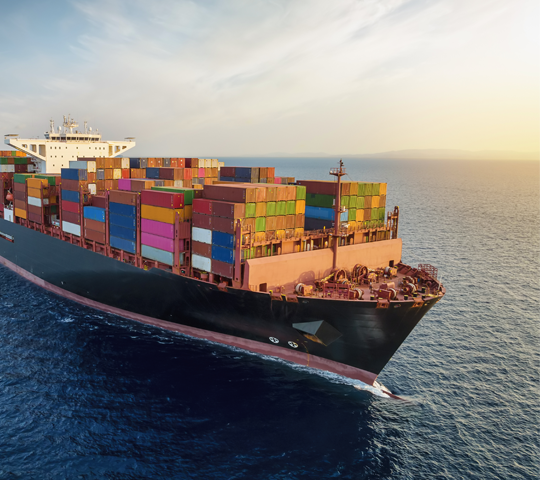
Choosing the right ocean transport route is crucial for businesses managing inventory flow, delivery commitments, and shipping budgets. Fast sea freight solutions between Shenzhen and Belgium deliver cost-effective performance while maintaining predictable timelines that support EU distribution strategies.

What Makes Fast Sea Freight from Shenzhen to Belgium an Efficient Choice?
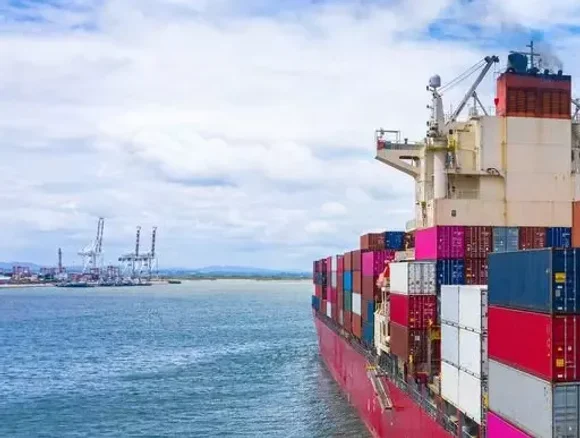
Many importers prefer sea freight because it delivers strong value while still supporting acceptable transit speeds. Although air freight is faster, optimized ocean schedules now reduce delays and provide more reliable ETDs and ETAs. Additionally, Shenzhen’s port clusters—Yantian, Shekou, and Chiwan—offer excellent carrier coverage for European-bound goods.
Moreover, sea freight remains the best strategy for bulk shipments, palletized goods, furniture, machinery, and high-volume eCommerce replenishment. Belgium’s ports of Antwerp and Zeebrugge connect to major EU markets, enabling smooth distribution into France, the Netherlands, Luxembourg, and Germany.
Key Advantages Overview
| Advantage | Benefit |
|---|---|
| Cost Efficiency | Best for large shipments and heavy cargo |
| Predictable Schedules | Weekly sailings ensure stable planning |
| Broad EU Access | Belgium is a perfect central entry point |
| Flexible Cargo Types | FCL, LCL, reefer, and OOG supported |
How Long Does Fast Sea Freight from Shenzhen to Belgium Usually Take?
Transit times depend on carrier routing, port congestion, weather, and transshipment arrangements. However, enhanced scheduling and optimized vessel rotations have reduced delays significantly in recent years.
Additionally, fast ocean services prioritize direct or near-direct routes between South China and Northwest Europe, eliminating unnecessary stops and reducing container idle time.
Typical Transit Times to Belgium
| Service Type | Transit Time | Notes |
|---|---|---|
| Fast Sea Freight | 24–29 days | Best balance of cost and speed |
| Standard Sea Freight | 30–36 days | More transshipment stops |
| LCL Consolidation | 32–40 days | Extra handling and warehouse time |
These timelines offer excellent predictability for inventory planning, especially for companies requiring consistent EU replenishment schedules.
Why Are Shenzhen Ports Ideal for Shipping to Belgium?
Shenzhen is one of the world’s busiest export hubs, with deep-water facilities, smart automation, and strong carrier frequency. Each port in the region specializes in different cargo profiles, making it easier to match shipment needs with the right terminal.
Yantian handles most Europe-bound FCL shipments because of its deep-water berths. Shekou is particularly strong for LCL consolidation, while Chiwan excels in mixed-goods loading and e-commerce pallets. Additionally, the integrated logistics ecosystem around Shenzhen supports efficient customs declarations, fast loading, and strong warehouse capacity.
Shenzhen Port Comparison
| Port | Strength | Ideal Cargo |
|---|---|---|
| Yantian | Largest EU-focused terminal | FCL export |
| Shekou | Strong consolidation ability | LCL, mixed pallets |
| Chiwan | Flexible handling | Furniture, electronics |
These advantages make Shenzhen one of the most dependable origins for Belgium-bound goods.
What Costs Should Shippers Expect When Using Fast Sea Freight to Belgium?
Costs vary depending on the season, carrier availability, fuel surcharges, and container demand. Nevertheless, sea freight remains the most economical method for medium- and large-volume shipments. Furthermore, even when global market rates fluctuate, Shenzhen-to-Europe routes generally maintain competitive pricing.
Estimated Container Freight Rates
| Container Type | Estimated Rate (USD) |
|---|---|
| 20GP | $850–$1,150 |
| 40GP | $1,450–$1,950 |
| 40HQ | $1,550–$2,050 |
LCL Cost Structure
| Charge Type | Typical Range |
|---|---|
| Per CBM | $35–$55 |
| Minimum Charge | 1 CBM |
| Belgium Destination Fees | $60–$120 |
These pricing ranges remain attractive for businesses balancing shipping cost with stable transit times.
What Real-World Cases Show the Advantages of Fast Sea Freight?
📦 Case Study 1 – Electronics Export for EU Retailers
Route: Shenzhen (Yantian) → Antwerp
Cargo: 1×40HQ, 23 tons of computer accessories
Transit Time: 26 days
Cost: $1,620
Result: Reliable arrival with no rollovers; importer enabled on-time distribution to Belgium and Germany warehouses.
📦 Case Study 2 – LCL Lighting Products Shipment
Route: Shenzhen (Shekou) → Zeebrugge
Cargo: 9 CBM LED lighting products
Transit Time: 33 days
Cost: $410
Result: Efficient for mid-volume retail replenishment; low damage risk and smooth customs release.
Need a shipping solution? 🚢 Request a Free Quote 📝 from TopChinaFreight and get the best rates and fastest routes today!
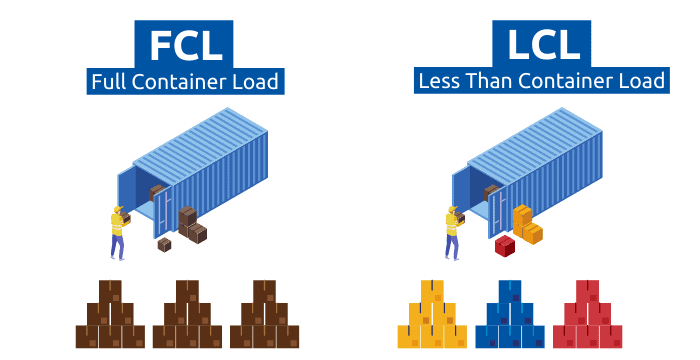
How Do FCL and LCL Compare for Belgium-Bound Shipments?
Selecting between FCL and LCL depends on shipment volume, value, and urgency. FCL offers faster handling and fewer touchpoints, while LCL allows smaller shipments to be shipped economically.
Furthermore, companies with growing demand often transition from LCL to 40HQ containers to gain better cost-sharing and improved delivery speed.
Comparison Table
| Factor | FCL | LCL |
|---|---|---|
| Cost Efficiency | Best for full loads | Best for small cargo |
| Transit Speed | Faster | Slightly slower |
| Handling | Minimal | Multiple touchpoints |
| Customs | Quicker | Shared risk |
Understanding these differences helps businesses plan for long-term EU distribution.
What Documents Are Required for Smooth Customs Clearance in Belgium?
Belgium follows standard EU customs regulations, emphasizing accuracy and transparency. Additionally, proper documentation reduces inspection risk and speeds up inland delivery.
Essential Documents
| Document | Purpose |
|---|---|
| Commercial Invoice | Value declaration |
| Packing List | Verification of goods |
| Bill of Lading | Transport contract |
| HS Codes | Duty classification |
| Certificate of Origin | For preferential tariffs |
| Import Licenses | For restricted items |
Preparing these documents early ensures predictable processing at Antwerp and Zeebrugge.
How Can Companies Optimize Their Fast Sea Freight Performance?
Shippers can follow practical strategies to improve transit reliability, reduce extra charges, and enhance supply chain visibility. Additionally, coordinating with freight forwarders helps prevent avoidable delays.
Optimization Tips
- Book containers early during peak seasons
- Use proper HS codes to avoid customs holds
- Select direct or near-direct services when possible
- Consolidate LCL to reduce warehouse delays
- Track shipments through carrier EDI updates
- Maintain stable supplier packing standards
Implementing these steps ensures better planning and smoother EU market operations.
Conclusion
Fast sea freight from Shenzhen to Belgium remains one of the most reliable choices for companies seeking affordable transport, dependable scheduling, and strong European market access. By choosing the right port, preparing accurate customs documentation, and optimizing container usage, shippers can maintain smooth operations and keep inventory flowing efficiently across the EU.
Resquest A Free Quote
Get started with TopChinaFreight today! 🚢✨ Simply Request a Free Quote 📝 to receive a customized shipping solution tailored to your needs. Our experts will provide the best rates 💰, fastest routes 🚀, and professional guidance 🌍 for your international logistics.
FAQs
Q1.How can I improve transit reliability for shipments to Belgium?
Choose stable carriers, confirm weekly schedules, and avoid peak-season congestion to maintain reliable fast sea freight from Shenzhen to Belgium with consistent delivery timing.
Q2.What shipment size is ideal for LCL services to Belgium?
LCL works best for moderate cargo volumes, allowing flexible consolidation while still benefiting from cost-efficient fast sea freight from Shenzhen to Belgium for smaller shipments.
Q3.Do electronics require special procedures when entering Belgium?
Electronics need correct HS codes, compliant packaging, and accurate documents to ensure smooth fast sea freight from Shenzhen to Belgium customs handling and reduced inspection risks.
Q4.How can I lower shipping costs on Belgium-bound cargo?
Consolidate goods, optimize pallet loading, and book during non-peak weeks to achieve better pricing when using fast sea freight from Shenzhen to Belgium.
Q5.Are tracking tools available throughout the shipping journey?
Most forwarders provide digital tracking updates, offering shipment visibility and early delay alerts for all fast sea freight from Shenzhen to Belgium movements.