
- By della
- November 11, 2025
- Customs Clearance, Shipping
If you’re shipping products from China to the EU, smooth and low-cost clearance is essential. Choosing the best customs clearance from Shenzhen to Germany can significantly reduce delivery delays, prevent penalties, and ensure legal trade compliance. Whether you’re importing via air, sea, or rail, navigating EU customs laws efficiently saves both time and budget.
In this guide, we’ll walk through the process, cost factors, documentation, and real examples to help you avoid common customs pitfalls—and scale your international logistics.

Why Is Customs Clearance Crucial for Shipping to Germany?
Although Germany is known for efficient trade policies, it also maintains strict EU customs laws. Therefore, any error in classification, documentation, or valuation can block your shipment—even if it departs perfectly from Shenzhen.
| Clearance Element | Description |
|---|---|
| HS Code & Tariff | Must match EU TARIC system for correct VAT and duties |
| Importer Requirements | German EORI number + VAT ID required |
| Supporting Documentation | Invoices, B/L, CO, and declarations must be accurate |
| Taxes & Duties | Based on Incoterms used and item value |
| Risk of Inspection | High if product descriptions are vague or prices seem low |
Hence, working with experts in customs requirements for Germany ensures faster release, fewer inspections, and stress-free importing.
How Much Does Customs Clearance into Germany Cost?
The cost of customs clearance depends on cargo type, logistics channels, volume, and service selection. Here’s a pricing table for reference:
| Shipping Mode | Clearance Method | Estimated Cost (EUR) | Notes |
|---|---|---|---|
| Small Parcel Courier | Simplified (CN22) | €0–€30 | For items under €150 |
| Air Cargo (TD & HAWB) | Broker-led Clearance | €45–€100 | For 100–500 kg cargo |
| LCL Sea Freights | Full Document Clearance | €80–€150 | Entry filing, EIN customs agent required |
| FCL Containers | Custom Agency Required | €150–€300+ | Based on commodity type and conditions |
Importers paying duties upfront (DDP) typically see higher quotes, but fewer surprises. To keep things affordable, combine clearance with freight forwarder packages for better rates.
What Are the Mandatory Customs Documents for Germany?
Without complete paperwork, goods can’t legally enter the EU market. Below is a complete list of essential documents.
| Document | Purpose |
|---|---|
| Commercial Invoice | Declares content, purpose, quantity, and value |
| Packing List | Box-count, gross/net weight, dimensions |
| Bill of Lading / Air Waybill | Proof of transport agreement |
| Certificate of Origin (CO) | Helps qualify for trade preferences in some cases |
| Import EORI (Germany) | Required for customs filing under EU law |
| TARIC-Compliant HS Code | Determines duties and VAT applicable |
Often, brokers also request CE certification, product test reports, or safety data for electronics, medical items, or chemicals.
What Real-World Cases Show the Value of Reliable Clearance?
📦 Case 1: Shenzhen → Hamburg – Electronics Brand
- Cargo: 3.2 CBM refurbished LCD monitors (LCL)
- Shipping Mode: Sea freight + DDP clearance
- Clearance Cost: €110
- Transit Time: 28 days
- Result: Cleared with zero delays using pre-approved HS codes from broker.
➡️ Avoided 3-day inspection and passed VAT audit smoothly.
🛠 Case 2: Shenzhen → Munich – Construction Tool Supplier
- Cargo: 1×20’ container of power drills
- Shipping Mode: Rail freight → inland trucking (DAP)
- Clearance Cost: €220
- Transit Time: 19 days
- Result: Broker supported EORI/dual invoice compliance.
➡️ Completed final-mile delivery within 2 days post-arrival.
Which Incoterm Is Best for Customs Control into Germany?
Different Incoterms give different control over fees and filings. Here’s a breakdown to guide your choice:
| Incoterm | Customs Paid By | Delivery Risk | Best For |
|---|---|---|---|
| FOB | Buyer | Medium | Experienced importers |
| DAP | Buyer | Controlled | Those managing local warehouses |
| DDP | Seller | Low | New importers, Amazon sellers |
While DDP shifts more burden to your supplier or forwarder, it can simplify your customs process in Germany, especially if you’re new to importing.
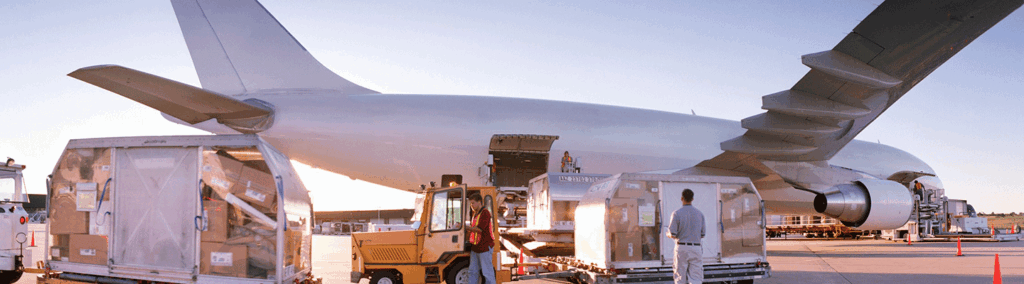
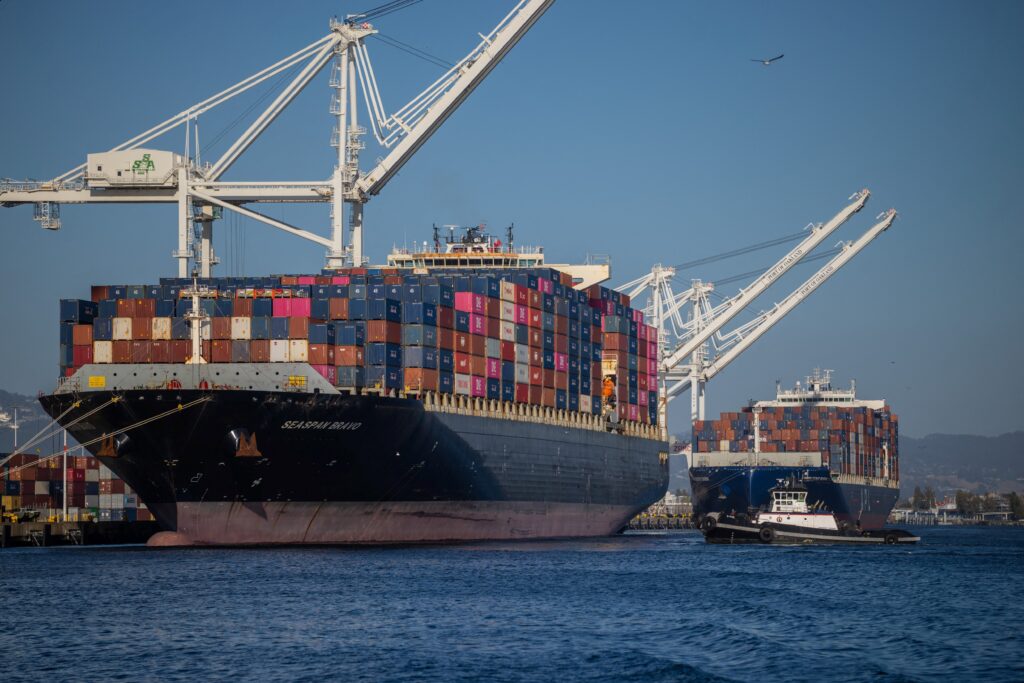
How Does Customs Clearance Differ Across Shipping Modes to Germany?
| Shipping Method | Ease of Clearance | Typical Risk | Supporting Broker Needed? |
|---|---|---|---|
| Air Freight | Fast (24–72 hrs) | Low (via IATA agents) | Not always |
| Sea Freight (LCL) | Medium | Medium (consolidation docs) | Highly recommended |
| FCL Shipping | Complex | High (bulk & need detail) | Mandatory |
| Express Courier | Simplified | Minimal risk | Often automatic by courier |
Therefore, matching the right clearance approach with the right freight method helps minimize cost while increasing customs performance.
How Can You Reduce Delays in EU Import Clearance from Shenzhen?
To optimize your customs process and lower delay risks:
- ✅ Pre-classify HS Codes with customs specialists
- ✅ Ensure invoice value reflects market pricing – avoid under-declaring
- ✅ Keep documents consistent across all forms
- ✅ Use experienced EU brokers familiar with DE tariffs
- ✅ Bundle shipping + clearance into one logistics plan
Additionally, schedule buffer time around German holidays, EU customs strikes, or peak seasons to avoid backlogs.
Conclusion
Ultimately, selecting the best customs clearance from Shenzhen to Germany empowers your business to grow confidently in the European market. With accurate documentation, proper Incoterms, and experienced brokers, even complex shipments like electronics or regulated imports can pass customs without issue.
From small LCL boxes to full FCL rail freight, having trusted clearance support in Germany ensures your goods arrive quickly, affordably, and legally—with zero surprise fees or blocked entries.
Request A Free Quote
Get started with TopChinaFreight today! 🚢✨ Simply Request a Free Quote 📝 to receive a customized shipping solution tailored to your needs. Our experts will provide the best rates 💰, fastest routes 🚀, and professional guidance 🌍 for your international logistics.
FAQs
Q1.How long does it take for customs clearance in Germany?
Most Shenzhen-to-Germany imports clear in 1–3 business days using registered customs brokers.
Q2.What’s the cheapest way to clear LCL from China to Germany?
Use professional LCL clearance with commercial invoice, packing list, and correct product HS codes.
Q3.Do I need an EORI number for customs clearance in Germany?
Yes. It’s legally required for all commercial shipments entering Germany from non-EU countries.
Q4.Can DDP customs clearance reduce upfront costs?
Absolutely. DDP lets sellers handle all duties, easing customs for buyers in Germany.
Q5. Is CE marking mandatory for Shenzhen electronics imports?
Yes, all electronics must meet EU compliance with CE label for entry into Germany.