
Smooth customs clearance is the key to successful international trade. For businesses importing goods from Shenzhen to the Netherlands, finding the best customs clearance from Shenzhen to Netherlands ensures efficient logistics, lower costs, and faster delivery. Many importers struggle with long delays and unexpected fees, but with the right partner, these issues can be avoided completely.

What Makes Shenzhen–Netherlands Customs Clearance Challenging?
Many exporters and importers underestimate the complexity of cross-border shipping between China and the Netherlands. Regulations, documentation, and tariff codes differ across categories, making compliance essential.
Common challenges include:
- Inconsistent HS codes
- VAT and import tax confusion
- Missing or inaccurate documents
- Delays at Rotterdam or Schiphol customs
- Lack of tracking transparency
📌For instance, even a small mismatch between the invoice description and packing list can cause a week-long delay. Therefore, understanding customs laws and choosing the right clearance agent from Shenzhen is crucial.
How Does the Best Customs Clearance from Shenzhen to Netherlands Work?
The process involves several steps that ensure goods legally enter the Netherlands without penalties. Below is the typical customs clearance workflow:
| Step | Description | Time Required |
|---|---|---|
| 1 | Prepare commercial invoice & packing list | 1–2 days |
| 2 | Verify product classification (HS code) | 1 day |
| 3 | Submit import declaration | 1 day |
| 4 | Customs inspection (if applicable) | 1–3 days |
| 5 | Release & delivery to warehouse | 1–2 days |
In total, most shipments clear customs within 3–6 working days when handled by experienced logistics providers like TopChinaFreight.
📌Additionally, electronic submission of documents has made the process faster and more transparent.
Which Shipping Methods Are Best for Customs Clearance?
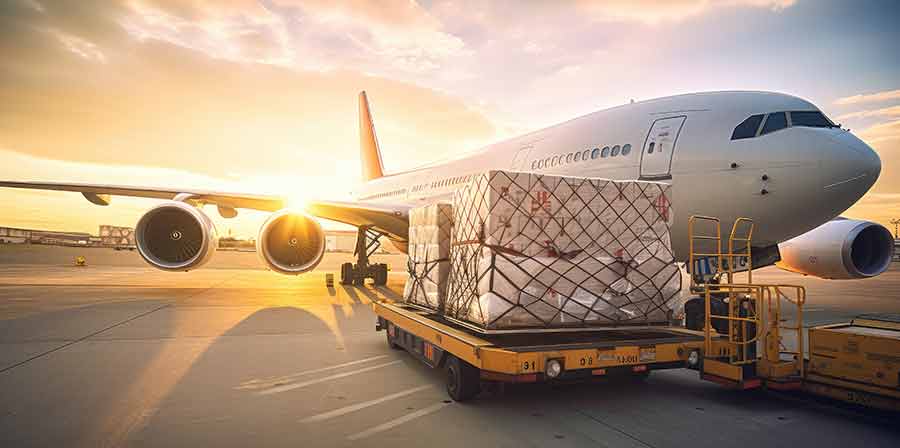
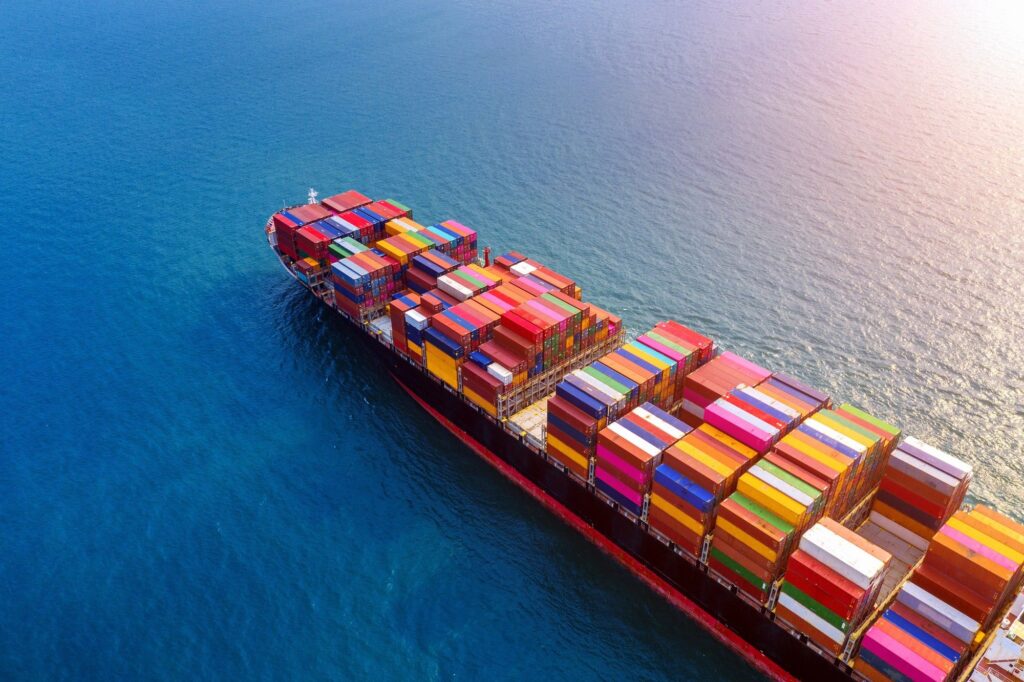
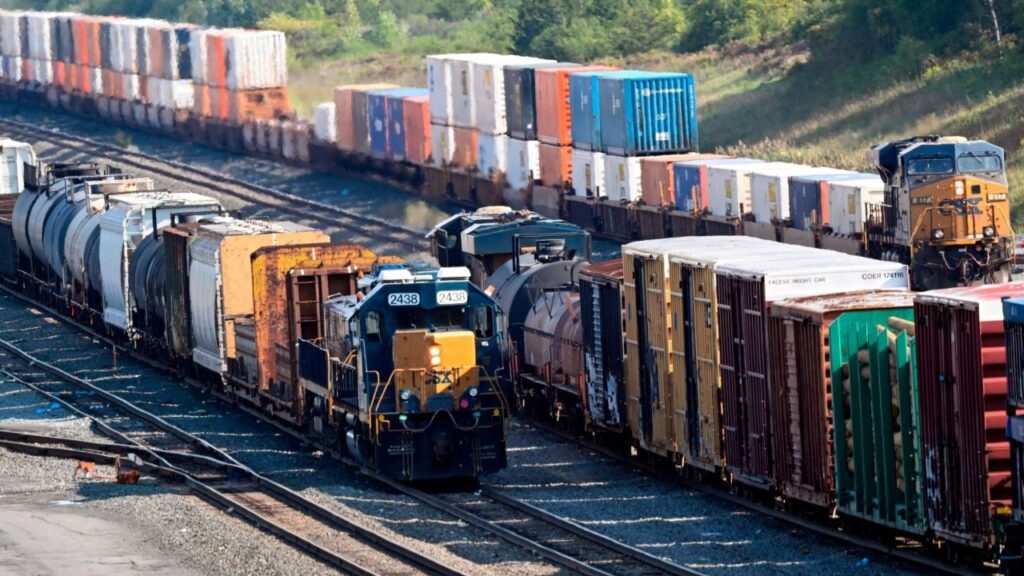
Customs clearance efficiency also depends on the shipping method. Below is a comparison of the three major transport options from Shenzhen to the Netherlands.
| Mode | Average Cost (USD/kg) | Transit Time | Pros | Cons |
|---|---|---|---|---|
| Air Freight | 5–8 | 5–7 days | Fast, safe, suitable for small goods | Higher cost |
| Sea Freight (FCL/LCL) | 0.5–2 | 30–40 days | Economical for bulk shipments | Slower delivery |
| Rail Freight | 2–3 | 16–20 days | Balance of speed and cost | Limited route availability |
📌Although air freight ensures speed, sea freight remains the preferred option for large-volume shipments due to cost efficiency. Rail freight, on the other hand, offers an excellent balance, especially for time-sensitive cargo that doesn’t justify air costs.
Required Documents for Customs Clearance
Accurate paperwork ensures compliance and avoids inspection delays. The following documents are typically required when exporting from Shenzhen to the Netherlands:
| Document | Purpose | Issued By |
|---|---|---|
| Commercial Invoice | Declares goods’ value | Seller |
| Packing List | Lists product details | Exporter |
| Bill of Lading / Air Waybill | Proof of shipment | Carrier |
| Certificate of Origin | Determines tariff rate | Chamber of Commerce |
| Import License (if applicable) | For restricted goods | Importer |
| CE Certificate | Compliance proof | Manufacturer |
Failure to provide any of these can result in a customs hold or return shipment, both of which increase costs.
📌Therefore, it’s advisable to double-check all documentation before dispatch.
Real Case Studies: Shenzhen to Netherlands Customs Clearance Success
Case 1: Electronics Shipment
Route: Shenzhen → Rotterdam
Cargo: 2,000 smartphones (2.5 CBM)
Transport Mode: Air freight
Cost: USD 8,000
Transit Time: 6 days
✅ Outcome: Cleared within 24 hours using pre-submitted digital customs forms.
Case 2: Furniture Export
Route: Shenzhen → Rotterdam Port
Cargo: 1 × 40HQ container of furniture (28 CBM)
Transport Mode: Sea freight (FCL)
Cost: USD 3,500
Transit Time: 38 days
✅ Outcome: VAT handled via importer’s EORI registration; no demurrage charges incurred.
How to Reduce Customs Clearance Costs
Customs-related charges can form up to 25% of total shipping costs, especially if penalties or demurrage fees occur. However, several strategies can significantly reduce expenses:
- Use Correct HS Codes: Prevents unnecessary tariffs.
- Combine Shipments: Consolidation lowers handling fees.
- Ensure Proper Labeling: Avoids inspection delays.
- Leverage DDP Terms: Sellers cover duties, simplifying buyer import.
- Partner with Experienced Brokers: Experts ensure smooth compliance.
📌Moreover, using electronic customs filing helps save both time and paperwork costs, especially for repeat shipments.
Why Choose TopChinaFreight for Customs Clearance?
TopChinaFreight has over 15 years of logistics experience in handling shipments from Shenzhen to Europe. The company’s team is trained to manage customs paperwork, coordinate with Dutch authorities, and ensure all HS classifications are correct.
Key advantages include:
- Dedicated customs brokerage team
- Real-time shipment tracking
- Pre-clearance documentation review
- Partnerships with major carriers
- End-to-end logistics management
📌Furthermore, TopChinaFreight’s advanced customs compliance system reduces the risk of shipment delays by up to 40%, which ensures faster delivery to your warehouse or Amazon FBA center.
How to Ensure Hassle-Free Customs Clearance
To summarize, successful customs clearance relies on preparation, transparency, and professional coordination.
Follow these practical steps:
- Plan shipment routes in advance.
- Prepare all documents accurately.
- Classify goods properly using HS codes.
- Choose trusted freight forwarders with EU experience.
- Communicate consistently with your agent.
📌When importers apply these practices, customs procedures between Shenzhen and the Netherlands become smooth and predictable.
Conclusion
In summary, choosing the best customs clearance from Shenzhen to the Netherlands ensures your cargo arrives safely, on time, and without unnecessary expenses. By partnering with professional logistics experts familiar with EU import laws, you can eliminate documentation errors, avoid costly customs delays, and gain full visibility throughout the shipping process.
Moreover, efficient customs clearance supports smoother supply chain operations, reduces transit time, and enhances customer satisfaction for importers and e-commerce businesses alike. To maximize value, work with an experienced Shenzhen-based freight forwarder who understands both Chinese export regulations and Dutch customs systems.
To conclude, investing in the best customs clearance from Shenzhen to the Netherlands isn’t just about saving time — it’s about securing long-term reliability, compliance, and profitability in your international trade.
Request A Free Quote
Get started with TopChinaFreight today! 🚢✨ Simply Request a Free Quote 📝 to receive a customized shipping solution tailored to your needs. Our experts will provide the best rates 💰, fastest routes 🚀, and professional guidance 🌍 for your international logistics.
FAQs
Q1.What documents are required for importing from Shenzhen to the Netherlands?
You’ll need an invoice, packing list, bill of lading, and CE certificate for smooth Shenzhen–Netherlands customs clearance.
Q2.How can I speed up customs clearance at Dutch ports?
Submit documents digitally before arrival and use experienced Shenzhen agents familiar with Netherlands import requirements.
Q3.Does customs clearance cover product inspection?
Yes, Dutch customs may inspect goods randomly; correct labeling and HS codes reduce inspection time during clearance.
Q4.Are there special clearance rules for e-commerce shipments?
Yes, parcels under €150 qualify for simplified import VAT processing under the EU’s IOSS customs clearance scheme.
Q5.What happens if customs documents are missing?
Shipments may be held, fined, or returned—using professional customs brokers from Shenzhen prevents costly clearance delays.