Nigeria, located in West Africa, is one of the largest economies on the continent, boasting strong economic prowess and relatively well-developed infrastructure. Its major cities and ports include Abuja, Lagos (port), Kano, Ibadan, Benin City, and Port Harcourt. Despite Nigeria’s robust economic growth and abundant resources, challenges such as road congestion, complex customs procedures, and security issues may arise during cargo transportation. To ensure the safe and timely delivery of goods, it is advisable for clients to choose reliable logistics partners, devise effective transport plans, and strictly adhere to local regulations. Top China Freight is committed to providing professional logistics services to help clients overcome various challenges and ensure the smooth delivery of goods to various destinations across Nigeria.
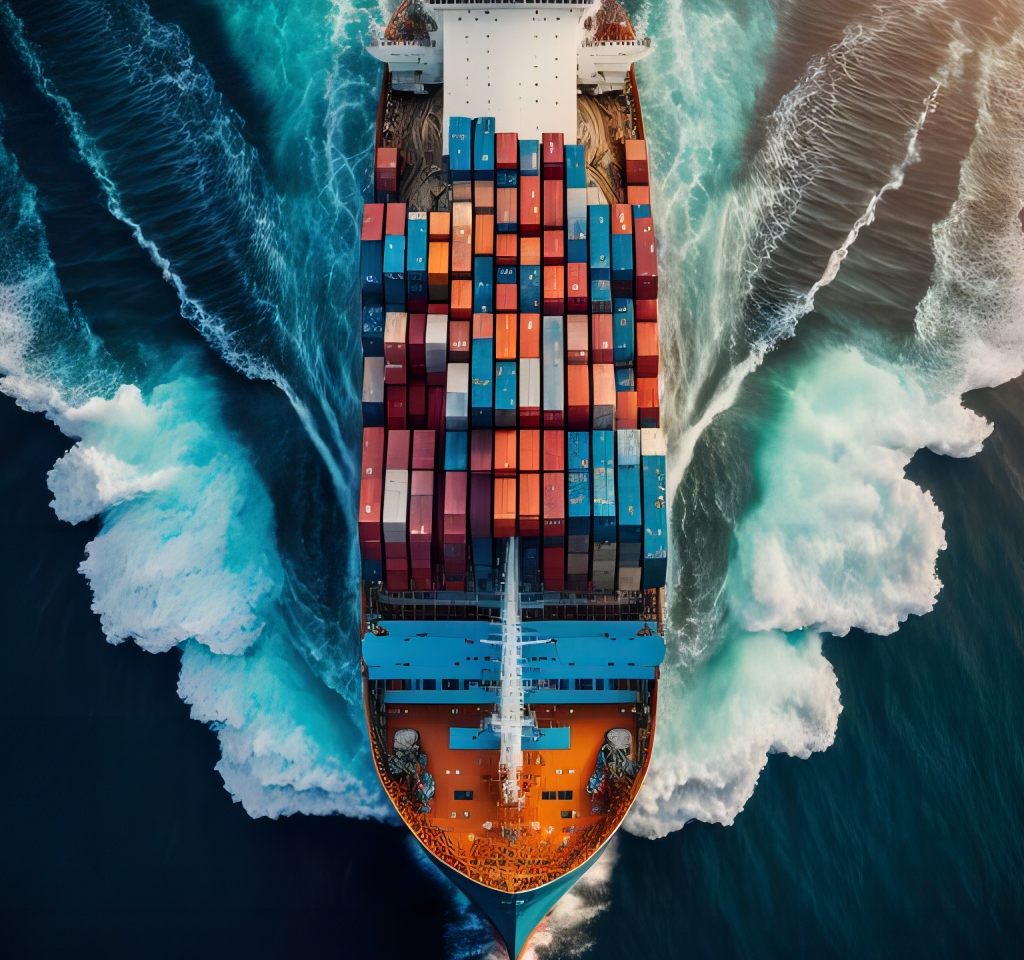
The transportation of goods by cargo ships across oceans, ideal for large volumes and heavy items.
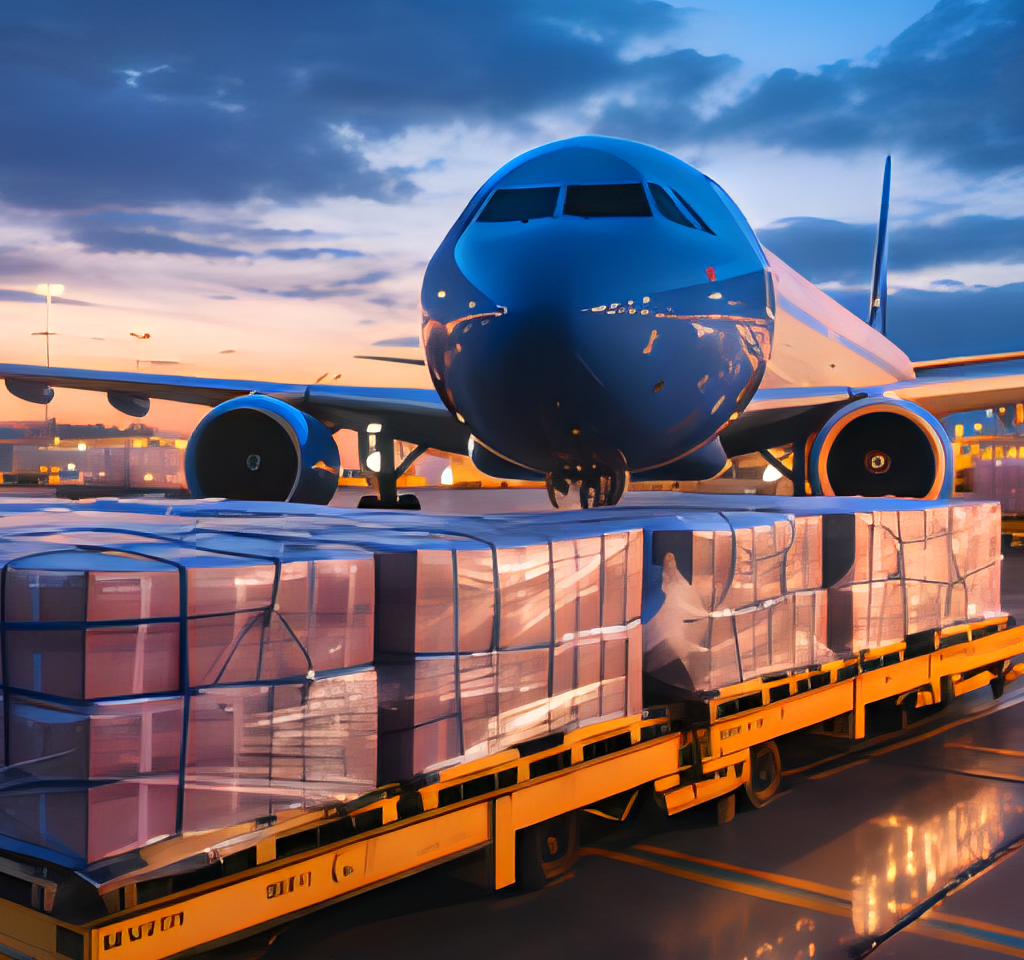
The shipment of goods via airplanes, offering fast delivery times for high-value or time-sensitive cargo.
This comprehensive solution streamlines the shipping process, ensuring efficient and hassle-free delivery.
The process of shipping goods that are loaded individually rather than in containers, typically used for oversized or irregularly shaped cargo.
Nigeria enforces strict documentation rules. Even minor discrepancies between invoice, packing list, and bill of lading can trigger cargo holds, reassessment, or penalties. Pre-shipment document verification is critical before vessel departure.
Nigeria requires a PAAR issued before cargo arrival. It validates cargo value and classification. Without an approved PAAR, customs clearance cannot proceed, which can significantly increase port storage costs.
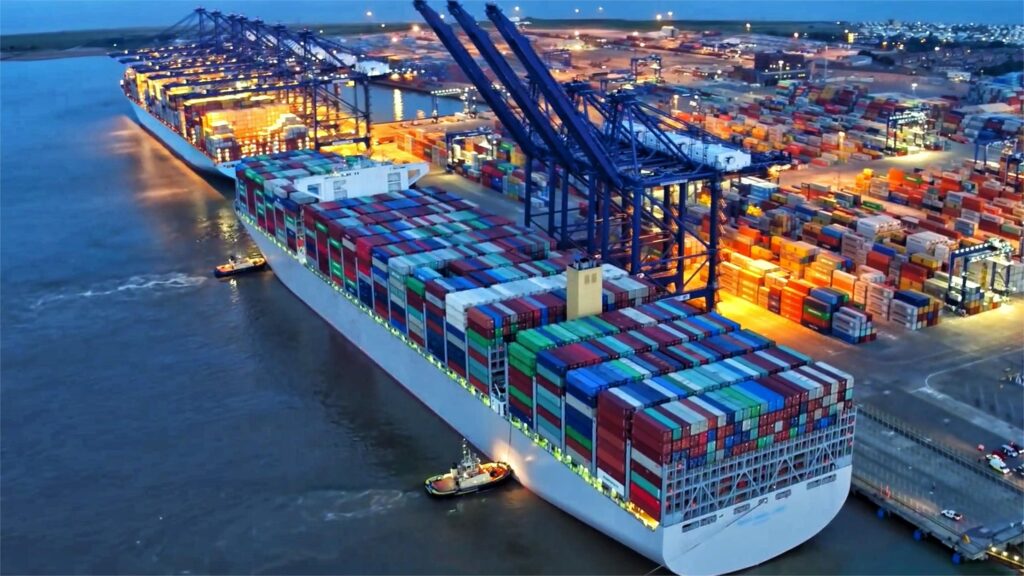
Most imports enter through Apapa Port in Lagos. However, congestion is common. Many importers also use Tin Can Island Port to diversify entry options.
High vessel traffic and container backlog may extend clearance time. Planning sufficient demurrage-free days and pre-arranging customs brokers reduces financial exposure.
Yes. Nigeria maintains a list of restricted or prohibited imports, including certain textiles, food items, and used goods categories. Confirm compliance before cargo loading to avoid confiscation risk.
Yes. Customs may reassess declared cargo value based on reference pricing databases. Transparent commercial invoicing and realistic CIF declaration help prevent upward adjustments.
For regulated products such as electronics or machinery, SONCAP (Standards Organization of Nigeria Conformity Assessment Program) certification may be required. Without it, clearance delays are likely.
Nigeria’s currency fluctuations can affect duty payment amounts. Since duties are calculated on CIF value converted to local currency, exchange timing directly influences total landed cost.
Urban congestion in Lagos can delay container pickup and delivery. Booking trucking in advance and coordinating off-peak retrieval helps minimize detention fees.
Nigeria combines high cargo volume, regulatory control, valuation scrutiny, and port congestion. Operational precision and documentation compliance are more important than simple freight speed.
Cargo Insurance provides coverage for goods against loss, damage, or theft during transit, ensuring that the owner receives financial compensation in the event of unforeseen incidents.
Amazon FBA (Fulfillment by Amazon) is a service where sellers store their products in Amazon's warehouses, and Amazon handles the packing, shipping, and customer service.
Customs brokerage is a service that helps importers and exporters clear goods through customs.
Door to door service refers to the transportation of goods directly from the sender's location to the recipient's location, handled entirely by the carrier.
Express service provide fast, time-sensitive delivery of parcels and documents.
DDU term means the seller is responsible for delivering the goods to the buyer’s designated destination, but not for paying import duties and other import fees. The buyer is responsible for customs clearance and paying all applicable duties, taxes, and fees.
DDP term means the seller is responsible for delivering the goods to the buyer’s designated destination and for paying all import duties and other import fees. The buyer only needs to receive the goods, without bearing any additional expenses.
I signed up with Top China Freight years ago ( in the early days I believe) and have been a regular customer with the Germany, UK and US warehouse facilities. I have had many irregular and demanding situations over the years and I can honestly say that Top China Freight has consistently delivered valuable service at a reasonable cost and I am truly grateful. Sometimes they even went out of their way to suggest a better solution for my situation. I rarely leave reviews but have been so impressed over the years of service that I feel compelled to leave this review. Thank you to all the staff at Top China Freight!