shipping

South Africa

shipping

South Africa is located in southern Africa and ranks among the top three economies on the continent. It boasts good infrastructure and abundant resources. Major cities and ports include Pretoria, Cape Town, Bloemfontein, Johannesburg, and Durban. While once a developed country, it is now classified as a developing nation, but still maintains strong economic power and logistical networks. The country’s infrastructure is well-developed, featuring modern ports, roads, and railways, facilitating efficient cargo transportation. However, challenges such as long transportation distances, complex customs procedures, and security issues in some areas may impact cargo transport. In conclusion, we are committed to providing professional and efficient logistics services to ensure safe and timely delivery of goods to various destinations across South Africa.

services

choose our service

services

img

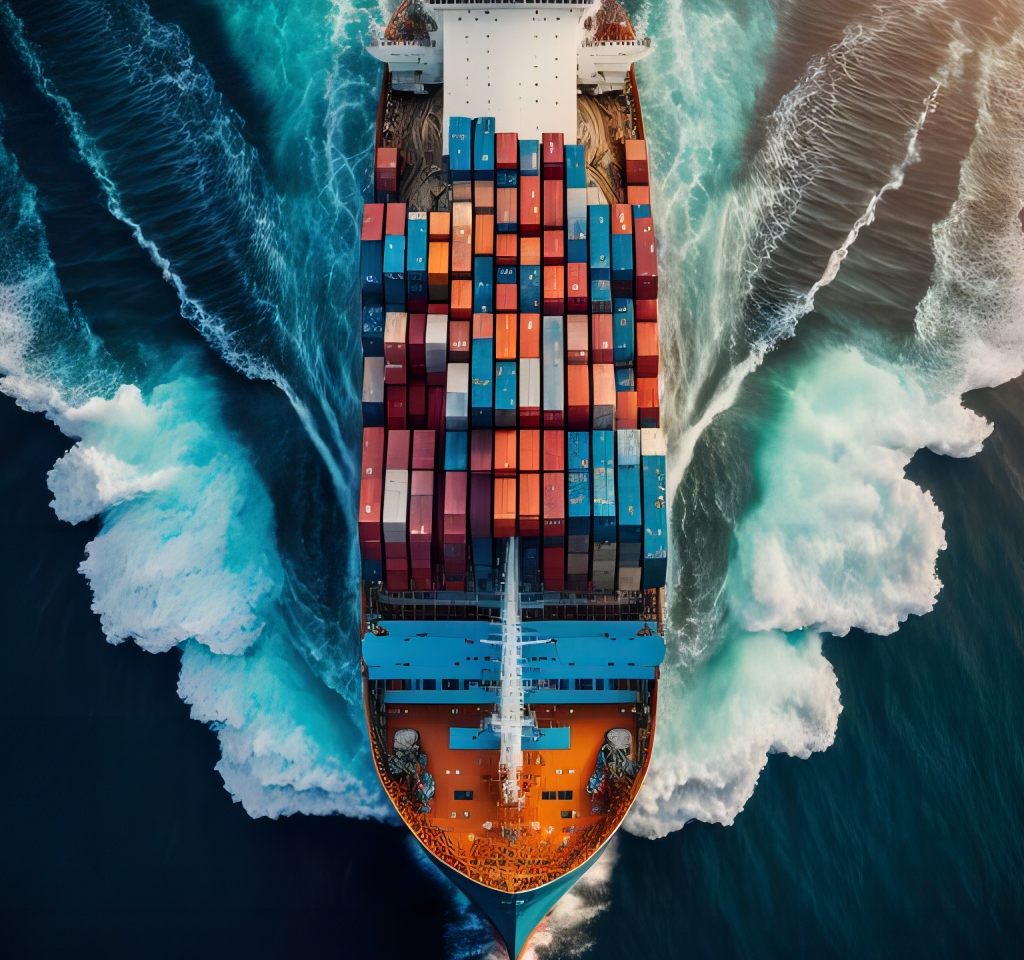
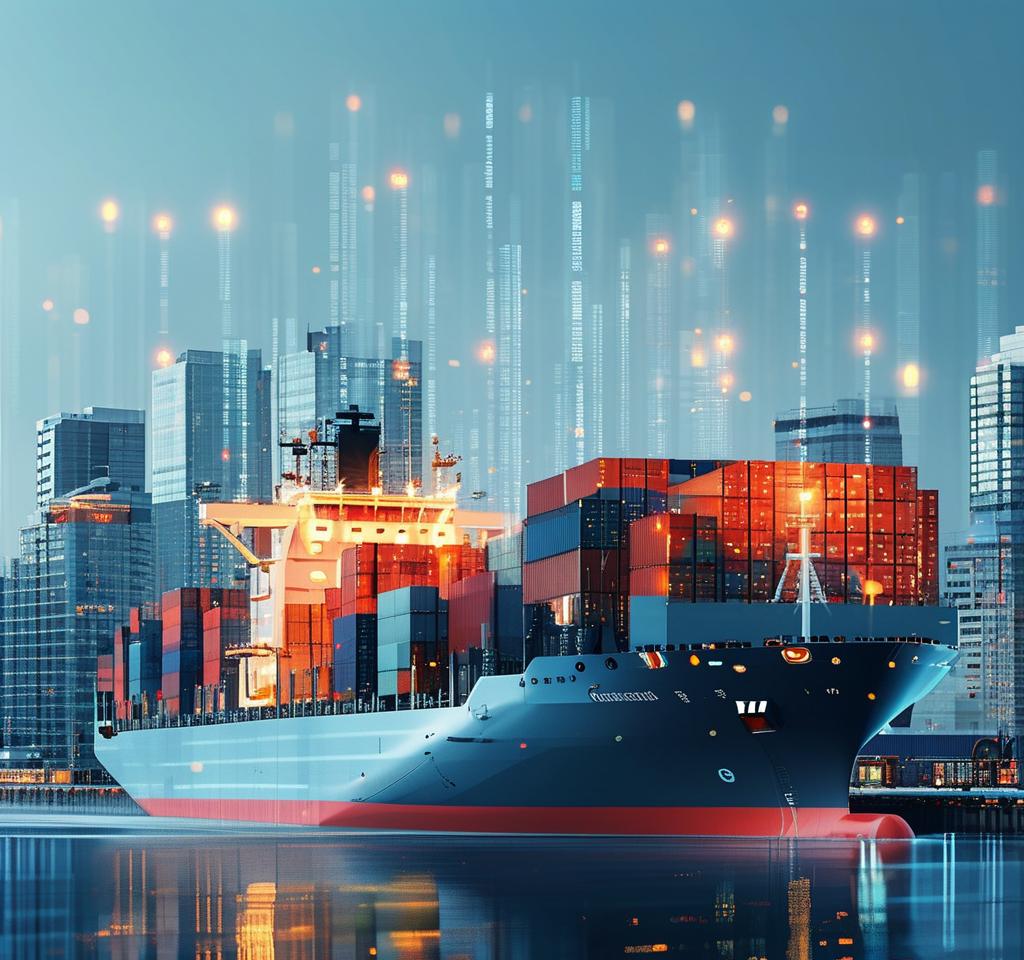
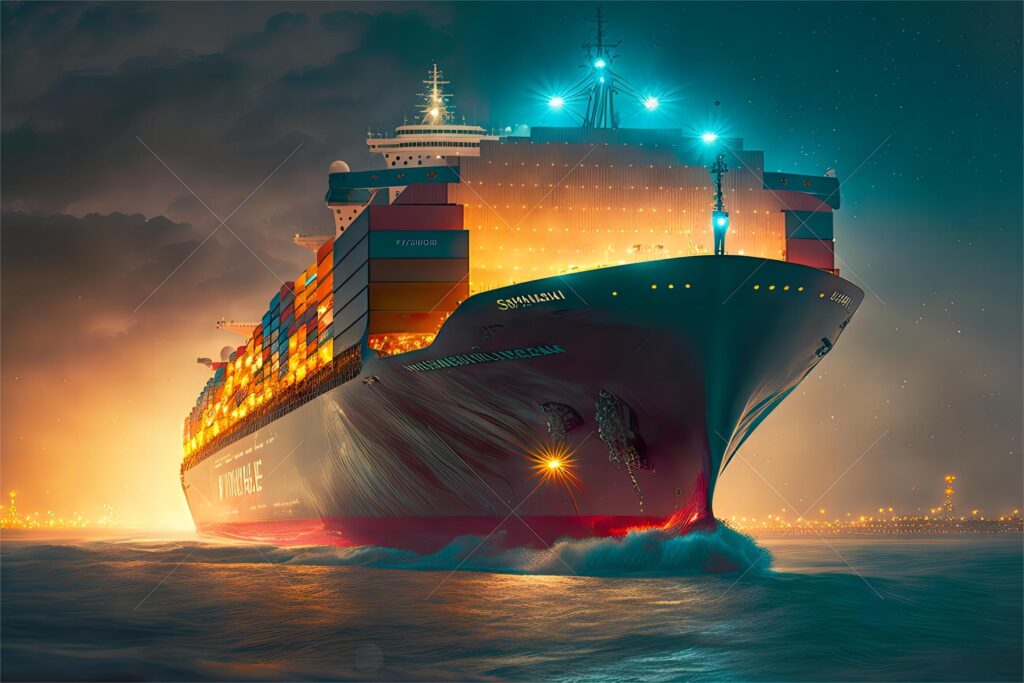
Sea freight

The transportation of goods by cargo ships across oceans, ideal for large volumes and heavy items.
img

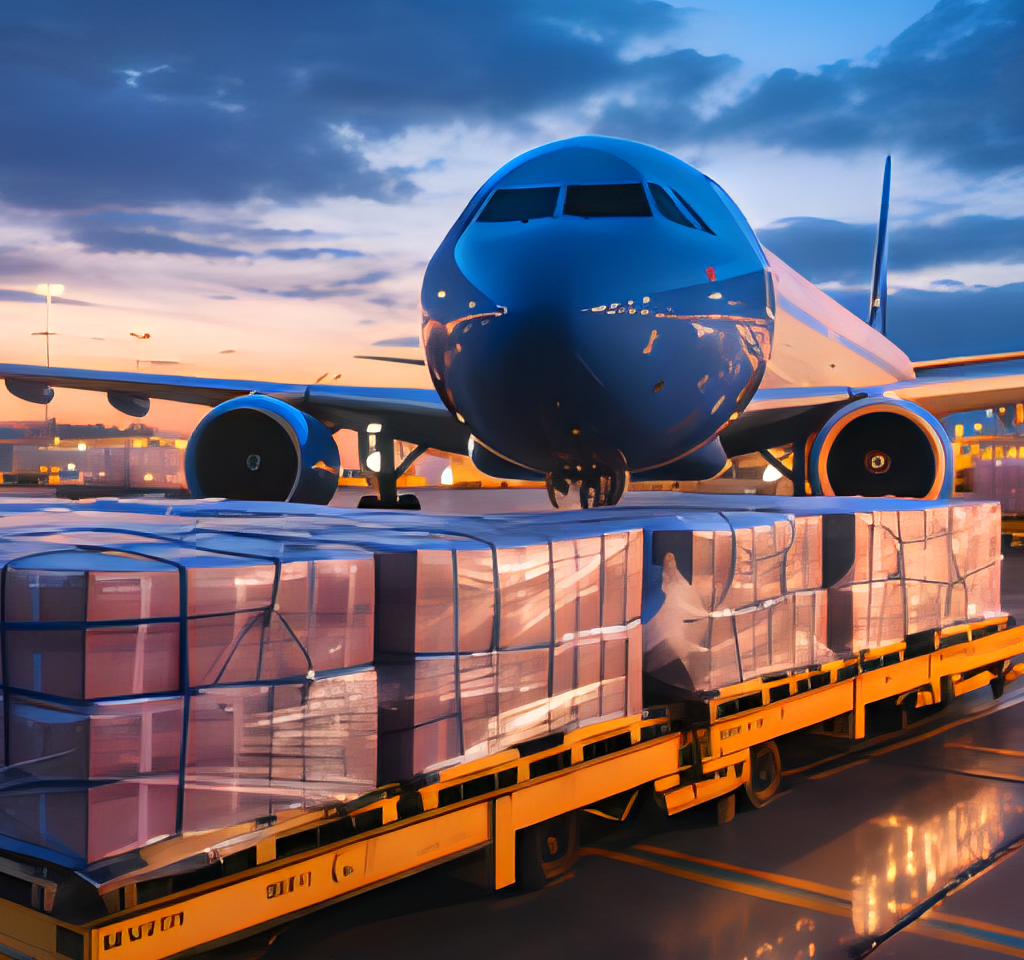
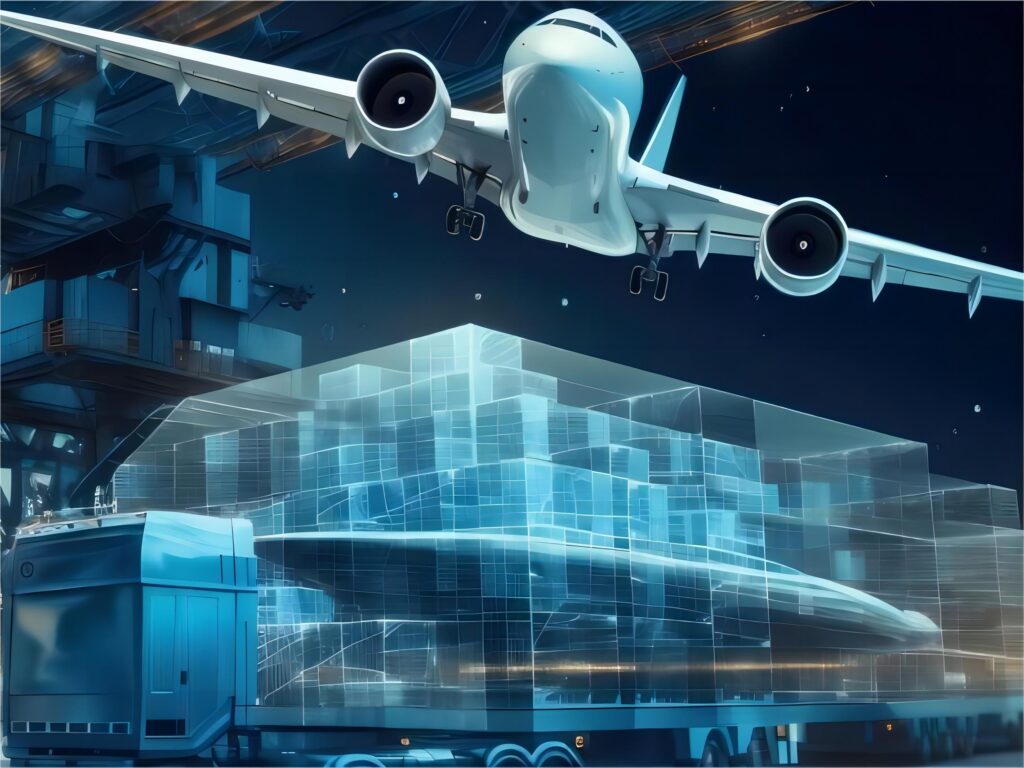
air freight

The shipment of goods via airplanes, offering fast delivery times for high-value or time-sensitive cargo.
img

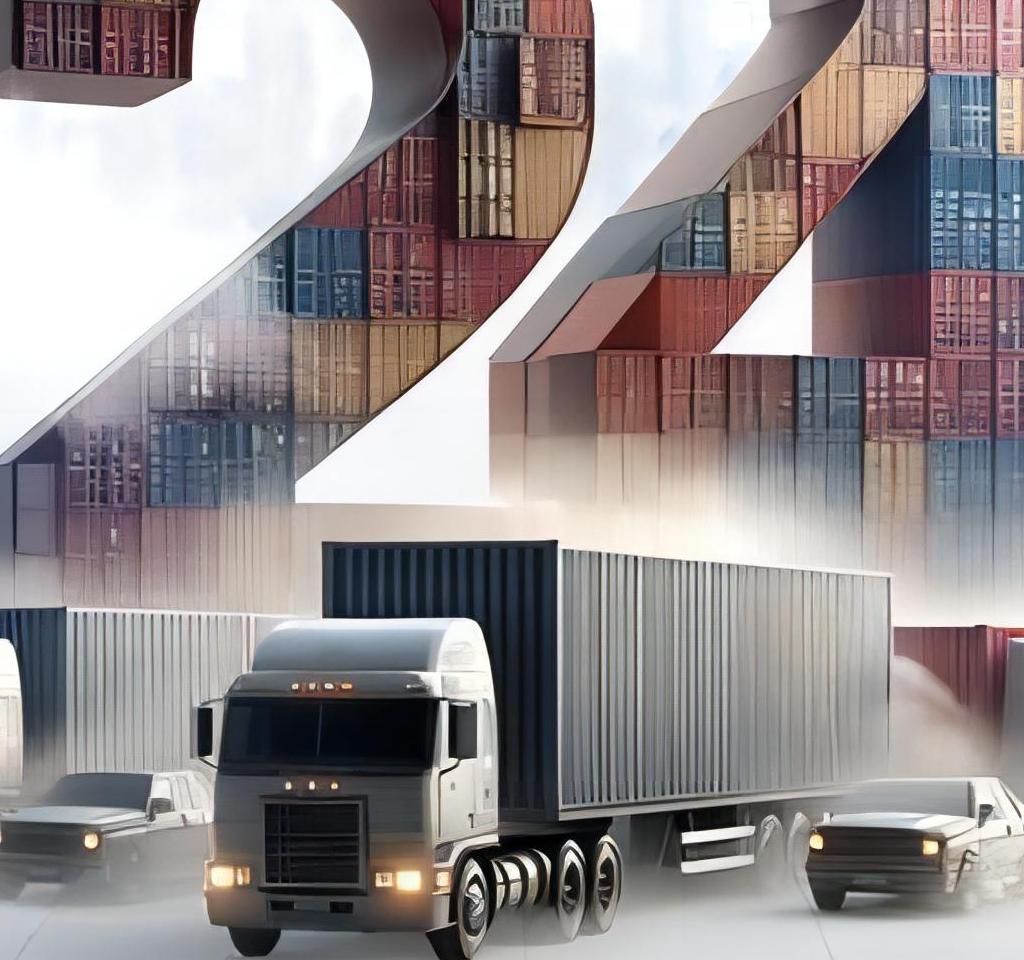
DOOR TO DOOR

This comprehensive solution streamlines the shipping process, ensuring efficient and hassle-free delivery.
img

break bulk

The process of shipping goods that are loaded individually rather than in containers, typically used for oversized or irregularly shaped cargo.
FAQ

Problems you may encounter

South African importers often worry less about ocean transit itself and more about what happens after arrival.

Vessels generally arrive as scheduled, but port operations can be inconsistent. Delays are often caused by congestion, equipment shortages, or labor-related slowdowns rather than ocean freight issues.

When planning inventory, importers usually build buffer time into their supply chain to account for potential port delays.

The main container gateway is the Port of Durban, handling the majority of container imports.

For cargo destined for the Western Cape region, the Port of Cape Town is often used.

The best choice depends on:

  • Final delivery location

  • Port congestion conditions

  • Inland trucking cost

  • Seasonal operational performance

Durban handles higher volume, but congestion risk must be evaluated.

Importers calculate total lead time by combining:

  • Ocean transit

  • Port discharge

  • Customs clearance

  • Container release

  • Inland transport

The inland leg can vary significantly depending on destination city and truck availability.

Experienced importers focus on realistic door-to-door planning rather than advertised transit days.

South African customs calculates duties based on the customs value (generally aligned with FOB value plus certain additions).

VAT is then applied on top of the customs value plus duty.

If declared value appears unusually low, customs may request supporting documents such as proof of payment or supplier contracts.

Accurate valuation reduces reassessment risk.

South Africa enforces tariff classification strictly.

Incorrect classification can result in:

  • Recalculated duties

  • Penalties

  • Clearance delays

  • Repeated audits for future shipments

Importers often consult customs specialists before finalizing large orders to ensure correct classification.

South Africa uses a risk-based system.

Inspection may occur for:

  • High-value cargo

  • Electronics

  • Textiles

  • Regulated products

  • Shipments from new importers

Physical inspection can add handling costs and extend release time.

Compliance history plays a significant role in inspection frequency.

Yes, certain goods require prior authorization, including:

  • Food and agricultural products

  • Chemicals

  • Medical products

  • Certain electronics

Importers must secure relevant permits before shipment departure to avoid clearance delays.

Port congestion can lead to:

  • Extended container dwell time

  • Demurrage and detention charges

  • Stock shortages

  • Cash flow pressure

Many South African importers negotiate free time terms carefully and track vessel arrival updates closely to manage these risks.

Many experienced South African importers prefer FOB terms to:

  • Control freight booking

  • Choose reliable carriers

  • Maintain transparency in freight charges

However, smaller businesses sometimes choose CIF for simplicity.

The choice depends on logistics experience and cost management strategy.

South African importers are highly sensitive to currency fluctuations.

Since most payments to China are in USD, changes in the Rand exchange rate can significantly affect final landed cost.

Some importers hedge currency risk or plan purchase timing strategically to manage exposure.

Common risks include:

  • Underestimating port delays

  • Incorrect HS classification

  • Incomplete documentation

  • Failure to secure required permits

  • Currency fluctuation impact

Most problems are preventable with proper pre-shipment planning.

South Africa has a structured customs system and established trade routes with China.

While operational challenges like port congestion exist, the regulatory framework is clear.

For importers who plan carefully, manage compliance, and allow realistic timelines, China–South Africa trade remains commercially viable and scalable.

sea freight
air freight
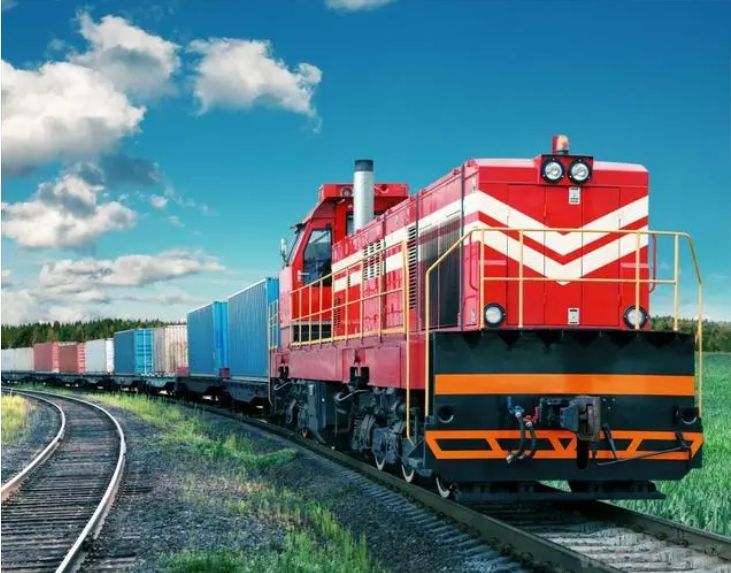
rail freight
services

WHAT ELSE CAN WE DO?

services

img

Fcl&lcl

FCL (Full Container Load) refers to shipping full containers of goods, while LCL (Less than Container Load) refers to shipping consolidated goods in a shared container.

img

Cargo Insurance

Cargo Insurance provides coverage for goods against loss, damage, or theft during transit, ensuring that the owner receives financial compensation in the event of unforeseen incidents.

img

Amazon FBA

Amazon FBA (Fulfillment by Amazon) is a service where sellers store their products in Amazon's warehouses, and Amazon handles the packing, shipping, and customer service.

img

Customs Brokerage

Customs brokerage is a service that helps importers and exporters clear goods through customs.


img

door to door

Door to door service refers to the transportation of goods directly from the sender's location to the recipient's location, handled entirely by the carrier.

img

Express Service

Express service provide fast, time-sensitive delivery of parcels and documents.


DDU (Delivered Duty Unpaid)

DDU term means the seller is responsible for delivering the goods to the buyer’s designated destination, but not for paying import duties and other import fees. The buyer is responsible for customs clearance and paying all applicable duties, taxes, and fees.

DDP (Delivered Duty Paid)

DDP term means the seller is responsible for delivering the goods to the buyer’s designated destination and for paying all import duties and other import fees. The buyer only needs to receive the goods, without bearing any additional expenses.

comments

What everyone thinks

Great service and so easy to use !

Great service and so easy to use and allows us to get stuff sent from CN to NZ that we can’t get here.  My son is going to be so excited when he sees his pokemon lunchbox.
woman
Candice Lock

Reliable and Quick Response

I had a great experience with Top China Freight. Their customer support was quick to respond (even during the Christmas and Holiday season) and provided confirmation shortly after I inquired about shipping items to the destination country. The shipment arrived faster than expected and in great condition.


Sera C.

So friendly!

Top China Freight is very trustworthy and a enjoyable site, very easy to navigate and people friendly!

global
Stephen G.