As a freight agent for Top China Freight, we recognize the potential challenges in Mozambique’s shipping conditions. Situated in Southeast Africa, Mozambique, despite its relatively underdeveloped economy, holds a strategic geographical position, poised to become a regional trade hub. Its key cities and ports include the capital Maputo, Inhambane, Maxixe, Vilankulo, Quelimane, and Mocuba. However, Mozambique’s infrastructure, encompassing ports, roads, and railways, is comparatively deficient, which could impede the efficiency and safety of cargo transportation. Moreover, its economic limitations may hinder the expansion and potential of the cargo transportation market. Dealing with Mozambique’s shipping challenges requires particular attention to the intricate customs clearance procedures to avoid unnecessary delays and costs. Armed with this understanding, clients can better strategize their cargo transportation plans. Top China Freight is committed to delivering professional and efficient logistics services, ensuring the safe and timely arrival of cargo throughout Mozambique.
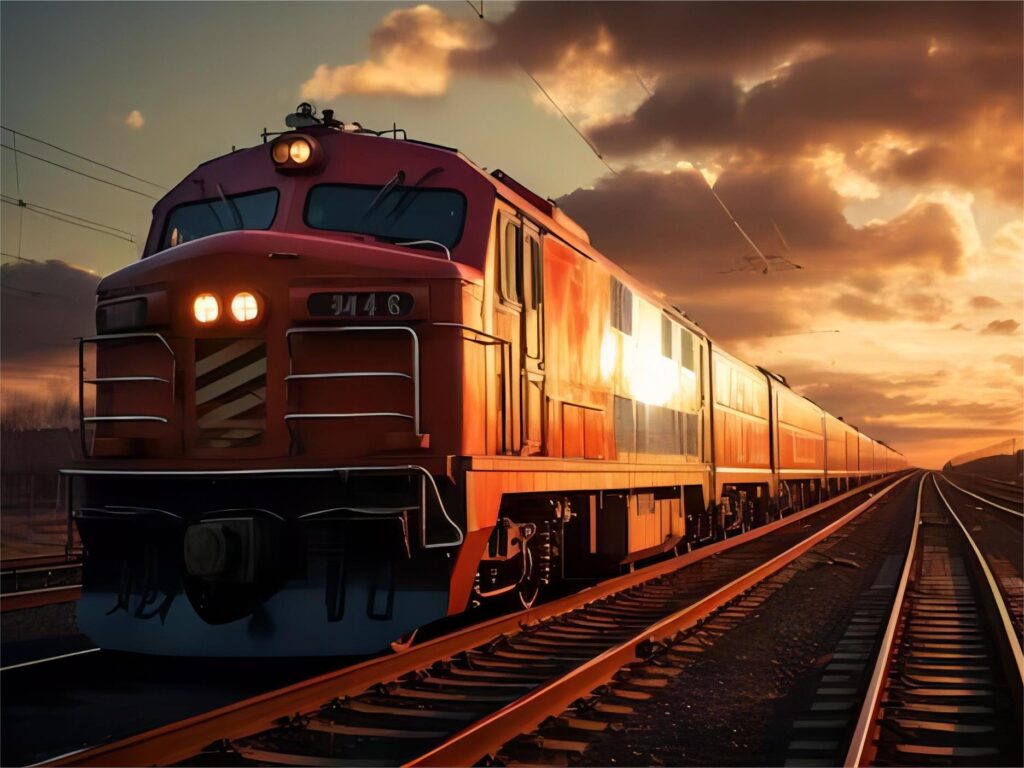
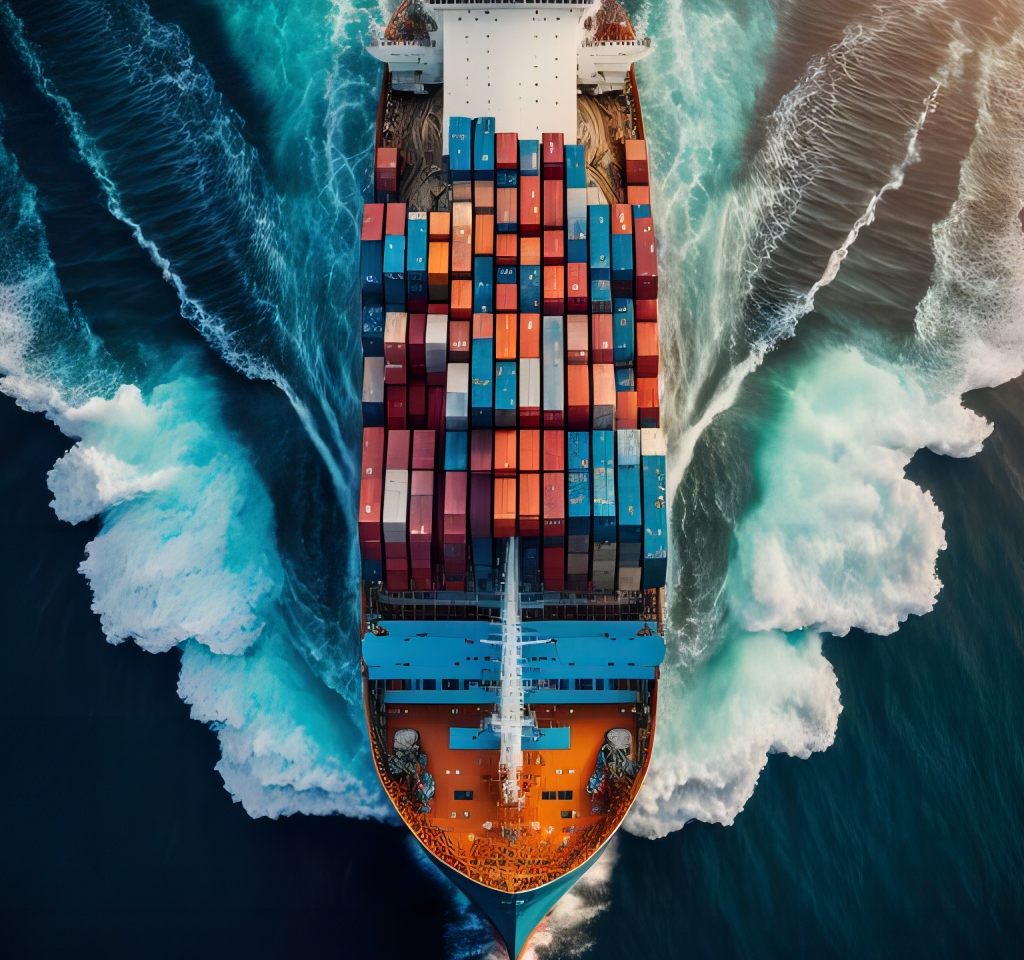
The transportation of goods by cargo ships across oceans, ideal for large volumes and heavy items.
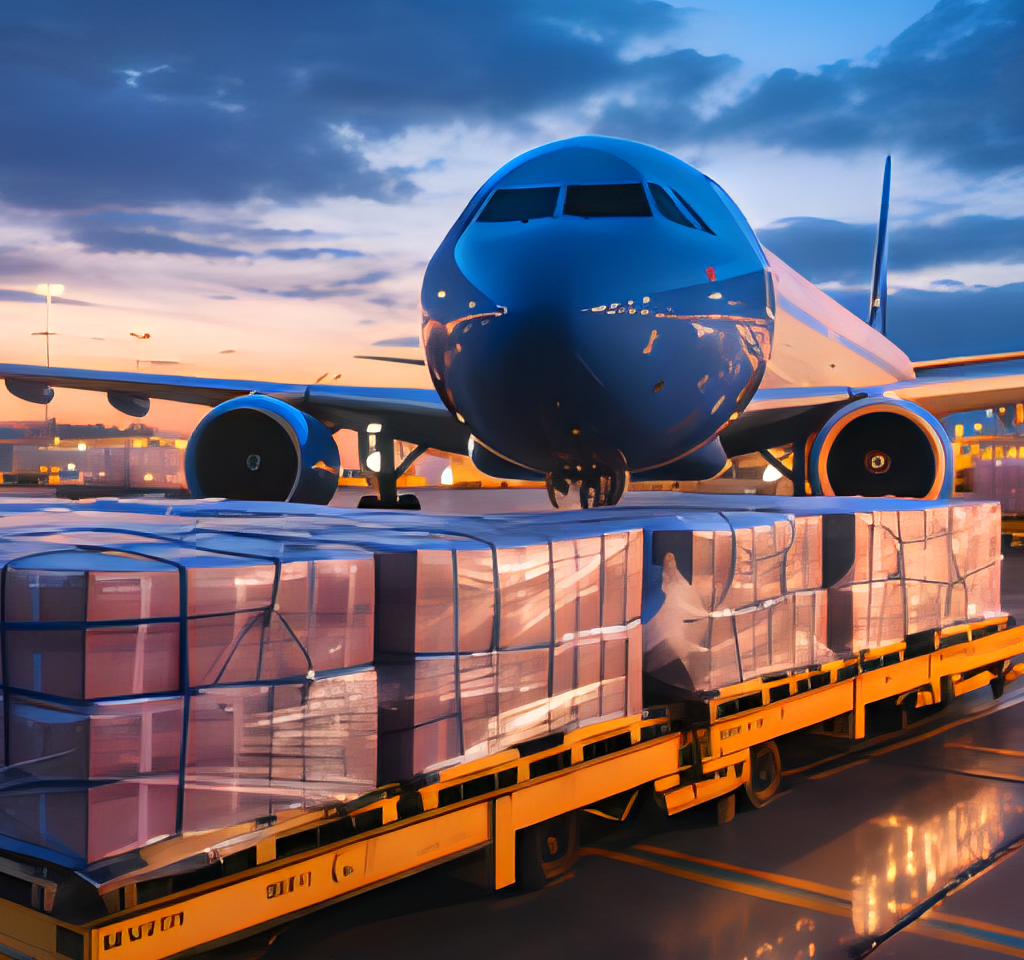
The shipment of goods via airplanes, offering fast delivery times for high-value or time-sensitive cargo.
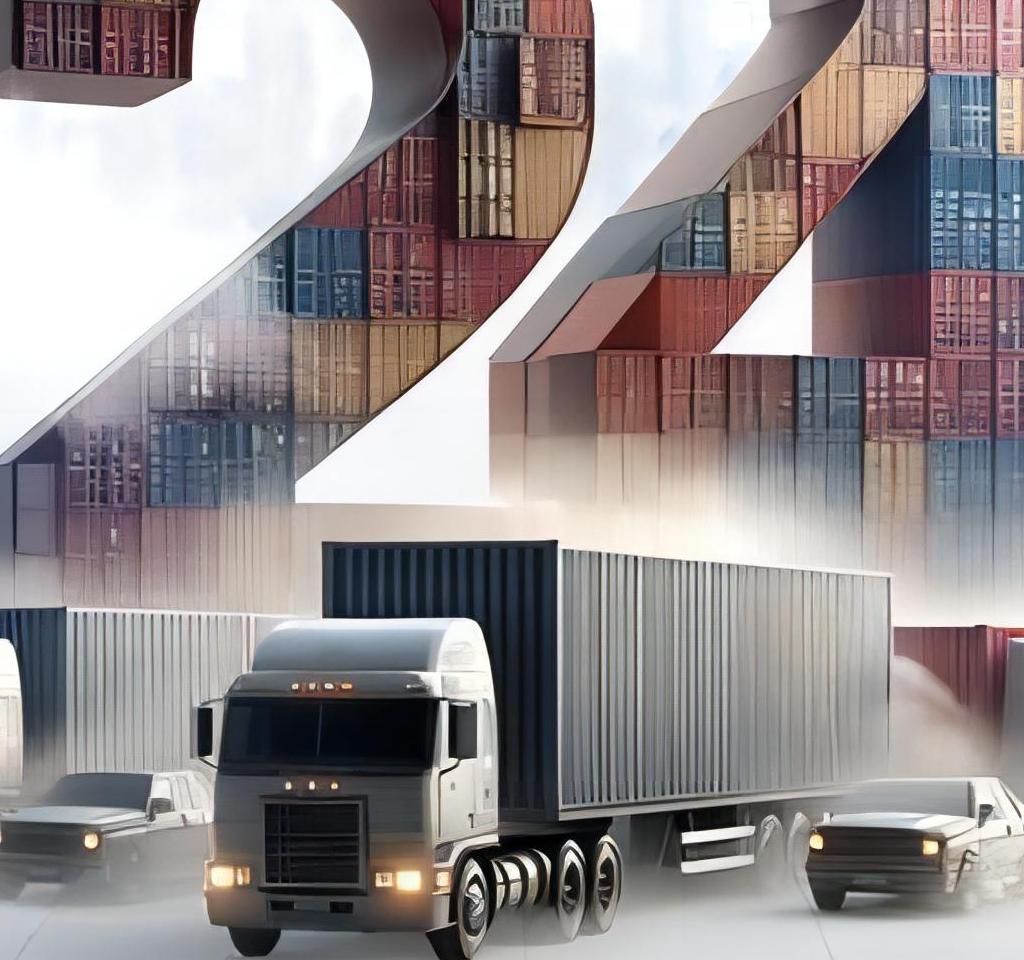
This comprehensive solution streamlines the shipping process, ensuring efficient and hassle-free delivery.

The process of shipping goods that are loaded individually rather than in containers, typically used for oversized or irregularly shaped cargo.
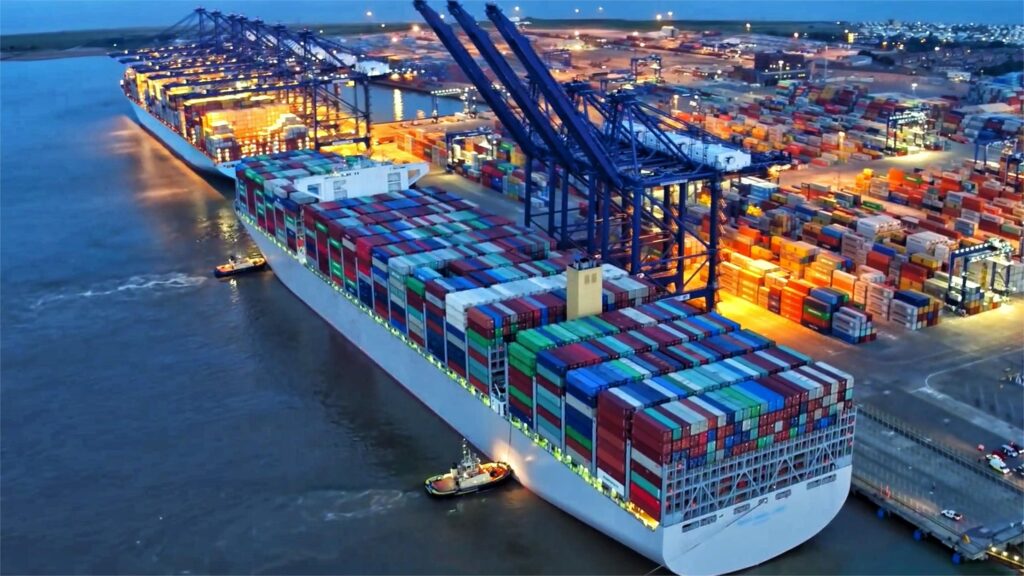
Cargo routing depends on final destination. Southern deliveries often enter via Port of Maputo, central regions use Port of Beira, while northern cargo may route through Port of Nacala. Port choice directly affects inland trucking cost and clearance efficiency.
Mozambique operates several regional trade corridors. The Maputo Corridor links South Africa and Eswatini markets, while Beira Corridor supports inland movement toward Zimbabwe and Zambia. Selecting the correct corridor optimizes cross-border distribution and reduces transit expense.
Yes. Beira and Nacala frequently serve as gateways for landlocked neighbors such as Zimbabwe, Malawi, and Zambia. Bonded cargo can move inland under customs control before final clearance.
Major sectors include construction materials, mining equipment, agricultural machinery, solar energy systems, consumer electronics, and wholesale retail goods. Mining and energy projects often require heavy containerized or breakbulk shipments.
Customs regulations are structured but document-sensitive. Electronic submission systems are used, and HS code accuracy is critical. Incorrect declarations can trigger reassessment or inspection delays.
Inspection frequency depends on cargo type and risk profile. Used goods, electronics, and machinery may face stricter checks. Proper documentation and transparent valuation reduce inspection probability.
Maputo handles strong southern trade flows and benefits from rail links to South Africa. Beira supports bulk and container trade but may experience seasonal congestion. Nacala offers deep-water capacity but has lower overall traffic volumes.
Inland trucking delays during rainy season
Port congestion in peak periods
Incorrect duty calculation
Exchange rate fluctuations affecting import valuation
Proactive planning reduces these exposures.
Yes. Equipment imbalance can occur depending on export volume. During peak demand periods in Asia, securing container equipment early is recommended.
Choose the closest suitable entry port
Consolidate shipments into full containers
Coordinate rail transport where available
Schedule trucking immediately after clearance
Efficient coordination lowers detention and storage fees.
Yes. Mining, gas, and infrastructure sectors frequently require flat racks, open-top containers, or breakbulk vessels for heavy machinery and industrial components.
Unlike routes centered on single-port systems, Mozambique logistics rely heavily on regional corridor strategy. Port selection and inland infrastructure planning have greater cost impact than ocean transit alone.
Cargo Insurance provides coverage for goods against loss, damage, or theft during transit, ensuring that the owner receives financial compensation in the event of unforeseen incidents.
Amazon FBA (Fulfillment by Amazon) is a service where sellers store their products in Amazon's warehouses, and Amazon handles the packing, shipping, and customer service.
Customs brokerage is a service that helps importers and exporters clear goods through customs.
Door to door service refers to the transportation of goods directly from the sender's location to the recipient's location, handled entirely by the carrier.
Express service provide fast, time-sensitive delivery of parcels and documents.
DDU term means the seller is responsible for delivering the goods to the buyer’s designated destination, but not for paying import duties and other import fees. The buyer is responsible for customs clearance and paying all applicable duties, taxes, and fees.
DDP term means the seller is responsible for delivering the goods to the buyer’s designated destination and for paying all import duties and other import fees. The buyer only needs to receive the goods, without bearing any additional expenses.
I had a great experience with Top China Freight. Their customer support was quick to respond (even during the Christmas and Holiday season) and provided confirmation shortly after I inquired about shipping items to the destination country. The shipment arrived faster than expected and in great condition.