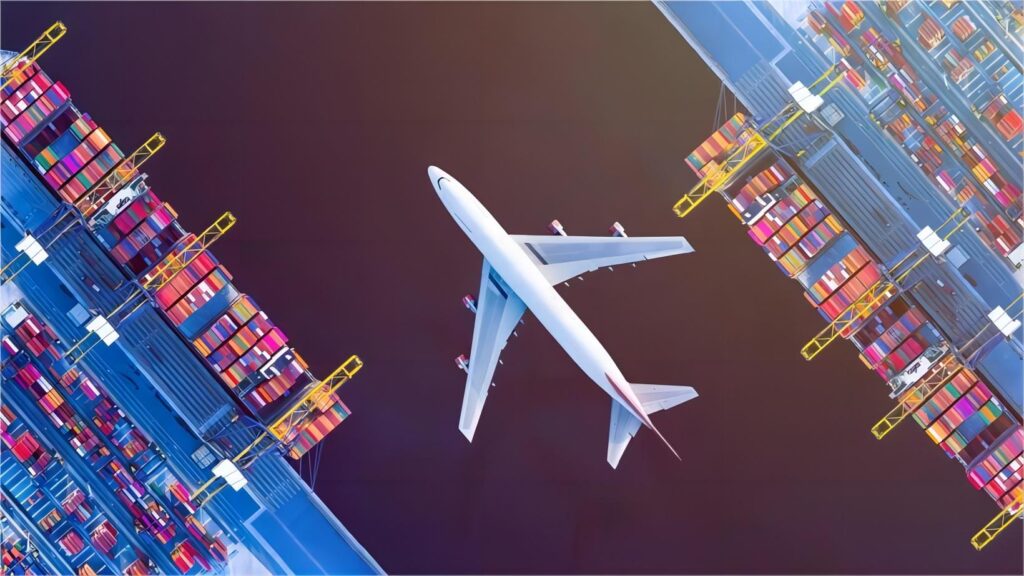
As a freight agent for Top China Freight, we understand the unique shipping conditions in Somalia, positioned strategically between the Red Sea and the Gulf of Aden. Despite its advantageous location, Somalia faces challenges with underdeveloped infrastructure and limited economic resources. Several factors impact freight operations here, including infrastructure constraints, resource scarcity, and political instability, which can introduce uncertainties in shipping.
Major cities and ports in Somalia—such as Mogadishu, Berbera, Bosaso, Marka, and Brava—play critical roles in trade activities. However, their facilities are often rudimentary, adding potential logistical challenges. Additionally, political instability can affect port operations and transportation, raising risks in the shipping process.
At Top China Freight, we address these challenges by offering comprehensive freight solutions. Our services include logistics planning, consultation, diverse transport options, real-time tracking, customer support, compliance assistance, and risk management. With our professional support, clients can ship confidently to Somalia, benefiting from efficient and secure freight services.
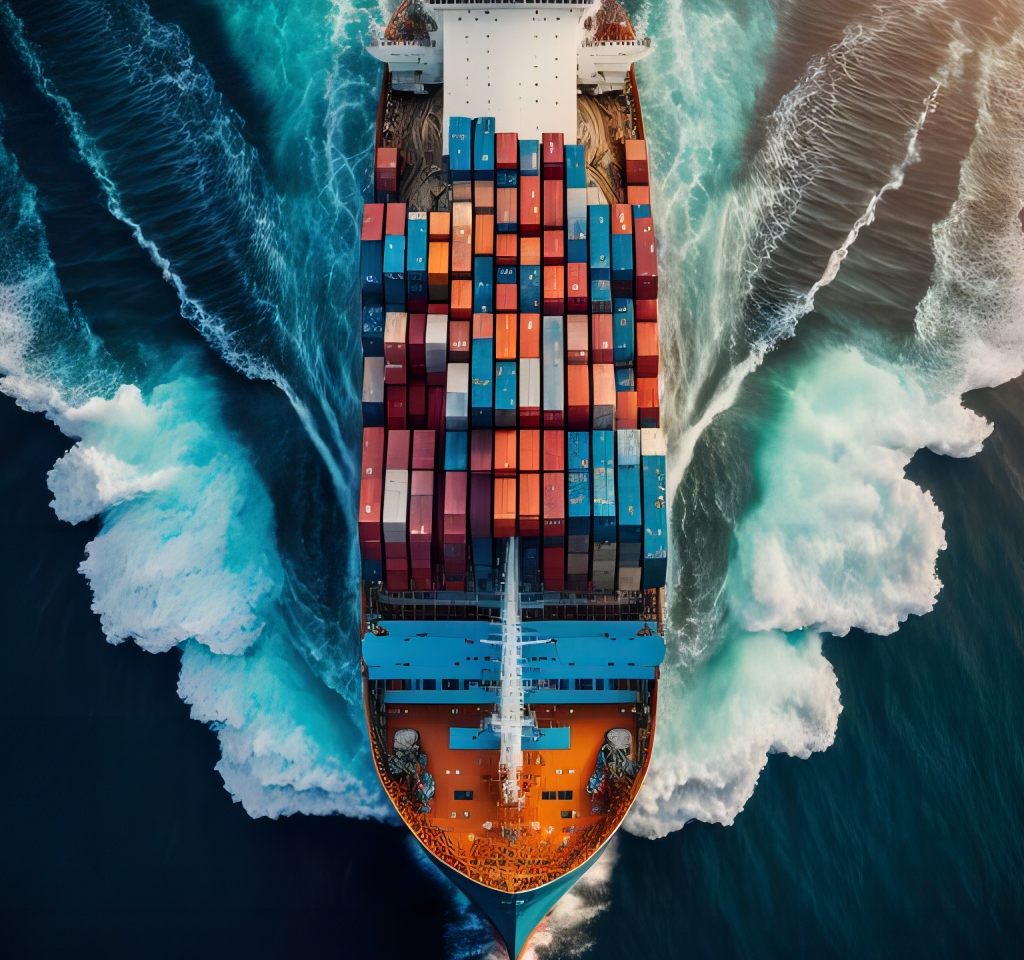
The transportation of goods by cargo ships across oceans, ideal for large volumes and heavy items.
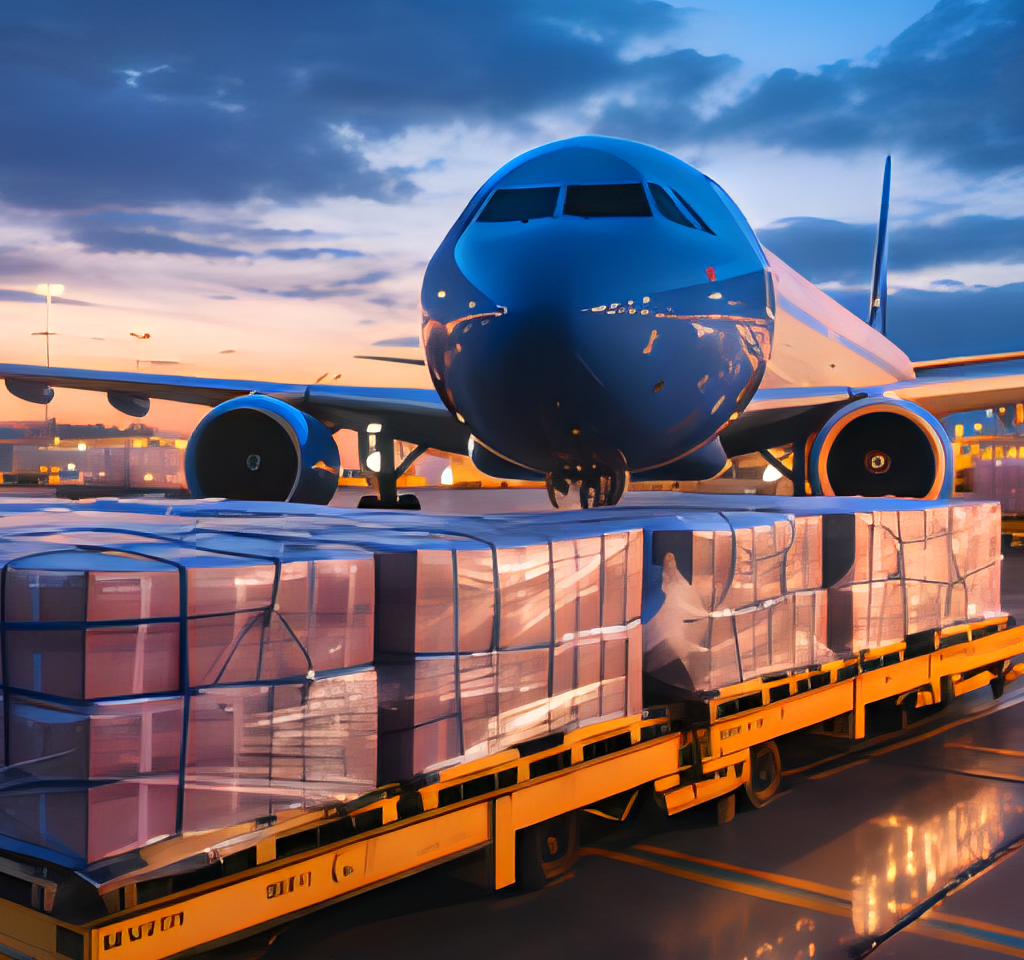
The shipment of goods via airplanes, offering fast delivery times for high-value or time-sensitive cargo.

This comprehensive solution streamlines the shipping process, ensuring efficient and hassle-free delivery.

The process of shipping goods that are loaded individually rather than in containers, typically used for oversized or irregularly shaped cargo.
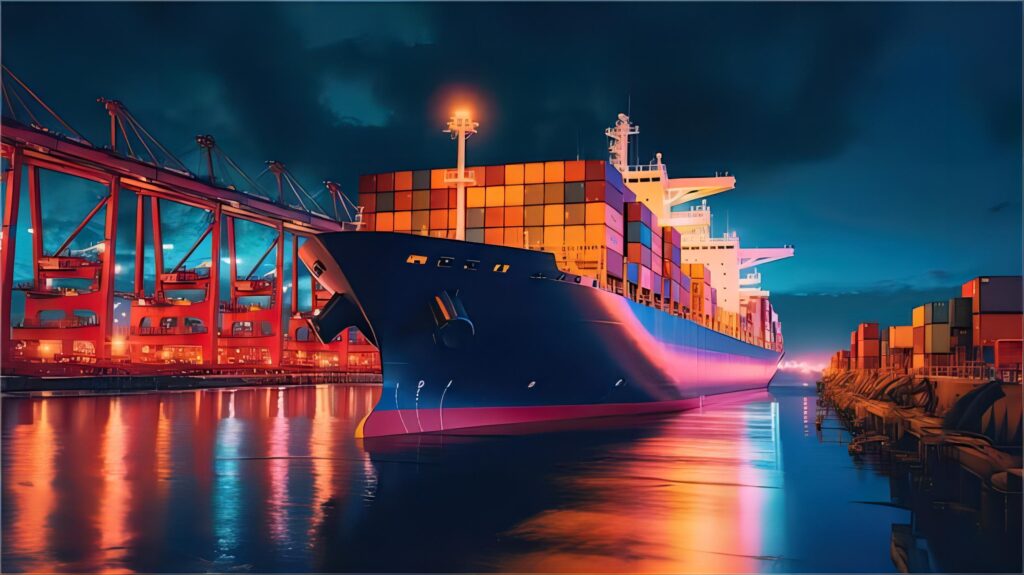
The most commonly used port for international container cargo is the Port of Mogadishu.
In the north, many importers use the Port of Berbera, which is often considered more operationally stable and organized.
Port choice depends on:
Final delivery city
Security considerations
Regional political structure
Road accessibility
Some importers choose Berbera even if cargo is destined elsewhere, simply for operational predictability.
Somalia’s customs environment is less centralized compared to many countries.
Clearance procedures can vary depending on the port and local authority control.
Instead of complex regulatory approvals, the main concern is working with a reliable local clearing agent who understands local processes and fee structures.
Relationships and local knowledge matter more than paperwork complexity.
Cargo control is a major concern.
Importers typically ensure:
Original Bill of Lading is properly managed
Trusted local agents handle clearance
Clear communication with port authorities
Payments are coordinated carefully
Unlike highly regulated systems, risk in Somalia is more operational than bureaucratic.
Transit time depends heavily on routing.
There are rarely direct sailings; cargo often transships through Middle Eastern hubs before arriving in Somalia.
Total transit includes:
Ocean voyage
Transshipment time
Port handling
Local clearance and delivery
Schedule reliability can vary, so importers often plan extra buffer time.
Because banking infrastructure can be limited, Somali importers often use:
Telegraphic transfer (T/T)
Payment through regional trading partners
Third-country banking channels
Clear agreement on payment timing and shipment release terms is critical.
Financial risk management is often more important than customs risk.
Restrictions are generally less structured than in other markets, but certain goods may face scrutiny for security or political reasons.
Importers typically verify with local agents before shipping regulated items such as:
Chemicals
Telecommunications equipment
Dual-use goods
The key is local confirmation before shipment departure.
Many experienced importers strongly recommend cargo insurance.
Risks can include:
Port handling damage
Delays
Security-related incidents
Inland transport challenges
Insurance provides financial protection in a market where recovery procedures may be complex.
Road conditions and security vary by region.
Delivery timelines depend heavily on:
Final destination
Security conditions
Local transport availability
Importers often work with transporters they know personally rather than relying on unknown providers.
The main risks are:
Payment security
Cargo control at destination
Port operational variability
Limited dispute resolution mechanisms
The risk profile is practical and operational, not regulatory.
Full container load (FCL) gives importers more control and reduces handling risk.
Less-than-container load (LCL) shipments may involve more handling and longer coordination time.
For valuable or sensitive goods, FCL is often preferred.
Some international carriers and insurers classify Somalia as a higher-risk destination.
This can affect:
Freight rates
Insurance premiums
Carrier availability
Importers sometimes route cargo through alternative regional ports when necessary.
Success depends on:
Trusted local clearing partners
Strong payment planning
Cargo insurance
Realistic delivery expectations
Careful selection of port
In Somalia, logistics success is built on network reliability more than regulatory knowledge.
Cargo Insurance provides coverage for goods against loss, damage, or theft during transit, ensuring that the owner receives financial compensation in the event of unforeseen incidents.
Amazon FBA (Fulfillment by Amazon) is a service where sellers store their products in Amazon's warehouses, and Amazon handles the packing, shipping, and customer service.
Customs brokerage is a service that helps importers and exporters clear goods through customs.
Door to door service refers to the transportation of goods directly from the sender's location to the recipient's location, handled entirely by the carrier.
Express service provide fast, time-sensitive delivery of parcels and documents.
DDU term means the seller is responsible for delivering the goods to the buyer’s designated destination, but not for paying import duties and other import fees. The buyer is responsible for customs clearance and paying all applicable duties, taxes, and fees.
DDP term means the seller is responsible for delivering the goods to the buyer’s designated destination and for paying all import duties and other import fees. The buyer only needs to receive the goods, without bearing any additional expenses.
I signed up with Top China Freight years ago ( in the early days I believe) and have been a regular customer with the Germany, UK and US warehouse facilities. I have had many irregular and demanding situations over the years and I can honestly say that Top China Freight has consistently delivered valuable service at a reasonable cost and I am truly grateful. Sometimes they even went out of their way to suggest a better solution for my situation. I rarely leave reviews but have been so impressed over the years of service that I feel compelled to leave this review. Thank you to all the staff at Top China Freight!