As a freight agent representing Top China Freight, we understand that while Djibouti is strategically located along the Red Sea coast, its economy lags behind and its infrastructure is insufficient. In terms of freight, considerations include infrastructure limitations, key cities like Djibouti City serving as the sole port hub, and the challenge of scarce resources. Despite these challenges, as a professional freight agent, we offer a range of solutions including logistics planning, diverse transportation options, real-time tracking, customer service, and compliance and risk management. With our professional support, clients can confidently ship their goods to Djibouti, enjoying efficient and secure freight services.
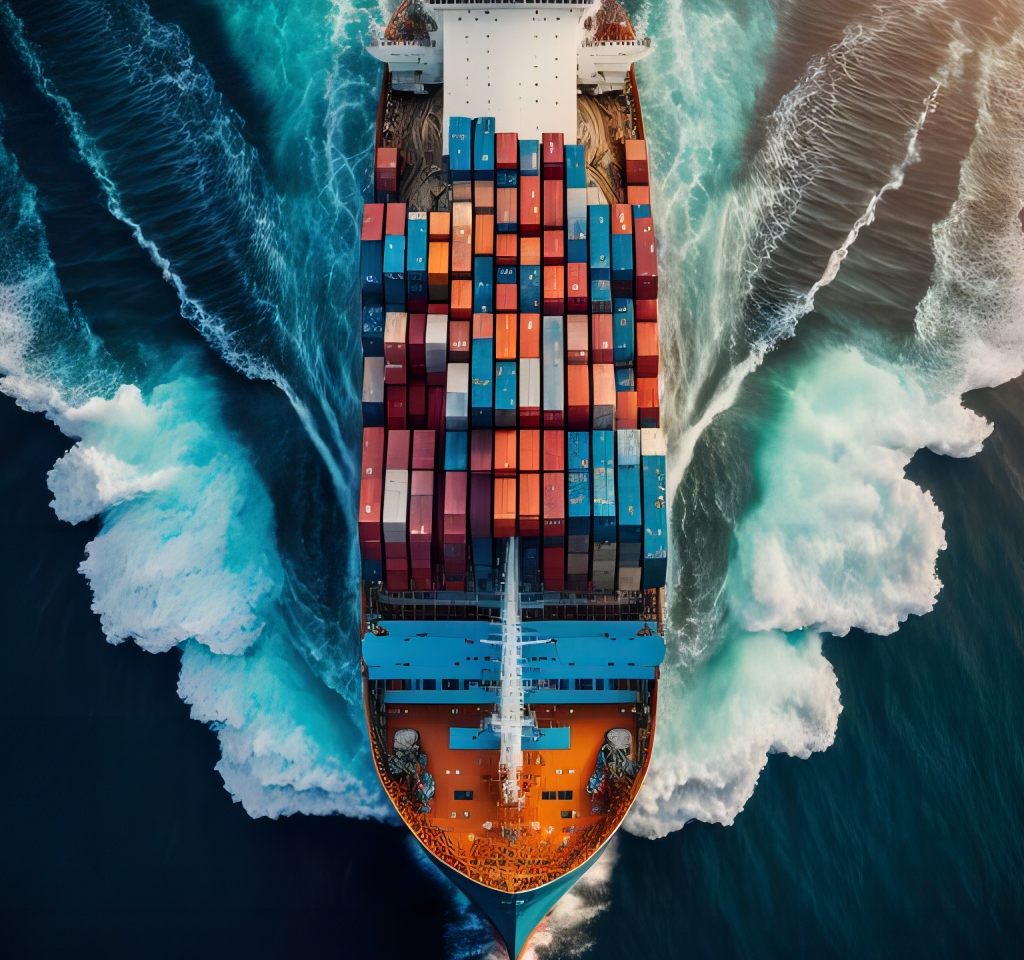
The transportation of goods by cargo ships across oceans, ideal for large volumes and heavy items.
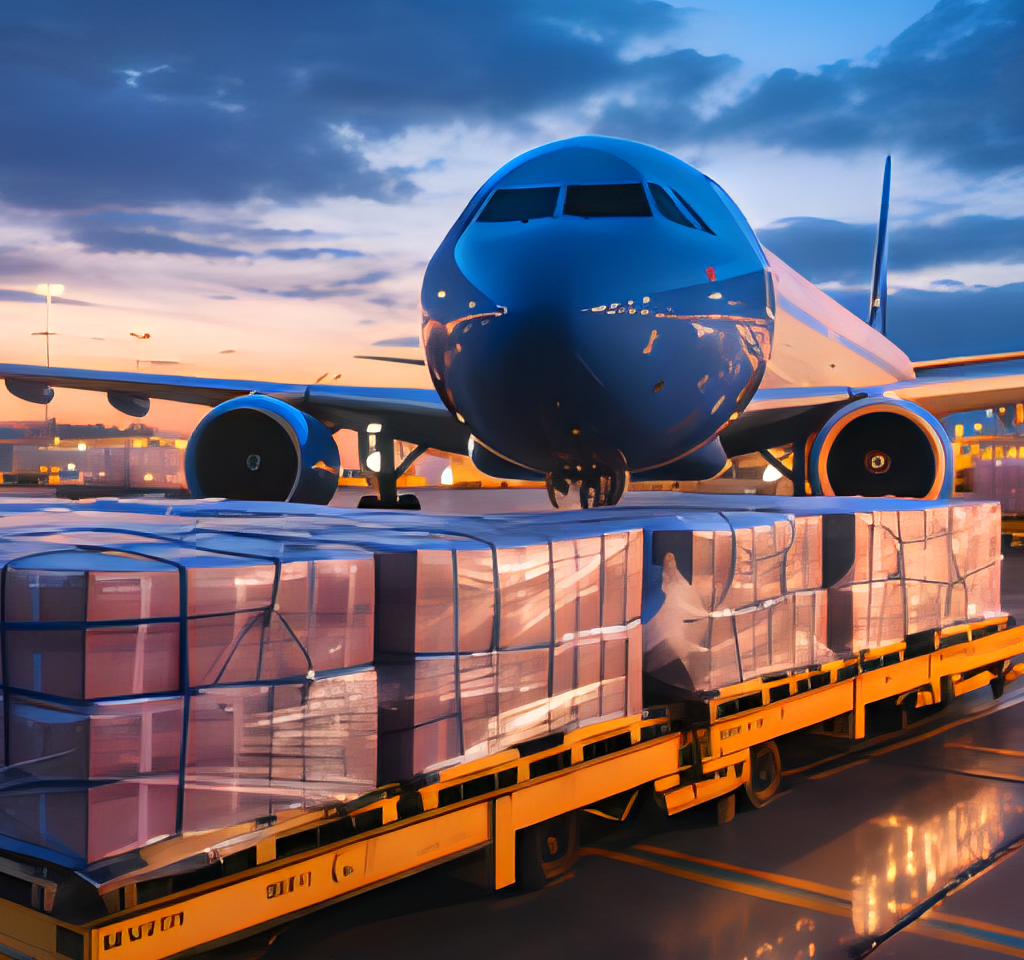
The shipment of goods via airplanes, offering fast delivery times for high-value or time-sensitive cargo.

This comprehensive solution streamlines the shipping process, ensuring efficient and hassle-free delivery.

The process of shipping goods that are loaded individually rather than in containers, typically used for oversized or irregularly shaped cargo.
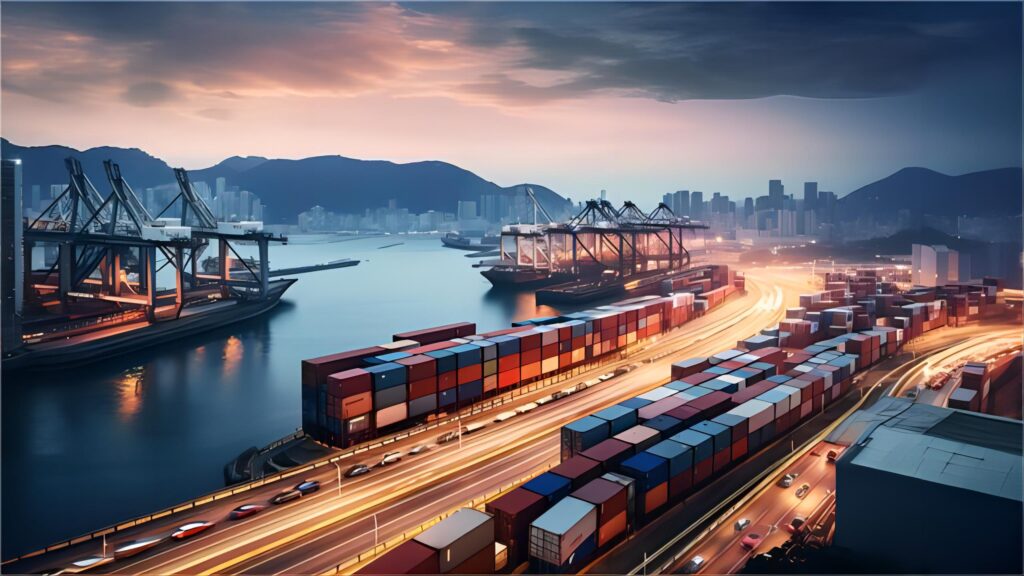
Sea freight from major Chinese ports such as Shanghai, Ningbo, or Shenzhen to Djibouti typically takes 25–40 days port to port. Transit time depends on vessel schedules and whether the shipment requires transshipment. After arrival at Djibouti Port, customs clearance and local delivery may add 5–10 additional days. Air freight usually takes 3–7 days including handling and clearance.
The main transport options include Full Container Load (FCL), Less than Container Load (LCL), air freight, and multimodal logistics solutions. FCL is suitable for large cargo volumes, while LCL helps reduce freight costs for smaller shipments. Air cargo is ideal for urgent or high-value goods. Multimodal transport may combine sea freight with inland trucking or rail services.
Most cargo arrives at Djibouti Port, particularly the Doraleh Container Terminal, which is a major logistics hub in East Africa. Chinese export cargo typically departs from ports such as Shanghai, Guangzhou, Qingdao, or Shenzhen before heading to Djibouti via international shipping routes.
Standard export and import documents include a commercial invoice, packing list, bill of lading (for sea freight) or airway bill (for air freight), and sometimes a certificate of origin. Depending on the cargo category, additional import permits or compliance certificates may be required by Djibouti customs authorities.
Customs clearance begins once the shipment arrives at the port. A licensed customs broker submits the required documents, declares the cargo value, and arranges duty and tax payment. After inspection (if selected), customs releases the cargo for pickup. Accurate HS code classification and correct documentation help avoid delays and storage charges.
Yes, door-to-door logistics services include cargo pickup from the supplier’s warehouse in China, export customs declaration, international freight transport, import customs clearance in Djibouti, and final inland delivery. This integrated service reduces coordination risks and simplifies the supply chain for importers.
Freight rates depend on cargo volume, weight, transport mode, fuel surcharges, and seasonal demand. Sea freight is generally more economical for bulk shipments, while air freight costs significantly more but offers faster transit. Additional charges may include customs duties, port handling fees, documentation fees, and inland transportation costs.
Although not mandatory, cargo insurance is strongly recommended. International sea freight involves risks such as rough weather, port congestion, container damage, or loss during handling. Insurance protects the cargo’s commercial value and reduces financial risk during transit.
Yes, Djibouti functions as a major gateway for landlocked countries, especially Ethiopia. After cargo arrives at Djibouti Port, goods can be transported inland by rail freight or trucking services to Addis Ababa and other regional destinations.
FCL (Full Container Load) means the entire container is reserved for one shipper, offering better cargo security and faster handling. LCL (Less than Container Load) consolidates shipments from multiple shippers into one container, reducing shipping costs but sometimes extending transit time due to consolidation processes.
Peak seasons typically occur before Chinese New Year and during the fourth quarter of the year. During these periods, container availability may be limited, and freight rates may increase due to high export demand. Early booking and shipment planning are essential to secure space and control logistics costs.
To minimize delays, ensure all documents are accurate and submitted in advance, confirm vessel schedules early, work with an experienced freight forwarder, and monitor cargo tracking throughout transit. Proper packaging and compliance with import regulations also help prevent inspection issues and customs holds.
Cargo Insurance provides coverage for goods against loss, damage, or theft during transit, ensuring that the owner receives financial compensation in the event of unforeseen incidents.
Amazon FBA (Fulfillment by Amazon) is a service where sellers store their products in Amazon's warehouses, and Amazon handles the packing, shipping, and customer service.
Customs brokerage is a service that helps importers and exporters clear goods through customs.
Door to door service refers to the transportation of goods directly from the sender's location to the recipient's location, handled entirely by the carrier.
Express service provide fast, time-sensitive delivery of parcels and documents.
DDU term means the seller is responsible for delivering the goods to the buyer’s designated destination, but not for paying import duties and other import fees. The buyer is responsible for customs clearance and paying all applicable duties, taxes, and fees.
DDP term means the seller is responsible for delivering the goods to the buyer’s designated destination and for paying all import duties and other import fees. The buyer only needs to receive the goods, without bearing any additional expenses.
I had a great experience with Top China Freight. Their customer support was quick to respond (even during the Christmas and Holiday season) and provided confirmation shortly after I inquired about shipping items to the destination country. The shipment arrived faster than expected and in great condition.