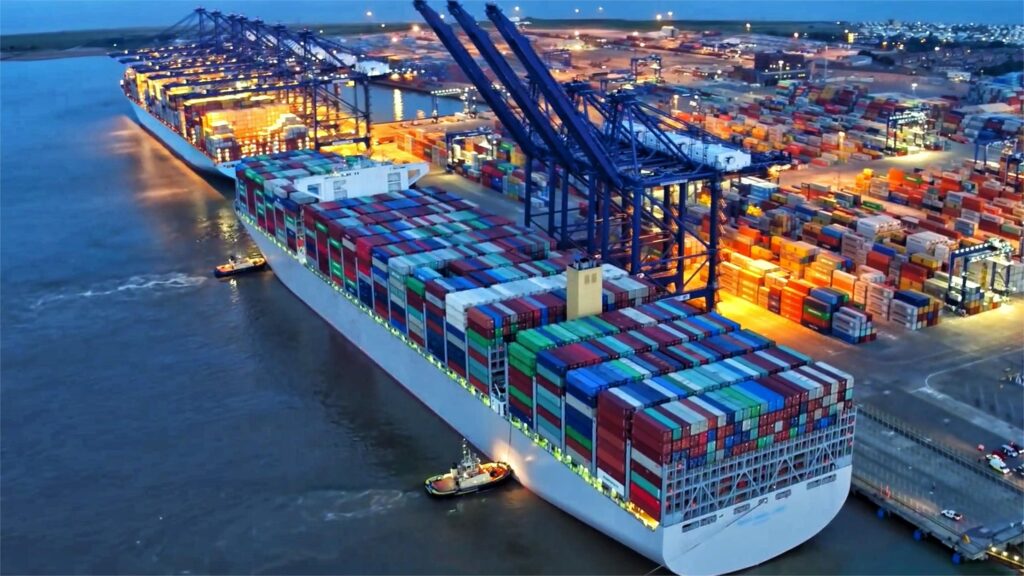
In the Marshall Islands, a small island nation in Oceania situated between Hawaii and Papua New Guinea along major shipping routes, the shipping conditions present unique challenges. With underdeveloped infrastructure, particularly in cities like Majuro, the main port, cargo handling facilities may be limited, potentially impacting the efficiency of goods processing. Delays in transportation to and from the islands may occur due to these infrastructural constraints and the country’s geographical location. Additionally, the transportation networks and road conditions within the islands may not be as advanced, affecting the distribution of goods locally. To mitigate risks associated with weather-related disruptions, such as tropical storms, robust risk management strategies are employed. Effective communication and coordination with local partners are maintained through the use of multilingual tools and a professional team proficient in various languages, ensuring smoother freight processes and successful transportation of goods.
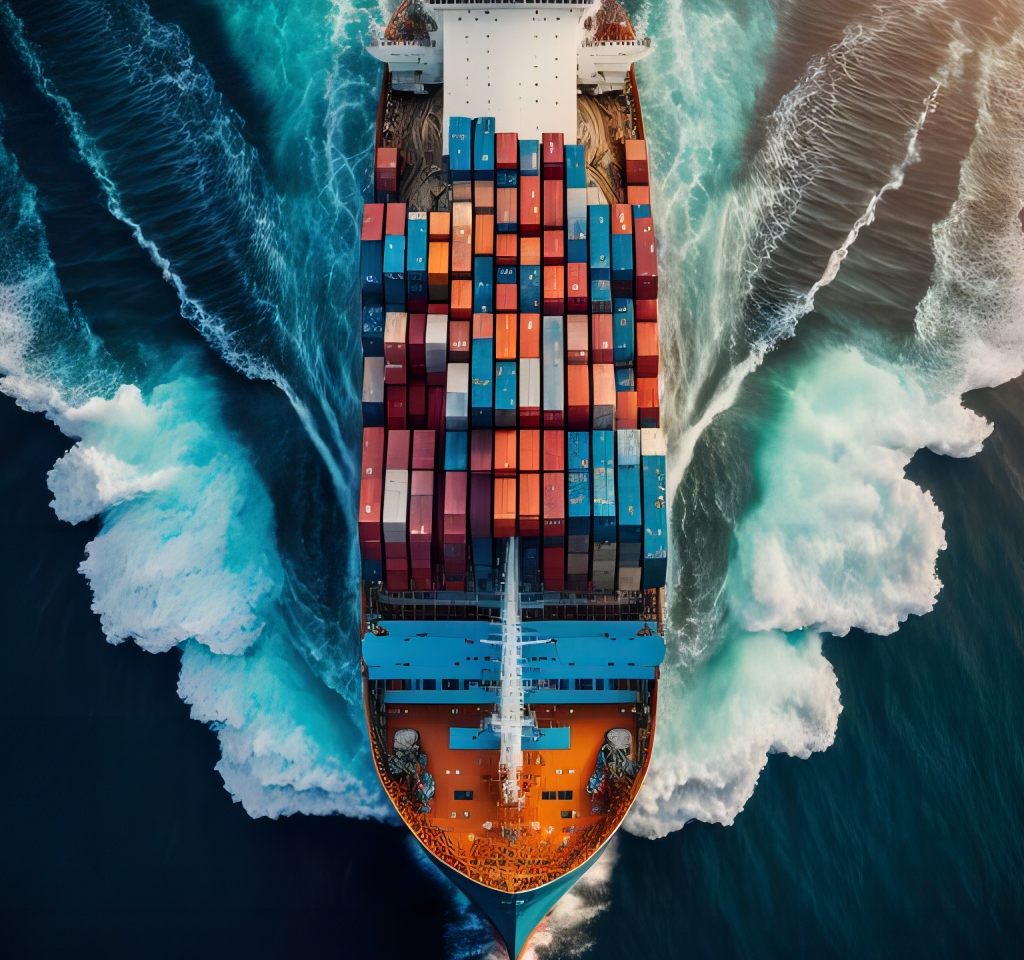
The transportation of goods by cargo ships across oceans, ideal for large volumes and heavy items.
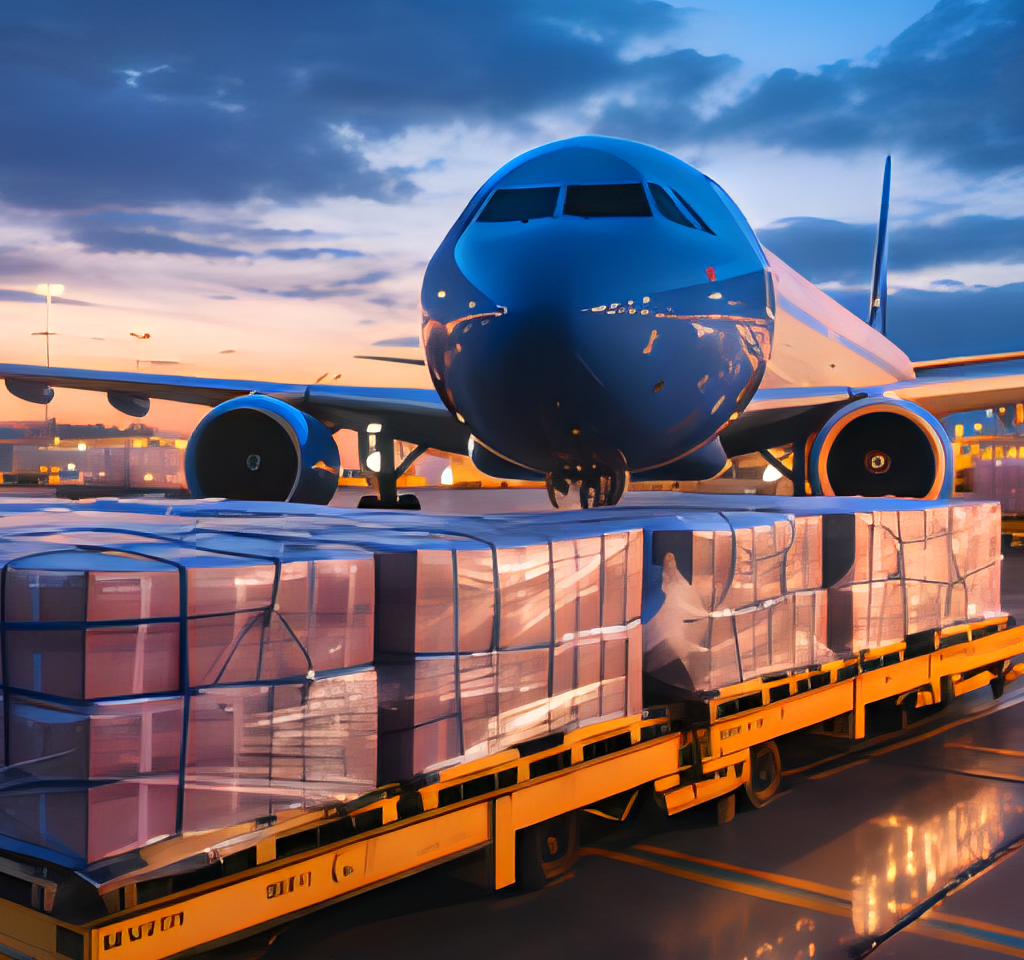
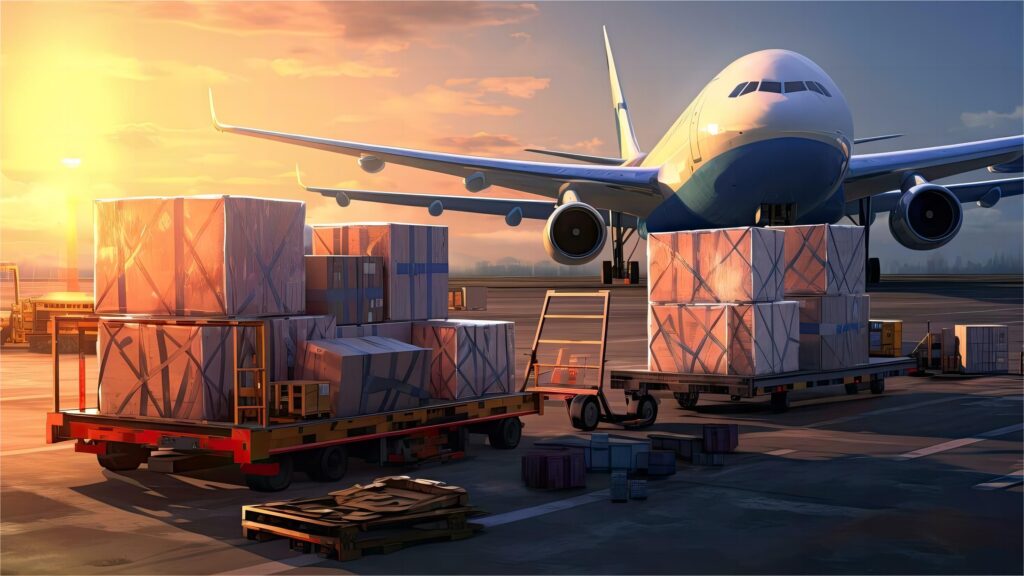
The shipment of goods via airplanes, offering fast delivery times for high-value or time-sensitive cargo.
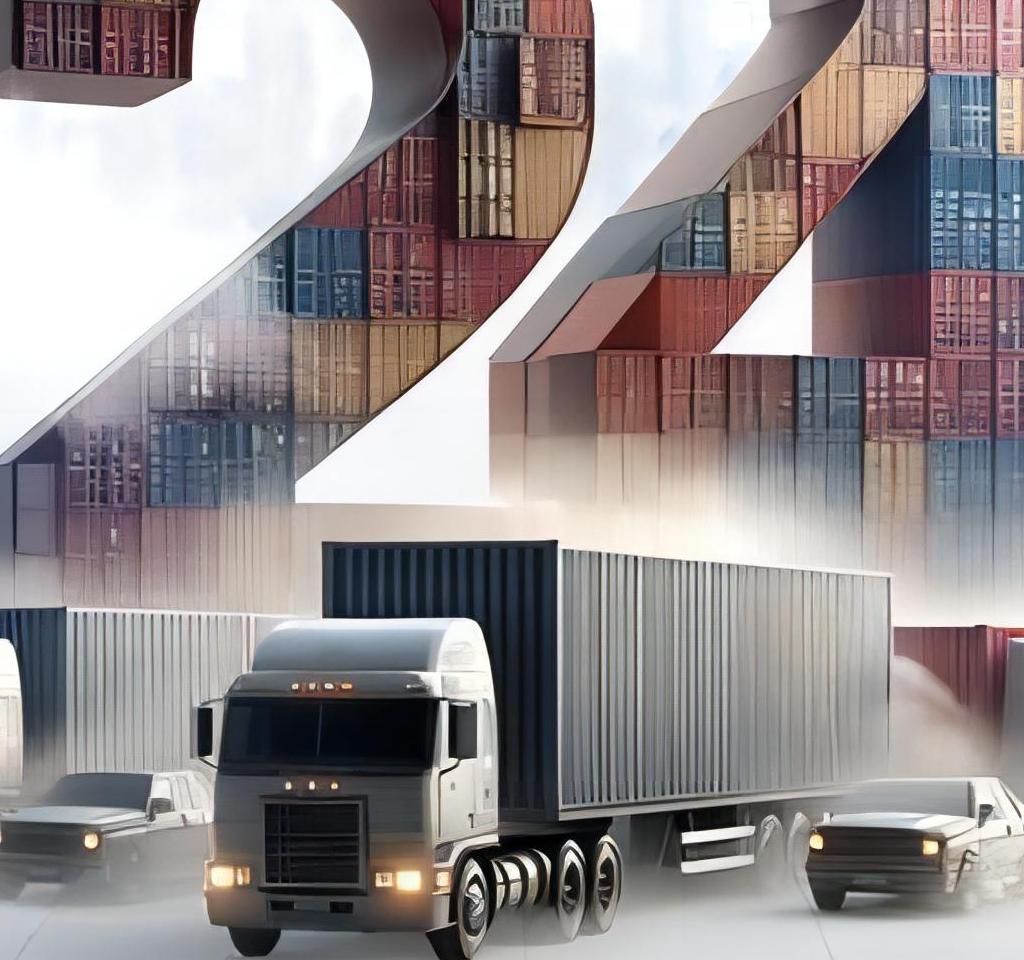
This comprehensive solution streamlines the shipping process, ensuring efficient and hassle-free delivery.
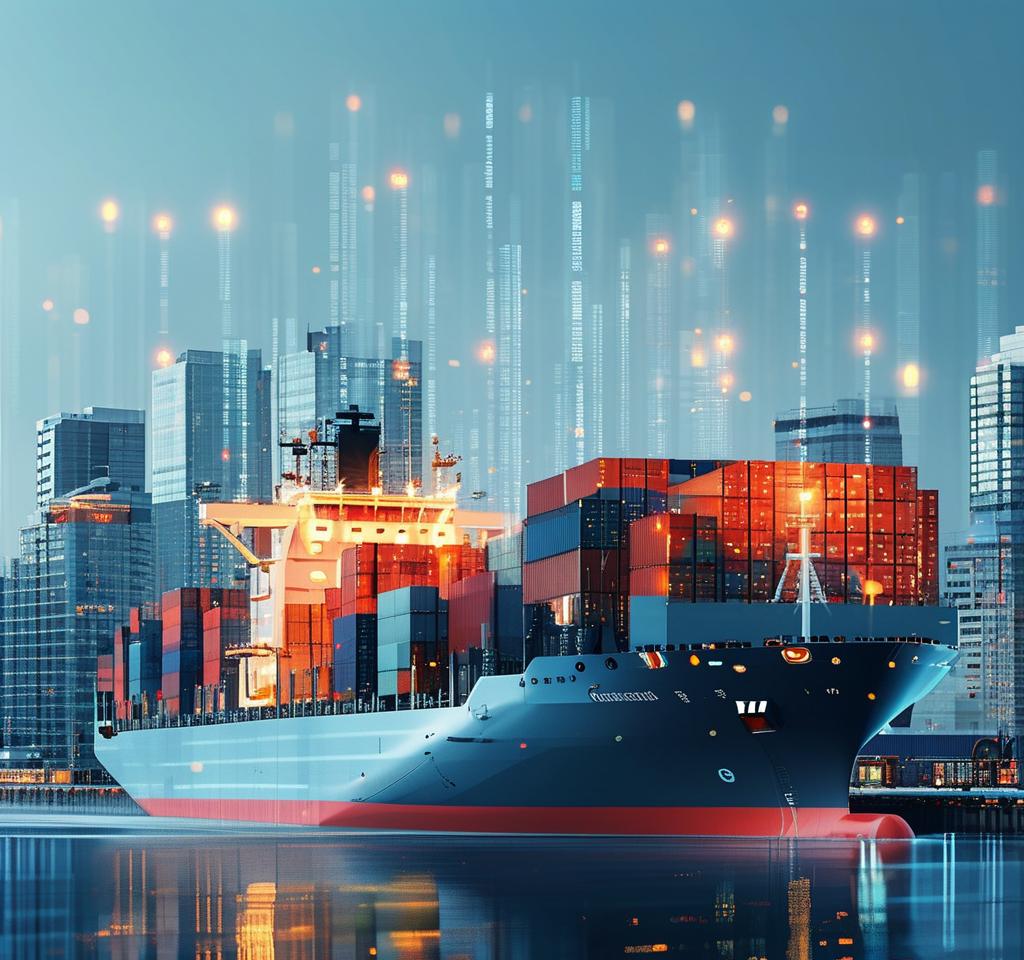
The process of shipping goods that are loaded individually rather than in containers, typically used for oversized or irregularly shaped cargo.
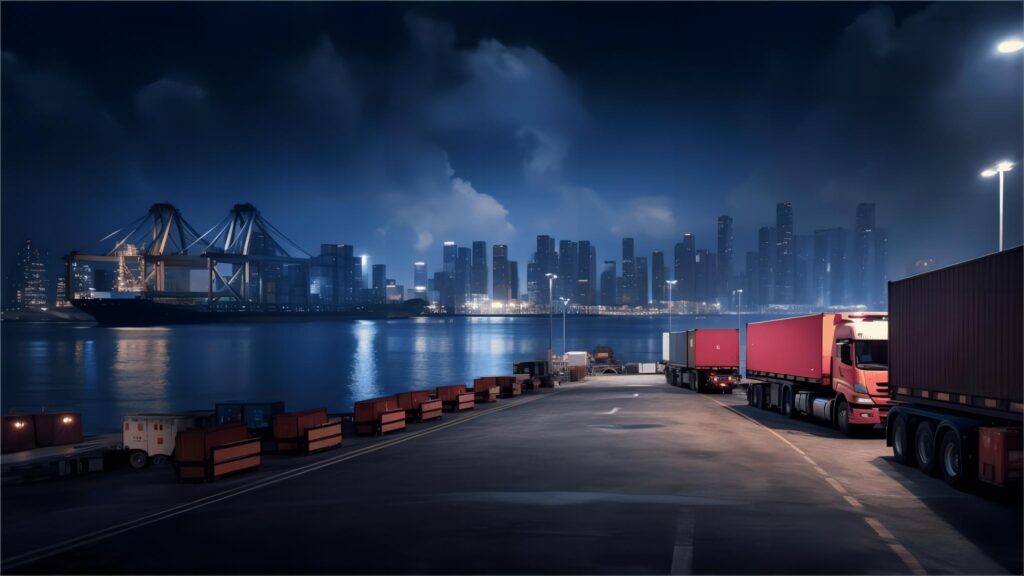
Weather-related risks, including tropical storms, are carefully monitored and managed to minimize disruptions to shipping schedules and ensure the safety of cargo transportation. We closely track weather forecasts and proactively adjust shipping schedules to avoid areas affected by adverse weather conditions. Additionally, we adhere to strict safety protocols and regulations to safeguard both personnel and cargo during transit. In the event of severe weather conditions, we have contingency plans in place to reroute shipments or temporarily halt operations until conditions improve.
To address cultural and language differences, we prioritize effective communication and coordination with local partners in the Marshall Islands. Our team consists of multilingual professionals who are proficient in various languages spoken in the region. We also invest in cultural sensitivity training to foster understanding and respect for local customs and practices. Regular communication channels are established to ensure seamless coordination with local partners, and we leverage technology to facilitate real-time information exchange and collaboration. By fostering strong relationships built on trust and mutual respect, we ensure smooth logistics operations and successful cargo transportation in the Marshall Islands.
Cargo is mainly transported by sea freight using container shipping routes across the Pacific Ocean. Because the Marshall Islands are a remote island country, shipments often pass through transshipment hubs such as Busan, Guam, or Honolulu before continuing on feeder vessels. Air freight is also available for urgent or smaller shipments.
Yes. Businesses with smaller cargo volumes can use LCL (Less than Container Load) sea freight services. This consolidation method allows several shipments to share the same container, helping reduce transportation costs for smaller loads.
Common shipping documents include a commercial invoice, packing list, and bill of lading or airway bill. Additional documents may be required depending on the product type, including certificates of origin or inspection documentation.
Yes. All cargo entering the country must go through customs inspection. Import duties and taxes may apply depending on the product category and the declared value of the shipment.
Shipping costs depend on cargo size, weight, shipping method, container type, and route distance. Additional factors such as transshipment fees, port handling charges, and seasonal shipping demand can also affect the total cost.
Cargo Insurance provides coverage for goods against loss, damage, or theft during transit, ensuring that the owner receives financial compensation in the event of unforeseen incidents.
Amazon FBA (Fulfillment by Amazon) is a service where sellers store their products in Amazon's warehouses, and Amazon handles the packing, shipping, and customer service.
Customs brokerage is a service that helps importers and exporters clear goods through customs.
Door to door service refers to the transportation of goods directly from the sender's location to the recipient's location, handled entirely by the carrier.
Express service provide fast, time-sensitive delivery of parcels and documents.
DDU term means the seller is responsible for delivering the goods to the buyer’s designated destination, but not for paying import duties and other import fees. The buyer is responsible for customs clearance and paying all applicable duties, taxes, and fees.
DDP term means the seller is responsible for delivering the goods to the buyer’s designated destination and for paying all import duties and other import fees. The buyer only needs to receive the goods, without bearing any additional expenses.
I had a great experience with Top China Freight. Their customer support was quick to respond (even during the Christmas and Holiday season) and provided confirmation shortly after I inquired about shipping items to the destination country. The shipment arrived faster than expected and in great condition.