shipping

Tuvalu

shipping

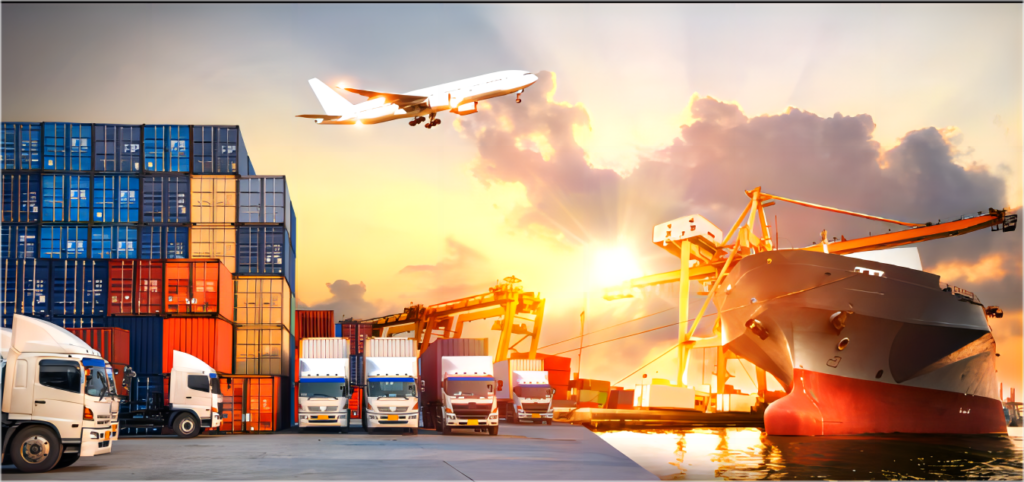
Tuvalu is an ultra-small island nation in Oceania, with limited land area but strategic geographic importance for cargo transportation. Despite its underdeveloped economy, Tuvalu’s infrastructure is relatively weak, presenting challenges for cargo shipping. The main city and port, Funafuti Port, is crucial for cargo operations, but its remote location away from major international shipping routes means that transporting goods to and from other countries may incur longer transit times and higher costs.

services

choose our service

services

img

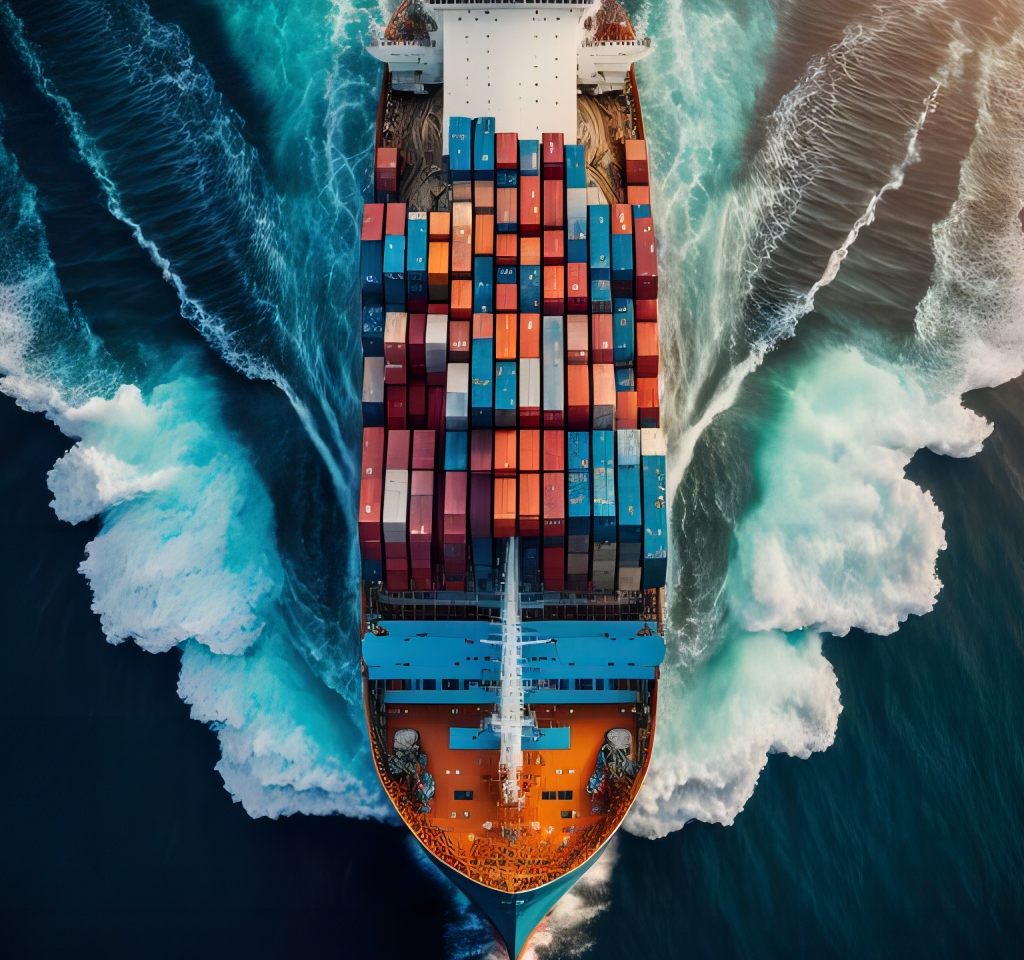
Sea freight

The transportation of goods by cargo ships across oceans, ideal for large volumes and heavy items.
img

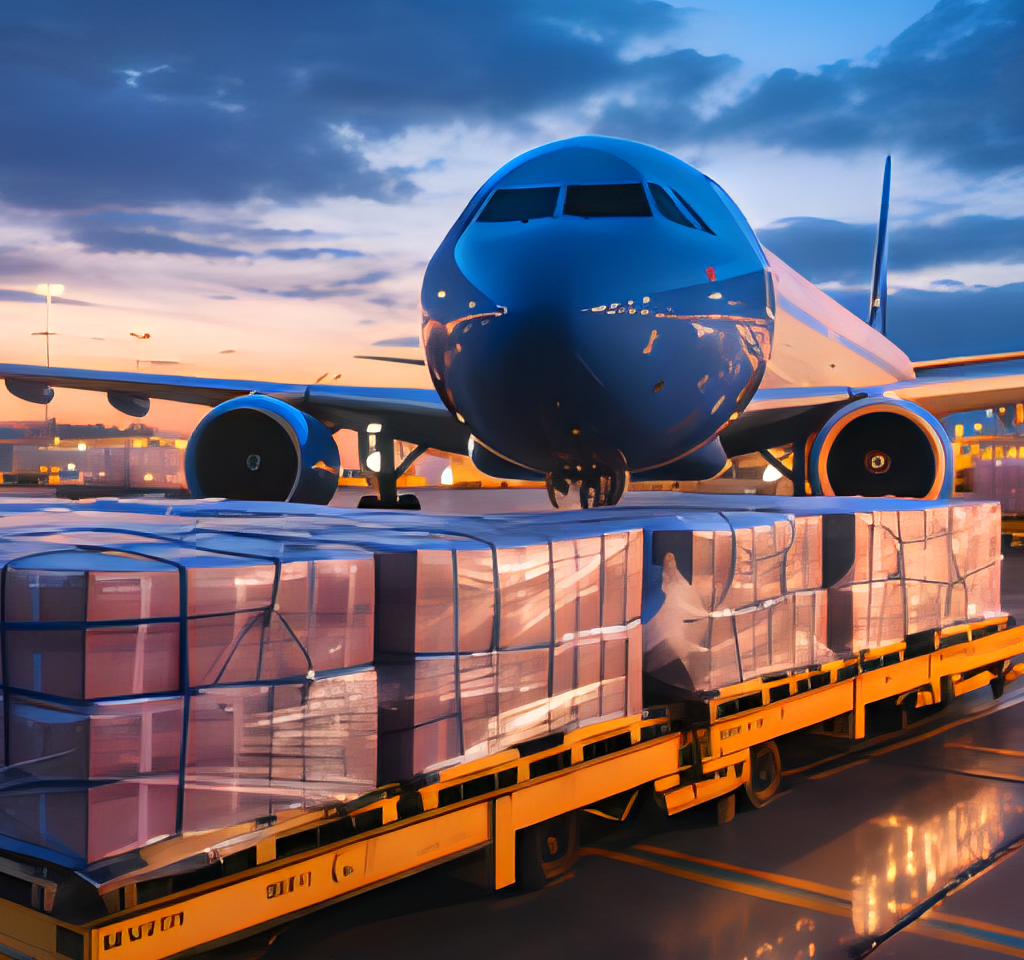
air freight

The shipment of goods via airplanes, offering fast delivery times for high-value or time-sensitive cargo.

img

DOOR TO DOOR

This comprehensive solution streamlines the shipping process, ensuring efficient and hassle-free delivery.

img

break bulk

The process of shipping goods that are loaded individually rather than in containers, typically used for oversized or irregularly shaped cargo.
FAQ

Problems you may encounter

  • The limited infrastructure at Funafuti Port can lead to several challenges:
    • Limited Storage Capacity: This can cause delays in loading and unloading.
    • Handling Equipment: Lack of modern handling equipment can slow down operations.
    • Customs Clearance: Complex customs procedures can cause further delays.
  • To address these challenges, it is recommended to work with experienced logistics providers who understand local conditions. For more information on managing these challenges, visit our TopChinaFreight page.
  • Extended transit times to and from Tuvalu can significantly impact logistics planning and costs:
    • Increased Shipping Costs: Longer transit times can increase fuel and operational costs.
    • Inventory Management: Extended transit times require better inventory management to avoid stockouts.
    • Insurance Costs: Higher insurance premiums may be required due to longer transit times.
  • To manage these impacts, it is crucial to:
    • Optimize shipping routes.
    • Use reliable shipping partners.
    • Regularly monitor transit times and adjust schedules accordingly.
    • For more details on optimizing shipments, check out our Sea Freight section.
  • Addressing inefficiencies in cargo handling and distribution requires strategic measures:
    • Robust Packaging: Using high-quality packaging materials to protect goods from rough handling.
    • Climate-Controlled Containers: Using containers that maintain a stable temperature and humidity.
    • Regular Monitoring: Keeping track of the condition of goods during transit.
    • Coordination with Local Partners: Working closely with local logistics partners who understand the local conditions.
    • For tips on navigating these challenges, explore our Air Freight guide.

To overcome language and cultural barriers when coordinating with local partners in Tuvalu, several communication strategies can be employed. Hiring bilingual staff or translators is a practical approach to ensuring clear communication. Additionally, providing cultural sensitivity training for employees helps them understand and navigate cultural differences more effectively.

Utilizing technology-enabled communication tools, such as video conferencing and instant messaging, can further enhance collaboration and real-time interaction. Building strong relationships rooted in mutual respect and understanding is crucial for effective communication with local partners.

Taking the time to learn about the local culture and customs also plays a significant role in fostering trust and cooperation. By combining these strategies, we can create a collaborative and respectful working environment that strengthens partnerships in Tuvalu.


To mitigate the impact of weather disruptions on cargo transportation to and from Tuvalu, proactive contingency plans are essential. Regularly monitoring weather forecasts allows us to adjust sailing schedules in advance, ensuring vessels avoid severe weather systems. Rerouting ships when necessary can also help prevent delays and minimize risks.

Securing cargo and port facilities ahead of anticipated storms is another critical step to safeguard goods and equipment. Additionally, keeping open lines of communication with key stakeholders—such as shipping companies, port authorities, and local officials—ensures coordinated emergency responses and the safety of both personnel and cargo.

By staying prepared and maintaining strong communication, we can effectively manage weather-related risks and ensure smooth cargo operations in Tuvalu, even in challenging conditions.

Yes, LCL shipping is commonly used when businesses need to ship smaller quantities of goods. Freight forwarders consolidate cargo from multiple exporters into one container at a warehouse near major Chinese ports. Once the container is filled, it is shipped by ocean carrier to a regional hub port before being transferred to a feeder vessel that continues to Tuvalu. This approach allows companies to reduce shipping costs by paying only for the space their cargo occupies in the container.

Cargo destined for Tuvalu usually departs from large Chinese ports that handle international container shipping. The most commonly used export ports include Shanghai, Ningbo, Shenzhen, Guangzhou, and Qingdao. These ports offer strong global shipping connections and regular departures to Asia-Pacific transshipment hubs, which then distribute cargo to smaller island destinations such as Tuvalu.

Tuvalu has a very small cargo volume and limited port infrastructure, so direct international shipping routes from China are rare. As a result, containers typically travel first to regional logistics hubs such as Suva (Fiji), Brisbane (Australia), or Auckland (New Zealand). At these ports, cargo is transferred from large container vessels to smaller feeder ships that serve Pacific island routes. Although this process adds additional handling time, it ensures reliable cargo transportation to remote destinations.

Several documents are required for international freight and customs clearance. The most common documents include a commercial invoice, packing list, and bill of lading for sea freight shipments or an airway bill for air cargo. Depending on the type of goods being shipped, authorities may also require a certificate of origin, fumigation certificate, or other inspection documents. Proper paperwork helps avoid delays and ensures smooth customs processing.

Shipping costs vary depending on cargo size, weight, shipping method, and seasonal freight rates. Sea freight charges are usually calculated per container (FCL) or per cubic meter (LCL). Additional costs may include port handling fees, customs clearance charges, documentation fees, and inland delivery expenses. Air freight pricing is generally calculated per kilogram and is typically much higher than ocean freight rates.

sea freight
top china freight
Freight Forwarding
Open top shipping container being loaded at a port in China
services

WHAT ELSE CAN WE DO?

services

img

Fcl&lcl

FCL (Full Container Load) refers to shipping full containers of goods, while LCL (Less than Container Load) refers to shipping consolidated goods in a shared container.

img

Cargo Insurance

Cargo Insurance provides coverage for goods against loss, damage, or theft during transit, ensuring that the owner receives financial compensation in the event of unforeseen incidents.

img

Amazon FBA

Amazon FBA (Fulfillment by Amazon) is a service where sellers store their products in Amazon's warehouses, and Amazon handles the packing, shipping, and customer service.

img

Customs Brokerage

Customs brokerage is a service that helps importers and exporters clear goods through customs.


img

door to door

Door to door service refers to the transportation of goods directly from the sender's location to the recipient's location, handled entirely by the carrier.

img

Express Service

Express service provide fast, time-sensitive delivery of parcels and documents.


DDU (Delivered Duty Unpaid)

DDU term means the seller is responsible for delivering the goods to the buyer’s designated destination, but not for paying import duties and other import fees. The buyer is responsible for customs clearance and paying all applicable duties, taxes, and fees.

DDP (Delivered Duty Paid)

DDP term means the seller is responsible for delivering the goods to the buyer’s designated destination and for paying all import duties and other import fees. The buyer only needs to receive the goods, without bearing any additional expenses.

comments

What everyone thinks

Consistently Satisfied for Years

I signed up with Top China Freight years ago ( in the early days I believe) and have been a regular customer with the Germany, UK and US warehouse facilities. I have had many irregular and demanding situations over the years and I can honestly say that Top China Freight has consistently delivered valuable service at a reasonable cost and I am truly grateful. Sometimes they even went out of their way to suggest a better solution for my situation.  I rarely leave reviews but have been so impressed over the years of service that I feel compelled to leave this review. Thank you to all the staff at Top China Freight!

Vesna K.

Amazing Experience Couldn’t recommend this company enough.

The process is very simple and the communication is the best I’ve ever used. Lawrence helped me out massively and gave me constant updates on any issues I had at all. Would definitely use them again.

Adam G.

Great experience!

I had a great experience with Lawrence! He was incredibly kind and helpful, patiently addressing all my questions and making sure I understood everything clearly. His excellent service really made a difference, and I truly appreciate his support. Highly recommend!

Edgar D.