shipping

Samoa

shipping

As a freight agent for Top China Freight, I am pleased to provide an objective overview of shipping conditions to Samoa. This Oceanian island nation has limited economic development and infrastructure, with Apia Port serving as its major city and primary port. Despite infrastructure challenges, Apia Port remains vital to Samoa’s trade and logistics.

Given Samoa’s island geography, maritime shipping is the main transportation method, with the nation separated from Fiji by the sea. This reliance on sea transport makes weather and ocean conditions influential factors, sometimes introducing uncertainties in shipping schedules.

Top China Freight actively collaborates with local partners to address any logistical issues that may arise, ensuring the safe, efficient delivery of goods. We offer professional advice and support to optimize the transportation process and reduce potential risks, helping clients navigate the unique challenges of island shipping.


services

choose our service

services

img

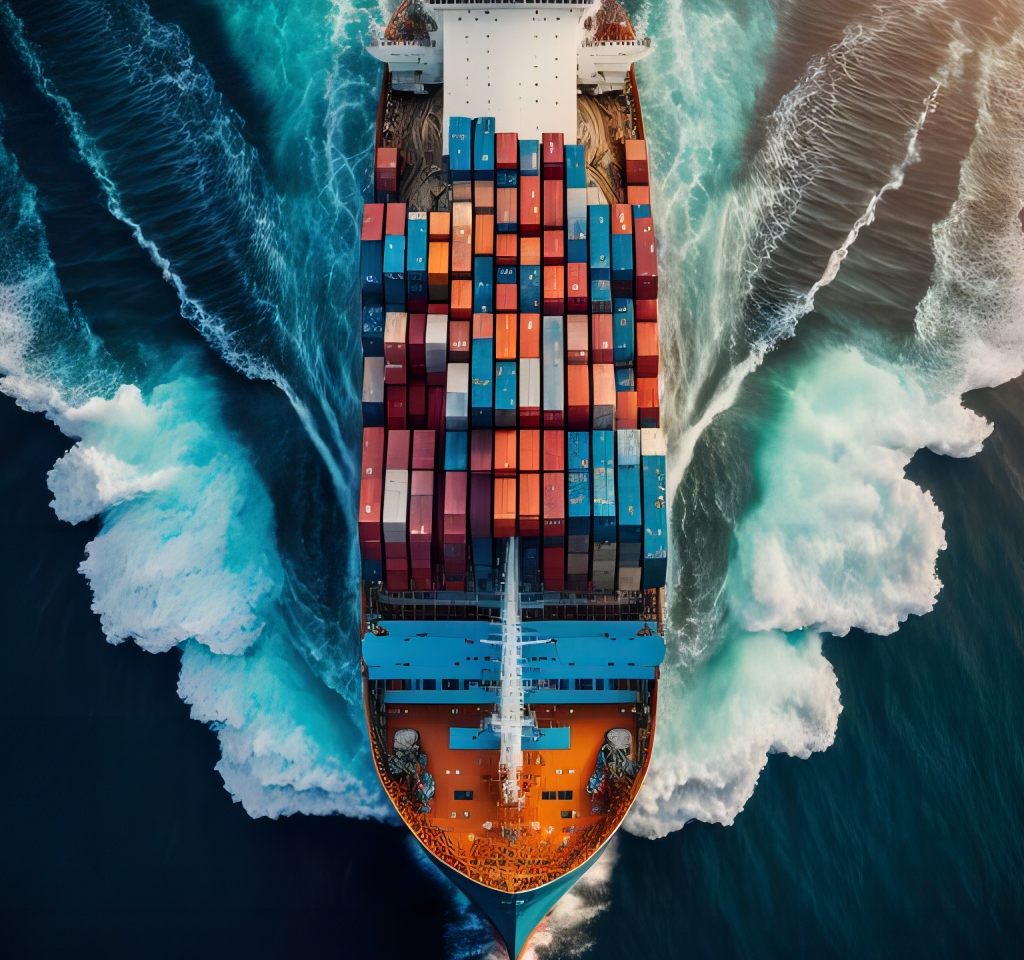
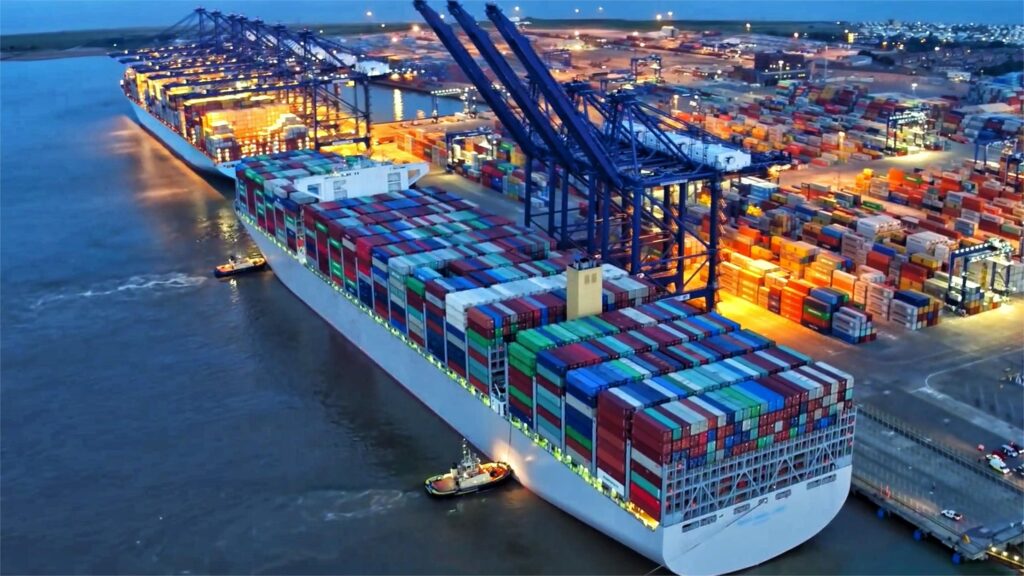
Sea freight

The transportation of goods by cargo ships across oceans, ideal for large volumes and heavy items.
img

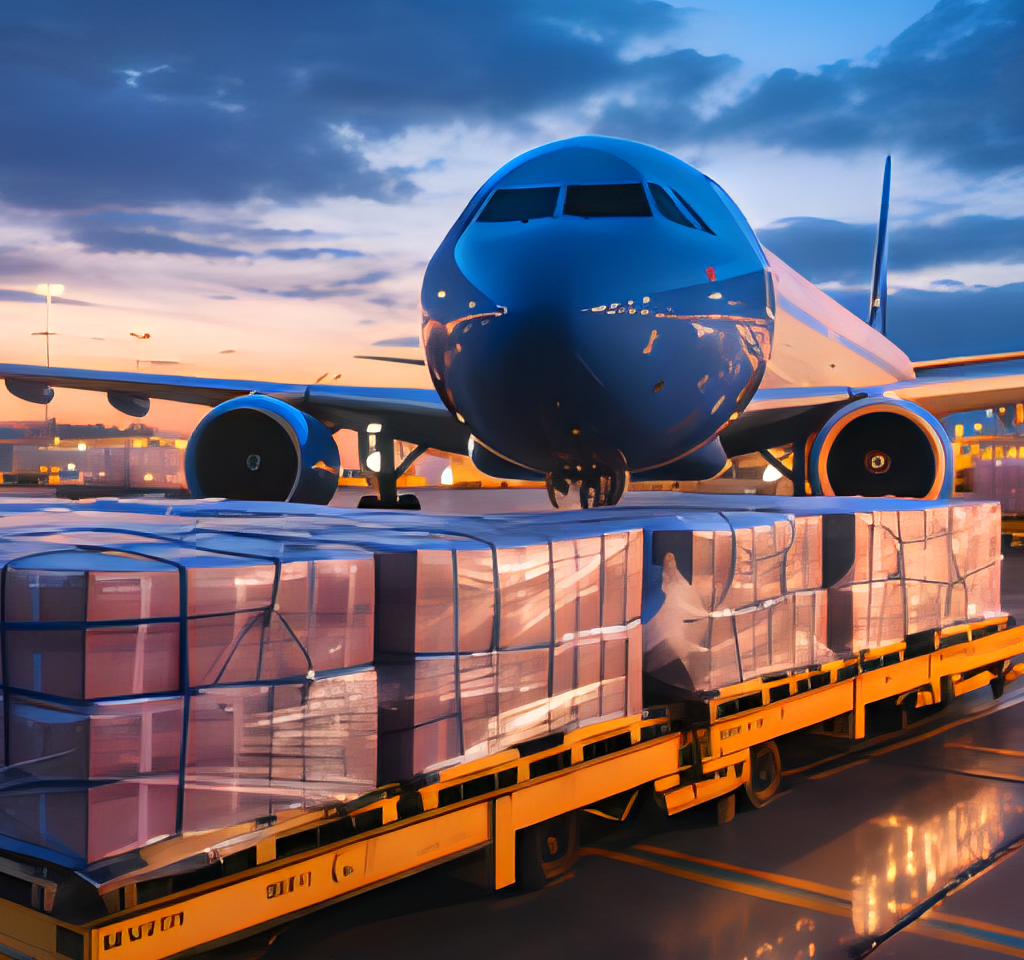
air freight

The shipment of goods via airplanes, offering fast delivery times for high-value or time-sensitive cargo.
img

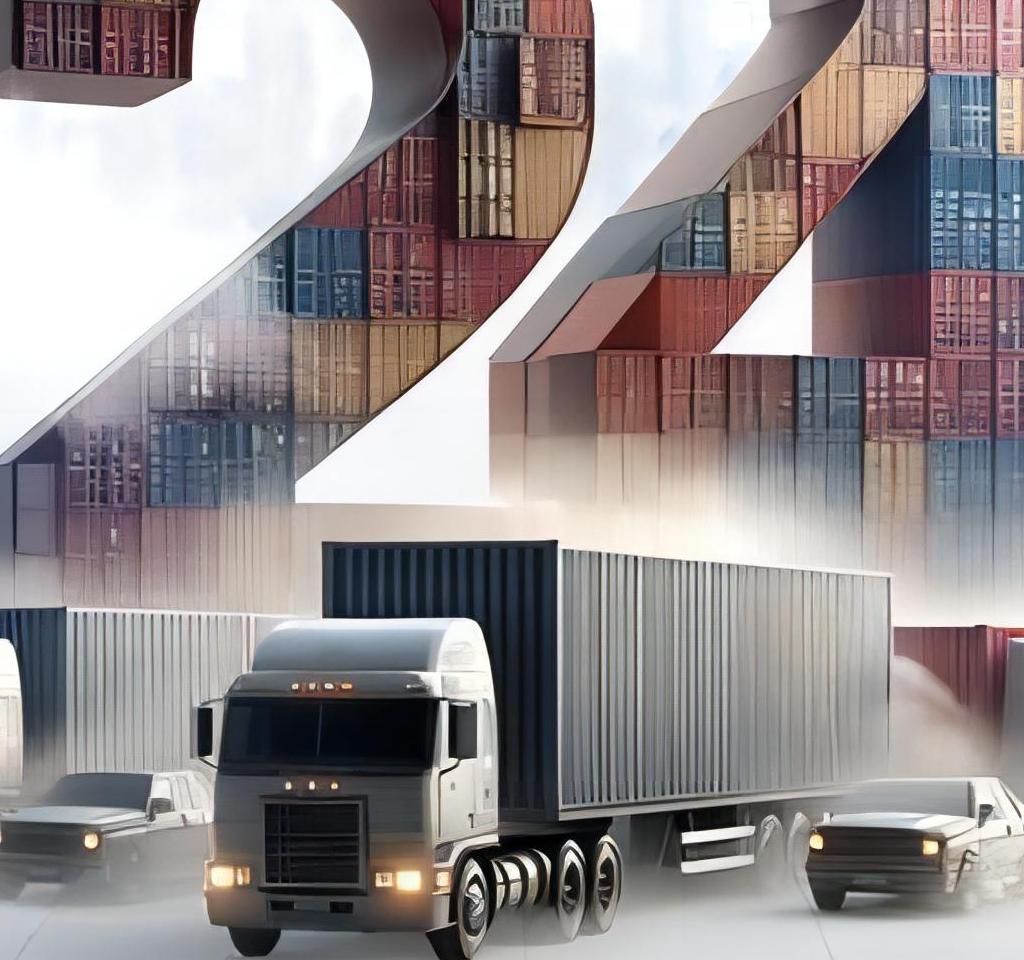
DOOR TO DOOR

This comprehensive solution streamlines the shipping process, ensuring efficient and hassle-free delivery.
img

break bulk

The process of shipping goods that are loaded individually rather than in containers, typically used for oversized or irregularly shaped cargo.
FAQ

Problems you may encounter

  • Limited infrastructure at Apia Port can lead to several issues such as delays in loading and unloading, potential damage to cargo, and reduced efficiency. To ensure safety and efficiency, it is crucial to:
    • Use experienced logistics providers who understand the local conditions.
    • Ensure proper packaging and handling of goods.
    • Plan shipments well in advance to avoid peak times.
    • For more detailed information on handling these challenges, visit our TowpChinaFreight page.
  • The maritime climate in Samoa can be unpredictable due to tropical storms and seasonal weather changes. These conditions can significantly affect maritime transportation by causing delays, disruptions, and potential damage to cargo. Preventive measures include:
    • Using robust packaging materials to protect against moisture and rough handling.
    • Choosing reliable shipping routes that minimize exposure to adverse weather conditions.
    • Regularly monitoring weather forecasts and adjusting schedules accordingly.
    • For more information on managing these risks, check out our Sea Freight section.
  • Customs clearance at Apia Port can be complex due to specific regulations and requirements. The main documents required include:
    • Commercial invoice
    • Packing list
    • Bill of lading
    • Certificate of origin
    • Import permit (if applicable)
  • Coordination with local customs requires:
    • Ensuring all documentation is accurate and complete.
    • Working with experienced customs brokers who understand local procedures.
    • Maintaining clear communication with local partners.
    • For tips on optimizing customs clearance, explore our Air Freight guide.

To ensure the safety of goods during sea transportation, sturdy packaging should be used, and goods should be securely fixed within containers. Additionally, selecting reputable shipping companies and purchasing appropriate insurance can help mitigate potential risks.

Language and cultural differences may present communication barriers. To facilitate effective communication, professional translation or communication services should be sought, and clear communication channels should be established. Building good relationships with local partners and maintaining timely communication are essential to ensure smooth goods transportation processes.

Transit time depends on the transport mode and port schedule. Sea freight from major Chinese ports like Shanghai or Shenzhen to Apia usually takes 18–30 days, including transshipment.

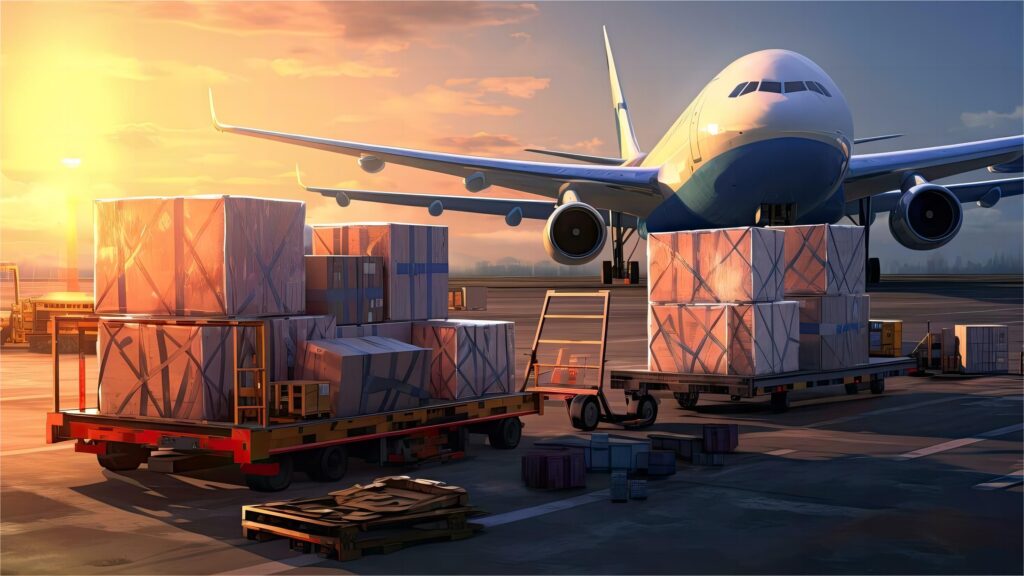
Because Samoa is a Pacific island nation, LCL and FCL sea freight are the most common solutions. Air freight is available but mainly used for urgent or high-value cargo.

Transit time for cargo shipped from China to Samoa mainly depends on the shipping method and route arrangement. Sea freight is the most common option, and shipments departing from major Chinese ports such as Shanghai, Ningbo, or Shenzhen normally take about 20–35 days to reach Apia Port. Because Samoa is a small island market, containers often pass through regional hub ports such as Auckland, Brisbane, or Singapore before final delivery. Air freight is much faster and generally takes 5–8 days including cargo handling and customs clearance, but the cost is significantly higher and usually reserved for urgent or high-value shipments.

Several international freight solutions are available when moving goods from China to Samoa. The most widely used option is sea freight, which supports both FCL (Full Container Load) and LCL (Less than Container Load) shipments for bulk cargo, machinery, construction materials, and retail products. Businesses that need faster delivery can choose air freight, which departs from airports such as Guangzhou, Shanghai, or Hong Kong and connects to Samoa through regional transit airports. Many logistics providers also offer door-to-door shipping services, handling cargo pickup, export customs clearance, international transport, and final delivery to the consignee.

Yes, LCL shipping is commonly used for small and medium-sized shipments heading to Samoa. With Less than Container Load consolidation, multiple exporters share space within the same container, allowing businesses to transport smaller cargo volumes without paying for a full container. This method significantly reduces shipping costs for lightweight or partial shipments. LCL cargo is first consolidated at Chinese logistics warehouses near major ports, then loaded into containers and transported by ocean freight to Samoa through a transshipment hub before being unpacked and delivered to the final receiver.

Cargo bound for Samoa is typically exported through China’s large international shipping ports, including Shanghai Port, Ningbo Port, Shenzhen Port, and Guangzhou Port. These ports have strong container shipping networks and frequent departures to major transshipment hubs in the Asia-Pacific region. Freight forwarders usually select the port based on the supplier’s factory location, container availability, shipping schedule, and the carrier’s route. Choosing a port close to the cargo origin can also reduce inland trucking costs and improve overall logistics efficiency.

Samoa is a relatively small market in the South Pacific, so global shipping lines rarely operate direct container services from China. Instead, most containers are transshipped at major regional ports such as Auckland (New Zealand), Brisbane (Australia), or Singapore. At these hubs, containers are transferred from the main ocean vessel to a smaller feeder vessel that sails to Apia Port. Although this extra step adds several days to the shipping schedule, it allows carriers to maintain efficient cargo distribution to island destinations across the Pacific.

International shipments from China to Samoa require several standard shipping documents for export and import customs procedures. These usually include a commercial invoice, packing list, and bill of lading or airway bill issued by the shipping carrier. Depending on the cargo type, additional documents such as certificate of origin, fumigation certificate, or import permit may also be required. Proper documentation ensures smooth customs clearance at both the departure port in China and the arrival port in Samoa.

sea freight
top china freight
air freight
Heavy machinery being unloaded from a flatbed truck at a warehouse
services

WHAT ELSE CAN WE DO?

services

img

Fcl&lcl

FCL (Full Container Load) refers to shipping full containers of goods, while LCL (Less than Container Load) refers to shipping consolidated goods in a shared container.

img

Cargo Insurance

Cargo Insurance provides coverage for goods against loss, damage, or theft during transit, ensuring that the owner receives financial compensation in the event of unforeseen incidents.

img

Amazon FBA

Amazon FBA (Fulfillment by Amazon) is a service where sellers store their products in Amazon's warehouses, and Amazon handles the packing, shipping, and customer service.

img

Customs Brokerage

Customs brokerage is a service that helps importers and exporters clear goods through customs.


img

door to door

Door to door service refers to the transportation of goods directly from the sender's location to the recipient's location, handled entirely by the carrier.

img

Express Service

Express service provide fast, time-sensitive delivery of parcels and documents.


DDU (Delivered Duty Unpaid)

DDU term means the seller is responsible for delivering the goods to the buyer’s designated destination, but not for paying import duties and other import fees. The buyer is responsible for customs clearance and paying all applicable duties, taxes, and fees.

DDP (Delivered Duty Paid)

DDP term means the seller is responsible for delivering the goods to the buyer’s designated destination and for paying all import duties and other import fees. The buyer only needs to receive the goods, without bearing any additional expenses.

comments

What everyone thinks

Very reliable!

Top China Freight is very reliable and the rates are great!

man
Candice cock

Exceptional Handling and Timely Deliveries

I’ve entrusted Top China Freight Company with my shipments, and they consistently exceed expectations. Their meticulous handling ensures that each package arrives on time and in perfect condition, providing peace of mind with every delivery.

man
Kareem h.

Amazing Experience Couldn’t recommend this company enough.

The process is very simple and the communication is the best I’ve ever used. Lawrence helped me out massively and gave me constant updates on any issues I had at all. Would definitely use them again.

Adam G.