

Trusted International Freight Forwarder: Master Your Global
A trusted international freight forwarder is a licensed logistics partner that secures carrier space, owns export documentation accuracy, and keeps free-time and exception SLAs auditable for China export shipments. Researching International Freight Programs often exposes buyers to opaque quotes where transit promises, fee lines, and compliance duties are blended together. The gap usually comes from missing Incoterm boundaries, incomplete shipment profiles, or mode advice never validated against cargo-ready timing. Working alongside a scoped specialist like Top China Freight turns fragmented quotes into auditable booking decisions. This 2026 handbook outlines practical checkpoints and landed-cost questions so corridor decisions stay comparable.
Key Takeaways
Definition: trusted international freight forwarder = licensed China export forwarder for booking, filings, and free-time SLAs.
Lock documents and Incoterms early for trusted international freight forwarder.
Confirm handoff SLAs and exception paths before cutoffs.
What Regulatory Credentials and Licensing Must a International Freight Programs Freight Forwarder Hold?

Claims exposure on International Freight Programs rises when cargo condition evidence is assembled only after damage is discovered. Shippers should lock surveyor notice windows, photo protocols at CY gate-in and delivery, and cargo insurance assumptions before award. Exception reports must tie seal numbers, carton counts, and temperature logs to the commercial invoice so recovery paths remain enforceable. Confirm whether all-risk or named-perils coverage applies to peak-season handoffs and who pays survey fees under the service agreement. Treat claims readiness as an ops milestone, not a post-loss scramble. Publish a rollover contingency path for blank sailings and feeder congestion so peak capacity awards stay auditable. Defend destination free time with pre-alerts, broker SLAs, and delivery appointment locks before demurrage clocks start.
A trusted international freight forwarder must demonstrate active industry certifications that validate their operational integrity and financial stability. At a minimum, look for WCA, IATA, or FIATA accreditation, which serve as global benchmarks for standardized service quality and network reliability. These credentials indicate that the partner operates under formalized codes of conduct, ensuring that your cargo is managed by an entity that adheres to international legal frameworks rather than an unvetted intermediary lacking institutional oversight. Beyond global memberships, the forwarder must hold specific local freight licensing at your origin Global to legally execute a Standard Export Declaration and manage commercial documentation.
Without these local permits, the forwarder cannot interface directly with customs authorities, often leading to delays caused by third-party subcontracting. Verification of these licenses ensures that your provider maintains direct control over the filing process, reducing the risk of administrative errors that could stall your shipments at the port of exit. Compliance with Universal Trade Standards, including SOLAS weight verification and WCO documentation mandates, is non-negotiable for smooth transit. Your partner should seamlessly integrate the Commercial Invoice, Packing List, and Bill of Lading into a unified electronic submission, preventing discrepancies that trigger customs audits. By maintaining a clean record with regulatory bodies, a qualified forwarder protects your goods from inspection-related bottlenecks, effectively acting as an extension of your own internal trade compliance department throughout the entire international movement. See sea freight for options that match this corridor.
Common mistake: Providing inaccurate CBM dimensions, leading to unexpected volumetric dead-space surcharges.
Risk alert: Missing documentation or inaccurate shipping marks at CFS intake triggers mandatory export holds.
How Do Leading Logistics Providers Secure Vessel Space for International Freight Programs During Peak Capacity Squeezes?
To manage volatility, leading providers implement a rolling forecast system that aligns your cargo-ready dates with upcoming vessel schedules well in advance. By providing carriers with accurate volume projections, they can secure equipment and slot allocations before the market tightens. This method of early integration allows for better planning of your export declaration timelines, ensuring that your documentation is finalized and submitted to the carrier long before the vessel cut-off, effectively bypassing the chaos of last-minute space scrambles. Last-mile friction on International Freight Programs often starts at the rail ramp or marine terminal when chassis pools and delivery appointments are treated as afterthoughts. Importers should pre-book drayage capacity against vessel ETA bands and confirm warehouse or FC dock windows before containers leave the gate.
Operational agility is further enhanced through multi-carrier routing options that offer alternatives if a primary vessel string experiences delays or sudden capacity withdrawal. By leveraging a broad network, your forwarder can pivot your booking to alternate sailings without compromising the integrity of your global logistics programs. This flexibility is essential for maintaining consistent flow, especially when external factors disrupt primary trade lanes, ensuring that your goods reach their destination Global on schedule despite the inherent instability of current ocean freight markets. Treat free-time erosion as a controllable cost driver on every corridor award.
Securing space during peak capacity requires more than just a booking request; it demands a strategic allocation strategy driven by volume commitments and carrier loyalty. Top-tier providers like Top China Freight utilize pre-negotiated service contracts and block-space agreements, ensuring priority access even when vessel sailings are overbooked. This proactive capacity management prevents your cargo from being rolled, a common pain point that occurs when shippers rely on spot-market bookings without the backing of a high-volume carrier partnership. Publish named owners for customs release, equipment return, and re-delivery milestones.
| Equipment Type | Internal Volume (CBM) | Max Payload (kg / lbs) | Optimal Commodity Fit |
|---|---|---|---|
| 20ft Standard (20GP) | 28–30 CBM (26 usable) | 21,800 kg / 48,000 lbs | Dense, heavy cargo (machinery, auto parts, metals) |
| 40ft Standard (40GP) | 58–60 CBM (54 usable) | 26,500 kg / 58,400 lbs | General packaged cargo, standard palletized loads |
| 40ft High Cube (40HQ) | 68–76 CBM (68 usable) | 26,500 kg / 58,400 lbs | Bulky, lightweight goods (furniture, textiles, electronics) |
| 45ft High Cube (45HQ) | 85–86 CBM (78 usable) | 27,500 kg / 60,600 lbs | High-volume consumer retail distribution |
Common mistake: Assuming non-stackable pallets bill the same as stackable freight at CFS.
Risk alert: Late supplier CRDs past CFS receiving force split shipments and storage fees.
How Should Shippers Read All-In vs Base Rates on a International Freight Programs Forwarder Quote?
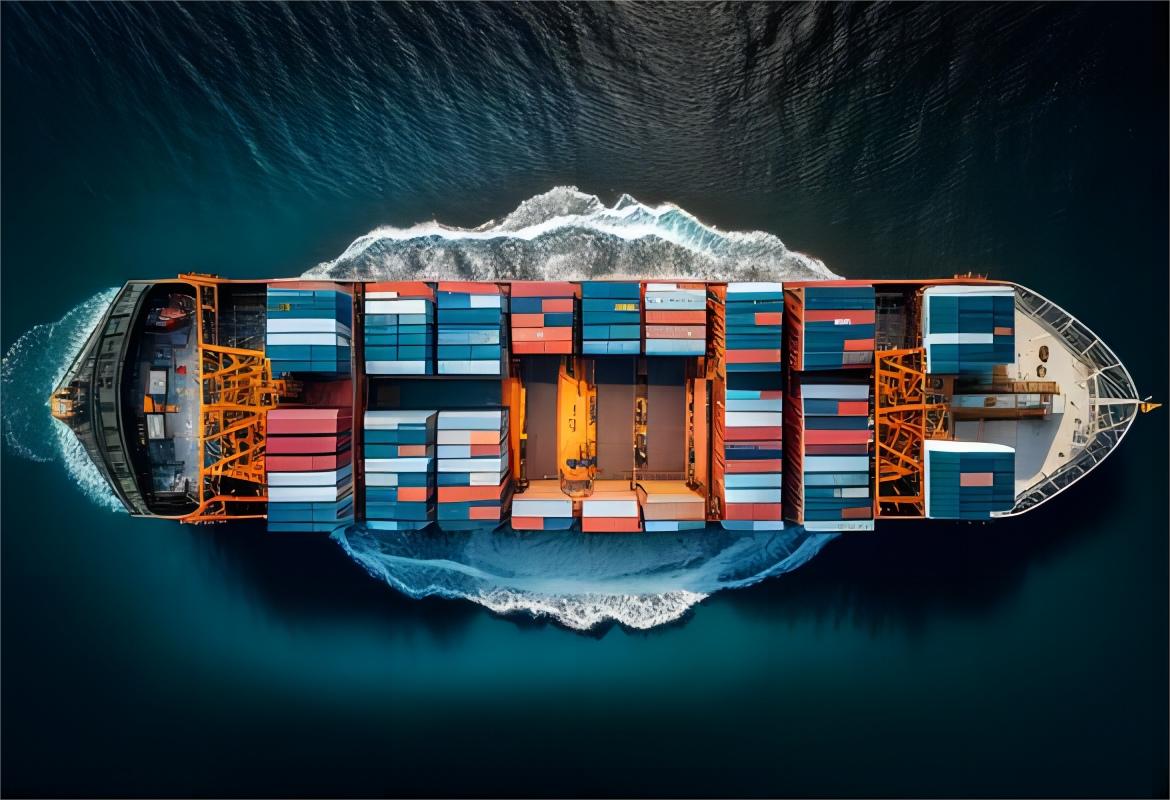
Deciphering a freight quote requires a clear distinction between base ocean freight and the various accessorial charges that constitute a true landed cost. A base rate usually covers only the port-to-port movement, whereas an all-in rate incorporates mandatory line items like local import taxes, fuel adjustments, and documentation fees. If you compare quotes based solely on the base figure, you risk missing the hidden costs that often appear on the final invoice, leading to significant budget overruns after the cargo has already departed. Track berth windows and hold an alternate sailing when blankings threaten the ETA.
To evaluate the true value, request an itemized breakdown that explicitly separates origin handling charges from destination-side duties and local import taxes. For instance, a shipment from an Global to a Global destination should clearly delineate the cost of the Standard Export Declaration and any specific handling fees for the Bill of Lading. This transparency allows you to compare like-for-like, ensuring you are not being misled by artificially low base rates that exclude essential service components required to move your freight. Pre-alert destination free time and confirm empty-return windows before gate-out.
Consider two illustrative scenarios to gauge cost efficiency: a standard 20ft container (FCL) moving via ocean may cost USD 2,400–3,600 depending on the season and carrier tier, while a consolidated LCL shipment might be priced by weight/measure with additional CFS handling fees. By identifying how these specific services are calculated within your quote, you maintain control over your logistics spend. Always confirm if the quote includes destination release fees, as these are often excluded from initial proposals but are critical for final delivery.
| Cost Component | Typical Assessment Base | Who Usually Pays | Planning Note |
|---|---|---|---|
| CIF / customs value | Goods value + freight + insurance (as declared) | Importer of record | Wrong valuation drives duty and local import taxes miscalculation |
| Import duty / tariff | % of customs value by HS chapter | Importer / DDP seller (by Incoterms) | Confirm HS binding before award |
| local import taxes | Duty-paid value (or local statutory base) | Importer / fiscal representative | Confirm statutory local import taxes filing basis before entry |
| Customs broker / clearance fee | Per entry or per shipment band | Importer / nominating party | Separates from freight; exams add extras |
| Exam / storage / disbursement | Event-driven (exam, demurrage, advance) | Importer / broker client account | Often outside base ocean/truck quote |
Common mistake: Skipping ISPM-15 / mark checks before CFS intake and paying restrap fees later.
Risk alert: Destination CFS free dwell is often only 3–5 days—unclaimed LCL accrues fast.
How Do Experienced International Freight Programs Forwarders Coordinate POL CFS and POD Drayage?
Effective coordination also involves managing the handover between ocean carriers and local drayage providers under Universal Trade Standards. Because different regions maintain unique labor rules and gate hours, a skilled provider mandates that all documentation, including the packing list and commercial invoice, is digitally verified before the drayage truck is dispatched. This reduces the risk of failed pick-ups or rejected gate-ins, ensuring that the entire logistics chain remains compliant with SOLAS requirements and regional transport mandates throughout the transit duration. See air freight for options that match this corridor.
Coordinating the physical movement between Port of Loading (POL) Container Freight Stations (CFS) and Port of Discharge (POD) drayage requires precise synchronization of cargo-ready dates and carrier cut-off windows. A trusted international freight forwarder manages this by ensuring that the Standard Export Declaration and Commercial Invoice are filed well ahead of the vessel berthing schedule. By auditing the packing list against the actual physical load-in at the Shanghai/Ningbo, they eliminate common delays that occur when cargo dimensions or weights differ from original booking estimates. Align inland pickup with CY cut-offs so detention clocks do not start unexpectedly.
Operational efficiency at the POD hinges on pre-clearing documentation before the vessel arrives to avoid demurrage and detention charges. When dealing with complex ocean freight programs, forwarders utilize the Bill of Lading to trigger customs status updates, ensuring that local import taxes are settled and the cargo is staged for immediate drayage. This proactive approach prevents bottlenecks at the gate, allowing for a seamless transition from the container yard to the final inland destination without unnecessary storage or handling fees. Peak-season awards on International Freight Programs fail when equipment shortage and GRI/PSS bands are left out of the written quote. Procurement should require published trigger dates for peak surcharges, container substitution rules, and contingency sailings before cargo-ready dates lock.
Common mistake: Confirming carrier cut-offs only after cargo is ready erodes peak-season options.
Risk alert: Transit milestone variance needs an explicit operational buffer before peak cutoffs.
Which Tracking SLAs and Exception Escalations Matter for International Freight Programs Export Shipments?
To ensure accountability, tracking metrics should be reviewed quarterly against historical performance data. Key benchmarks include the percentage of on-time departures from the Global and the frequency of documentation-related delays during customs clearance. By holding providers to these specific SLAs, shippers can transform their international freight programs from reactive, transactional shipping into a strategic asset. Regular reviews prevent the normalization of poor performance and ensure that all parties remain aligned with the predefined project goals and landed-cost objectives. Mode discipline on International Freight Programs protects margins when urgent replenishment cannot wait for the next ocean window. Shippers should define air or expedited truck triggers tied to inventory stockout risk, not ad-hoc panic bookings.
Lock document ownership early so broker cut-offs do not collide with terminal appointments. Split-mode plans need aligned documents so partial air lots and residual ocean lots clear under one commercial narrative. Publish decision owners for mode switch, surcharge caps, and destination appointment changes. Keep contingency routing on the same ops brief as the primary sailing so peak volatility stays controllable. Validate HS codes and preferential proofs before the commercial invoice pack is sealed. Confirm named owners for booking cut-offs, document packs, and free-time clocks in one shared ops brief before award. Align HS classification, commercial invoice values, and packing-list piece counts before the export declaration is lodged.
Service Level Agreements (SLAs) for international freight programs must prioritize milestone visibility over generic status updates. Buyers should demand automated alerts upon vessel departure, transshipment arrival, and final POD clearance. These alerts must be mapped against the initial transit plan to identify deviations early. If a vessel is delayed due to port congestion, the forwarder must provide an immediate re-routing proposal or an updated ETA to allow for downstream supply chain adjustments, keeping inventory planning accurate and transparent. Exception management is the true test of a logistics provider’s reliability, requiring a clear escalation matrix when shipments miss critical cut-offs or encounter customs holds. In scenarios involving complex export declarations, the forwarder should notify the shipper within four hours of an identified bottleneck.
| Metric Type | SLA Threshold | Escalation Trigger |
|---|---|---|
| Departure Accuracy | 95% within 24h | Missed vessel booking |
| Documentation Lead | 48h pre-cut-off | Incomplete Invoice/PL |
| Exception Response | 4h notification | Customs Hold/Delay |
Common mistake: Waiting for CY gate-in before locking inland haulage creates free-time exposure.
Risk alert: Blank sailings and roll risk require a documented contingency booking path.
Decision Checklist: Key Benchmarks for Awarding Your International Freight Programs Logistics SOW
Awarding a Statement of Work (SOW) for international freight programs requires a rigorous assessment of the provider’s ability to handle the full scope of export compliance and cargo handling. Start by verifying valid WCA, IATA, or FIATA accreditations, which serve as foundational proof of industry standing and financial stability. Evaluate their specific experience with your commodity type, ensuring they can manage the nuances of Standard Export Declarations and SOLAS weight verification without relying on third-party guesswork that increases your risk of penalties. Separate contractual freight from event-driven customs costs for auditable invoices.
Case studies provide the best evidence of capability; for instance, moving 50 TEUs of electronics from an Asian hub to Europe might cost USD 3,200–4,500 per 40HQ with a 35-day transit. Conversely, a smaller 5 CBM shipment of automotive parts might favor LCL consolidation at USD 400–650 to maintain budget efficiency. When comparing proposals, confirm that these costs include all necessary documentation filings and local import taxes, as hidden line items often reveal a lack of operational transparency in their pricing model. Finally, ensure the SOW defines clear boundaries for origin and destination responsibilities based on chosen Incoterms. A successful partnership is built on the forwarder’s willingness to provide an itemized quote that separates base ocean freight from accessorials like drayage, fuel surcharges, and administrative documentation fees.
On International Freight Programs, booking discipline starts with published cut-off calendars and locked cargo-ready windows before peak awards. Importers should require carriers to confirm CY gate-in, documentation cut-offs, and surcharge trigger bands in writing so rolled sailings never arrive as silent invoice shock. Factory production buffers must sit beside vessel allocation so last-minute cargo readiness does not burn free equipment. Keep named owners for booking desks, document packs, and inland haulage on one shared ops brief. Reconfirm exception paths for blank sailings before capacity is finalized. Itemize peak surcharges, terminal handling, and exam disbursements so landed invoices never hide accessorial shock. Reconcile ASN, carton marks, and consignee data before gate-in so destination release does not stall on mismatches.
Common mistake: Treating guide transit days as hard SLAs without buffer invites demurrage.
Risk alert: Port congestion can invalidate published ETAs — track actual vessel berth windows.
Decision Framework
By volume: Capture CBM/kg first; under ~2 CBM often fits express/air, mid volumes need LCL/FCL comparison, and oversized lots require dedicated equipment quotes.
By speed: Prioritize direct sailings and air-bridge options to bypass gateway congestion and meet critical delivery deadlines.
By cargo profile: Flag DG, temperature-control, or oversized handling before award—these change both documentation and carrier acceptance paths.
Real-World Corridor Case Studies
A mid-volume shipper consolidated 12 CBM of general merchandise at origin CFS for a Transpacific LCL string. Volumetric weight was locked before cut-off, commercial invoice and packing list matched the booking cube, and destination deconsolidation free-time stayed inside the quoted all-in band.
An industrial shipper moved precision equipment on a direct Asia–North Europe FCL service. Early broker coordination kept destination release and final-mile delivery inside free-time windows after discharge — used here as a neutral industry benchmark, not a claimed customer corridor.
Execution Checklist for International Freight Programs
Close International Freight Programs decisions with measurable gates—volume, transit, and compliance—before the carrier award.
Document who pays origin vs destination line items so handoffs on International Freight Programs do not reopen the quote. Keep this checklist handy when advancing a trusted international freight forwarder.
Process and Checkpoints
Shipment Profile Capture
Confirm cargo-ready date, CBM/weight, commodity, HS code, and Incoterms.
Mode & Service Scope Selection
Compare air / LCL / FCL (or specialty) against transit and landed-cost targets.
Documentation & Compliance Gate
Align commercial invoice, packing list, and any specialty filings before booking.
Space Booking & Cut-off Lock
Reserve carrier/co-loader space and confirm export cut-off windows in writing.
Mainhaul & Milestone Tracking
Monitor departure, arrival, and exception alerts against the awarded transit plan.
Destination Release & Delivery
Clear destination formalities and complete final-mile delivery to the agreed door.
Confirm the right route for your shipment
Optimize Your Global Logistics Connect with our experts to fortify your freight programs against market exceptions and ensure consistent, reliable international transit. Get a Quote
Request a route reviewFrequently Asked Questions
Who should own the China Customs Export Declaration on a forwarder SOW?
Name the filing party in writing—forwarder or licensed broker—so HS, invoice, and packing-list mismatches do not stall origin release. Confirm CY or CFS cut-offs before cargo is tendered on this corridor.
Which licenses and accreditations should a China freight forwarder hold?
Confirm a valid China NVOCC filing plus WCA, FIATA, or IATA membership so house B/Ls and carrier allocations stay auditable. Name the broker owner for entry data before free-time clocks start.
How should shippers compare all-in versus base rates on a China forwarder quote?
Separate ocean base freight from origin THC, documentation, peak surcharges, and destination accessorials before awarding the SOW. Reconcile packing-list piece counts with the commercial invoice pack early.
How do leading China forwarders secure vessel space during peak capacity squeezes?
Providers with block-space contracts and multi-carrier allocations protect sailings when spot inventory rolls; lock cargo-ready dates before peak awards. Pre-alert destination release so terminal dwell does not erode free time.
Which tracking SLAs and exception escalations matter when awarding a China forwarder?
Require milestone alerts for gate-in, vessel departure, and holds within 24 hours, plus a named owner for rolled bookings and blank sailings. Lock empty-return windows before detention accrues after gate-out.
What trial-shipment KPIs prove a China forwarder is award-ready?
Measure document error rate, quote-to-invoice variance under 5%, and ETD deviation inside 48 hours before locking annual volume. Validate HS codes and preferential proofs inside the invoice pack before tender.
Rates, transit times, and accessorials change with capacity, fuel, and peak-season surcharges. Treat figures as planning ranges — confirm a live quote before booking.
This guide is operational education, not legal, customs, or insurance advice. Validate filings and coverage with licensed partners for your shipment.