

China Container Delivery Service: 2026 Logistics Guide
Top China Freight optimizes your international supply chain with strategic container delivery services tailored for 2026. Buyers researching China container delivery service need auditable quotes and compliance checkpoints. We navigate complex peak-season volatility to ensure your cargo maintains momentum across critical global shipping corridors.
Key Takeaways
Lock documents and Incoterms early for China container delivery service.
Confirm handoff SLAs and exception paths before cutoffs.
Validate live rates — published ranges drift with capacity.
Core Documentation Required for Global LCL Consolidation
Exam and storage risk on international freight programs converts quickly into demurrage when broker escalation paths are undefined. Importers should pre-lodge entry data, keep HS and valuation packs audit-ready, and set response SLAs inside free time. Disbursement authority for exam fees, lifts, and yard storage must be written before the first hold notice arrives. Separate contractual freight from event-driven customs costs so landed invoices stay explainable. Confirm who owns terminal release status once destination customs or the local authority clears the entry. Reconcile ASN, carton marks, and consignee data before gate-in so destination release does not stall on mismatches. Confirm named owners for booking cut-offs, document packs, and free-time clocks in one shared ops brief before award.
Effective China container delivery service management hinges on the precision of your export-ready documentation suite. Beyond the mandatory China Customs Export Declaration, shippers must ensure the Commercial Invoice and Packing List align perfectly with the Bill of Lading to prevent port-side holds. For LCL shipments, the cargo manifest must accurately reflect the exact CBM and piece count, as any discrepancy between the physical intake and the declared manifest leads to immediate customs intervention and potential inspection delays at the port of origin. Peak-season awards on international freight programs fail when equipment shortage and GRI/PSS bands are left out of the written quote. Procurement should require published trigger dates for peak surcharges, container substitution rules, and contingency sailings before cargo-ready dates lock.
When coordinating high-frequency movements, maintaining a standardized filing system is critical for international freight programs. Our team at Top China Freight emphasizes that every document must adhere to Universal Trade Standards, including SOLAS weight verification, to ensure seamless integration into carrier systems. By centralizing the Bill of Lading, Certificate of Origin, and hazardous declaration forms, your logistics team minimizes the risk of document-related roll-overs that often plague disorganized supply chains during peak shipping seasons. Accuracy in your documentation directly influences the speed of your terminal gate-in and customs clearance processes. Discrepancies in the commercial invoice often trigger manual audit reviews by the competent customs authorities, effectively stalling your container before it even hits the mainhaul vessel.
Common mistake: Waiting until the last day of terminal free time to schedule drayage, risking immediate demurrage.
Risk alert: Missing the strict CY cut-off window results in automatic cargo roll-over and carrier no-show fees.
CFS Cargo Intake & Volumetric Weight Calculation Standards
Accurate volumetric weight is the primary metric for determining your final freight invoice, yet many shippers fail to account for the physical footprint of irregular packaging. Dense machinery loads should aim for maximum 20GP payload weight limits, whereas bulky furniture or textile loads require precise cube utilization to avoid paying for empty space. By calculating your cargo-ready volume early in the planning phase, you can prevent the sudden cost spikes that occur when shipments exceed the expected capacity of a standard consolidated container. Our operational framework for 2026 international freight programs prioritizes space optimization through rigorous pre-intake audits. By analyzing your specific cargo profile against current vessel availability, we help you determine the most economical container configuration before your freight reaches the CFS.
Release delays on international freight programs frequently trace to ASN, carton-mark, and consignee mismatches rather than vessel late arrival. Teams should reconcile piece counts, SKU labels, and delivery party data before gate-in so destination systems do not hold cargo for data repair. Pre-alert packs must mirror the packing list and commercial invoice values used for entry. Warehouse or FC receiving rules for barcode placement and pallet height should be checked in the same audit that clears export documents. Treat data hygiene as a free-time defense. Defend destination free time with pre-alerts, broker SLAs, and delivery appointment locks before demurrage clocks start. Itemize peak surcharges, terminal handling, and exam disbursements so landed invoices never hide accessorial shock.
Managing CFS cargo intake requires strict adherence to volumetric calculation standards to optimize container utilization. For general cargo, the ratio of weight to volume dictates whether you maximize your 20GP or 40HQ capacity. Under 15 CBM, LCL consolidation remains the most cost-efficient path; however, once your shipments exceed 28 CBM, transitioning to a dedicated 20GP container provides better security and economies of scale. We monitor these thresholds closely to ensure your volumetric usage aligns with your total landed cost targets. Claims exposure on international freight programs rises when cargo condition evidence is assembled only after damage is discovered. Shippers should lock surveyor notice windows, photo protocols at CY gate-in and delivery, and cargo insurance assumptions before award. See sea freight for options that match this corridor.
| Volume Range (CBM) | Recommended Equipment | Cost Efficiency Metric |
|---|---|---|
| Under 15 CBM | LCL Consolidation | Maximized per-unit cost |
| 15–28 CBM | 20GP FCL | Optimal for dense freight |
| 58–68 CBM | 40HQ FCL | Best for light, bulky goods |
Common mistake: Comparing only base ocean rates while ignoring demurrage and chassis fees.
Risk alert: Late VGM or Shipping Order release can roll a confirmed allocation.
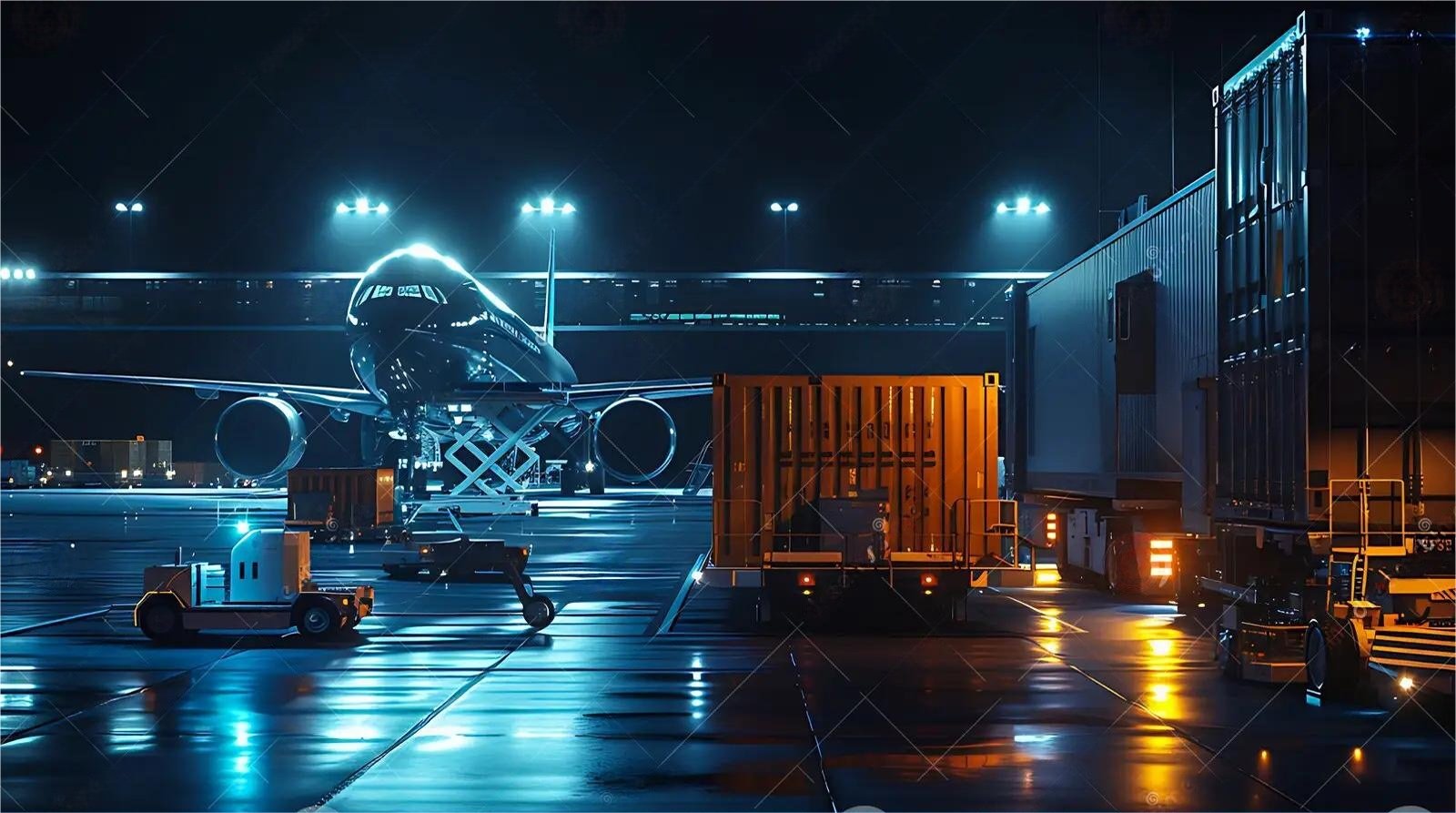
Ocean Container Stuffing & Deconsolidation Milestones
The stuffing phase is a critical control point for any China container delivery service, requiring strict oversight of the CY gate-in process. Once the empty box is collected, the factory must complete loading and secure the seal before the CY cut-off time provided by the carrier. Missing these critical milestones often results in automatic roll-overs to the next available vessel, as international freight programs operate on rigid schedules where terminal space is at a premium and blank sailings can disrupt your replenishment timeline. Track berth windows and hold an alternate sailing when blankings threaten the ETA. Pre-alert destination free time and confirm empty-return windows before gate-out.
Efficient deconsolidation at the destination relies heavily on the transparency established during the origin stuffing process. By ensuring that the load plan is clearly communicated and that the container is balanced for transit, you reduce the risk of structural damage or shifting cargo that could lead to extended terminal holds. When your container arrives at the port of destination, the customs authorities will verify the Bill of Lading against the physical manifest; any lack of coordination at this stage invites inspection, demurrage, and detention. Destination Gateway execution on international freight programs fails when free-time clocks, terminal dwell, and delivery appointments are negotiated as afterthoughts.
To maintain your 2026 shipping schedule, we track every milestone from the initial S.O. release to the final empty return. By monitoring the terminal dwell time and ensuring that local import taxes are settled well in advance of the vessel’s arrival, we help you avoid unnecessary delays. Our case studies show that for a standard 40HQ shipment from China to a major coastal port, proactive milestone management can mitigate costs typically ranging from USD 2,400 to USD 3,600, depending on global carrier demand. See air freight for options that match this corridor.
Common mistake: Selecting 40HQ for dense cargo that hits payload limits before usable CBM.
Risk alert: Peak-season blank sailings amplify roll-over risk when stuffing slips past CY gate-in.
Which Documents Belong on a Neutral Trade Checklist?
The final layer of your document checklist should focus on the electronic transmission of data to international customs authorities, such as the Export Filing for U.S.-bound cargo or local import taxes documentation in other jurisdictions. By digitizing these records and linking them to a centralized tracking system, you provide a single source of truth that minimizes manual data entry errors. This structural discipline ensures that every container movement remains compliant with WCO standards, reducing the risk of administrative holds that frequently inflate landed costs. See warehouse services for options that match this corridor.
A robust neutrality strategy for international freight requires absolute precision in documentation to prevent customs delays at both origin and destination. Central to any China container delivery service program is the China Customs Export Declaration, which must align perfectly with your Commercial Invoice and Packing List. Discrepancies in piece counts or declared values between these foundational documents often trigger mandatory inspections at the port of exit, effectively stalling your shipment before it even clears the terminal gate for ocean transit. Mode discipline on international freight programs protects margins when urgent replenishment cannot wait for the next ocean window. Shippers should define air or expedited truck triggers tied to inventory stockout risk, not ad-hoc panic bookings.
Beyond the standard export filings, the Bill of Lading acts as the primary title document and must be verified for accuracy regarding cargo descriptions and consignee details. For shipments moving under complex trade agreements, ensure that the Certificate of Origin and any required industry-specific permits are filed alongside the Master Bill of Lading. Maintaining a neutral, standardized document set allows your logistics team to switch between carriers or freight forwarders without needing to re-generate the entire regulatory packet for every new booking cycle. Lock document ownership early so broker cut-offs do not collide with terminal appointments.
| Document Category | Primary Function | Critical Compliance Step |
|---|---|---|
| Export Declaration | China Customs Clearance | Verify HS Code and Value |
| Commercial Invoice | Valuation/Taxation | Ensure Matching Packing List |
| Bill of Lading | Title and Carriage | Confirm Port-of-Load Cut-offs |
| WCO/SOLAS Forms | Safety and Weight | Verified Gross Mass Accuracy |
Common mistake: Confirming carrier cut-offs only after cargo is ready erodes peak-season options.
Risk alert: Transit milestone variance needs an explicit operational buffer before peak cutoffs.
How Do Incoterms and WCO Rules Shape Responsibility?
The World Customs Organization (WCO) framework provides the universal language for classifying goods via the Harmonized System, which directly impacts the local import taxes applied at your destination. Misclassification remains a high-risk failure mode, as customs authorities globally utilize the WCO guidelines to identify under-declared goods or prohibited items. By embedding proper HS classification into your procurement software, you ensure that every container arrival is met with accurate tax calculations and minimal scrutiny, preventing the unexpected financial penalties that plague unvetted logistics programs. Validate HS codes and preferential proofs before the commercial invoice pack is sealed.
Governing your freight under these international standards also requires strict adherence to SOLAS regulations regarding Verified Gross Mass. As the shipper, you are legally responsible for the accuracy of the weight reported to the carrier for ocean transit. Failing to reconcile the weight stated on your packing list with the actual container mass can result in rejected gate-ins or even vessel safety holds. Aligning your internal procurement standards with WCO and SOLAS ensures that your cargo remains a priority for carriers rather than a liability for terminal operators. Publish named owners for customs release, equipment return, and re-delivery milestones.
Incoterms define the exact point where risk and cost transfer from seller to buyer, acting as the operational blueprint for your China container delivery service. When managing high-volume 40HQ or 20GP loads, selecting an Incoterm like FOB places the onus of the China Customs Export Declaration and port handling fees on the supplier, while the buyer assumes control of the ocean freight. This clarity is essential for avoiding disputes over who pays for terminal handling charges or unexpected storage fees during peak seasons. On international freight programs, landed-cost control depends on separating contractual base rates from peak surcharges, destination handling, and statutory import assessments before award.
Common mistake: Waiting for CY gate-in before locking inland haulage creates free-time exposure.
Risk alert: Blank sailings and roll risk require a documented contingency booking path.
What Failure Modes Trigger Holds Before Mainhaul Cut-Off?
The most common failure mode disrupting China container delivery service is the missed CY cut-off, often caused by late drayage coordination or incomplete paperwork. When a container fails to reach the terminal before the designated cut-off time, it is automatically rolled to the next available sailing, a process that incurs significant storage fees and delays the entire supply chain. To mitigate this, coordinate your factory stuffing schedules with a 24-hour buffer before the official terminal gate-in deadline to account for potential traffic or weigh-bridge congestion at the port. Align inland pickup with CY cut-offs so detention clocks do not start unexpectedly.
Another critical failure point is the discrepancy between the cargo’s physical dimensions and the container equipment booked. For instance, attempting to load high-density machinery into a standard container without proper floor-loading distribution can lead to a refusal at the terminal if the weight exceeds structural limits. Two illustrative scenarios highlight the cost of poor planning: a 20GP load of dense stone may cost USD 1,800–2,200, whereas a 40HQ load of lightweight electronics can cost USD 3,500–4,500, depending on vessel space availability and fuel surcharges. Reconcile ASN, carton marks, and consignee data before gate-in stalls destination release. Itemize peak surcharges, terminal handling, and exam disbursements on the landed invoice.
Finally, administrative holds triggered by pre-loading documentation errors can paralyze a shipment even after the container reaches the port. If the Shipping Order (S.O.) details do not match the China Customs Export Declaration, the system will flag the shipment for manual review, preventing the container from being loaded onto the vessel. By utilizing Top China Freight, you gain access to proactive oversight that validates these filings before the gate-in phase, ensuring your cargo remains on its scheduled transit lane without costly interruptions. Confirm who owns terminal release status once the local authority clears the entry.
| Equipment Type | Internal Volume (CBM) | Max Payload (kg / lbs) | Optimal Commodity Fit |
|---|---|---|---|
| 20ft Standard (20GP) | 28–30 CBM (26 usable) | 21,800 kg / 48,000 lbs | Dense, heavy cargo (machinery, auto parts, metals) |
| 40ft Standard (40GP) | 58–60 CBM (54 usable) | 26,500 kg / 58,400 lbs | General packaged cargo, standard palletized loads |
| 40ft High Cube (40HQ) | 68–76 CBM (68 usable) | 26,500 kg / 58,400 lbs | Bulky, lightweight goods (furniture, textiles, electronics) |
| 45ft High Cube (45HQ) | 85–86 CBM (78 usable) | 27,500 kg / 60,600 lbs | High-volume consumer retail distribution |
Common mistake: Treating guide transit days as hard SLAs without buffer invites demurrage.
Risk alert: Port congestion can invalidate published ETAs — track actual vessel berth windows.
Decision Framework
By volume: Under 15 CBM favors LCL consolidation; 15–28 CBM triggers a 20GP; 58–68 CBM typically demands a 40HQ to minimize per-unit landed cost.
By speed: Prioritize direct sailings and premium air-freight options for urgent, time-sensitive replenishment needs.
By cargo profile: Dense machinery/stone loads should maximize 20GP payload; light, bulky furniture/textiles should target 40HQ cube utilization and lash/secure rules.
Real-World Corridor Case Studies
An industrial shipper moved precision equipment on a direct Asia–North Europe FCL service. Early broker coordination kept destination release and final-mile delivery inside free-time windows after discharge — used here as a neutral industry benchmark, not a claimed customer corridor.
A mid-volume shipper consolidated 12 CBM of general merchandise at origin CFS for a Transpacific LCL string. Volumetric weight was locked before cut-off, commercial invoice and packing list matched the booking cube, and destination deconsolidation free-time stayed inside the quoted all-in band.
Strategic Action Plan for 2026 Container Procurement
Locking international freight programs capacity requires CY cut-off discipline, export filing compliance, and demurrage-aware terminal monitoring on international freight programs.
Align POL/POD, equipment count, and S.O. release windows before peak-season blank sailings disrupt allocations. Keep this checklist handy when advancing a China container delivery service.
Process and Checkpoints
Booking & S.O. Release
Lock 20GP/40HQ allocation with the carrier and receive the Shipping Order (S.O.) with vessel/voyage.
CY Empty Pick-up
Dispatch drayage to the container yard (CY) to collect the empty box for factory stuffing.
Factory Stuffing & Gate-in
Complete loading, apply the seal, and return the laden container before CY cut-off.
Export Filing & B/L Draft
Transmit export filing/entry data at least 24h before load and verify Master B/L parties and weights.
Terminal Dwell & Customs
Track discharge, customs release, and terminal free time to avoid demurrage.
Final Drayage & Empty Return
Deliver the full container to door and return the empty unit within detention free days.
Confirm the right route for your shipment
Optimize Your 2026 Freight Strategy Partner with Top China Freight to secure your capacity and mitigate operational risks before the next peak season surge. Get a Quote
Request a route reviewFrequently Asked Questions
Which export documentation must align before origin customs release and port gate-in?
Commercial invoice, packing list, HS codes, and Incoterms should match the physical load before the origin export declaration and port gate-in. Confirm CY or CFS cut-offs before cargo is tendered on this corridor.
How do destination demurrage and detention charges accrue on 40HQ containers?
Demurrage applies while the loaded box stays at the port terminal past free time; detention accrues after gate-out until empty return. Name the broker owner for entry data before free-time clocks start.
What China customs export inspection steps apply before ocean containers gate in?
Exporters should align commercial invoice, HS codes, and packing list with physical cargo before customs release; mismatches trigger holds and re-inspection fees. Reconcile packing-list piece counts with the commercial invoice pack early.
What is the difference between Telex release and surrendering original Bills of Lading?
Telex release authorizes destination release without couriering originals; surrender still requires matching invoice and party data. Pre-alert destination release so terminal dwell does not erode free time.
When is a Sea Waybill acceptable instead of a negotiable ocean Bill of Lading?
Sea Waybills suit trusted shipper/consignee pairs where title transfer at sea is not required; they cannot be traded like negotiable B/Ls. Lock empty-return windows before detention accrues after gate-out.
What happens if verified gross mass (VGM) declarations exceed terminal weight limits?
Containers with inaccurate VGM are barred from vessel loading and incur crane re-weigh fees plus storage penalties. Validate HS codes and preferential proofs inside the invoice pack before tender.
Rates, transit times, and accessorials change with capacity, fuel, and peak-season surcharges. Treat figures as planning ranges — confirm a live quote before booking.
This guide is operational education, not legal, customs, or insurance advice. Validate filings and coverage with licensed partners for your shipment.