

Amazon FBA Fulfillment Logistics China: Strategic Logistics Guide
Fulfillment and warehouse receiving programs need locked ASN/WMS handoffs before peak cut-offs. Buyers researching Amazon FBA fulfillment logistics China need auditable quotes and compliance checkpoints. Unpredictable inbound fees frequently undermine margins when arranging China to Global without FC-ready prep. Labeling defects and appointment misses quickly inflate the true cost of Amazon replenishment. Collaborating with a dedicated partner like Top China Freight brings transparent FBA inbound planning. Explore prep rules, appointment timing, and defect-prevention checkpoints in this 2026 operational guide.
Key Takeaways
Lock documents and Incoterms early for Amazon FBA fulfillment logistics China.
Confirm handoff SLAs and exception paths before cutoffs.
Validate live rates — published ranges drift with capacity.
Which Carton Specs and 50 lb Limits Apply for Amazon FBA Inbound on Warehousing & Fulfillment?

Exam and storage risk on China to China converts quickly into demurrage when broker escalation paths are undefined. Importers should pre-lodge entry data, keep HS and valuation packs audit-ready, and set response SLAs inside free time. Disbursement authority for exam fees, lifts, and yard storage must be written before the first hold notice arrives. Separate contractual freight from event-driven customs costs so landed invoices stay explainable. Confirm who owns terminal release status once destination customs or the local authority clears the entry. Reconcile ASN, carton marks, and consignee data before gate-in so destination release does not stall on mismatches. Confirm named owners for booking cut-offs, document packs, and free-time clocks in one shared ops brief before award.
Managing terminal dwell times requires strict alignment between container discharge and scheduled drayage dispatches to prevent escalating per-diem and demurrage fees at Chinese ports. When coordinating Amazon FBA inbound freight, operators must track vessel actual time of berth and container availability notices immediately upon discharge. Failing to clear customs via Standard Electronic Entry under National Customs Authority oversight within the designated window inevitably triggers terminal storage penalties that disrupt overall fulfillment budgets. To safeguard operational velocity, forwarders must synchronize carrier equipment release with terminal free-time expiration dates, ensuring trucks dispatch ahead of peak congestion hours. Itemize peak surcharges, terminal handling, and exam disbursements so landed invoices never hide accessorial shock.
Securing standard export declaration documentation and commercial invoices prior to gate arrival eliminates compliance bottlenecks that otherwise trap containers inside crowded yard stacks. Importers leveraging professional freight forwarding services benefit from active demurrage monitoring, reducing the likelihood of unexpected terminal charges accumulating before final delivery to local consolidation hubs. Proactive free-time management directly influences the punctuality of subsequent warehouse stripping and palletization workflows destined for regional Amazon fulfillment centers. Establishing automated alerts for container status updates allows logistics managers to reallocate drayage assets dynamically when vessel schedules shift or terminal gate queues swell unexpectedly. This meticulous oversight ensures that shipments transition smoothly from maritime or air terminals into dedicated preparation facilities without incurring costly idle time or missed carrier windows.
Common mistake: Providing inaccurate CBM dimensions, leading to unexpected volumetric dead-space surcharges.
Risk alert: Missing documentation or inaccurate shipping marks at CFS intake triggers mandatory export holds.
How Should Sellers Complete FNSKU Labeling and Barcode Prep Before Booking?
If factory delays or packaging errors push back the cargo-ready date, missed appointment penalties and carrier wait-time fees quickly accumulate across large volume shipments. Importers utilizing structured supply chain solutions can better navigate seasonal slot scarcity through established carrier relationships and automated scheduling protocols. Mitigating peak-season appointment friction involves maintaining transparent communication channels between the origin consolidation warehouse, the drayage carrier, and the destination receiving team. Establishing backup delivery windows and monitoring real-time slot availability helps operators pivot quickly when initial appointments get canceled or rescheduled by fulfillment center receiving managers. This rigorous scheduling discipline protects profit margins and ensures uninterrupted inventory replenishment throughout high-demand retail periods.
On China to China, booking discipline starts with published cut-off calendars and locked cargo-ready windows before peak awards. Importers should require carriers to confirm CY gate-in, documentation cut-offs, and surcharge trigger bands in writing so missed receiving windows never arrive as silent invoice shock. Factory production buffers must sit beside vessel allocation so last-minute cargo readiness does not burn free equipment. Keep named owners for booking desks, document packs, and inland haulage on one shared ops brief. Reconfirm exception paths for blank sailings before capacity is finalized. Publish a rollover contingency path for blank sailings and feeder congestion so peak capacity awards stay auditable. Defend destination free time with pre-alerts, broker SLAs, and delivery appointment locks before demurrage clocks start.
Securing reliable dock appointments during peak Q4 shipping surges demands early slot reservation inside Amazon’s Carrier Appointment Request Portal well before cargo reaches the consolidation facility in China. Because carrier capacity constraints and high demand heavily restrict available delivery windows, failing to lock in appointments early forces extended yard dwell times and costly storage fees. Sellers must cross-reference carton counts, exact weight, and verifiable dimensions against carrier booking parameters to prevent administrative rejections at the fulfillment center gate. Strategic appointment booking also requires close coordination with origin warehousing teams to ensure that packing, labeling, and palletizing processes align perfectly with the confirmed delivery time slot.
| Accessorial Charge | Standard Free Window | Typical USD Band | Trigger Condition |
|---|---|---|---|
| Terminal demurrage (import) | 3–5 free days after last free day | $150 – $350 / day | Box dwell past free time at CY/terminal |
| Carrier detention (chassis/box) | 3–4 free days after gate-out | $120 – $280 / day | Late empty return past free time |
| Port congestion / storage | Terminal tariff free days | $75 – $200 / day | Berth delay or CY yard hold |
| Chassis split / flip | Included in local contract | $80 – $180 / move | Separate chassis from ocean box at rail/CY |
Common mistake: Assuming non-stackable pallets bill the same as stackable freight at CFS.
Risk alert: Late supplier CRDs past CFS receiving force split shipments and storage fees.
How Do CARP and FC Appointment Windows Control FBA Delivery Timing?
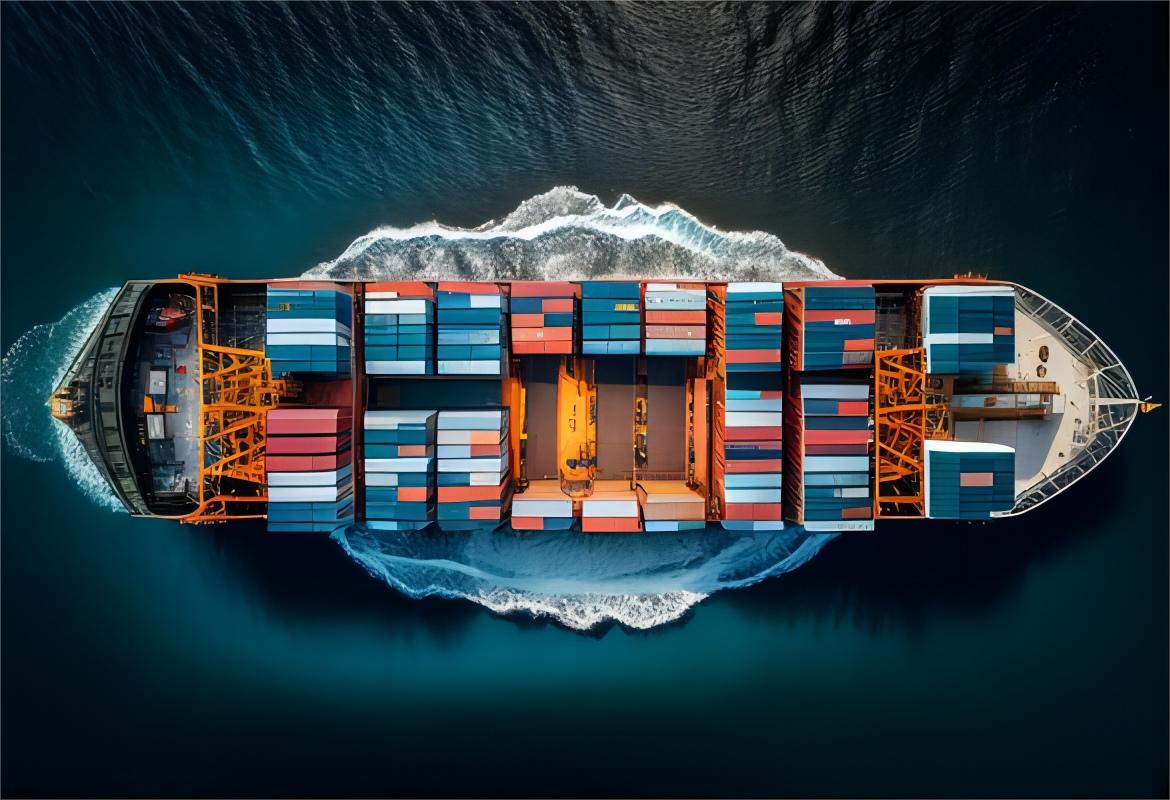
Choosing between direct cross-docking and long-term warehousing in China depends heavily on inventory velocity, SKU diversity, and the immediate readiness of Amazon FBA prep requirements. Cross-dock operations minimize handling costs by transferring incoming factory shipments straight onto outbound trailers or containers within twenty-four hours, making them ideal for high-volume, pre-labeled goods. Conversely, storing inventory in local warehouses provides necessary buffer stock for multi-SKU consolidation, quality inspections, and complex kitting configurations before international transit. While cross-docking significantly reduces facility holding fees and accelerates supply chain turnaround times, it leaves zero margin for error regarding labeling mistakes or carton weight violations.
If an incoming factory batch arrives with non-compliant barcodes, attempting to bypass storage in favor of direct transit will result in immediate rejection at the destination fulfillment center. Importers balancing these operational priorities must weigh the cost of warehouse floor space against the financial risks of compliance chargebacks and refused shipments. Optimizing the trade-off between transit speed and holding flexibility requires a thorough analysis of seasonal demand forecasts and supplier production stability across various product categories. For fast-moving items, rapid cross-dock workflows streamline inventory flow and reduce total logistics overhead, whereas seasonal lines benefit from localized staging and rigorous quality control checks. Partnering with experienced operators ensures that cargo is routed through the most cost-effective channel based on real-time SKU data and destination requirements.
Procurement should require published trigger dates for peak surcharges, container substitution rules, and contingency sailings before cargo-ready dates lock. Blank sailings and rolled bookings need a named recovery path with alternate POL or feeder options. Finance and ops must share one brief that separates base ocean from fuel, security, and congestion add-ons. Lock exception owners early so spot premiums stay auditable instead of informal. Align HS classification, commercial invoice values, and packing-list piece counts before the export declaration is lodged. Pre-alert destination free time and confirm empty-return windows before gate-out. See sea freight for options that match this corridor.
Common mistake: Skipping ISPM-15 / mark checks before CFS intake and paying restrap fees later.
Risk alert: Destination CFS free dwell is often only 3–5 days—unclaimed LCL accrues fast.
What ASN and Inbound Documents Must Align for Amazon FC Receiving?
Proactive containment of damage risk significantly reduces the likelihood of Amazon charging manual processing fees, inventory placement delays, or outright cargo turn-aways at the destination dock. By catching labeling defects and structural weaknesses at the origin warehouse rather than at the fulfillment center door, importers maintain high IPI scores and ensure smooth inventory flow. Top China Freight manages these physical prep protocols tightly within our origin facilities, aligning every carton spec with exact Amazon inbound guidelines before the freight ever departs. See air freight for options that match this corridor.
Amazon fulfillment centers enforce strict carton and unit-level compliance standards, meaning that goods arriving from Chinese manufacturing hubs require rigorous pre-export inspection and rework to avoid severe receiving discrepancies. China facilities verify that every master carton complies with maximum weight limits and drop-test thresholds, while individual units are checked for accurate FNSKU or UCC barcode scannability. Faulty packaging, torn outer boxes, or obscured barcodes are immediately intercepted, repacked into heavy-duty double-walled corrugated cartons, and relabeled before final container loading or warehouse staging. Validate HS codes and preferential proofs before the commercial invoice pack is sealed.
Pallet configuration represents another critical defense against transit damage and dock rejection, requiring strict adherence to standard dimensions, stretch-wrapping integrity, and vertical weight distribution. China-based prep centers build stable, non-overhanging pallet stacks secured with high-tension strapping and corner boards to withstand multi-modal handling stresses during ocean transit and domestic drayage. Workers verify that pallet tags are placed on all four vertical sides, ensuring automated scanners and receiving personnel can instantly identify the shipment without breaking down the load prematurely. Lock document ownership early so broker cut-offs do not collide with terminal appointments. Track berth windows and hold an alternate sailing when blankings threaten the ETA.
| Milestone | Typical Window | Owner | Delay Risk if Missed |
|---|---|---|---|
| Origin pickup / CY gate-in | T-5 to T-2 days before ETD | Shipper / drayage | Rolled booking & demurrage at origin |
| Port / terminal gate-in | Mode-specific ETA band | Carrier / broker | Detention & storage accrual |
| Customs release | 24–72h after arrival (mode-dependent) | Licensed broker | Terminal hold & delivery slip |
| Final delivery appointment | Within free-time window | Consignee / carrier | Driver detention & re-delivery fees |
Common mistake: Confirming carrier cut-offs only after cargo is ready erodes peak-season options.
Risk alert: Transit milestone variance needs an explicit operational buffer before peak cutoffs.
How Can Importers Prevent Inbound Defect Fees and FC Rejection Charges?
Operational delays at port gates, congested highway corridors, or terminal holding yards often trigger detention and demurrage penalties that accumulate by the hour. When a dray truck waits beyond the allotted free-time window for container loading at the factory or experiences congestion while entering container yards, carriers assess demurrage or detention surcharges. Securing realistic free-time agreements and coordinating exact cargo-ready windows with local shippers minimizes idle waiting times and prevents unexpected billing spikes on the final drayage statement. Transparent billing requires a clear understanding of regional toll structures, fuel surcharges, and after-hours gate fees imposed by local authorities across Chinese export gateways. Importers should partner with experienced forwarders who audit drayage bills against actual terminal movement logs and electronic gate receipts to eliminate disputed charges.
Release delays on China to China frequently trace to ASN, carton-mark, and consignee mismatches rather than vessel late arrival. Teams should reconcile piece counts, SKU labels, and delivery party data before gate-in so destination systems do not hold cargo for data repair. Pre-alert packs must mirror the packing list and commercial invoice values used for entry. Warehouse or FC receiving rules for barcode placement and pallet height should be checked in the same audit that clears export documents. Treat data hygiene as a free-time defense. Align inland pickup with CY cut-offs so detention clocks do not start unexpectedly.
Navigating port and terminal drayage in China involves managing a complex structure of equipment fees, time-sensitive allowances, and terminal handling charges that can quickly inflate baseline transportation budgets if not monitored closely. Drayage invoices frequently itemize chassis rental costs, which vary depending on whether a dedicated chassis is pooled or leased daily from local motor carriers. Importers must account for these equipment fees alongside standard origin terminal handling charges (OTHC) and local export documentation fees associated with Standard Export Declaration & Commercial Invoice processing. Publish named owners for customs release, equipment return, and re-delivery milestones.
Common mistake: Waiting for CY gate-in before locking inland haulage creates free-time exposure.
Risk alert: Blank sailings and roll risk require a documented contingency booking path.
How Should Shippers Lock Peak-Season FBA Freight Capacity on Warehousing & Fulfillment?
Fulfillment strategies depend heavily on how outbound shipments are structured, requiring warehouses to balance Less-Than-Truckload, Full-Truckload, and small parcel carrier dynamics to optimize freight spend and delivery speed. When managing high-volume inventory replenishment bound for regional distribution hubs, warehouses group SKUs into consolidated Full-Truckload dispatch waves to maximize trailer utilization and bypass intermediate sorting terminals. Conversely, smaller restock orders or multi-destination split shipments are routed through Less-Than-Truckload networks or high-frequency parcel consolidators depending on total CBM and destination urgency. Warehouse management systems orchestrate these outbound waves by matching cargo dimensions, weight profiles, and appointment time-slots against carrier availability and destination dock requirements.
For Amazon FBA inbound freight, outbound dispatch timing must perfectly align with confirmed carrier appointment windows (CARP/ISA) to prevent missed delivery slots and subsequent detention penalties. Palletized cargo requires rapid staging for dock-height loading, while loose carton or parcel flows utilize conveyor systems and automated sorting lanes to expedite vehicle turnaround. Selecting the correct outbound channel prevents unnecessary handoffs, reduces transit damage, and ensures strict adherence to Amazon strict delivery compliance windows. Importers must evaluate volume thresholds and destination geography continuously to determine whether an FTL direct injection or an LTL consolidated run offers the best cost-to-performance ratio. Top China Freight synchronizes warehousing output with primary carrier schedules, ensuring seamless transitions from storage racks straight into the final delivery stream.
Last-mile friction on China to China often starts at the rail ramp or marine terminal when chassis pools and delivery appointments are treated as afterthoughts. Importers should pre-book drayage capacity against vessel ETA bands and confirm warehouse or FC dock windows before containers leave the gate. Dual appointments, street-turn limits, and weekend blackout rules must sit on the same ops checklist as customs release. Publish owners for chassis return, re-delivery, and detention clocks so invoice disputes stay auditable. Treat ramp-to-dock handoffs as a controllable cost driver rather than an opaque carrier accessorial. Reconcile ASN, carton marks, and consignee data before gate-in stalls destination release.
| Control | GMA (48×40) / EUR | ASN / Scan Rule | Failure Mode |
|---|---|---|---|
| Pallet footprint | 48×40 in vs 1200×800 mm EUR | Declare type on ASN | Dock refusal / re-palletize |
| Wrap & stack height | Stable to stated max height | Photo + tier count | Crush / tip in putaway |
| ASN line accuracy | SKU×qty = received | Scan at dock within SLA | Inventory variance chargeback |
| Label / barcode | Readable FNSKU / SSCC | 100% scan compliance | Quarantine / relabel fees |
Common mistake: Treating guide transit days as hard SLAs without buffer invites demurrage.
Risk alert: Port congestion can invalidate published ETAs — track actual vessel berth windows.
Decision Framework
By volume: Under 2 CBM: air/express to FBA; 2–15 CBM: LCL to FC; 15+ CBM: FCL to yard then transload.
By speed: Air express with direct FC appointment integration.
By cargo profile: Cartons must meet 50 lb limit, FNSKU labels, and FC-specific prep rules.
Real-World Corridor Case Studies
An Amazon seller moved 32 CBM of boxed home goods from Yantian to the Inland Empire FC cluster including ONT8. The forwarder completed FNSKU labeling and carton-weight audits at origin, filed export filing on time, and locked CARP appointments before vessel berth so inbound defect fees stayed off the invoice.
A softlines brand replenished 12 CBM into MAN1 from Shanghai. Origin labeling matched Seller Central ASN lines; the forwarder aligned partnered carrier delivery with the MAN1 appointment so split-FC surprises did not create re-dray loops.
FBA Inbound Blueprint for China to Global
China to Global success is measured in FC acceptance rate, not headline freight per kg.
Labeling, carton rules, and appointment timing prevent costly inbound defects on China to China. Keep this checklist handy when advancing a Amazon FBA fulfillment logistics China.
Process and Checkpoints
Inbound Plan & FC Code Lock
Confirm Seller Central inbound plan, target FC codes, and carton/pallet counts before booking.
Origin Export & export filing Timing
Stage cargo, file export docs, and align export filing/AMS cut-offs with the FC delivery window.
Mainhaul & POD Free-Time
Protect sailing/flight and negotiate free-time so the box is not stuck at CY before CARP.
CARP / ISA Appointment
Book Amazon carrier appointment (CARP/ISA) with verified dims/weight before gate-out.
Drayage, Chassis & FC Hand-off
Pull chassis, complete port pickup, and deliver to the FC dock inside the confirmed slot.
Receiving Exception Close-out
Capture turn-away photos, close ASN mismatches, and remediate before re-delivery fees accrue.
Confirm the right route for your shipment
Streamline Your FBA Inbound Logistics Partner with Top China Freight to eliminate fulfillment center rejections, optimize carton prep, and secure reliable dock appointments. Get a Quote
Request a route reviewFrequently Asked Questions
What happens to FBA units that fail FC receiving inspection?
Rejected cartons may be returned, disposed, or held for unpaid prep — sellers should budget remediation and confirm disposition settings in Seller Central. Confirm CY or CFS cut-offs before cargo is tendered on this corridor.
When does Amazon Transparency or serialized tracking affect FBA prep timelines?
Enrolled ASINs need unit-level codes applied before ship-out; add Transparency labeling to the origin prep SLA so FC appointments are not booked on incomplete units.
How do oversize or hazardous-adjacent SKUs change FBA inbound routing and fees?
Oversize units may force specific FCs, partnered truckload only, or extra prep — model those accessorials before locking the ocean/air mainhaul. Reconcile packing-list piece counts with the commercial invoice pack early.
Which battery or aerosol SKUs need extra FBA hazmat checks before ocean booking?
Lithium and pressurized goods need UN docs and Amazon hazmat approval before mainhaul; failing the check after sailing causes expensive FC turn-aways. Pre-alert destination release so terminal dwell does not erode free time.
When is Amazon Partnered Carrier preferable to a self-ship forwarder for FC delivery?
Partnered carriers simplify ISA booking for small/SPD volumes; self-ship forwarders win when FCL/drayage and multi-FC splits need chassis control. Lock empty-return windows before detention accrues after gate-out.
Why does Amazon require box-content information on FBA inbound shipments?
Accurate box content lets Amazon receive without opening every carton; missing or wrong BCI slows check-in and can trigger manual processing fees. Validate HS codes and preferential proofs inside the invoice pack before tender.
Rates, transit times, and accessorials change with capacity, fuel, and peak-season surcharges. Treat figures as planning ranges — confirm a live quote before booking.
This guide is operational education, not legal, customs, or insurance advice. Validate filings and coverage with licensed partners for your shipment.