
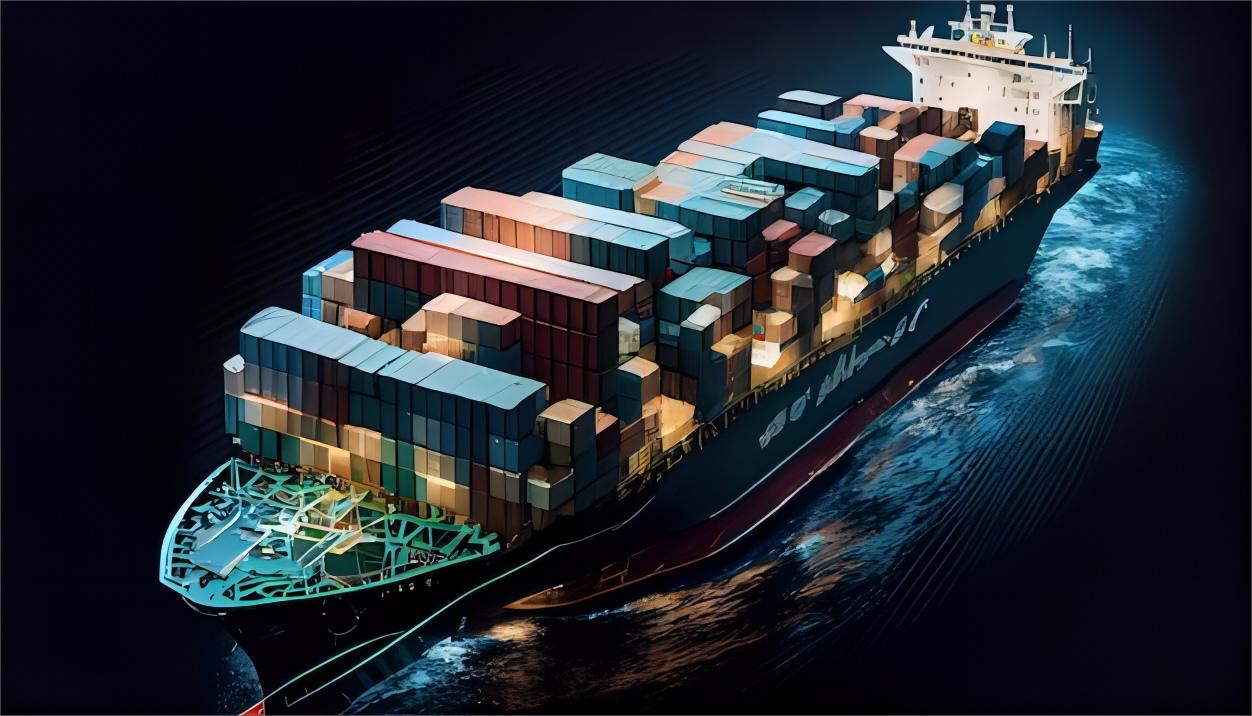
China to USA Freight Quote Online: Understanding All-In Landed
Unpredictable all-in spend frequently undermines awards when comparing China to USA on ocean base rates alone. Buyers researching China to USA freight quote online need auditable quotes and compliance checkpoints. Miscalculated surcharge stacks and duty assumptions quickly inflate the real cost of the corridor move. Collaborating with a dedicated partner like Top China Freight brings transparent line-item pricing across freight and accessorials. Explore surcharge maps, duty-line transparency, and quote-comparison checkpoints in this 2026 operational guide.
Key Takeaways
Lock documents and Incoterms early for China to USA freight quote online.
Confirm handoff SLAs and exception paths before cutoffs.
Validate live rates — published ranges drift with capacity.
Which Shipping Method Is Best for China to USA Freight?
Determining the optimal transport method for a China to USA freight quote online requires looking past the base port-to-port ocean slot rate to evaluate total inventory holding costs, volumetric weight profiles, and modal surcharges. While ocean freight handles large-volume container loads economically, urgent replenishment schedules often force shippers toward premium air cargo lanes or expedited ocean services that carry higher peak season surcharges and bunker adjustment factors. Shippers must weigh the cost implications of demurrage, detention, and destination terminal handling charges against transit speed requirements before locking in a carrier.
Evaluating a digital freight quote demands granular visibility into hidden accessorial fees such as container station charges, automated manifest system filings, and chassis splits that frequently inflate the final invoice beyond initial estimates. When comparing options via Top China Freight, operators should verify whether quoted figures cover complete door-to-door execution, including China Customs Export Declaration processing and U.S. Customs and Border Protection clearance via CBP Form 7501 / ACE Entry. Transparent rate sheets distinguish between base ocean freight and variable market adjustments like General Rate Increases. Align inland pickup with CY cut-offs so detention clocks do not start unexpectedly.
Balancing mode selection against SKU value and stockout risk ensures that logistics budgets are not drained by unnecessary expedited shipping or unexpected destination terminal fees. High-value or time-sensitive electronics benefit from air security compliance and faster airport-to-door turnarounds, whereas heavy industrial machinery achieves lower per-unit freight costs through standard sea containers. Reviewing historical lane performance and seasonal congestion patterns helps supply chain managers select the most resilient routing architecture for ongoing trans-Pacific replenishment programs. Confirm who owns terminal release status once the local authority clears the entry. Destination execution on China to USA fails when free-time clocks, terminal dwell, and delivery appointments are negotiated as afterthoughts.
Common mistake: Providing inaccurate CBM dimensions, leading to unexpected volumetric dead-space surcharges.
Risk alert: Missing documentation or inaccurate shipping marks at CFS intake triggers mandatory export holds.
When Is the Best Time to Book China to USA Freight to Avoid Delays?
Timing market bookings around major manufacturing closures in Asia—such as Golden Week and the Lunar New Year—is essential to bypass severe capacity crunches, equipment shortages, and skyrocketing spot rates on trans-Pacific trade lanes. Securing vessel allocations weeks in advance shields importers from sudden General Rate Increases and peak season surcharges that carriers frequently implement during high-demand quarters. Forward-thinking supply chain teams monitor equipment availability at key Chinese export hubs to prevent rolling cargo and unexpected transit delays. Carriers often adjust sailing schedules through blank sailings and slow-steaming strategies to manage capacity, making proactive space reservation a vital control point for maintaining predictable inventory arrival schedules.
Coordinating cargo stuffing and inland drayage schedules ahead of factory holiday shutdowns minimizes storage fees and eliminates last-minute panic buying. Analyzing historical rate volatility allows logistics planners to identify seasonal valleys where baseline ocean freight rates dip, offering cost-effective windows for inventory stock-building ahead of peak consumer retail cycles. Integrating real-time market indices into procurement workflows ensures that contract negotiations reflect true supply and demand dynamics across major Chinese ports and U.S. destination gateways. Strategic scheduling directly reduces exposure to demurrage and detention charges incurred during port congestion events. Claims exposure on China to USA rises when cargo condition evidence is assembled only after damage is discovered.
Release delays on China to USA frequently trace to ASN, carton-mark, and consignee mismatches rather than vessel late arrival. Teams should reconcile piece counts, SKU labels, and delivery party data before gate-in so destination systems do not hold cargo for data repair. Pre-alert packs must mirror the packing list and commercial invoice values used for entry. Warehouse or FC receiving rules for barcode placement and pallet height should be checked in the same audit that clears export documents. Treat data hygiene as a free-time defense. Align HS classification, commercial invoice values, and packing-list piece counts before the export declaration is lodged. Publish a rollover contingency path for blank sailings and feeder congestion so peak capacity awards stay auditable. See sea freight for options that match this corridor.
| Cost Component | Typical Assessment Base | Who Usually Pays | Planning Note |
|---|---|---|---|
| CIF / customs value | Goods value + freight + insurance (as declared) | Importer of record | Wrong valuation drives duty and MPF miscalculation |
| Import tariff / duty | % of customs value by HS chapter | Importer / DDP seller (by Incoterms) | Confirm HS binding before award |
| Merchandise Processing Fee (MPF) / Harbor Maintenance Fee (HMF) | Ad valorem / conveyance statutory bases | Importer of record | Ocean entries usually include both MPF and HMF |
| Customs broker entry fee | Per entry or per shipment band | Importer / nominating party | Separates from freight; exams add extras |
| Local sales tax (if applicable at delivery) | State/local rules after release (not a federal entry tax) | Buyer / consignee (varies by channel) | Not a CBP entry tax — confirm destination nexus |
Common mistake: Assuming non-stackable pallets bill the same as stackable freight at CFS.
Risk alert: Late supplier CRDs past CFS receiving force split shipments and storage fees.

How Long Does FCL Ocean Freight Transit from China to USA Take?
End-to-end ocean transit times depend heavily on the specific pairing of origin ports like Ningbo or Shanghai with destination gateways on the U.S. West Coast or East Coast via the Panama or Suez corridors. Port-to-port sailing represents only a fraction of the total logistics cycle; shippers must account for container drayage, China Customs Export Declaration clearance, vessel loading windows, and destination customs release procedures under CBP Form 7501 / ACE Entry. Factoring in intermodal rail or truck transit from the arrival port to final inland distribution centers provides a realistic operational timeline. Congestion at major marine terminals and chassis pools can add days or even weeks of dwell time after container discharge, directly impacting downstream manufacturing lines and retail fulfillment schedules.
Monitoring vessel tracking data alongside terminal operating status helps logistics managers anticipate potential bottlenecks and reroute shipments or adjust drayage dispatches accordingly. Transparent rate quotes should clearly separate maritime transit days from inland transit legs to prevent miscommunications regarding final delivery dates. Predictable transit reliability requires close coordination between origin freight forwarders, ocean carriers, and destination customs brokers to ensure documentation is transmitted accurately before vessel arrival. Missing commercial invoices, ambiguous packing lists, or delayed customs bond filings can trigger intensive U.S. Customs and Border Protection examinations that stall containers at the port. Establishing standardized operational checklists mitigates these compliance risks and keeps trans-Pacific supply chains moving without costly interruptions.
On China to USA, landed-cost control depends on separating contractual base rates from peak surcharges, destination handling, and statutory import assessments before award. Teams should validate HS assumptions, Incoterms scope, and broker response SLAs against free-time clocks so exam or data holds do not silently convert into demurrage. A written exception path for rolled bookings, blank sailings, and terminal congestion keeps procurement from paying premium spot premiums without an auditable alternative. Confirm owners for documents, equipment, and last-mile appointments in the same checklist used at weekly operations reviews. Booking windows, document pre-audit, and yard storage defenses must stay synchronized with finance so surcharge bands never surprise the landed invoice. See air freight for options that match this corridor.
Common mistake: Skipping ISPM-15 / mark checks before CFS intake and paying restrap fees later.
Risk alert: USA CFS free dwell is often only 3–5 days—unclaimed LCL accrues fast.
How Can Importers Book and Secure FCL Ocean Freight Space from China to USA?
Securing guaranteed container capacity from major ports like Ningbo or Shanghai requires systematic vessel space commitments well ahead of cargo readiness dates, especially during peak seasonal roll pools. Importers must issue strict booking requests specifying equipment sizes, commodity profiles, and exact container yard cut-off timelines to avoid costly carrier rollovers. Utilizing digital forwarding platforms allows logistics coordinators to cross-reference real-time space allocations, carrier schedule integrity, and equipment availability across multiple transpacific loops simultaneously. Managing the upstream booking phase effectively demands rigorous alignment with the China Customs Export Declaration process, ensuring all commercial documentation matches physical stuffing manifests before gate-in.
Forwarders with established carrier tier-1 service contracts can lock in volume allocations and secure equipment pools even when market capacity tightens unexpectedly during pre-holiday rushes. Importers should track container release orders meticulously to confirm that empty containers picked up from local depots meet structural safety and cleanliness requirements. Collaborating with an experienced partner like Top China Freight brings transparent line-item pricing across freight and accessorials, eliminating unexpected operational friction during the booking cycle. Once space is confirmed, shippers must monitor carrier electronic data interchange confirmations to verify vessel voyage numbers and port-of-lading cut-off schedules. Maintaining proactive communication between the export factory gate, drayage truckers, and ocean carriers prevents costly terminal storage fees and keeps transpacific supply chains running reliably.
Pre-alert destination free time and confirm empty-return windows before gate-out. Shippers should lock surveyor notice windows, photo protocols at CY gate-in and delivery, and cargo insurance assumptions before award. Exception reports must tie seal numbers, carton counts, and temperature logs to the commercial invoice so recovery paths remain enforceable. Confirm whether all-risk or named-perils coverage applies to peak-season handoffs and who pays survey fees under the service agreement. Treat claims readiness as an ops milestone, not a post-loss scramble. Defend destination free time with pre-alerts, broker SLAs, and delivery appointment locks before demurrage clocks start. Itemize peak surcharges, terminal handling, and exam disbursements so landed invoices never hide accessorial shock. See air freight for options that match this corridor.
Common mistake: Confirming carrier cut-offs only after cargo is ready erodes peak-season options.
Risk alert: Transit milestone variance needs an explicit operational buffer before peak cutoffs.
Which Gateways Best Serve China to USA FCL Ocean Freight?
Routing decisions for full container load shipments from Chinese manufacturing hubs to North American distribution networks hinge heavily on transit velocity, rail connectivity, and final inland destination zones. West Coast gateways such as Los Angeles and Long Beach offer the fastest ocean transit legs across the Pacific, making them ideal for time-sensitive cargo bound for western states. However, heavy seasonal congestion at these primary terminals can occasionally introduce rail ramp delays, prompting supply chain managers to weigh alternative coastal entry points carefully. Separate contractual freight from event-driven customs costs for auditable invoices.
Pacific Northwest ports like Seattle and Tacoma provide efficient rail linkages to the U.S. Midwest, balancing maritime transit duration with fluid intermodal train departures. For final delivery points across the East and Gulf Coasts, routing via the Panama Canal directly to ports like Savannah or New York bypasses congested western rail ramps entirely, though at the expense of longer ocean transit days. Shippers must analyze the total landed cost profile—factoring in inland rail versus drayage mileage—to select the optimal gateway pair for each specific lane. Evaluating historical dwell times, chassis availability, and container yard productivity metrics ensures that chosen gateway pairs align with inventory velocity targets and replenishment schedules.
Exam and storage risk on China to USA converts quickly into demurrage when broker escalation paths are undefined. Importers should pre-lodge entry data, keep HS and valuation packs audit-ready, and set response SLAs inside free time. Disbursement authority for exam fees, lifts, and yard storage must be written before the first hold notice arrives. Separate contractual freight from event-driven customs costs so landed invoices stay explainable. Confirm who owns terminal release status once CBP or the local authority clears the entry. Reconcile ASN, carton marks, and consignee data before gate-in so destination release does not stall on mismatches. Confirm named owners for booking cut-offs, document packs, and free-time clocks in one shared ops brief before award.
| U.S. Gateway | Primary Transit Corridor | Best Suited For Inland Region | Operational Advantage |
|---|---|---|---|
| Los Angeles / Long Beach | Transpacific Direct | West Coast & Southwest | Fastest ocean transit time from major Chinese ports. |
| Seattle / Tacoma | Transpacific Direct | Pacific Northwest & Midwest | Efficient intermodal rail connections to inland hubs. |
| New York / New Jersey | Panama Canal Route | East Coast & Northeast | Direct marine access close to major consumer markets. |
| Savannah | Panama Canal Route | Southeast Region | High terminal throughput and fluid drayage operations. |
Common mistake: Waiting for CY gate-in before locking inland haulage creates free-time exposure.
Risk alert: Blank sailings and roll risk require a documented contingency booking path.
What Documents Are Legally Required for China to USA Shipping?
Complying with transpacific trade regulations requires a flawless paperwork trail that begins at the export factory gate floor and extends through final U.S. customs clearance. The commercial invoice and packing list form the foundational core of this documentation, detailing exact item descriptions, piece counts, gross weights, and declared commercial values. Importers must ensure that the Harmonized System codes listed on these documents accurately reflect the imported merchandise to prevent costly customs audits and unexpected duty adjustments. For shipments originating in mainland China, securing an official China Customs Export Declaration is mandatory to prove lawful exportation and ensure proper tax compliance with local authorities.
Upon arrival in North America, filing through U.S. Customs and Border Protection requires submitting the CBP Form 7501 along with the corresponding ACE Entry summary details. This electronic filing triggers duty assessments and tracks statutory sales tax or merchandise processing fees associated with the commercial entry. Beyond standard customs filings, ocean carriers issue the master and house bills of lading, which serve as legal contracts of carriage and documents of title for the freight. Importers must also present a valid arrival notice and freight release to the destination terminal to authorize container pickup and drayage dispatch. Maintaining digital repositories for all regulatory documents guarantees audit readiness and prevents demurrage charges caused by missing compliance paperwork.
USA execution on China to USA fails when free-time clocks, terminal dwell, and delivery appointments are negotiated as afterthoughts. Importers should lock broker response SLAs, yard storage defenses, and consignee dock windows before the vessel berths so exam holds do not cascade into detention. Pre-alert ASN accuracy, chassis availability, and last-mile carrier capacity must be reviewed in the same ops huddle that awards peak-season space. Publish named owners for customs release, equipment return, and re-delivery so invoice disputes stay tied to auditable milestones rather than informal emails. Treat free-time erosion as a controllable cost driver on every award decision. Lock document ownership early so broker cut-offs do not collide with terminal appointments.
| Document / Filing | Mandatory Cut-Off | Responsible Party | Risk / Penalty if Missing |
|---|---|---|---|
| Commercial Invoice & Packing List | Before CY gate-in / airline tender | Shipper / exporter | Destination hold & valuation disputes |
| Certificate of Origin (when preferential) | With commercial invoice pack | Exporter / chamber | Duty preference lost / MFN assessment |
| Verified Gross Mass (VGM) | Before CY gate-in cut-off | Shipper / weighing desk | Denied vessel loading & re-weigh fee |
| Ocean Bill of Lading / Sea Waybill | Post-vessel departure confirmation | Ocean carrier / NVOCC | Cargo release blocked at POD |
| Destination import entry / declaration | Pre-arrival to local free-time window | Importer of record / local broker | Terminal dwell & storage demurrage |
Common mistake: Treating guide transit days as hard SLAs without buffer invites demurrage.
Risk alert: Port congestion can invalidate published ETAs — track actual vessel berth windows.
Decision Framework
By volume: Quote per CBM/kg must state whether origin CFS, ocean/air, and destination THC are included.
By speed: Prioritize air freight or expedited ocean services via express gateways for tight deadlines.
By cargo profile: DG, oversized, or high-duty HS chapters shift accessorial and duty lines materially.
Real-World Corridor Case Studies
An importer booked a seemingly cheap online rate for a 40HC from Ningbo to Los Angeles, only to face $2,400 in unlisted destination chassis fees, congestion surcharges, and pier pass tolls. Switching to an all-in landed cost quote model on subsequent shipments eliminated billing discrepancies and stabilized profit margins by locking in exact door-to-door expenses upfront.
During a pre-holiday Golden Week rush, standard rates surged from $3,000 to $6,500 per FEU within two weeks, compounded by emergency General Rate Increases and peak season surcharges. Real-time online quote tools allowed the logistics team to evaluate band pricing across multiple carriers, securing guaranteed space before port congestion locked up terminal gates.
Landed-Cost Action Plan for China to USA
Credible China to USA analysis separates base rates from surcharges, duties, and destination fees on China to USA.
Document excluded accessorials before award to avoid invoice shock after arrival. Keep this checklist handy when advancing a China to USA freight quote online.
Process and Checkpoints
Scope & Incoterm Capture
Define EXW/FOB/DDP scope and what the quote must include.
Line-Item Rate Build
Separate base freight, surcharges, customs, and delivery bands.
Duty & Tax Estimate
Apply HS-driven duty and destination tax assumptions.
Scenario Comparison
Compare at least two modes or service levels with the same scope.
Quote Validation
Reconcile packing list weights/volumes against quoted bands.
Award & Booking
Lock awarded lane and document excluded accessorials in writing.
Confirm the right route for your shipment
Get Your Instant China to USA Freight Quote Stop guessing your landed costs. Use Top China Freight’s transparent online quoting platform to lock in all-in ocean and air rates today. Get a Quote
Request a route reviewFrequently Asked Questions
How does the 1:167 volumetric ratio affect LCL freight invoices?
Carriers bill the greater of actual weight or volumetric weight using about 167 kg per CBM. Light cartons often pay on volume. Confirm CY or CFS cut-offs before cargo is tendered on this corridor.
What happens if supplier cargo arrives after the CFS consolidation cut-off?
Late lots are typically rolled to the next consolidation cycle, accruing storage and risking split shipments. Name the broker owner for entry data before free-time clocks start.
When should buyers switch from CFS LCL to a dedicated FCL buy-out?
Around 15 CBM and above, an FCL buy-out often beats shared CFS unit costs—especially with non-stackable freight. Reconcile packing-list piece counts with the commercial invoice pack early.
When is the mandatory cut-off time for submitting ISF documentation?
ISF (10+2) must be filed with CBP at least 24 hours before container loading at the origin port to avoid a USD 5,000 fine.
Where does the forwarder take custody of multi-supplier cargo at origin?
Custody usually transfers at CFS receiving after piece count and mark checks. Lock empty-return windows before detention accrues after gate-out. Validate HS codes and preferential proofs inside the invoice pack before tender.
Which export documentation must align before origin customs release and port gate-in?
Commercial invoice, packing list, HS codes, and Incoterms should match the physical load before the origin export declaration and port gate-in. Pre-alert destination release so terminal dwell does not erode free time.
Rates, transit times, and accessorials change with capacity, fuel, and peak-season surcharges. Treat figures as planning ranges — confirm a live quote before booking.
This guide is operational education, not legal, customs, or insurance advice. Validate filings and coverage with licensed partners for your shipment.