
How to Ship Ecommerce Inventory Safely in September: A 2026 Strategic Guide
Navigating the complexities of international logistics during the pre-holiday rush requires precise timing and expert coordination to avoid costly delays. Many importers struggle with opaque quoting structures and fluctuating capacity that threaten retail launch schedules when they attempt to figure out how to ship ecommerce inventory safely in September. By partnering with Top China Freight, businesses can transform fragmented shipment data into a cohesive, auditable supply chain plan. This guide provides the essential framework for managing your cargo—from origin readiness to final-mile delivery—while keeping your landed costs transparent and predictable.

Key Takeaways
A standard 40HQ container provides optimal utility at 65–70 CBM, while 20GP units should be capped at 26–28 CBM to ensure safe loading.
Air freight chargeable weight is calculated as the greater of actual weight or volumetric weight (L x W x H cm / 6000).
September logistics planning must account for a minimum 10-day buffer for port congestion and peak season equipment shortages.
All commercial invoices must reflect precise HS codes and unit valuations to prevent customs holds during the high-volume Q4 inbound window.
What Should Buyers Know First About How to Ship Ecommerce Inventory?
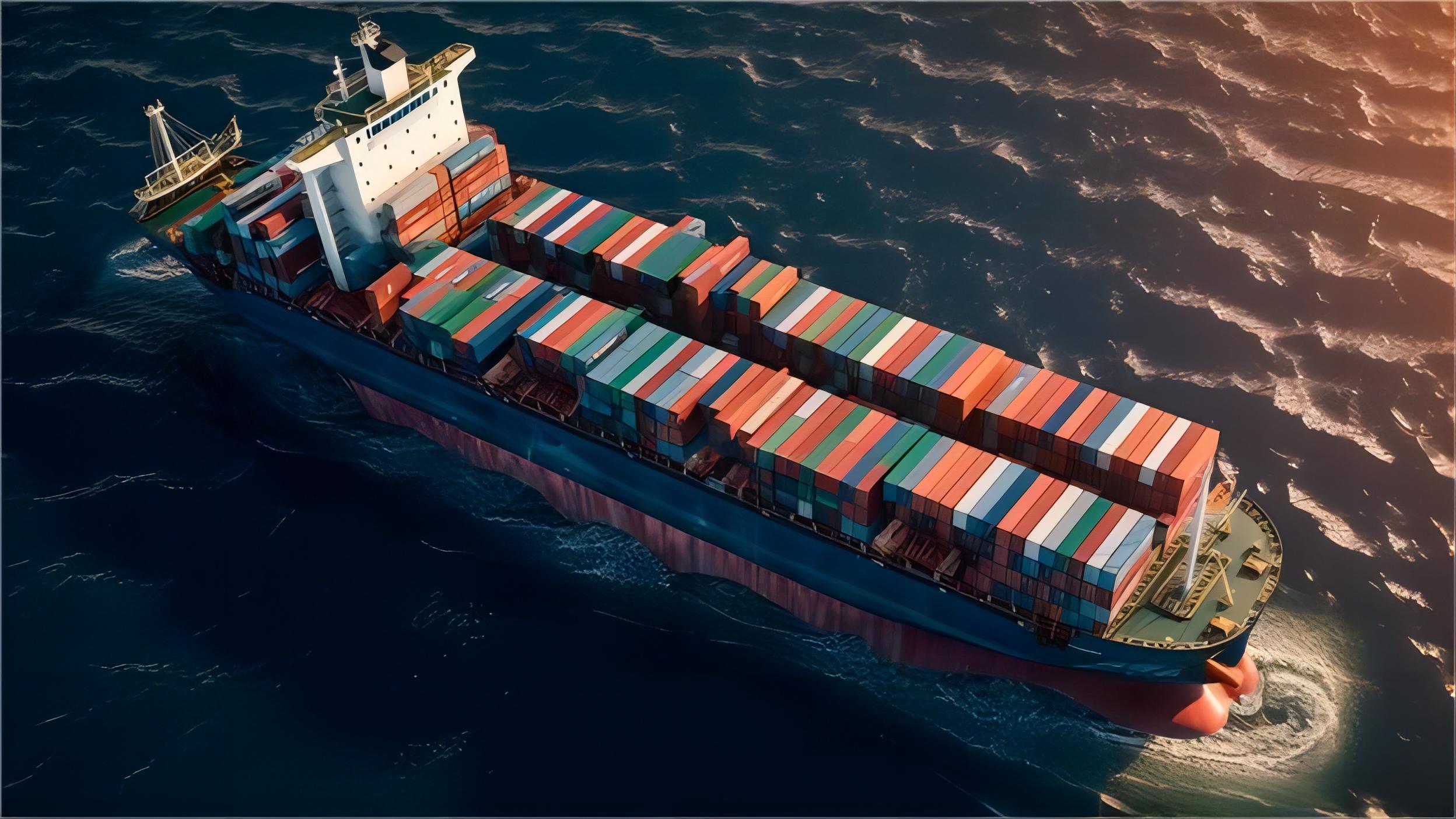
The September logistics landscape is defined by the ramp-up to peak retail season, requiring buyers to prioritize early space allocation above all else. Understanding the baseline constraints of your specific cargo—whether it is high-turnover consumer goods or seasonal electronics—is the first step in avoiding the bottlenecks that typically characterize the late-year surge. Importers must recognize that carrier capacity is not a static resource but a volatile market commodity that tightens significantly as the industry moves toward the Q4 peak.
Effective preparation starts with a rigorous audit of your supplier’s cargo-ready dates against the actual transit lead times required for your destination. When you evaluate how to ship ecommerce inventory safely in September, you are essentially managing a risk-mitigation process that balances speed against the escalating costs of expedited transport. Failure to align these timelines early often leads to reactive, high-cost shipping decisions that erode margins and jeopardize inventory availability for major sales events.
Buyers should leverage professional freight forwarders to gain visibility into port-level status, as regional congestion can shift rapidly during this high-demand month. By establishing a clear baseline of your total volume and commodity type, you can secure more favorable terms and avoid the last-minute surcharges that plague unplanned shipments. Ultimately, early communication with your logistics partner is the most effective tool to ensure your inventory moves through the global network without unnecessary friction or unexpected detention fees.
Field note: Focus on early volume commitment.
Common mistake: Waiting for final production confirmation before booking space.
Risk alert: Carrier blank sailings can disrupt schedules without warning.
How Do Routing and Gateway Choices Affect This Lane?
Selecting the correct gateway is a strategic decision that directly influences both the transit duration and the total landed cost of your ecommerce goods. In September, traditional high-traffic gateways often experience significant dwell times due to the sheer volume of cargo moving through, making alternative port or airport routing a valuable tactical maneuver. Evaluating the proximity of your final distribution hub to the port of entry is essential for minimizing inland drayage costs and reducing the risk of transit-related delays.
Your choice of routing should be based on a thorough analysis of current terminal performance and the availability of inland transport connections. For example, if your inventory is destined for a major regional warehouse, selecting a port that offers direct rail or highway access can significantly accelerate the final-mile delivery process. It is common for importers to overlook the importance of these gateway logistics, focusing only on the main-haul transit while ignoring the potential for congestion at the destination terminal.
To optimize your logistics strategy, work with your freight forwarding partner to simulate different routing scenarios based on real-time port data. By diversifying your entry gateways, you decrease reliance on a single point of failure and gain more control over your delivery windows. This proactive approach to routing is critical for maintaining a competitive edge when the global supply chain is under maximum pressure during the busy September shipping period.
| Equipment Type | Internal Volume (CBM) | Max Payload (kg / lbs) | Optimal Commodity Fit |
|---|---|---|---|
| 20ft Standard (20GP) | 28–30 CBM (26 usable) | 21,800 kg / 48,000 lbs | Dense, heavy cargo (machinery, auto parts, metals) |
| 40ft Standard (40GP) | 58–60 CBM (54 usable) | 26,500 kg / 58,400 lbs | General packaged cargo, standard palletized loads |
| 40ft High Cube (40HQ) | 68–76 CBM (68 usable) | 26,500 kg / 58,400 lbs | Bulky, lightweight goods (furniture, textiles, electronics) |
| 45ft High Cube (45HQ) | 85–86 CBM (78 usable) | 27,500 kg / 60,600 lbs | High-volume consumer retail distribution |
Field note: Analyze port-to-warehouse connectivity.
Common mistake: Ignoring inland drayage limitations at secondary ports.
Risk alert: Unexpected terminal strikes or labor shortages can freeze cargo.
Critical Checklist: Documents and Compliance on This Lane

Documentation accuracy is the single most important factor in preventing customs holds that can keep your inventory trapped in limbo. As you prepare to ship your inventory, ensure that your commercial invoice, packing list, and transport documents are perfectly aligned with the physical contents of your shipment. Discrepancies between these documents and the actual cargo are the leading cause of inspection delays, which can quickly spiral into significant storage and demurrage charges that are difficult to contest.
Compliance requirements vary by destination, but standard documents such as the Bill of Lading or Air Waybill must be meticulously completed to reflect the correct consignee, notifying party, and cargo description. For ecommerce businesses, providing clear and detailed product descriptions is vital for proper HTS classification, which in turn determines the correct duties and taxes owed at the border. Failure to provide accurate classification data often triggers manual reviews by customs authorities, adding days or even weeks to your arrival timeline.
Maintain a centralized digital repository for all shipping documents to ensure that your customs broker has immediate access to the files necessary for clearance. Regularly review your compliance procedures to stay updated on any changes in trade regulations or mandatory filings required for your specific commodity. By treating documentation as a core operational pillar rather than a clerical task, you protect your business from unnecessary administrative hurdles and ensure the smooth flow of goods into your warehouse or fulfillment center.
Field note: Digital document management is essential.
Common mistake: Using generic product descriptions that trigger HTS audits.
Risk alert: Inaccurate weight declarations can lead to heavy carrier penalties.
What Transit Timeline Should You Expect?
The transit timeline for ecommerce inventory during September is highly sensitive to carrier capacity and terminal throughput, often requiring a 10 to 15 percent buffer over standard non-peak shipping times. While ocean freight provides the most cost-effective solution for large volumes, it is also the most susceptible to schedule disruptions and blank sailings during the peak season. Air freight, by contrast, offers superior speed but at a significantly higher price point, making it a strategic choice for high-value items or urgent replenishment needs.
When planning your transit schedule, ensure you account for the entire door-to-door journey rather than just the port-to-port main haul. This includes the time required for export customs clearance at the origin, the transit time on the water or in the air, and the subsequent time for import clearance and final-mile delivery at the destination. Many shippers fail to realize that the ‘last mile’ is often where the most significant delays occur, particularly during high-volume periods when local drayage services are stretched thin.
We recommend building a realistic, multi-stage timeline that incorporates specific milestones for cargo-ready, booking confirmation, vessel/flight departure, and estimated arrival. By monitoring these milestones closely, you can identify potential delays early and implement contingency plans, such as shifting from ocean to sea-air or adjusting your inventory distribution strategy. Transparency in your transit planning is the key to maintaining customer satisfaction and ensuring your products are available for sale as soon as they reach your facility.
| Mode | Average Transit | Peak Buffer | Best For |
|---|---|---|---|
| Ocean FCL | 25-35 Days | 10-14 Days | Large Replenishment |
| Ocean LCL | 30-40 Days | 14-20 Days | Small/Medium Lots |
| Air Express | 3-7 Days | 2-3 Days | High-Value Urgent |
| Sea-Air | 15-20 Days | 5-7 Days | Balanced Cost/Speed |
Field note: Always add a 15% buffer for peak season.
Common mistake: Calculating transit time based only on port-to-port schedules.
Risk alert: Carrier schedule changes occur frequently in September.
How Are Landed Costs Typically Built?
Landed cost is the total price of a product once it has arrived at your door, including all shipping, duties, taxes, and service fees incurred along the way. Understanding how these costs are built is fundamental to maintaining your profit margins, as hidden fees like terminal handling charges, document fees, and drayage can quickly accumulate if not properly budgeted. For ecommerce importers, the total cost must also include the expenses associated with warehouse receiving, labeling, and inventory management.
Your cost structure should be broken down into three primary buckets: origin charges, international transportation, and destination accessorials. Origin charges often include local trucking, export customs, and warehouse consolidation fees, while international transportation covers the freight rate itself and fuel surcharges. Destination accessorials are the most volatile, including port charges, drayage, customs clearance fees, and final-mile delivery costs, all of which can vary depending on the efficiency of the receiving terminal.
To effectively manage your landed costs, work with a professional logistics provider to obtain an itemized freight forwarding proposal that covers all potential line items. By clarifying the Incoterms—whether you are working under FOB, EXW, or DDP—you define who is responsible for each stage of the transport and the associated financial liability. A well-constructed landed cost model provides the clarity needed to make informed pricing and sourcing decisions, ensuring your business stays profitable even when freight rates are fluctuating.
Field note: Use itemized quotes to avoid surprises.
Common mistake: Overlooking destination warehouse handling fees.
Risk alert: Incoterms confusion often leads to double-billing of freight charges.
Which Documents and Compliance Checks Apply?
Compliance checks are the gatekeepers of the international trade process, ensuring that all goods entering the country meet national safety and regulatory standards. Depending on the product category, you may be required to provide specific certifications, such as technical compliance documentation for electronics or food-grade safety certificates for consumables. These checks are mandatory and must be completed before your goods can be released from customs control, making early preparation non-negotiable.
The regulatory landscape is constantly evolving, and importers must stay informed about any new requirements that might affect their specific commodities. For example, seasonal biosecurity checks or changes in tariff classifications can trigger additional inspections, which not only increase your costs but also add significant delays to your delivery timeline. Working with a customs brokerage team that specializes in your product vertical is the best way to navigate these challenges and ensure that your compliance filings are always submitted correctly.
Proactively identifying the compliance requirements for your goods allows you to integrate these steps into your overall shipping schedule. By ensuring that all necessary certifications are in order before the cargo even leaves the origin, you minimize the likelihood of customs holds and ensure a seamless entry process. Remember that the responsibility for compliance ultimately rests with the importer, so maintaining rigorous oversight of your documentation is a vital part of protecting your supply chain from unexpected disruptions.
| Document / Filing | Submission Window | Responsible Party | Clearance Impact |
|---|---|---|---|
| Customs Import Declaration | Prior to cargo discharge | Licensed Broker / Consignee | Terminal demurrage |
| Commercial Invoice & Packing List | Before vessel departure | Shipper / Exporter | Documentation hold |
| Master / House Bill of Lading | Post-departure confirmation | Freight Forwarder | Release freeze |
| Certificate of Origin (if req) | Prior to import duty assessment | Chamber of Commerce | Loss of tariff relief |
Field note: Verify all product-specific certifications early.
Common mistake: Failing to update HTS codes for new product versions.
Risk alert: Non-compliance can lead to shipment seizure or heavy fines.
How Do Peak Seasons Affect Capacity and Pricing?
September marks the beginning of the most intense period for global logistics, as shippers rush to get their inventory moved before the end-of-year holiday rush. This spike in demand naturally leads to a significant increase in freight rates and a tightening of available capacity across all modes of transport. Importers who wait until the last minute to secure space often find themselves paying premium rates or facing long delays, as carriers prioritize long-term partners and high-volume accounts during this time.
To navigate this environment, it is essential to adjust your procurement and shipping strategies to account for the seasonal volatility. This might mean placing your orders earlier than usual, consolidating smaller shipments to maximize container utilization, or exploring alternative transport modes that are less susceptible to the peak-season crunch. By demonstrating flexibility and providing your forwarder with clear, accurate volume projections, you can often secure better rates and more reliable space allocations, even when the market is at its most competitive.
Monitoring carrier performance and market trends during September is crucial for adjusting your logistics plan in real-time. If you see signs of capacity tightening on your primary trade route, consider diversifying your transport options to ensure you have a backup plan in place. By staying informed and maintaining a collaborative relationship with your logistics provider, you can manage the impact of peak season on your bottom line and keep your ecommerce business operating smoothly throughout the busiest months of the year.
Field note: Peak season requires 30-60 day planning horizons.
Common mistake: Relying on spot rates during high-demand months.
Risk alert: Capacity shortages are common in September.
What Is the Step-by-Step Process from Quote to Delivery?
The process of shipping ecommerce inventory effectively involves a structured, multi-step approach that ensures every detail is accounted for from the moment of booking. It begins with a comprehensive shipment profile capture, where you define the cargo-ready date, total volume, commodity details, and required Incoterms. This foundational data allows your freight forwarder to build an accurate, itemized proposal that covers all aspects of the journey, from origin pickup to destination delivery, minimizing the risk of hidden costs.
Once the quote is accepted and the booking is confirmed, the focus shifts to documentation and compliance alignment. This involves preparing all necessary export filings, verifying HTS codes, and ensuring that the packing list and commercial invoice are perfectly accurate. With the documentation finalized, the carrier space is secured, and the cargo is moved through the export gateway. Milestone tracking becomes the priority during the main haul, as you monitor the movement of your goods and prepare for the arrival and clearance process at the destination.
The final phase of the process is the destination release and delivery, where the cargo is cleared through customs and transported to your warehouse or distribution center. This step requires close coordination between your customs broker, the carrier, and the destination transport provider to ensure a smooth handoff. By following this systematic process, you can maintain visibility over your inventory at every stage of the journey and quickly resolve any issues that may arise, ensuring your product is ready for sale on schedule.
Field note: Standardization is key to efficiency.
Common mistake: Skipping the final milestone audit at delivery.
Risk alert: Failure to coordinate the handoff between customs and drayage.
Decision Framework
By volume: Capture CBM/kg first; under ~2 CBM often fits express/air, mid volumes need LCL/FCL comparison, and oversized lots require dedicated equipment quotes.
By speed: Urgent windows under ~7 days favor air/express; standard replenishment can use ocean or multimodal once cargo-ready timing is locked.
By cargo profile: Flag DG, temperature-control, or oversized handling before award—these change both documentation and carrier acceptance paths.
Real-World Corridor Case Studies
An importer moved mixed cartons on a scoped international lane. The forwarder aligned commercial invoice, packing list, and the destination national import declaration before mainhaul departure.
A distributor routed equipment components with early broker coordination so destination release and final-mile delivery stayed inside free-time windows.
Execution Checklist for How to Ship Ecommerce Inventory
Successfully managing your inventory during the September peak requires a blend of proactive planning and responsive execution. By following the steps outlined in this guide—from careful documentation and gateway selection to strategic landed cost management—you can avoid the common pitfalls that threaten retail success. Always verify your cargo-ready dates and ensure your logistics partner is aligned with your delivery milestones, as clear communication remains the most effective tool in your inventory management arsenal.
As you move forward with your shipping decisions, remember that transparency is the best defense against supply chain friction. If you are ready to secure your space and optimize your logistics strategy, reach out to our team for a detailed, itemized proposal that addresses your specific cargo needs. With the right preparation, you can ensure that your inventory arrives on time and within budget, setting the stage for a highly successful Q4 sales season.
Process and Checkpoints
Shipment Profile Capture
Confirm cargo-ready date, CBM/weight, commodity, HS code, and Incoterms.
Mode & Service Scope Selection
Compare air / LCL / FCL (or specialty) against transit and landed-cost targets.
Documentation & Compliance Gate
Align commercial invoice, packing list, and any specialty filings before booking.
Space Booking & Cut-off Lock
Reserve carrier/co-loader space and confirm export cut-off windows in writing.
Mainhaul & Milestone Tracking
Monitor departure, arrival, and exception alerts against the awarded transit plan.
Destination Release & Delivery
Clear destination formalities and complete final-mile delivery to the agreed door.
Confirm the right route for your shipment
Ready to turn your shipping research into an actionable strategy? Share your cargo details, including destination and timing, to receive a professional proposal today.
Request a route reviewFrequently Asked Questions
How do destination demurrage and detention charges accrue on 40HQ containers?
Demurrage and detention charges accrue when a container remains at a terminal or is held beyond the allotted free time. These fees are calculated daily and can escalate rapidly during peak seasons when port congestion is high.
What hidden accessorial fees often cause freight invoice shocks?
Hidden fees often include terminal handling charges (THC), documentation processing fees, fuel or peak season surcharges, and emergency drayage costs. Always request an itemized, all-in quote to identify these potential expenses upfront.
Which documents must be verified prior to requesting a Telex release?
Before requesting a Telex release, you must verify that the original Bill of Lading has been surrendered by the shipper and that all outstanding freight payments have been cleared by the carrier.
How can multi-supplier shippers prevent CFS dead-space penalties?
Multi-supplier shippers can prevent CFS penalties by consolidating cargo in a single warehouse prior to booking, ensuring containers are loaded to optimal CBM capacity rather than shipping partially filled units.
When is the mandatory cut-off time for submitting entry documentation?
The cut-off time varies by mode and destination, but for ocean shipments, entry filings are typically required well before vessel arrival to ensure timely customs clearance and prevent terminal storage fees.
Where does the freight forwarder take legal custody of multi-supplier cargo?
Legal custody is typically transferred at the point where the freight forwarder or their authorized agent receives the goods at the origin warehouse or CFS, as evidenced by the Warehouse Receipt or Forwarder’s Receipt.
Freight rates are subject to change based on carrier capacity, fuel costs, market demand, and seasonal fluctuations. Contact Top China Freight for an up-to-date quotation.
This guide is for informational purposes only and does not constitute legal, tax, or customs advice.
Benchmarks reflect standard 2026 practice for this corridor.