
Choosing the Best Global Logistics Partner for International Business Expansion
“By partnering with Top China Freight, buyers gain factory-direct clarity on specs, lead times, and landed expectations. Selecting the right global logistics partner for international business expansion is a critical decision for any company aiming to scale operations effectively. By partnering with experts at Top China Freight.net/, businesses can navigate complex regulatory environments while ensuring seamless cargo flow. A strategic logistics approach minimizes transit risks and maximizes profitability.”
✦
Why Your Global Logistics Partner for International Business Expansion Matters
International expansion requires a robust supply chain that can adapt to volatile market conditions. Your logistics partner acts as the backbone of your operations, handling everything from customs brokerage to complex freight forwarding.
Moreover, an experienced provider offers local expertise in destination countries. This knowledge is essential for avoiding costly delays and navigating regional trade compliance requirements effectively.
Key Services to Streamline Your Global Supply Chain
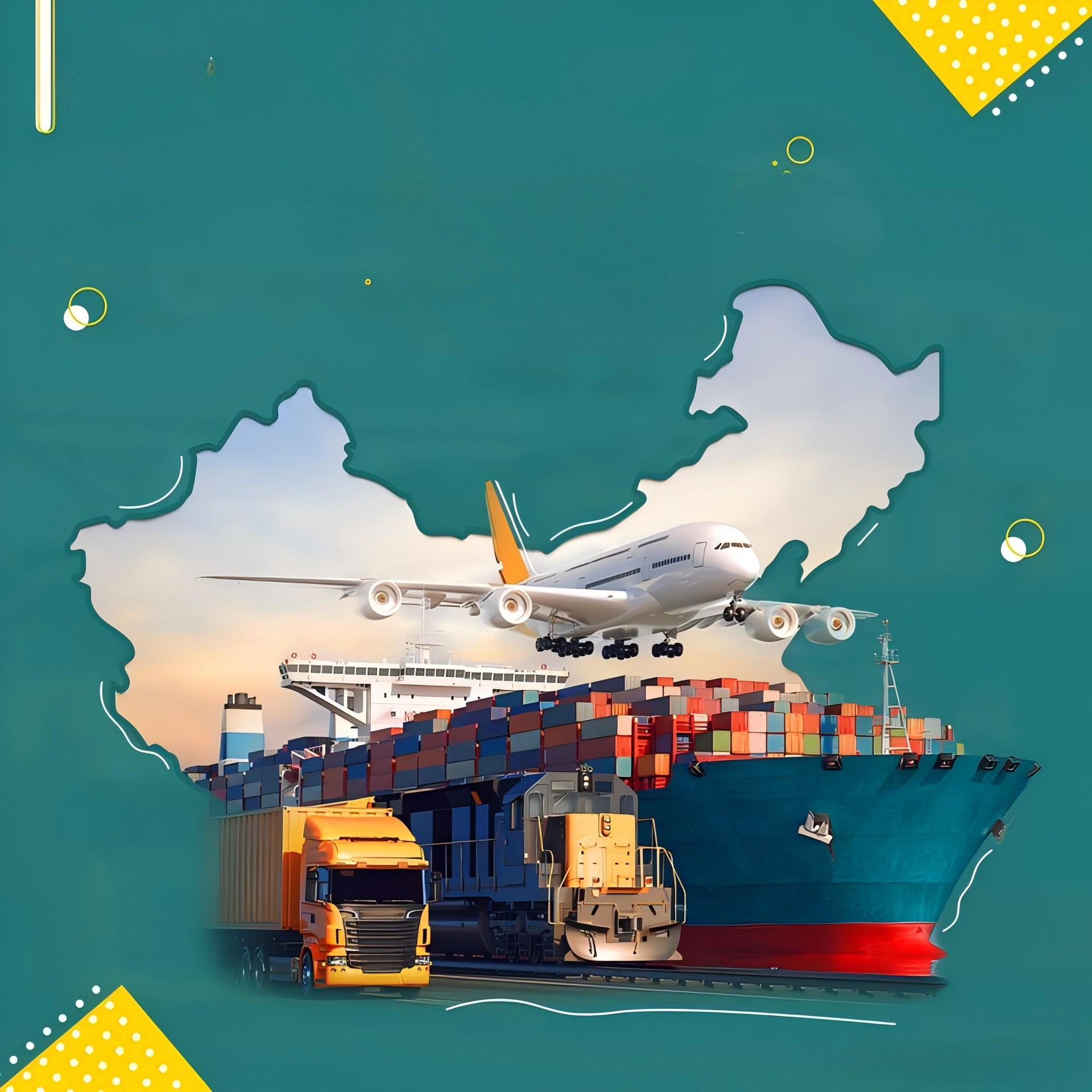
Efficiency is achieved through specialized services tailored to specific cargo needs. Whether you require fast air transit or cost-effective sea solutions, selecting the right service is paramount.
For instance, you can utilize sea freight for bulk inventory to optimize your cost per unit. Additionally, air freight provides the speed necessary for high-value or time-sensitive product launches.
Furthermore, utilizing rail freight offers a middle-ground solution for cross-continental shipments. For e-commerce brands, Amazon FBA integration simplifies inventory management, while customs brokerage ensures your goods clear borders without administrative friction.
How Does Sea Freight Compare to Other Shipping Options?
Comparing shipping modes allows businesses to balance transit time with overall logistics expenditure. While sea transport remains the gold standard for volume, air and rail serve distinct strategic purposes.
As of early 2026, market stability has improved, yet fuel surcharges continue to influence freight rates. Consequently, businesses must evaluate their specific cargo handling requirements against these standard industry benchmarks.
| Shipping Method | Cost Range | Transit Time | Best For |
|---|---|---|---|
| Sea Freight | Low | 28-40 Days | Bulk Goods |
| Air Freight | High | 3-7 Days | Urgent Cargo |
| Rail Freight | Medium | 15-20 Days | High Value Land Cargo |

Navigating Market Trends for Successful Business Expansion
Modern logistics trends emphasize visibility and real-time tracking. Companies that prioritize advanced supply chain management tools gain a competitive advantage in global markets.
Additionally, diversifying your shipping routes helps mitigate risks associated with port congestion or geopolitical instability. Indeed, a proactive approach to logistics planning is the hallmark of a successful international enterprise.
Strategic Success Through Logistics
Securing a reliable global logistics partner for international business expansion is not merely an operational necessity but a strategic priority. By leveraging professional freight solutions, you create a foundation for sustainable growth.
In summary, focus on clear communication, efficient transit planning, and robust compliance to thrive in global trade. Start your journey toward seamless international expansion today.