
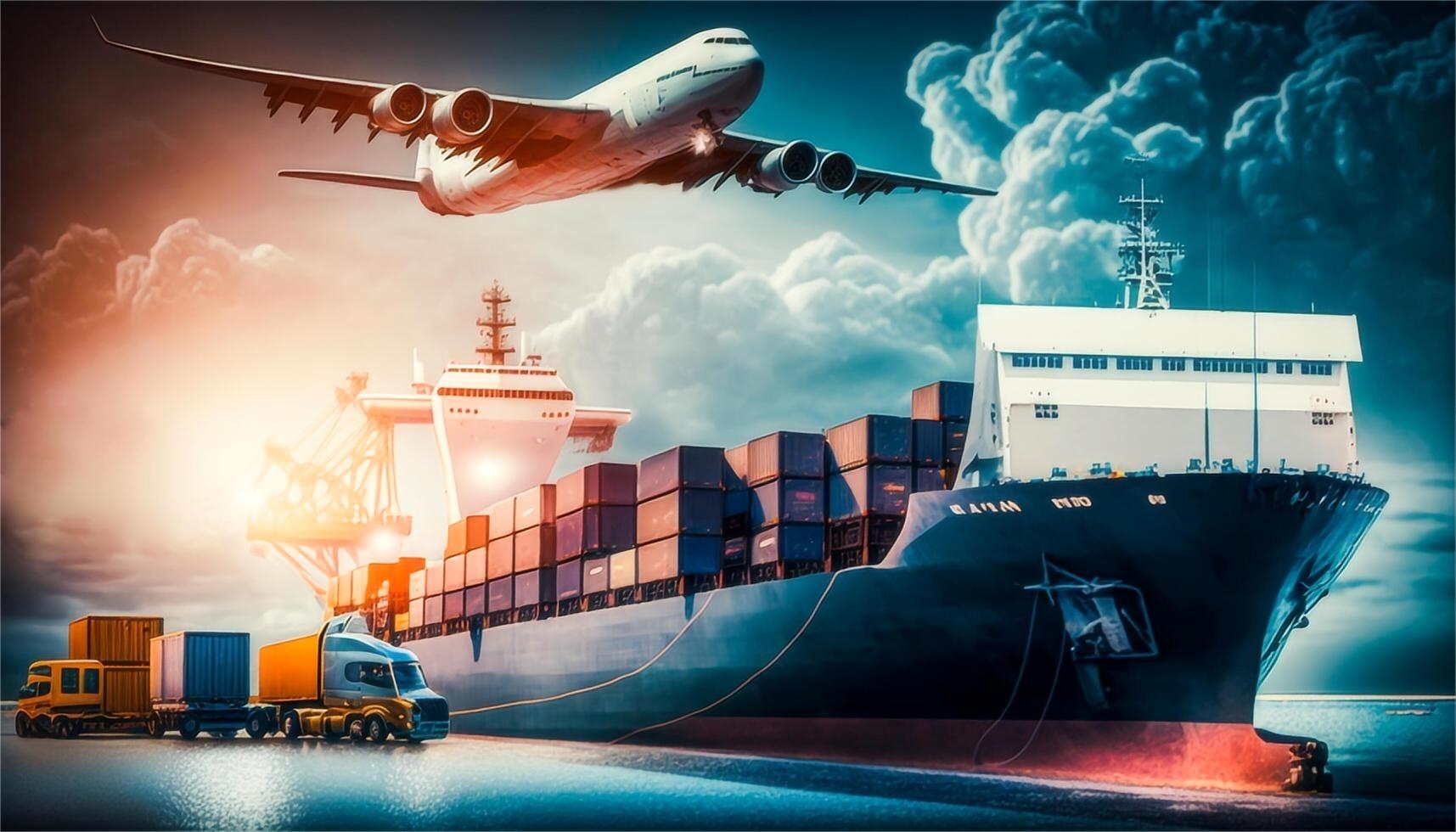
Choosing the Right Inventory Distribution Partner for Global Supply Chains in 2026
Finding a reliable inventory distribution partner for global supply chains is essential for modern businesses aiming to scale operations efficiently. Whether you are expanding into new markets or streamlining existing logistics, Top China Freight provides the expertise needed to navigate international trade. Visit https://Top China Freight.net/ to learn how we can support your business goals today.

Why Partner with an Inventory Distribution Expert?
Managing complex supply networks requires specialized knowledge of international regulations and local market demands. A dedicated partner ensures that your goods move seamlessly across borders, minimizing delays and unexpected expenses.
Additionally, outsourcing your distribution allows your team to focus on core activities like product development and marketing. By leveraging professional networks, you gain access to optimized routes and competitive freight rates that are otherwise difficult to secure.
For companies shipping high-volume goods, sea freight remains the most cost-effective solution for long-distance transport. However, balancing transit time with budget is key to maintaining consistent inventory levels.
Key Logistics Services for Global Expansion
Success in global markets depends on selecting the right service for each product category. For time-sensitive electronic components, air freight offers the speed necessary to meet strict delivery schedules.
Meanwhile, businesses targeting inland markets in Eurasia can utilize rail freight as a balanced alternative between cost and speed. This mode is increasingly popular for its reliability and lower carbon footprint compared to air shipping.
Furthermore, e-commerce brands often require specialized fulfillment support. Utilizing Amazon FBA services allows sellers to automate their storage and distribution processes effectively.
How Does Your Chosen Shipping Method Compare?
Selecting the optimal transport method involves analyzing trade-offs between speed, cost, and cargo requirements. For instance, direct routes typically cost more but offer faster transit times compared to transshipment options.
The following table outlines the primary differences between common shipping methods used in 2026 to help you make an informed decision for your distribution strategy.
| Method | Cost | Transit Time | Best For |
|---|---|---|---|
| Air Freight | High | 3-7 Days | Urgent/High-Value |
| Sea Freight | Low | 25-45 Days | Bulk Goods |
| Rail Freight | Medium | 15-22 Days | Inland Eurasia |
| Express | Very High | 2-5 Days | Small Parcels |
Strategic Regional Logistics Solutions
Expanding into North America requires navigating complex customs requirements and diverse regional distribution hubs. Consequently, having a partner who understands local port operations is critical for maintaining a steady delivery schedule.
Similarly, shipping to Europe involves strict compliance with regional safety and environmental standards. Expert guidance ensures that your customs brokerage processes are handled without unnecessary bottlenecks.
Finally, for businesses operating in Australia, efficient door to door delivery services simplify the entire import cycle. This approach reduces the number of intermediaries, thereby lowering overall handling risks.
Case Study: Optimizing Distribution Efficiency
Case Study 1: Electronics Distribution to North America
Route: Shenzhen, China to Los Angeles, USA. Cargo: Consumer electronics, 50 CBM. Shipping Method: Sea Freight. Transit Time: 18 days. Total Landed Cost: $4,200. Key Insight: By using a direct port-to-port route during the off-peak season, the client reduced shipping costs by 15% compared to previous years.
Case Study 2: Apparel Logistics to Europe
Route: Shanghai, China to Hamburg, Germany. Cargo: Fashion garments, 20 CBM. Shipping Method: Rail Freight. Transit Time: 20 days. Total Landed Cost: $3,500. Key Insight: Choosing rail over sea allowed the client to restock their seasonal inventory two weeks faster, capturing peak demand trends.
Final Thoughts on Global Distribution
In summary, a professional inventory distribution partner for global supply chains acts as a catalyst for your business growth. By integrating the right freight services and staying informed on market conditions, you can effectively manage costs and transit times.
Indeed, the complexities of international trade demand a proactive strategy. Start optimizing your supply chain today to gain a competitive advantage in the 2026 global marketplace.
Ready to streamline your logistics?
Are you ready to streamline your international logistics? Contact our team today to request a quote and find the perfect inventory distribution partner for global supply chains.
Request Quote