
Sea Freight China to Australia Cost: 2026 Rates and Guide
Navigating the complexities of international trade requires a precise understanding of the sea freight china to Australia cost to maintain healthy profit margins. As global markets evolve in 2026, businesses must adapt to changing logistics landscapes and fluctuating carrier rates. Top China Freight provides the expertise needed to manage these shipments efficiently and cost-effectively. Whether you are a small business owner or a large enterprise, knowing how to calculate your total landed cost is the first step toward a successful import strategy.
What Factors Influence the Sea Freight China to Australia Cost in 2026?
Determining the final price for shipping goods involves several dynamic variables that change based on market conditions. For instance, fuel surcharges remain a significant component of the total expense as carriers adjust to 2026 environmental standards. Additionally, the specific port of origin in China and the final destination in Australia play a critical role in distance-based pricing.
Moreover, seasonal demand significantly impacts how much you will pay for container space during peak periods. High-volume months, particularly leading up to major holidays, often see rates climb by 20 percent or more. Consequently, planning your shipments well in advance can help you avoid these sudden price spikes and secure better terms with freight forwarders.
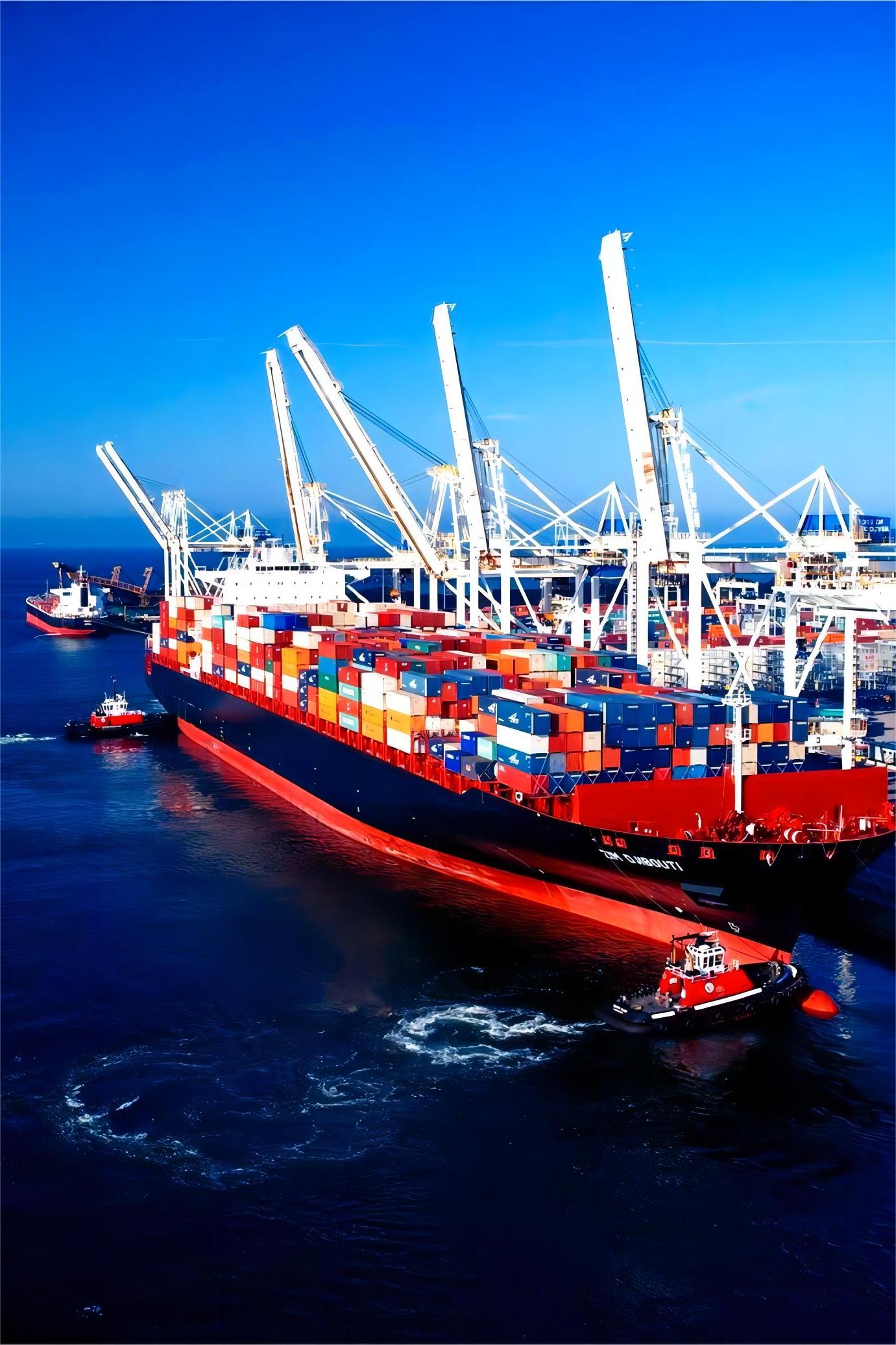
Furthermore, port congestion and labor availability at major hubs like Shanghai or Sydney can introduce unexpected surcharges. Carriers often implement congestion fees when wait times at berths exceed standard operational windows. Therefore, staying informed about the current status of major shipping lanes is essential for accurate budgeting.
FCL vs. LCL: Which Sea Freight Method is Most Cost-Effective?
Choosing between Full Container Load and Less than Container Load is one of the most important decisions affecting your sea freight expenses. FCL is generally more economical for larger shipments that can fill an entire 20-foot or 40-foot container. In contrast, LCL allows you to pay only for the volume you use, which is ideal for smaller cargo loads under 15 cubic meters.
However, LCL shipments often incur higher handling fees per unit because the cargo must be consolidated and later deconsolidated at the destination. Meanwhile, FCL offers better security and faster transit times since the container remains sealed from the point of origin to the final delivery. Indeed, the choice depends heavily on your specific volume and how quickly you need the goods to arrive.
Without a doubt, understanding the price break-points between these two methods can save your business thousands of dollars annually. For example, if your shipment exceeds 13 or 14 cubic meters, it often becomes cheaper to book a full 20GP container rather than paying LCL rates. Accordingly, you should always request quotes for both options when your cargo volume is in that middle range.
| Container Type | Capacity (CBM) | Estimated Cost (USD) | Best For |
|---|---|---|---|
| 20GP Container | 33 CBM | $900 – $1,300 | Heavy or dense goods |
| 40GP Container | 67 CBM | $1,400 – $1,900 | Large volume cargo |
| 40HQ Container | 76 CBM | $1,600 – $2,200 | Light, bulky items |
| LCL (per CBM) | Variable | $60 – $95 | Small shipments |
How Does Sea Freight Compare to Other Shipping Options?
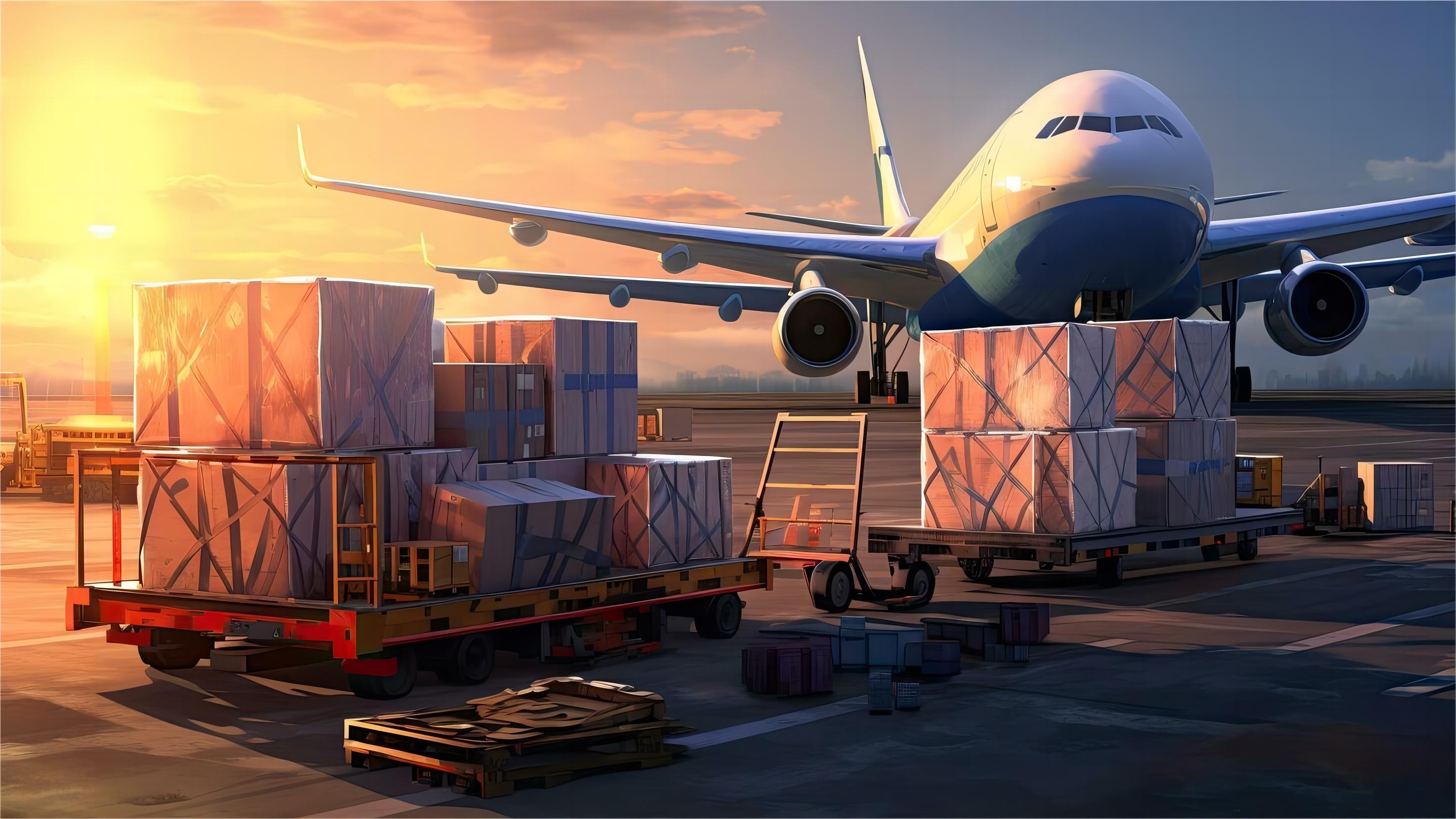
While sea freight is the most common method for transporting goods to Australia, it is not the only option available. Air freight provides a much faster alternative for urgent shipments, though it comes at a significantly higher price point. For instance, shipping a 500kg pallet by air might cost five to ten times more than sending it by sea.
On the other hand, sea freight offers the capacity to move massive quantities of goods that would be physically impossible or financially ruinous to send via air. Additionally, sea transport is often considered more environmentally friendly due to the lower carbon footprint per ton of cargo. Consequently, most businesses use sea freight as their primary supply chain backbone while reserving air freight for emergencies.
To summarize, the trade-off between speed and cost is the primary factor in this decision-making process. If your inventory turnover is high and the goods have a short shelf life, the higher cost of air freight may be justified. Nevertheless, for the vast majority of consumer goods and industrial materials, the sea route remains the superior choice for long-term sustainability.
| Method | Cost Range | Transit Time | Weight/Volume |
|---|---|---|---|
| Sea Freight | Low | 12 – 22 Days | High / Unlimited |
| Air Freight | High | 3 – 7 Days | Low to Medium |
| Express | Very High | 2 – 4 Days | Small Parcels |
Understanding the Difference Between Port-to-Port and Door-to-Door Services
When calculating the sea freight china to Australia cost, you must distinguish between basic port-to-port rates and comprehensive Door to Door services. A port-to-port quote only covers the ocean transit, leaving you responsible for local trucking, warehouse handling, and customs at both ends. In contrast, a door-to-door service manages the entire journey from the supplier’s warehouse to your final destination.
Moreover, choosing a full-service option often simplifies the logistics process and reduces the risk of hidden fees appearing late in the transaction. For example, inland haulage costs in Australia can be surprisingly high if not negotiated as part of a larger package. Consequently, many importers prefer the transparency of an all-in rate to avoid the administrative burden of managing multiple service providers.
Specifically, door-to-door shipping is highly recommended for those who do not have their own logistics department or established relationships with local trucking companies. While the initial quote may look higher, the total landed cost is often more predictable and manageable. Therefore, evaluate your internal capabilities before deciding which service level best suits your business needs.
Navigating Customs Duties and Import Regulations in Australia
Importing goods into Australia involves more than just paying the freight carrier; you must also account for government taxes and compliance fees. Utilizing a professional customs brokerage service is often the best way to ensure your cargo clears the border without costly delays. In 2026, Australian Customs and Biosecurity regulations remain some of the strictest in the world.
Indeed, most imported goods are subject to a 10 percent Goods and Services Tax (GST) based on the value of the items plus the cost of shipping and insurance. Additionally, certain product categories may attract specific import duties depending on their country of origin and classification. As a result, failing to correctly classify your goods can lead to significant fines or even seizure of the cargo.
Furthermore, biosecurity processing fees are mandatory for all sea freight containers entering Australian ports to prevent the introduction of pests and diseases. These fees cover the inspection and, if necessary, the treatment of packing materials like timber pallets. Accordingly, ensuring your supplier uses compliant packaging can help you avoid additional fumigation costs and speed up the clearance process.
Shipping to Amazon FBA Australia: Cost Considerations
For e-commerce sellers, managing the sea freight china to Australia cost specifically for Amazon FBA requires careful planning of palletization and labeling. Amazon has very strict requirements for how goods must be delivered to their fulfillment centers, and non-compliance can result in rejected shipments. Consequently, many sellers use specialized freight forwarders who understand these unique constraints.
In addition to standard shipping fees, you must also consider the cost of labeling and prepping items to meet Amazon’s standards before they leave China. Furthermore, the transit time must be factored into your inventory management to ensure you do not run out of stock during peak sales seasons. Therefore, a reliable shipping partner is essential for maintaining a high seller rating and consistent sales volume.
Moreover, Amazon FBA shipments often utilize LCL shipping for initial product launches or smaller restocks to minimize capital tied up in inventory. Once a product is established, switching to FCL can significantly reduce the per-unit shipping cost. In contrast, managing these logistics yourself can be overwhelming, so outsourcing to an expert FBA forwarder is usually the most profitable strategy.
Real-World Case Studies: Sea Freight China to Australia Cost Examples
To provide a clearer picture of actual expenses, we have compiled recent examples of shipments handled in early 2026. These cases illustrate how different cargo types and volumes translate into final costs. Note that these rates are based on market averages and are subject to change based on specific carrier availability and fuel prices.
Case Study 1: Electronics from Shenzhen to Sydney. A business imported a 20GP container filled with consumer electronics. The ocean freight cost was $1,150, with origin charges of $300 and destination port fees of $450. After adding customs clearance and local delivery, the total landed cost was approximately $2,400, with a transit time of 14 days.
Case Study 2: Furniture from Ningbo to Melbourne. An importer used LCL service for 8 cubic meters of outdoor furniture. The freight rate was $75 per CBM, totaling $600 for the ocean portion. However, due to the bulkiness, destination handling fees were $550, and customs duties were higher based on the cargo value. The total door-to-door cost reached $1,850 over a 19-day period.
Case Study 3: Industrial Parts from Qingdao to Perth. A manufacturer required a 40HQ container for heavy machinery components. The ocean freight was $2,100, reflecting the longer distance to Western Australia. Total landed costs, including heavy-lift port charges and specialized trucking, amounted to $3,800. The transit time was 21 days via a direct route.
Which Option Should You Choose? Decision Framework
Selecting the right shipping strategy depends on balancing your budget against your timeline and cargo requirements. If your primary goal is cost minimization and you have flexible deadlines, sea freight FCL is almost always the best choice for large volumes. Conversely, if you are shipping small quantities of high-value goods, LCL or even air freight might be more appropriate.
Moreover, consider the geographical location of your supplier and your Australian warehouse. Shipping from Southern China to Brisbane is generally faster and cheaper than shipping from Northern China to Perth. Consequently, you should optimize your supply chain by choosing ports that minimize inland transport distances on both ends.
Finally, always account for the ‘total landed cost’ rather than just the initial freight quote. This includes insurance, taxes, duties, and local handling fees that can quickly add up. Without a doubt, working with a transparent logistics partner who provides all-inclusive quotes will help you make the most informed decision for your business.

Final Thoughts on Managing Your Shipping Budget
Managing the sea freight china to Australia cost effectively is a vital skill for any modern importer. By understanding the differences between FCL and LCL, navigating customs requirements, and choosing the right service level, you can significantly enhance your business’s competitiveness. Furthermore, staying updated on 2026 market trends allows you to anticipate price changes and plan your inventory accordingly.
Indeed, the lowest initial quote is not always the most economical choice if it leads to delays or hidden fees. Therefore, focus on building a relationship with a reliable freight forwarder who offers transparency and expertise. With the right approach, you can turn your international logistics from a complex challenge into a streamlined part of your business growth.
Start Your Shipment
Ready to optimize your supply chain and reduce your sea freight china to Australia cost? Contact the experts at Top China Freight today for a personalized quote and professional guidance on your next shipment. Visit our website to learn more or send your inquiry directly to our team for a fast response. Visit: https://Top China Freight.net/contact-us/
Request Quote