
Container Shipping China to Canada FCL LCL: 2026 Rates and Guide
Navigating the complexities of container shipping china to Canada FCL LCL is essential for businesses looking to maintain a competitive edge in the global market. Consequently, understanding the nuances of ocean freight can significantly reduce your overhead costs and improve delivery reliability. Top China Freight offers comprehensive logistics solutions designed to streamline your international trade operations from major Chinese ports to Canadian destinations.
How Does Container Shipping China to Canada FCL LCL Work?
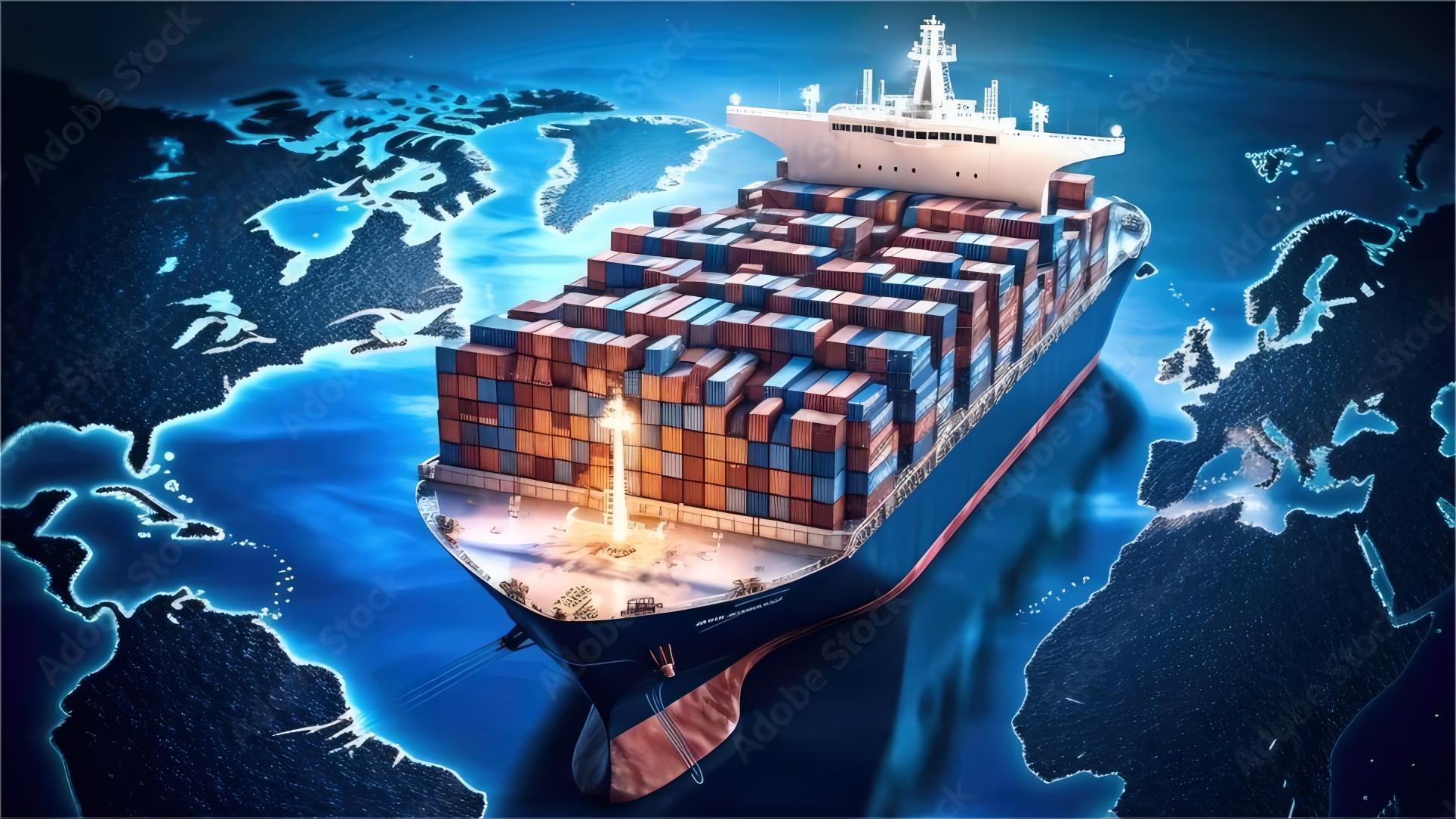
Ocean freight remains the backbone of international trade between China and North America due to its cost-effectiveness for bulk goods. Specifically, businesses must choose between Full Container Load and Less than Container Load based on their total cargo volume and budget constraints.
Choosing sea freight allows importers to move massive quantities of products across the Pacific Ocean with relatively low environmental impact. Moreover, the infrastructure at major ports like Shanghai and Vancouver is optimized for high-efficiency container handling.
Furthermore, the process involves several key stages including booking, cargo loading, export customs clearance, and the actual ocean transit. Each step requires meticulous documentation to ensure the shipment complies with both Chinese export laws and Canadian import regulations.
Consequently, working with an experienced freight forwarder helps mitigate risks associated with port congestion or documentation errors. This professional oversight is particularly vital when managing seasonal fluctuations in the shipping market.
FCL vs LCL: Choosing the Right Ocean Freight Method
Deciding between FCL and LCL is a primary concern for most importers targeting the Canadian market. FCL involves renting an entire 20-foot or 40-foot container for your exclusive use, which often provides better security and faster handling.
In contrast, LCL involves sharing container space with other shippers, making it a budget-friendly option for smaller volumes. However, LCL shipments may experience slightly longer transit times due to the consolidation and deconsolidation processes required at the ports.
Additionally, FCL is generally more economical once your cargo volume exceeds 15 cubic meters. For shipments smaller than this threshold, LCL usually offers the best balance between cost and efficiency for small to medium-sized enterprises.
| Volume | 15 to 68 CBM | 1 to 15 CBM | LCL for small loads |
| Security | High (Sealed) | Moderate (Shared) | FCL for fragile goods |
| Cost | Flat rate per box | Rate per CBM | FCL for bulk |
| Speed | Faster transit | Longer (Sorting) | FCL for urgency |
How Does Sea Freight Compare to Other Shipping Options?
While sea freight is the most common method, it is important to analyze how it stands against air and multimodal alternatives. Air freight offers unparalleled speed, which is critical for high-value or perishable items that cannot wait weeks at sea.
On the other hand, sea freight costs are significantly lower, often representing only 10% to 15% of the cost of air transport for the same volume. Therefore, businesses must weigh the trade-off between the speed of delivery and the total landed cost of their products.
Moreover, hybrid solutions like sea-air combinations can offer a middle ground for shipments that are too heavy for pure air freight but too urgent for standard ocean transit. These strategies are increasingly popular in the 2026 logistics landscape to combat supply chain disruptions.
| Sea Freight | 2,000 to 5,500 USD | 18 to 35 Days | Bulk & Heavy Goods |
| Air Freight | 5.00 to 12.00 USD/kg | 3 to 7 Days | High-value Electronics |
| Express | 8.00 to 15.00 USD/kg | 2 to 5 Days | Samples & Documents |
Current Market Trends and Shipping Rates for 2026
As of early 2026, freight rates from China to Canada have stabilized following the global logistics shifts of previous years. Market data suggests that while fuel surcharges remain a factor, carrier capacity has reached a healthy equilibrium with demand.
Typical rates for a 40HQ container from Shenzhen to Vancouver currently range between 2,800 and 3,800 USD, depending on the season. Meanwhile, shipping to East Coast ports like Montreal or Halifax can cost between 4,500 and 6,000 USD due to the longer distance and canal fees.
Indeed, peak season surcharges typically apply from August through October as retailers prepare for the holiday rush. Consequently, booking at least 4 to 6 weeks in advance is highly recommended to secure space and avoid premium pricing spikes.
Note: Freight rates are subject to change based on fuel costs, carrier capacity, and seasonal demand. Contact us for a current quote tailored to your specific shipment.
Understanding Transit Times for Container Shipping
Transit times for container shipping china to Canada FCL LCL vary greatly depending on the specific port of departure and the final destination. Shipments to the West Coast are significantly faster because they involve a direct trans-Pacific route without the need for rail or canal transit.
For example, a direct vessel from Shanghai to Vancouver usually takes about 14 to 18 days. In contrast, shipping to Toronto or Montreal often involves a combination of sea transit to Vancouver followed by rail transport, totaling 25 to 35 days.
Furthermore, port congestion and customs processing can add several days to the total door-to-door timeline. Therefore, it is essential to build a buffer into your supply chain schedule to account for potential unforeseen delays at major hubs.
| Ningbo | Vancouver | 16 to 20 | Direct Sea |
| Shenzhen | Prince Rupert | 15 to 18 | Direct Sea |
| Shanghai | Toronto | 28 to 35 | Sea + Rail |
| Qingdao | Montreal | 32 to 40 | Sea + Rail |
Customs Documentation and Import Regulations in Canada
Navigating Canadian customs requires a thorough understanding of the Canada Border Services Agency (CBSA) requirements. Utilizing professional customs brokerage services ensures that all duties and taxes are calculated accurately to avoid costly penalties.
Specifically, you will need a Commercial Invoice, a Packing List, and a Bill of Lading for every shipment. Additionally, certain goods may require a Canada Customs Invoice (CCI) if the value exceeds 2,500 CAD, alongside specific permits for regulated items.
Moreover, the implementation of the CARM (CBSA Assessment and Revenue Management) portal has changed how importers interact with the government. Consequently, businesses must ensure they are properly registered within the system to facilitate seamless cargo release upon arrival.
Alternative Strategies for Cost-Effective Logistics
To maximize savings, many businesses are adopting door to door shipping models that consolidate all logistics costs into a single quote. This approach reduces the administrative burden and provides better visibility over the entire shipping journey.
Another effective strategy involves optimizing your packaging to reduce the total CBM for LCL shipments. By minimizing wasted space within boxes and pallets, you can significantly lower your freight costs over time.
Additionally, consider utilizing bonded warehouses in China to consolidate goods from multiple suppliers before shipping. This allows you to convert several LCL shipments into a single FCL shipment, which is often more cost-efficient and easier to manage.
Furthermore, choosing off-peak shipping windows can lead to substantial savings. For instance, shipping immediately after the Chinese New Year often results in lower rates as carriers look to fill empty capacity during the temporary manufacturing lull.
Real-World Case Studies: China to Canada Logistics
Case Study 1: Electronics Distribution. Route: Shenzhen to Vancouver. Cargo: Consumer Electronics, 65 CBM, 12,000 kg. Container: 40HQ. Shipping Details: Direct via major carrier. Cost Breakdown: Ocean Freight $3,200, Origin Charges $450, Destination Charges $600. Total Landed Cost: $4,250. Timeline: 18 days door-to-door. Key Insight: Using FCL for high-value electronics reduced damage risks and ensured a predictable delivery schedule for the Q3 peak.
Case Study 2: Furniture E-commerce. Route: Ningbo to Toronto. Cargo: Home Furniture, 8 CBM, 1,500 kg. Container: LCL. Shipping Details: Transshipment via Vancouver. Cost Breakdown: Ocean Freight $1,100, Customs $300, Delivery $400. Total Landed Cost: $1,800. Timeline: 34 days door-to-door. Key Insight: For this Amazon FBA seller, LCL was the only viable option to maintain healthy margins while testing new product lines in the Canadian market.
Case Study 3: Industrial Parts. Route: Shanghai to Montreal. Cargo: Steel Components, 26 CBM, 20,000 kg. Container: 20GP. Shipping Details: Sea to Vancouver then Rail. Cost Breakdown: Ocean Freight $3,800, Rail Surcharge $800, Duties $1,200. Total Landed Cost: $5,800. Timeline: 38 days. Key Insight: Precise weight management allowed the client to use a 20GP container, avoiding the higher costs of a 40GP while still meeting heavy-load requirements.
Which Option Should You Choose for Your Cargo?
The decision between FCL and LCL ultimately depends on your specific business priorities and cargo characteristics. If your primary goal is cost-minimization for small batches, LCL is the logical choice despite the slightly longer transit times.
However, if you are moving large volumes or fragile items that require minimal handling, FCL provides the best security and speed. Moreover, FCL offers more flexibility in terms of loading and unloading schedules at your own warehouse.
Therefore, we recommend performing a total landed cost analysis for both methods before making a final decision. This analysis should include not just the freight rate, but also insurance, customs fees, and local trucking costs at both ends of the route.
Summary of Shipping from China to Canada
In conclusion, successful container shipping china to Canada FCL LCL requires a strategic balance of cost, speed, and reliability. By understanding the differences between shipping methods and staying informed about 2026 market trends, you can make smarter logistics decisions.
Whether you choose FCL for its security or LCL for its flexibility, working with a trusted partner like Top China Freight ensures your cargo arrives safely and on time. Start planning your next shipment today to take advantage of current market rates and efficient routing options.

Need a tailored shipping solution?
Ready to optimize your container shipping china to Canada FCL LCL strategy for 2026? Contact our expert team today for a personalized quote and let us handle your logistics challenges with professional care. Visit our website to learn more about our integrated shipping solutions and start saving on your next shipment.