

Import Shipping China to Netherlands: The Ultimate 2026 Guide
Navigating the complexities of import shipping China to Netherlands requires a deep understanding of modern logistics and current market trends. Many businesses struggle with rising costs and unpredictable delivery schedules in the current global climate. By choosing Top China Freight, you can streamline your supply chain and ensure your goods arrive safely and on time. Consequently, understanding the nuances of different freight methods is essential for maintaining a competitive edge in 2026. This comprehensive guide provides the insights needed to optimize your shipping strategy from major Chinese hubs to the Dutch market.
What are the Primary Methods for Import Shipping China to Netherlands?
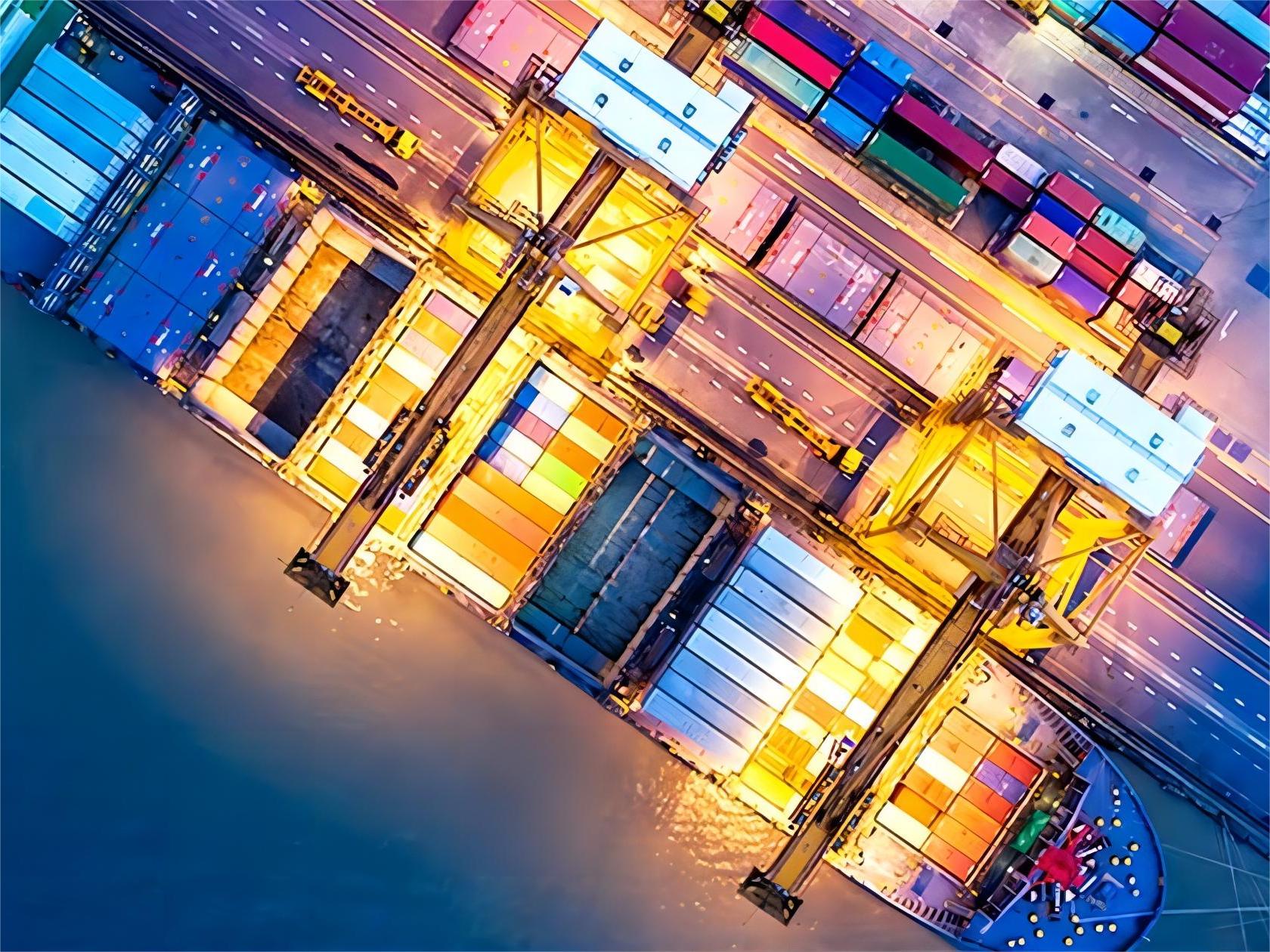
Selecting the right transportation mode is the most critical decision in your logistics planning process. For most businesses, sea freight remains the backbone of international trade due to its high capacity and cost-effectiveness. However, air freight offers unmatched speed for high-value or time-sensitive items that need to reach Amsterdam or Eindhoven quickly.

Moreover, the choice depends heavily on your cargo volume, budget constraints, and delivery deadlines. While sea freight handles massive quantities of bulky goods, air freight provides a reliable solution for urgent inventory replenishment. Consequently, many importers utilize a mix of both methods to balance cost and speed across their product lines.
Additionally, businesses must consider the specific requirements of their goods, such as temperature control or hazardous material handling. Each method has distinct advantages that cater to different business models and supply chain needs. Therefore, analyzing your specific cargo profile is the first step toward a successful shipping operation.
How Does Sea Freight Compare to Other Shipping Options?
Evaluating the trade-offs between sea, air, and rail is vital for optimizing your shipping from China to Europe strategy. Sea freight is generally the most economical choice for large shipments, offering the lowest cost per unit. In contrast, air freight is significantly more expensive but reduces transit time from weeks to days.
Furthermore, rail freight has emerged as a middle-ground alternative, offering faster speeds than sea and lower costs than air. For instance, a shipment from Xi’an to Tilburg via rail can save nearly two weeks compared to the traditional ocean route. Meanwhile, sea freight remains the only viable option for oversized machinery and extremely high-volume commodities.
Specifically, when comparing these methods, you must account for total landed costs, which include port fees, insurance, and local trucking. Indeed, a cheaper freight rate might lead to higher inventory carrying costs if the transit time is too long. Accordingly, the following table highlights the key differences between the primary shipping modes available in 2026.
| Shipping Method | Cost Range | Transit Time | Best For |
|---|---|---|---|
| Sea Freight (FCL) | $3,000 – $4,500 | 30 – 40 Days | Bulk & Large Goods |
| Air Freight | $5.50 – $9.00/kg | 5 – 8 Days | High-Value Items |
| Rail Freight | $150 – $250/CBM | 18 – 24 Days | Mid-Size Shipments |
| Express Service | $8.00 – $12.00/kg | 3 – 5 Days | Small Samples |
Why Choose Rail Freight for Your Cargo to the Netherlands?
Rail transportation has become increasingly popular for businesses looking to bridge the gap between slow sea freight and expensive air options. By utilizing rail freight, companies can achieve a more balanced supply chain that responds better to market fluctuations. Furthermore, the rail network connecting China to the Netherlands through the Silk Road initiative has seen significant infrastructure improvements in 2026.
Consequently, transit times have become more predictable, making rail a reliable choice for seasonal inventory. Nevertheless, importers should be aware of potential delays at border crossings where track gauges change. Despite these challenges, the environmental benefits of rail over air freight are also driving many Dutch companies toward this sustainable option.
In addition, rail freight is particularly effective for goods produced in inland Chinese cities like Chengdu or Chongqing. Instead of transporting goods to coastal ports, manufacturers can load containers directly onto trains heading west. Therefore, rail freight offers a strategic advantage for specific geographic locations and product types.
What are the Estimated Costs for Import Shipping China to Netherlands in 2026?
Freight rates in 2026 have stabilized following the disruptions of previous years, though they remain sensitive to fuel prices and seasonal demand. For example, shipping a 40HQ container from Shanghai to Rotterdam typically costs between $3,200 and $4,200 depending on the carrier and service level. Meanwhile, Less than Container Load (LCL) rates are currently averaging $80 to $120 per cubic meter.
Additionally, businesses should budget for origin and destination charges, which can add several hundred dollars to the total invoice. These charges include terminal handling, documentation fees, and customs clearance services. Without a doubt, requesting a comprehensive quote that includes all surcharges is the only way to avoid unexpected expenses.
Market data suggests that rates typically increase by 15-25% during the peak season from August to October. Consequently, booking your shipments well in advance can lead to significant cost savings. Note: Freight rates are subject to change based on fuel costs, carrier capacity, and seasonal demand. Contact us for a current quote tailored to your specific shipment.
| Container Type | Shanghai to Rotterdam | Shenzhen to Rotterdam | Ningbo to Rotterdam |
|---|---|---|---|
| 20GP Container | $1,900 – $2,600 | $2,000 – $2,700 | $1,950 – $2,650 |
| 40GP Container | $2,900 – $3,800 | $3,000 – $3,900 | $2,950 – $3,850 |
| 40HQ Container | $3,200 – $4,200 | $3,300 – $4,300 | $3,250 – $4,250 |
Can Express Shipping Speed Up Your Supply Chain?
When time is the most critical factor, express service provides the fastest door-to-door delivery available. This method is ideal for shipping prototypes, urgent spare parts, or high-margin consumer electronics that need to hit the market immediately. Furthermore, express carriers handle the entire logistics process, including customs clearance, which simplifies the experience for the importer.
However, the convenience of express shipping comes at a premium price compared to standard air freight. As a result, most businesses only use this method for shipments under 100kg or for critical business needs. Additionally, express services offer superior tracking capabilities, allowing you to monitor your cargo’s progress in real-time from China to the Netherlands.
Choosing a reliable express partner ensures that your goods bypass the typical delays associated with general cargo handling. Consequently, this method is a vital tool for maintaining agility in a fast-paced retail environment. Indeed, the speed of express shipping can often justify the higher cost if it prevents a production line shutdown or a lost sale.
Do You Need a Customs Broker for Import Shipping China to Netherlands?
Navigating the Dutch customs regulations is a complex task that requires precise documentation and knowledge of EU trade laws. Utilizing a professional customs brokerage service can prevent costly delays and ensure compliance with all tax requirements. Specifically, you will need to provide an EORI number, a commercial invoice, and a detailed packing list for every shipment.
Moreover, the Netherlands serves as a major gateway to Europe, meaning customs officials are highly efficient but very strict regarding product safety and classification. Incorrect HS codes can lead to overpaying duties or, worse, the seizure of your goods by authorities. Therefore, having an expert review your paperwork before the ship leaves China is a prudent strategy.
In addition, understanding Value Added Tax (VAT) deferment schemes in the Netherlands can significantly improve your company’s cash flow. Many Dutch importers use Article 23 licenses to avoid paying VAT at the moment of import. Accordingly, a knowledgeable customs broker can help you set up these arrangements to maximize your financial efficiency.
Should You Use Door to Door Services for Your Imports?
Managing multiple logistics providers can be overwhelming, which is why many businesses opt for door to door solutions. This comprehensive service covers everything from the factory pickup in China to the final delivery at your warehouse in Rotterdam or Amsterdam. Consequently, you only have to deal with a single point of contact for your entire shipment.
Furthermore, door-to-door shipping reduces the risk of communication errors between different freight forwarders and local trucking companies. By consolidating the process, you often achieve better overall rates and more consistent transit times. Nevertheless, it is important to clarify which incoterms are being used to understand your liability during the transport process.
Ultimately, this service is particularly beneficial for small to medium-sized enterprises that do not have dedicated logistics departments. It allows business owners to focus on sales and growth while the freight experts handle the operational details. Indeed, the peace of mind provided by a managed door-to-door service is often worth the investment.
How to Manage Amazon FBA Shipments from China?
Selling on Amazon Europe requires a specialized logistics approach to meet the platform’s strict receiving requirements. Our Amazon FBA services ensure that your products are labeled, packed, and palletized according to Amazon’s exact specifications. Specifically, shipping directly from China to an Amazon fulfillment center in the Netherlands can save time and reduce local handling costs.
However, importers must ensure that all duties and taxes are paid before the goods reach the Amazon warehouse, as Amazon will not act as the Importer of Record. Furthermore, using a freight forwarder experienced in FBA can help you avoid the common pitfalls that lead to rejected shipments. For instance, improper pallet dimensions or missing secondary labels can result in significant setbacks.
In addition, we offer storage and consolidation services for FBA sellers who want to ship in bulk but drip-feed inventory into Amazon’s network. This strategy helps manage storage fees while ensuring that products are always in stock for Dutch customers. Therefore, a specialized FBA logistics partner is essential for scaling your e-commerce business in the EU.
Real Case Studies for Shipping to the Netherlands
Examining real-world examples provides valuable context for understanding the costs and timelines involved in import shipping China to Netherlands. These scenarios reflect actual market conditions in early 2026 and highlight the importance of choosing the right method for your specific cargo. Below are three distinct cases that illustrate the variety of logistics solutions available.
Case Study 1: Electronics from Shenzhen to Rotterdam Route: Shenzhen, China to Rotterdam, Netherlands Cargo: Consumer Electronics, 28 CBM, 14,000 kg Container: 40GP Shipping Details: – Carrier/Service: COSCO Direct – Port of Loading: Shenzhen – Port of Discharge: Rotterdam – Route Type: Direct Cost Breakdown: – Ocean Freight: $3,150 – Origin Charges: $450 – Destination Charges: $600 – Customs & Duties: $1,200 – Total Landed Cost: $5,400 Timeline: – Booking to Loading: 4 days – Sea Transit: 32 days – Customs Clearance: 2 days – Total Door-to-Door: 42 days Key Insight: Direct routing minimized handling risks for fragile electronics.
Case Study 2: Fashion Apparel from Ningbo to Amsterdam Route: Ningbo, China to Amsterdam Schiphol Cargo: Seasonal Clothing, 3 CBM, 800 kg Service: Air Freight Shipping Details: – Carrier: Major Airline Cargo – Port of Loading: Ningbo – Port of Discharge: Amsterdam (AMS) – Route Type: Direct Flight Cost Breakdown: – Air Freight: $5,200 – Fuel & Security: $850 – Destination Handling: $300 – Total Landed Cost: $6,350 Timeline: – Booking to Loading: 2 days – Air Transit: 1 day – Customs Clearance: 1 day – Total Door-to-Door: 6 days Key Insight: High speed allowed for quick stock replenishment during sales.
Case Study 3: Machinery from Chengdu to Tilburg Route: Chengdu, China to Tilburg, Netherlands Cargo: Industrial Parts, 12 CBM, 4,500 kg Service: Rail Freight (LCL) Shipping Details: – Carrier: China-Europe Railway Express – Loading Station: Chengdu North – Discharge Station: Tilburg GVT Terminal – Route Type: Trans-Siberian / Silk Road Cost Breakdown: – Rail Freight: $2,100 – Handling & Trucking: $550 – Customs: $400 – Total Landed Cost: $3,050 Timeline: – Booking to Loading: 5 days – Rail Transit: 22 days – Customs Clearance: 2 days – Total Door-to-Door: 32 days Key Insight: Rail was 30% faster than sea and 60% cheaper than air.
Which Option Should You Choose? A Decision Framework
Determining the best shipping strategy requires a clear assessment of your business priorities and cargo characteristics. If your primary goal is to minimize expenditure, sea freight is the undisputed champion for large-scale operations. However, if your business relies on rapid inventory turnover, the higher cost of air freight is often a necessary investment.
Specifically, for shipments that fall between 1 CBM and 15 CBM, rail freight often provides the most balanced value proposition in 2026. Furthermore, consider the nature of your cargo; fragile electronics may benefit from the smoother handling of air or express services. Meanwhile, heavy machinery is almost always best suited for sea freight in a 20GP or 40GP container.
Accordingly, we recommend using a hybrid approach for complex supply chains. You might ship 80% of your stock via sea freight to keep costs low and 20% via air freight to ensure you never run out of popular items. Ultimately, the right choice depends on your specific balance of speed, cost, and reliability requirements.
| Priority | Recommended Method | Volume Threshold | Key Benefit |
|---|---|---|---|
| Budget | Sea Freight (FCL) | > 15 CBM | Lowest Unit Cost |
| Speed | Air Freight | < 500 kg | Rapid Delivery |
| Balance | Rail Freight | 2 – 10 CBM | Reliable Schedule |
| Convenience | Door to Door | Any Volume | Simplified Process |
Final Thoughts on Shipping to the Netherlands
Mastering import shipping China to Netherlands is an ongoing process of balancing various logistics factors to achieve the best results. Whether you choose the massive capacity of ocean freight or the rapid speed of air transport, understanding the 2026 market landscape is crucial. Furthermore, partnering with an experienced freight forwarder can help you navigate customs complexities and seasonal price fluctuations.
Specifically, focusing on total landed costs rather than just the base freight rate will lead to more informed business decisions. As the Dutch market continues to grow as a logistics hub, staying updated on the latest trends and regulations will ensure your shipping operations remain efficient. Therefore, take the time to evaluate your current methods and consider the alternative strategies outlined in this guide to enhance your competitive position.
Need a tailored shipping solution?
Streamline your import shipping China to Netherlands with professional logistics support tailored to your business needs. Contact us today to receive a competitive quote and optimize your 2026 supply chain strategy. Send Inquiry: https://Top China Freight.net/