Warehouse Fulfillment China to Netherlands: 2026 Logistics Guide
Managing warehouse fulfillment China to Netherlands is a critical component for businesses looking to expand their footprint in the European market. Many companies face significant challenges with inventory management and high shipping costs when importing goods from Asian manufacturing hubs. By partnering with Top China Freight, you can leverage professional logistics expertise to streamline your supply chain operations and ensure timely delivery to your Dutch customers. This comprehensive guide explores the most efficient strategies for 2026 to help you navigate the complexities of international trade.
What Is Warehouse Fulfillment China to Netherlands?
Warehouse fulfillment China to Netherlands encompasses the entire process of storing, packing, and shipping products from Chinese factories to Dutch consumers. Consequently, this model allows businesses to maintain a steady flow of inventory while minimizing the risks associated with long-distance logistics.
Moreover, utilizing a professional fulfillment service ensures that your cargo handling meets international standards. Specifically, third-party logistics providers offer specialized services such as quality control, labeling, and kitting before the goods even leave the warehouse.
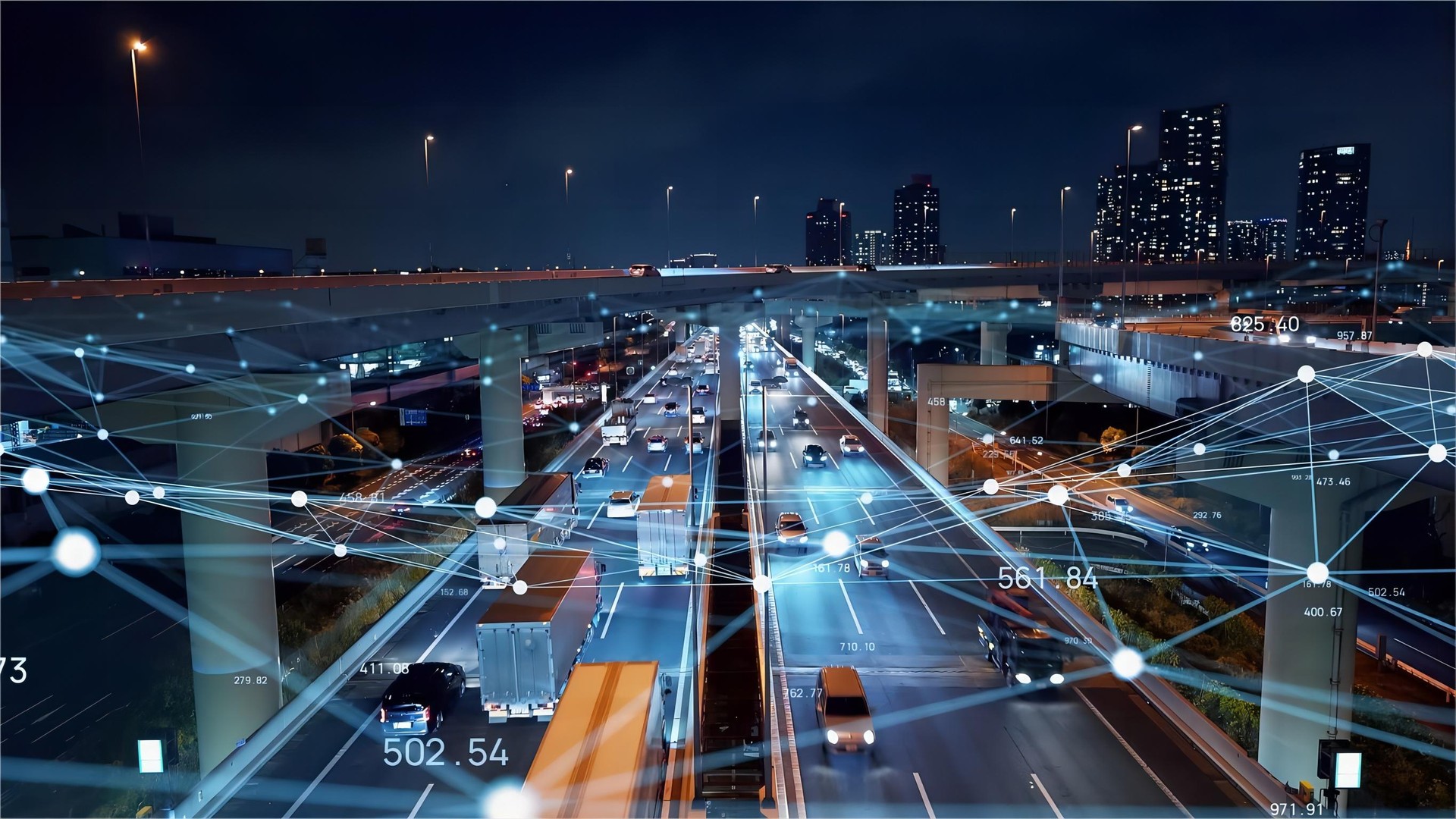
Furthermore, the integration of advanced technology in 2026 allows for real-time tracking of shipments across the globe. Therefore, you can monitor your inventory levels and delivery schedules with unprecedented accuracy, reducing the likelihood of stockouts or delays.
In addition, localized fulfillment centers in the Netherlands can provide last-mile delivery solutions that significantly enhance the customer experience. By keeping stock closer to the end-user, you can offer faster shipping times and lower local delivery costs.
Why Warehouse Fulfillment China to Netherlands Is Essential in 2026
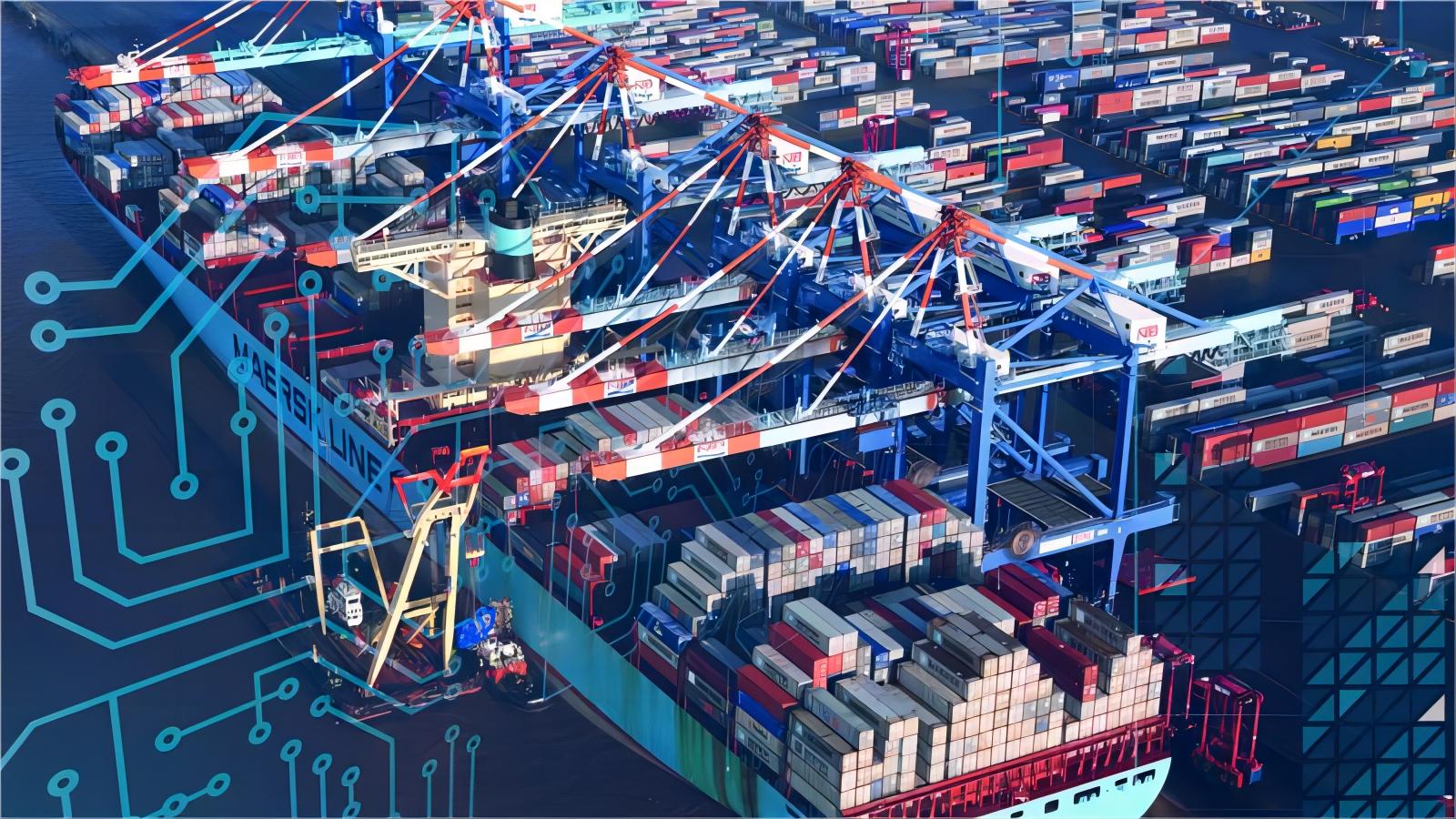
The Netherlands serves as the primary gateway to Europe due to its world-class infrastructure and strategic location. For instance, the Port of Rotterdam remains the largest and most efficient maritime hub in the region, handling millions of containers annually.
Additionally, the Dutch government offers attractive tax incentives such as the VAT deferment scheme under Article 23. This allows businesses to import goods without immediate VAT payment, significantly improving cash flow for e-commerce entrepreneurs.
Meanwhile, the rise of global e-commerce has increased the demand for rapid delivery schedules and reliable supply chain management. As a result, having a robust warehouse fulfillment China to Netherlands strategy is no longer optional but a necessity for competitive businesses.
Indeed, companies that optimize their logistics routes can save up to 20% on total landed costs. Without a doubt, choosing the right combination of storage and transport methods is the key to long-term profitability in the European market.
How Does Sea Freight Compare to Other Shipping Options?
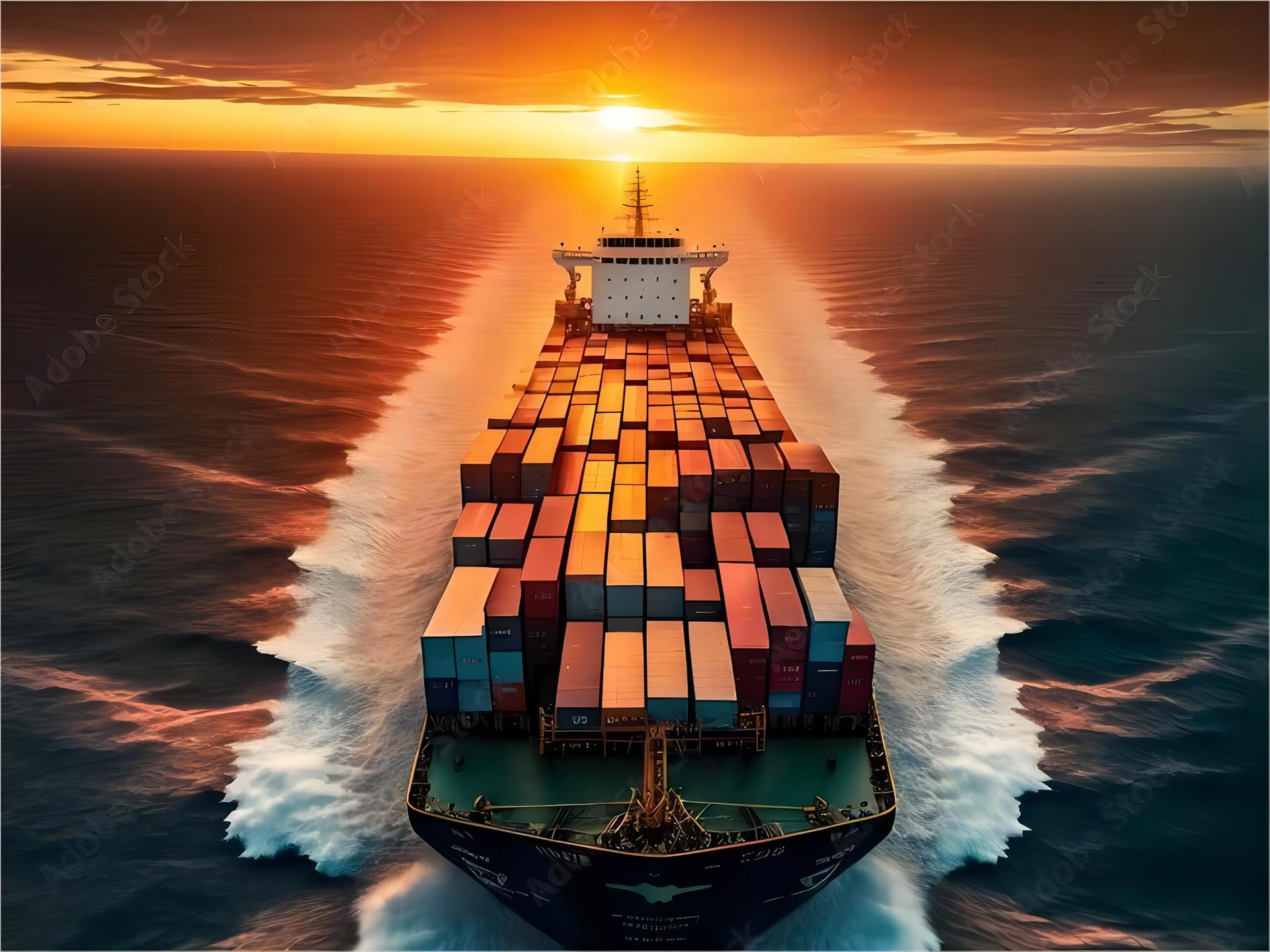
When planning warehouse fulfillment China to Netherlands, choosing the correct transport mode is vital for balancing cost and speed. Sea freight remains the most popular choice for high-volume shipments due to its unmatched cost-efficiency.
In contrast, air freight offers the fastest transit times but comes at a significantly higher price point. For example, moving a 40HQ container via sea freight might cost $3,500, whereas the same volume by air could exceed $20,000.
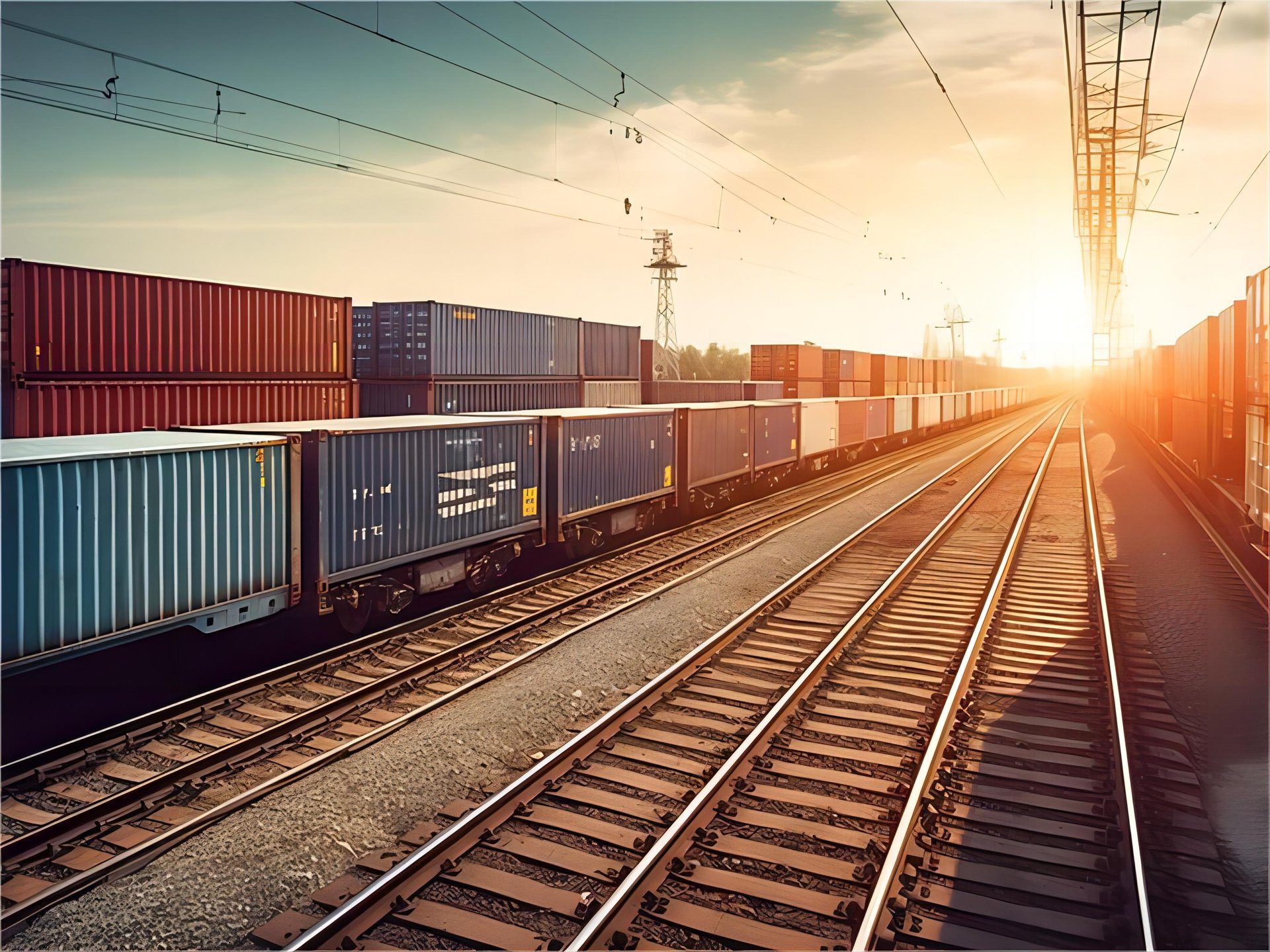
Moreover, rail freight has emerged as a viable middle-ground solution for many shippers in 2026. It provides a faster alternative to sea shipping while remaining much more affordable than traditional air cargo services.
Consequently, businesses must evaluate their specific needs based on inventory turnover and budget constraints. The following table provides a clear comparison of the primary shipping methods available for this route.
| Shipping Method | Cost Range | Transit Time | Best For |
|---|---|---|---|
| Sea Freight (FCL) | $3,000 – $4,200 | 28 – 35 Days | Bulk Shipments |
| Air Freight | $5.50 – $9.00/kg | 5 – 8 Days | Urgent/High Value |
| Rail Freight | $180 – $280/CBM | 18 – 22 Days | Mid-size Cargo |
| Express Service | $9.00 – $15.00/kg | 3 – 5 Days | Small Samples |
Optimizing Costs for Warehouse Fulfillment China to Netherlands
Reducing expenses in your supply chain requires a proactive approach to freight forwarding and inventory management. For instance, consolidating multiple small shipments into a single air freight or sea shipment can lower your per-unit costs.
Furthermore, negotiating better rates with carriers during off-peak seasons can lead to substantial savings. Typically, shipping rates from China to Europe peak between August and October, so planning your inventory cycles accordingly is wise.
Nevertheless, cost-cutting should never compromise the safety or security of your cargo. Accordingly, investing in high-quality packaging and professional cargo handling services prevents expensive damage and returns.
In addition, utilizing bonded warehouses in the Netherlands allows you to store goods without paying duties until the items are sold. This strategy is particularly effective for businesses with fluctuating demand or seasonal product lines.
Managing Transit Times and Delivery Schedules in 2026
In the current Q1 2026 market, transit times have stabilized following previous disruptions in global shipping lanes. However, it is still essential to factor in potential delays at major ports like Shanghai or Rotterdam.
Specifically, rail freight offers a consistent schedule that is less affected by weather conditions compared to ocean transport. Most rail services from Xi’an or Chengdu reach Tilburg or Rotterdam within three weeks.
Meanwhile, air cargo remains the go-to option for time-sensitive product launches or restocking urgent inventory. Industry benchmarks suggest that door-to-door air shipments currently take approximately 6 to 9 days including customs clearance.
To summarize, maintaining a buffer in your delivery schedule is the best way to handle unforeseen logistics challenges. Consequently, successful importers always plan their warehouse fulfillment China to Netherlands at least six weeks in advance.
Customs Clearance and Documentation Requirements
Navigating Dutch customs requires precise documentation to avoid costly delays and penalties. Essential documents include the commercial invoice, packing list, and the Bill of Lading or Air Waybill.
Moreover, you must ensure that your products comply with European Union safety and environmental standards. For example, electronic goods often require CE marking and RoHS compliance certificates before they can be legally sold.
Therefore, hiring a professional customs brokerage service is highly recommended for first-time importers. They can handle the complex EORI registration and ensure that your HS codes are classified correctly for duty calculations.
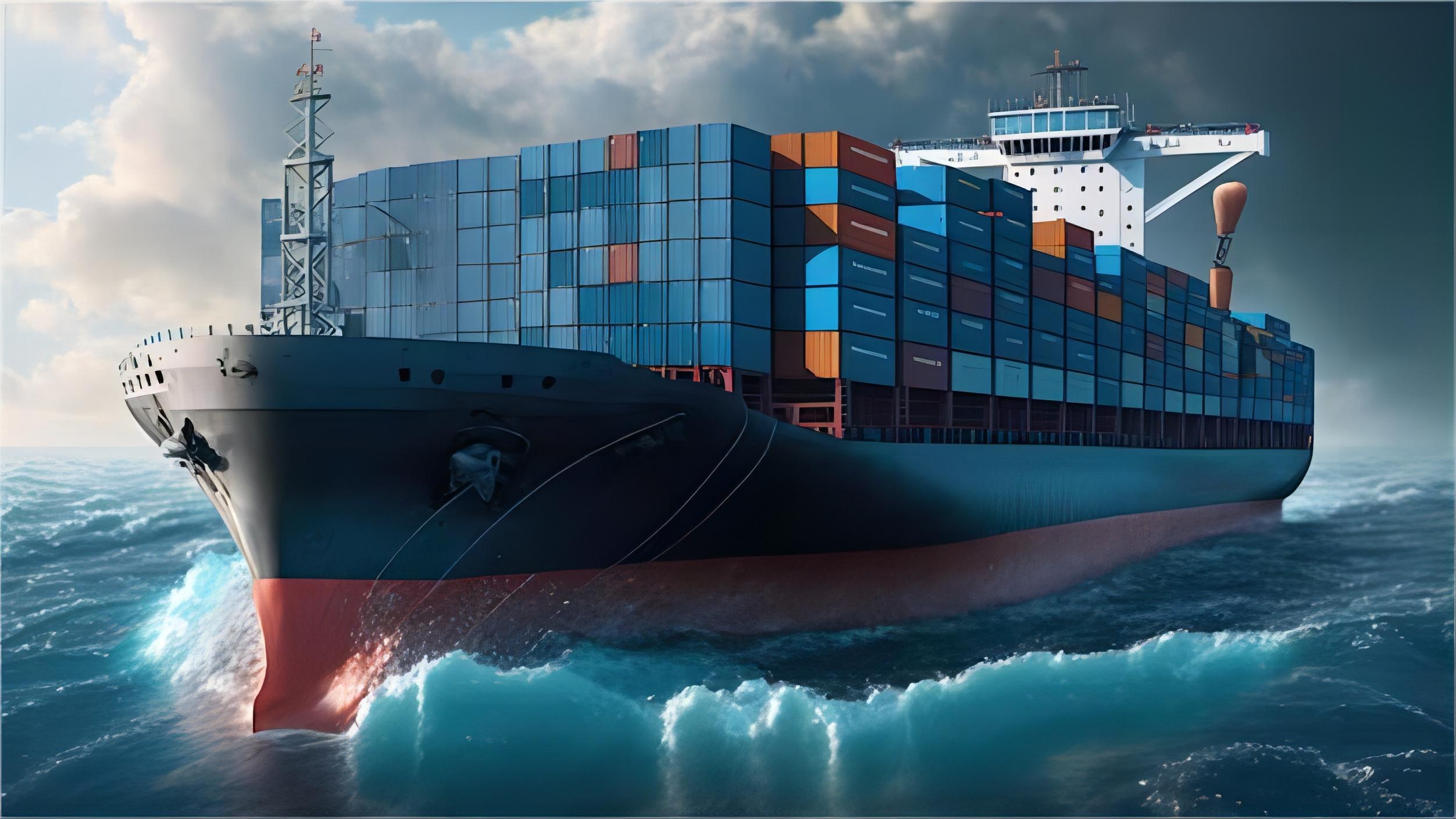
Additionally, the Netherlands uses the AGS and DMS systems for electronic declarations, which speeds up the clearance process. As a result, most compliant shipments are cleared within 24 to 48 hours of arrival at the port.
Real-World Case Studies for China-Netherlands Logistics
Examining actual shipping scenarios provides valuable insights into the practicalities of warehouse fulfillment China to Netherlands. Below are two recent examples based on early 2026 market data.
+———————————————————+ | Case Study 1: High-Volume Electronics Fulfillment | | Route: Shenzhen, China to Rotterdam, Netherlands | | Cargo: Smart Home Devices, 65 CBM, 12,500 kg | | Container: 40HQ Full Container Load (FCL) | | | | Shipping Details: | | – Carrier: Major Ocean Carrier | | – Port of Loading: Shenzhen | | – Port of Discharge: Rotterdam | | | | Cost Breakdown: | | – Ocean Freight: $3,850 | | – Origin and Destination Charges: $950 | | – Total Landed Cost (Excl. Duties): $4,800 | | | | Timeline: | | – Sea Transit: 32 days | | – Total Door-to-Door: 38 days | | Key Insight: FCL provided the lowest per-unit cost. | +———————————————————+
+———————————————————+ | Case Study 2: Fast-Fashion E-commerce Restock | | Route: Ningbo, China to Amsterdam, Netherlands | | Cargo: Apparel and Accessories, 8 CBM, 1,400 kg | | Method: LCL (Less than Container Load) | | | | Shipping Details: | | – Port of Loading: Ningbo | | – Port of Discharge: Rotterdam | | – Delivery: Last-mile to Amsterdam Warehouse | | | | Cost Breakdown: | | – Ocean Freight: $1,150 | | – Customs and Handling: $450 | | – Total Landed Cost: $1,600 | | | | Timeline: | | – Sea Transit: 30 days | | – Total Door-to-Door: 36 days | | Key Insight: LCL allowed for frequent inventory turns. | +———————————————————+
Note: Freight rates are subject to change based on fuel costs, carrier capacity, and seasonal demand. Contact us for a current quote tailored to your specific shipment.
Which Fulfillment Strategy Should You Choose?
Choosing between different warehouse fulfillment China to Netherlands strategies depends largely on your business model and product type. If you sell heavy, low-margin items, sea freight is undoubtedly your best option.
On the other hand, high-value electronics or fashion items with short life cycles benefit from the speed of air or rail freight. Many successful businesses utilize a hybrid approach, using sea freight for baseline stock and air freight for urgent restocks.
Furthermore, consider a door to door service to simplify your operations. This comprehensive solution covers everything from factory pickup in China to final delivery at your Dutch warehouse.
Consequently, you should evaluate your monthly volume and average order value before committing to a specific logistics partner. In addition, always request multiple quotes to ensure you are receiving the best market rates for 2026.
Final Thoughts on Warehouse Fulfillment China to Netherlands
To summarize, mastering warehouse fulfillment China to Netherlands is essential for any business targeting the European consumer base in 2026. By understanding the various shipping methods, from sea and rail to air freight, you can make informed decisions that balance cost and efficiency.
Moreover, leveraging the strategic advantages of the Netherlands, such as its superior port infrastructure and VAT deferment policies, provides a significant competitive edge. Always remember to maintain accurate documentation and partner with reliable freight forwarders to ensure smooth customs clearance.
Ultimately, a well-optimized supply chain is the backbone of a successful international business. Start planning your warehouse fulfillment China to Netherlands strategy today to ensure your products reach their destination safely and on time.
Start Your Shipment
Streamline your supply chain today with expert warehouse fulfillment China to Netherlands. Our professional team at Top China Freight is ready to provide you with a customized logistics solution that saves you time and money. Visit our website to request a free quote and discover how we can help your business grow in the European market. Send Inquiry: https://Top China Freight.net/
Request Quote