

Best Freight Forwarder China to UAE: 2026 Shipping Guide
“Finding the best freight forwarder China to UAE is essential for businesses looking to navigate the complex logistics landscape of 2026. As global trade routes evolve, partnering with a reliable logistics expert like Top China Freight ensures your cargo arrives safely and on schedule. Many importers struggle with fluctuating shipping costs and changing customs regulations in the Middle East. This comprehensive guide provides the necessary insights to optimize your supply chain and reduce overhead expenses effectively.”
Why You Need the Best Freight Forwarder China to UAE in 2026
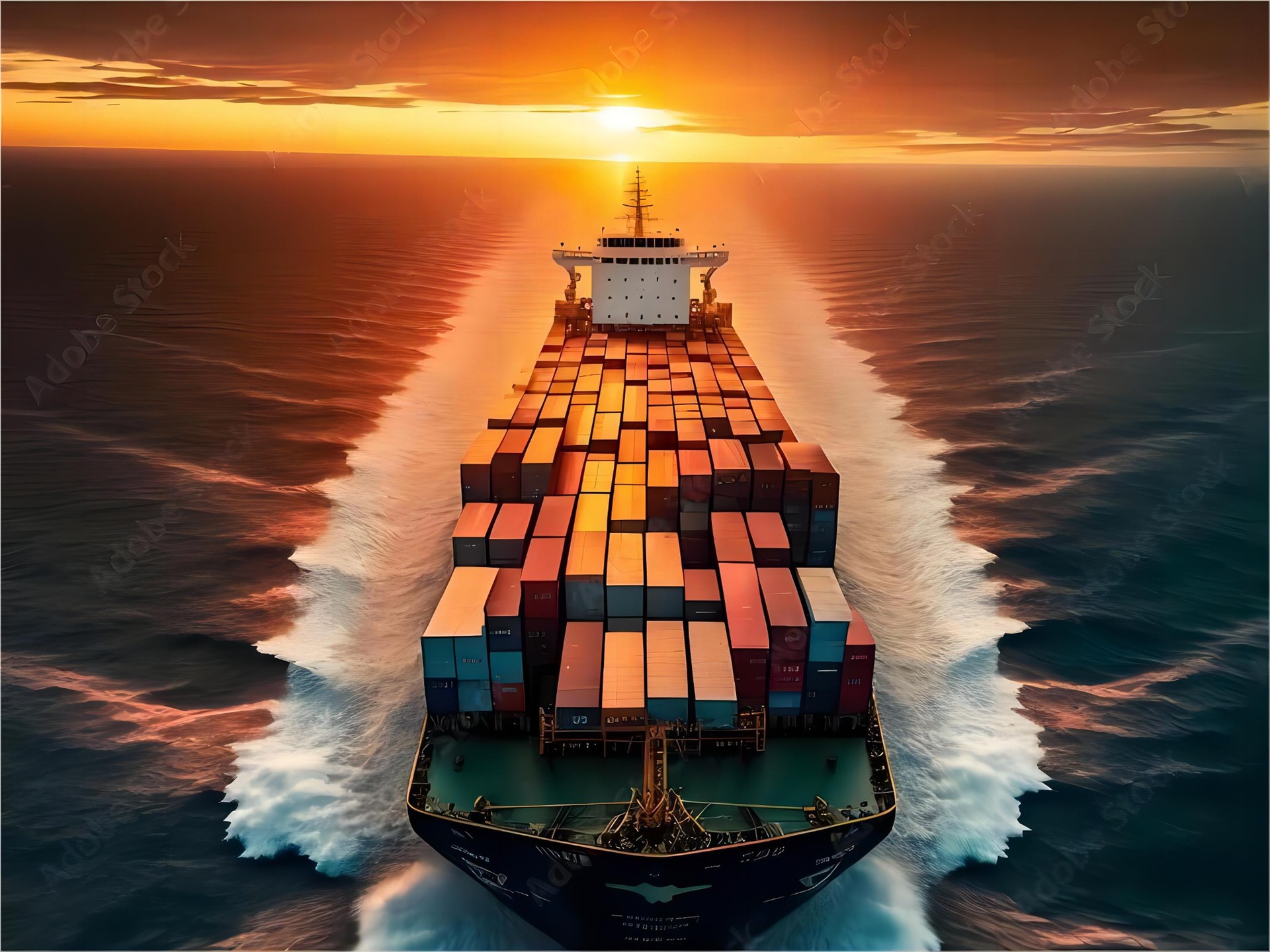
❖Selecting a professional logistics partner remains the most critical decision for successful international trade between these two economic hubs. Navigating the maritime and aerial corridors requires specialized knowledge of local port operations and regional security protocols. Consequently, experienced forwarders can mitigate risks associated with port congestion or seasonal capacity shortages that often plague the industry.
Moreover, the best freight forwarder China to UAE will offer integrated solutions that go beyond simple transportation. They provide essential services such as cargo insurance, real-time tracking, and comprehensive warehousing options in both origin and destination cities. Furthermore, having a partner who understands the specific documentation required by UAE authorities prevents costly delays and potential legal complications during the import process.
Reliability in communication serves as another cornerstone of high-quality freight services. When you work with experts, you receive proactive updates regarding your shipment’s status and any potential changes in the delivery schedule. Indeed, this level of transparency allows businesses to manage their inventory more accurately and meet the expectations of their end customers in the UAE market.
Comparing Shipping Methods: Air, Sea, and Express
❖Different cargo types require specific transportation modes to balance cost efficiency with speed requirements. For instance, sea freight remains the most economical choice for large volumes of goods, such as furniture, machinery, or construction materials. Meanwhile, businesses dealing with high-value electronics or urgent medical supplies typically prefer the speed and security of aerial transport.
Additionally, express services provide a premium solution for small parcels and documents that need to reach Dubai or Abu Dhabi within a few days. These services often include end-to-end handling, making them ideal for e-commerce sellers and sample shipments. Nevertheless, the higher cost per kilogram means express shipping is rarely suitable for bulk inventory replenishment.
Choosing between these methods depends heavily on your budget, timeline, and the nature of the products being moved. Therefore, evaluating the pros and cons of each option is necessary before finalizing your logistics strategy for the upcoming fiscal year.
| Method | Cost Level | Transit Time | Best For |
|---|---|---|---|
| Sea Freight (FCL) | Low | 22-30 Days | Large bulk shipments |
| Sea Freight (LCL) | Medium | 25-35 Days | Smaller palletized goods |
| Air Freight | High | 3-7 Days | High-value, urgent cargo |
| Express Shipping | Very High | 2-4 Days | Small parcels/Samples |
Shipping Costs and Transit Times for 2026
❖Market data suggests that freight rates from China to the UAE have stabilized in early 2026 following previous global supply chain disruptions. Currently, ocean freight prices for a standard 40HQ container range between 2,800 and 3,800 USD depending on the departure port and carrier. However, these rates can increase by 20 percent during peak seasons such as the months leading up to major holidays.
Similarly, air freight rates fluctuate based on fuel surcharges and available belly capacity on commercial flights. Most shippers can expect to pay between 4.50 and 8.50 USD per kilogram for standard air shipments to Dubai International Airport. Consequently, it is vital to request updated quotes frequently to capitalize on market dips and avoid overpaying for logistics services.
Note: Freight rates are subject to change based on fuel costs, carrier capacity, and seasonal demand. Contact us for a current quote tailored to your specific shipment.
| Route | 20GP Container | 40HQ Container | Transit Time |
|---|---|---|---|
| Shenzhen to Jebel Ali | $1,500 – $2,100 | $2,800 – $3,500 | 18-22 Days |
| Shanghai to Khalifa Port | $1,650 – $2,300 | $3,000 – $3,800 | 22-26 Days |
| Ningbo to Sharjah | $1,600 – $2,200 | $2,900 – $3,650 | 20-25 Days |
How Does Sea Freight Compare to Other Shipping Options?
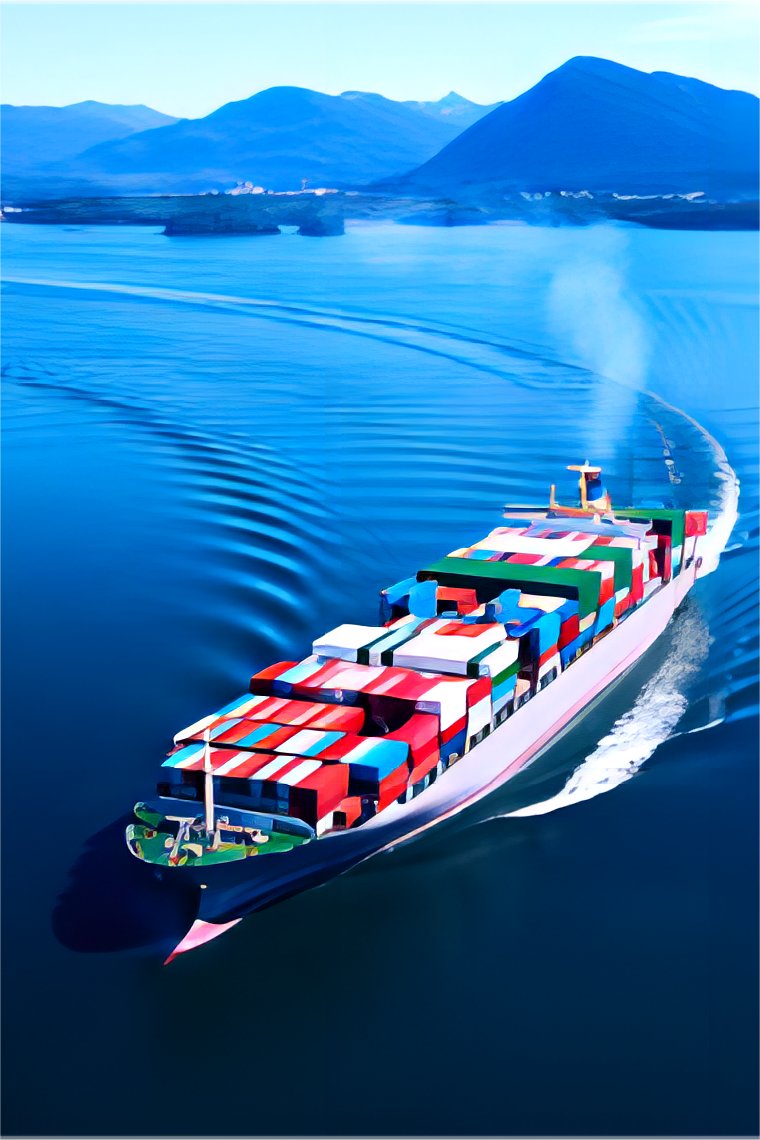
❖While sea freight is the backbone of global trade, comparing it to alternative strategies highlights its unique position in the logistics hierarchy. For example, sea freight costs significantly less than air freight for shipments exceeding 500 kilograms. Specifically, a 40HQ container might cost 3,500 USD, whereas moving the same volume by air could exceed 25,000 USD. This massive price gap makes maritime transport the only viable option for heavy industrial goods.
On the other hand, sea freight requires much longer lead times and involves more complex handling at both ends. Shippers must account for port-to-port transit plus several days for loading, unloading, and trucking. In contrast, air freight offers a streamlined process that can move goods from a factory in Shenzhen to a warehouse in Dubai in under a week.
Hybrid solutions, such as sea-air combinations via hubs like Singapore or Colombo, offer a middle ground for those seeking a balance. These strategies can save up to 40 percent in costs compared to pure air freight while reducing transit time by half compared to standard sea routes. Ultimately, your choice depends on whether your priority is preserving capital or maximizing market speed.
| Shipping Method | Cost Range | Transit Time | Limitations |
|---|---|---|---|
| Full Container (FCL) | $1,500 – $4,000 | 20-30 Days | Requires high volume |
| Shared Container (LCL) | $60 – $120/CBM | 25-35 Days | Higher risk of damage |
| Direct Air Freight | $4.50 – $9.00/kg | 3-5 Days | Weight/Size limits |
| Sea-Air Hybrid | Moderate | 12-16 Days | Complex scheduling |
Navigating UAE Customs and Documentation
❖Effective customs brokerage is essential for avoiding penalties and ensuring a smooth entry into the UAE market. UAE customs authorities require specific documents, including a commercial invoice, packing list, certificate of origin, and a bill of lading. Furthermore, certain goods like electronics or chemicals may require additional permits from regulatory bodies such as the Telecommunications and Digital Government Regulatory Authority (TDRA).
Additionally, understanding the difference between free zones and the mainland is crucial for tax optimization. Shipments destined for free zones like JAFZA often enjoy duty exemptions, provided they are not moved into the mainland market. Consequently, working with a forwarder who has local expertise in Dubai and Abu Dhabi can save your business thousands of dollars in unnecessary duties.
Accuracy in cargo description and HS code classification cannot be overstated, as errors often lead to inspections and delays. Indeed, the best forwarders will review your paperwork before the ship even leaves China to identify and correct potential issues. This proactive approach ensures that your goods clear customs within 24 to 48 hours of arrival at the destination port.
Door to Door and Amazon FBA Solutions
❖Modern businesses often prefer door to door shipping because it eliminates the need to manage multiple logistics providers. This service covers everything from factory pickup in China to final delivery at your warehouse or office in the UAE. Moreover, it typically includes customs clearance and local trucking, providing a truly hands-off experience for the importer.
Specifically, for e-commerce entrepreneurs, specialized Amazon FBA services are designed to meet the strict labeling and packaging requirements of Amazon fulfillment centers in Dubai and Riyadh. These forwarders understand the appointment scheduling systems and ensure that your inventory is processed without rejection. Consequently, this allows you to focus on marketing and sales while the logistics experts handle the physical movement of goods.
Choosing a DDP (Delivered Duty Paid) service is often the best strategy for new importers who want to know their total landed cost upfront. Under DDP terms, the forwarder handles all taxes and duties, meaning there are no hidden fees upon delivery. Therefore, this transparency is highly beneficial for maintaining healthy profit margins and predictable cash flows.

Real Case Studies: Shipping Success from China to UAE
❖Case Study 1: High-Tech Electronics Distribution. Route: Shenzhen, China to Dubai, UAE. Cargo: 500 units of high-end tablets, 4 CBM, 850 kg. Method: Air Freight. Total Landed Cost: $6,200. Transit Time: 5 days door-to-door. Key Insight: By using a direct air route, the client reached the market 15 days faster than competitors, capturing early demand during a product launch.
Case Study 2: Furniture Retail Expansion. Route: Foshan, China to Jebel Ali, UAE. Cargo: Home furniture, 1x40HQ Container. Method: Sea Freight (FCL). Total Landed Cost: $4,850. Transit Time: 24 days. Key Insight: Utilizing FCL allowed the client to minimize damage risks and achieve the lowest possible shipping cost per unit for bulky items.
Case Study 3: E-commerce Inventory Replenishment. Route: Ningbo, China to Amazon FBA Dubai. Cargo: Kitchen accessories, 12 CBM. Method: Sea Freight (LCL) with DDP terms. Total Landed Cost: $1,950. Transit Time: 32 days. Key Insight: The DDP service simplified the process for the seller, ensuring all UAE import duties were prepaid and inventory was accepted by Amazon without delay.
Which Shipping Option Should You Choose?
❖Determining the right logistics strategy requires a careful analysis of your business priorities and cargo specifications. If your primary goal is budget conservation and you are moving more than 15 CBM of goods, sea freight is undoubtedly the superior choice. Conversely, for shipments under 100 kg that require immediate delivery, express or air freight provides the necessary speed.
Volume thresholds also play a significant role in the decision-making process for maritime transport. For example, shipments between 1 and 15 CBM are usually most cost-effective via LCL (Less than Container Load). However, once you exceed 15 CBM, it often becomes cheaper to book a full 20GP container to avoid the higher per-CBM handling fees associated with shared containers.
Finally, consider the seasonal trends of the China-UAE route when planning your inventory cycles. Rates typically peak in the third quarter as retailers prepare for end-of-year sales events. Accordingly, booking your shipments 4-6 weeks in advance during these periods can help you secure better rates and guaranteed space on vessels or aircraft.
Final Thoughts on Choosing the Best Freight Forwarder China to UAE
Successfully importing goods from China to the UAE requires more than just finding the lowest price. It demands a partnership with a logistics provider that understands the nuances of international trade, customs regulations, and local delivery requirements. By following the strategies outlined in this guide, you can significantly improve your shipping efficiency and reduce overall costs.
Remember that the best freight forwarder China to UAE will always prioritize the safety and timely arrival of your cargo. Whether you choose air, sea, or express shipping, ensure your partner offers the transparency and support your business needs to grow. Start optimizing your logistics today to stay ahead in the competitive Middle Eastern market.
Ready to streamline your logistics?
Streamline your supply chain today by partnering with the best freight forwarder China to UAE. Contact our expert team at Top China Freight to receive a competitive quote and personalized logistics strategy for your next shipment. Visit our website or call us now to secure your cargo space for 2026.
Request Quote