
Warehouse Fulfillment China to UAE: The Complete 2026 Strategy Guide
Warehouse fulfillment China to UAE represents a critical pillar for businesses aiming to dominate the Middle Eastern e-commerce market. Navigating the complexities of cross-border logistics requires a robust partnership with a reliable provider like Top China Freight to ensure seamless operations. Consequently, understanding the nuances of inventory management and international shipping is essential for maintaining a competitive edge in 2026.

What is Warehouse Fulfillment China to UAE?
Warehouse fulfillment China to UAE involves a comprehensive sequence of logistics activities designed to move products from Chinese manufacturers to consumers in the United Arab Emirates. This process includes receiving inventory at a Chinese hub, storage, picking, packing, and final delivery across the Gulf region. Moreover, modern fulfillment strategies incorporate advanced technology to track shipments in real-time, ensuring that every package reaches its destination safely.
Specifically, businesses utilize these services to mitigate the risks associated with long-distance shipping and complex customs regulations. By consolidating goods in a centralized warehouse, companies can optimize their shipping costs and improve delivery schedules significantly. Furthermore, the integration of 3-PL providers allows brands to focus on marketing while experts handle the physical movement of cargo.
Consequently, the demand for specialized fulfillment centers has surged as trade between these two regions continues to expand in 2026. This growth is driven by the increasing popularity of online shopping and the strategic position of the UAE as a regional logistics hub. Therefore, selecting the right fulfillment model is no longer optional but a necessity for business survival.
How Does Warehouse Fulfillment China to UAE Compare to Other Shipping Options?
Evaluating different logistics strategies is vital for balancing speed and expenditure in your supply chain. While some businesses prefer direct shipping from factories, others find that centralized fulfillment offers superior control over inventory and quality. Additionally, the choice between air and sea routes depends heavily on the nature of the products and the urgency of the market demand.
In contrast, localized fulfillment in the UAE allows for nearly instantaneous delivery to customers in Dubai or Abu Dhabi. This approach often involves shipping bulk quantities via sea and then managing the last-mile delivery from a local warehouse. However, this requires a higher initial investment in inventory compared to a drop-shipping model.
To help you decide, we have analyzed the primary shipping methods used in 2026 for this specific trade lane. Each option presents unique advantages and limitations that can impact your overall profitability. Please refer to the comparison table below for a detailed breakdown of costs and transit times.
| Shipping Method | Cost Range | Transit Time | Best For | Limitations |
|---|---|---|---|---|
| Direct Air Freight | $4.50 – $7.50/kg | 3 – 5 Days | High-value items | Expensive for bulk |
| Standard Sea Freight | $1,200 – $3,000/ctr | 18 – 25 Days | Large shipments | Longer lead times |
| Sea-Air Hybrid | $3.00 – $4.00/kg | 10 – 14 Days | Mid-range urgency | Complex handling |
| Express Courier | $8.00 – $13.00/kg | 2 – 4 Days | Samples and docs | Highest cost |
Which Option Should You Choose for Your Business?
Choosing the right fulfillment strategy requires a deep understanding of your customer expectations and budget constraints. If your primary goal is speed, utilizing air freight is the most effective way to replenish stock quickly. This method is particularly useful for seasonal electronics or high-fashion items that have a short shelf life.
On the other hand, if you are moving large volumes of consumer goods, sea freight provides the most economical solution. By shipping full containers (FCL), you can reduce the per-unit cost of transportation and improve your margins. Nevertheless, you must plan your inventory cycles further in advance to account for the longer transit times.
Hybrid solutions are also gaining traction in 2026 as a way to balance cost and speed. For instance, shipping goods by sea to a regional hub and then using air transport for the final leg can save up to 30% compared to pure air freight. Ultimately, the best choice depends on your specific volume thresholds and the sensitivity of your cargo to delays.
Key Components of the Fulfillment Process
Successfully managing warehouse fulfillment China to UAE involves several interconnected steps that must be executed with precision. Initially, the process begins with sourcing products from reliable manufacturers and conducting thorough quality inspections. Once the goods are ready, they are transported to a consolidation center in China for export preparation.
Subsequently, the cargo undergoes customs clearance, which requires accurate documentation to avoid delays at the port of exit. For many businesses, using a door to door service simplifies this stage by handling all logistics from the factory to the final destination. This end-to-end management reduces the administrative burden on the business owner.
Moreover, the arrival in the UAE marks the beginning of the local fulfillment phase. Goods are received at a bonded warehouse, where they are sorted and stored according to their SKU. When a customer places an order, the warehouse team picks and packs the item for immediate dispatch via local couriers.
Understanding Transit Times and Delivery Schedules
Transit time is a critical factor that influences customer satisfaction and inventory turnover rates. In 2026, the average sea transit from major Chinese ports like Shenzhen or Ningbo to Jebel Ali is approximately 20 days. However, port congestion or seasonal peaks can occasionally extend this duration by several days.
Furthermore, the time required for customs clearance in the UAE has been significantly reduced due to new digital initiatives. Most shipments are processed within 24 to 48 hours, provided that all paperwork is in order. Consequently, total door-to-door delivery times for sea freight usually range between 25 and 30 days.
For urgent restocking, air cargo remains the fastest option, with a total lead time of about a week. This includes the time needed for pick-up in China, flight duration, and local delivery in the UAE. Indeed, maintaining a mix of shipping methods allows businesses to respond flexibly to market fluctuations.
Customs Documentation Checklist for UAE Imports
Navigating the legal requirements for importing goods into the UAE is essential for avoiding costly fines and shipment seizures. The UAE customs authorities require specific documents for every commercial shipment arriving from China. Without these documents, your cargo may be held indefinitely at the port of entry.
Specifically, you must provide a commercial invoice, a packing list, and a certificate of origin for all goods. Additionally, certain products like electronics or health supplements may require specialized permits from relevant government departments. Therefore, working with an experienced broker is highly recommended to ensure full compliance with local laws.
Below is a summary of the standard documents required for most shipments in 2026. Ensuring these are prepared in advance will facilitate a smoother entry into the UAE market.
| Document Name | Purpose | Required By | Notes |
|---|---|---|---|
| Commercial Invoice | Value declaration | Customs Authority | Must match packing list |
| Packing List | Content details | Port Authorities | Includes weight and CBM |
| Bill of Lading | Title of goods | Carrier/Customs | Issued by shipping line |
| Certificate of Origin | Verify source | Customs Authority | Needed for duty rates |
Analyzing Shipping Costs and Freight Rates in 2026
Shipping costs from China to the UAE are influenced by several variables, including fuel prices, container availability, and seasonal demand. As of early 2026, freight rates have stabilized following the global supply chain adjustments of previous years. However, businesses should still expect price fluctuations during the Chinese New Year and the Q4 peak season.
To manage your budget effectively, it is important to understand the difference between FCL and LCL pricing. For large volumes, renting a full 20ft or 40ft container is usually more cost-effective than paying for individual cubic meters. Conversely, smaller businesses can benefit from LCL (Less than Container Load) options to keep their overhead low.
Market data suggests that the average cost for a 40HQ container from China to Dubai currently ranges between $2,500 and $3,500. Air freight rates hover around $5.00 per kilogram for shipments exceeding 100kg. Note: Freight rates are subject to change based on fuel costs, carrier capacity, and seasonal demand. Contact us for a current quote tailored to your specific shipment.
Real-World Case Studies: Successful Fulfillment Scenarios
Case Study 1: Electronics Distribution. Route: Shenzhen to Dubai. Cargo: 500 units of smart home devices, 4.2 CBM, 850 kg. Shipping Method: Air Freight. Total Landed Cost: $5,200. Transit Time: 6 days. Key Insight: Using air freight allowed the client to launch their product simultaneously with the global release, capturing high initial demand.
Case Study 2: Furniture Retailer. Route: Ningbo to Jebel Ali. Cargo: Living room sets, 68 CBM. Container: 1 x 40HQ. Shipping Method: Sea Freight. Total Landed Cost: $3,850. Transit Time: 22 days. Key Insight: Bulk sea shipping reduced the per-item transport cost by 65% compared to previous LCL shipments.
Case Study 3: E-commerce Fashion. Route: Guangzhou to Abu Dhabi. Cargo: Seasonal apparel, 12 CBM. Shipping Method: Amazon FBA prep and ship. Total Landed Cost: $2,100. Transit Time: 28 days. Key Insight: Outsourcing fulfillment allowed the brand to scale rapidly without investing in their own UAE warehouse space.
Future Trends in UAE Logistics and Warehousing
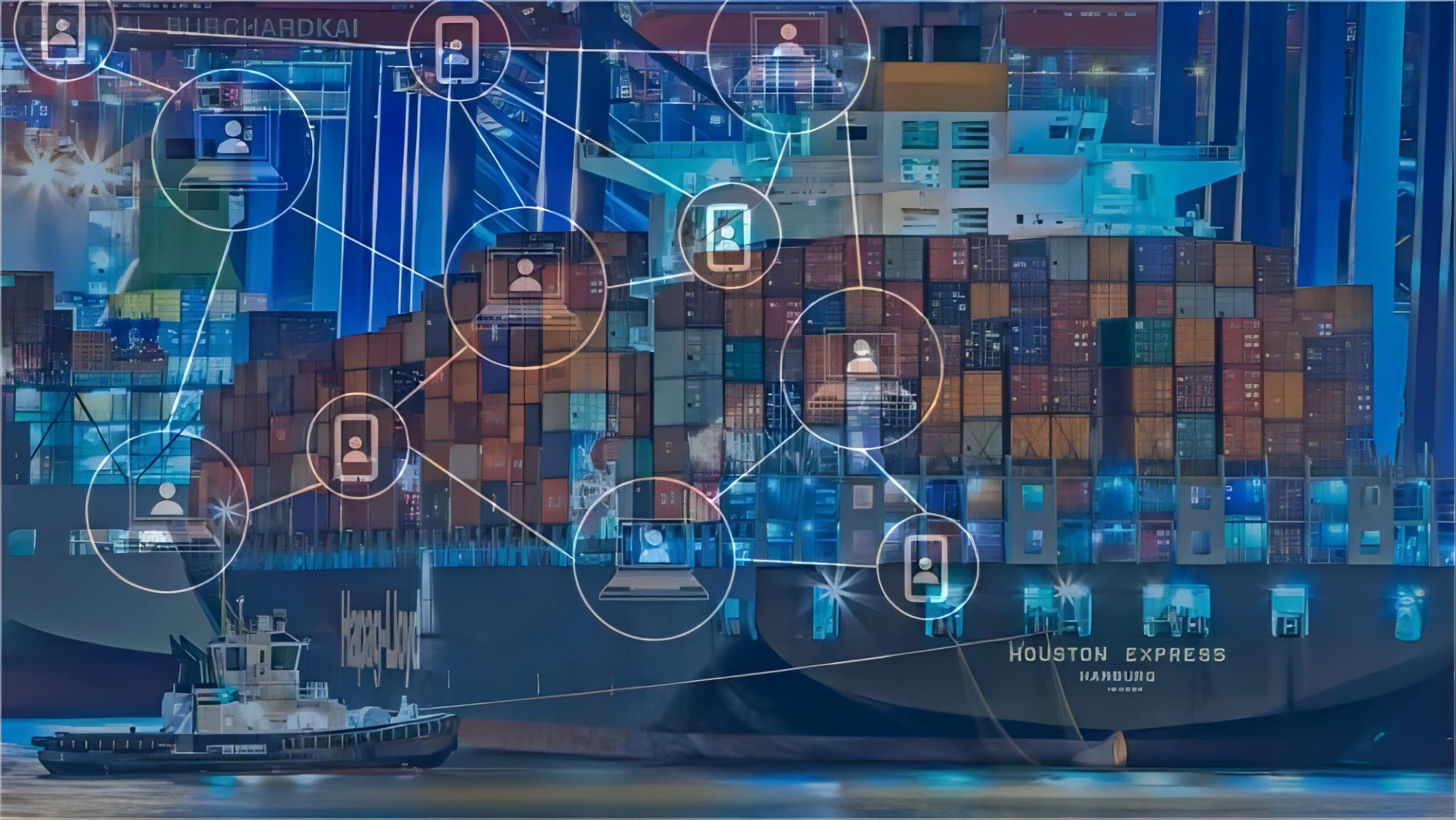
The logistics landscape in the UAE is undergoing a rapid transformation driven by automation and sustainability. In 2026, many fulfillment centers in Dubai South are integrating robotics to speed up the picking and packing process. Consequently, this reduces human error and allows for faster order processing during high-volume sales events.
Additionally, there is a growing emphasis on green logistics as companies seek to reduce their carbon footprint. This includes the use of electric delivery vehicles for the last mile and eco-friendly packaging materials. Furthermore, blockchain technology is being adopted to provide greater transparency and security throughout the supply chain.
As a result, businesses that embrace these technological trends will likely see improved efficiency and lower long-term costs. Staying informed about these developments is crucial for any company involved in warehouse fulfillment China to UAE. Ultimately, the integration of smart technology will define the leaders in the logistics industry over the next decade.
Mastering Your Supply Chain in 2026
Warehouse fulfillment China to UAE is a sophisticated process that requires careful planning and expert execution. By understanding the various shipping methods, customs requirements, and market trends, you can build a resilient logistics framework. Whether you choose air, sea, or a hybrid solution, the goal remains the same: delivering value to your customers efficiently.
Indeed, the right partnership can make the difference between a struggling operation and a thriving international brand. As the trade corridor between China and the UAE continues to evolve, staying adaptable and informed will be your greatest asset. Start optimizing your warehouse fulfillment China to UAE today to secure your place in the future of global commerce.

Ready to streamline your logistics?
Streamline your supply chain today with professional warehouse fulfillment China to UAE. Our experts are ready to help you optimize your logistics and reduce shipping costs for your 2026 business goals. Visit our website to request a personalized quote and see how we can transform your delivery experience. Visit: https://Top China Freight.net/
Request Quote