

Export Logistics China to France: 2026 Comprehensive Shipping Guide
Navigating the complexities of export logistics China to France requires a strategic approach to ensure timely deliveries and cost efficiency. As global trade routes evolve in 2026, businesses must partner with a reliable freight forwarder like Top China Freight to manage their supply chain effectively. This guide provides an in-depth analysis of the best shipping methods, current market rates, and essential customs requirements for your cargo. Whether you are moving small parcels or full containers, understanding the logistical landscape is the first step toward a successful international expansion.

What is the Current State of Export Logistics China to France in 2026?
Market conditions in 2026 show a significant stabilization of freight rates following the disruptions of previous years. Importers now benefit from increased carrier capacity and improved port infrastructure across both Chinese and French hubs. Consequently, managing export logistics China to France has become more predictable, allowing for better inventory planning and lower overhead costs.
Technological advancements in tracking and cargo handling have further streamlined the process. Furthermore, the integration of green logistics initiatives is now a standard requirement for many French importers who prioritize sustainability. Therefore, choosing a partner who understands these modern trends is crucial for maintaining a competitive edge in the European market.
Logistics trends currently favor hybrid solutions that balance speed and cost. Additionally, digital customs platforms have reduced the time cargo spends in transit, specifically at major entry points like Le Havre and Marseille. Indeed, the efficiency of your supply chain depends heavily on how well you adapt to these 2026 market dynamics.
How Does Sea Freight Compare to Other Shipping Options?
Ocean transport remains the backbone of international trade due to its high capacity and cost-effectiveness for large volumes. Specifically, sea freight is the preferred choice for heavy machinery, furniture, and bulk consumer goods. However, the longer transit times require meticulous planning to avoid stockouts during peak seasons.
Comparing sea freight to air or rail reveals significant trade-offs in terms of budget and urgency. For instance, while sea freight offers the lowest cost per unit, it can take up to 40 days to reach French ports. In contrast, air freight provides rapid delivery but at a much higher price point, making it suitable only for high-value or perishable items.
Alternative strategies often involve mixing Full Container Load (FCL) and Less than Container Load (LCL) shipments. If you are shipping more than 15 cubic meters, FCL is generally more economical and safer. On the other hand, LCL allows smaller businesses to share container space, reducing costs for lower volume shipments.
| Shipping Method | Cost Range (USD) | Transit Time | Best For |
|---|---|---|---|
| Sea Freight (FCL) | $3,000 – $4,500 | 30-40 Days | Bulk & Heavy Goods |
| Air Freight | $5.50 – $9.00/kg | 3-7 Days | Urgent & High Value |
| Rail Freight | $2,200 – $3,200 | 18-24 Days | Mid-range Budget |
| Express Service | $10.00 – $15.00/kg | 2-4 Days | Samples & Documents |

Why Consider Rail Freight for Your France Shipments?
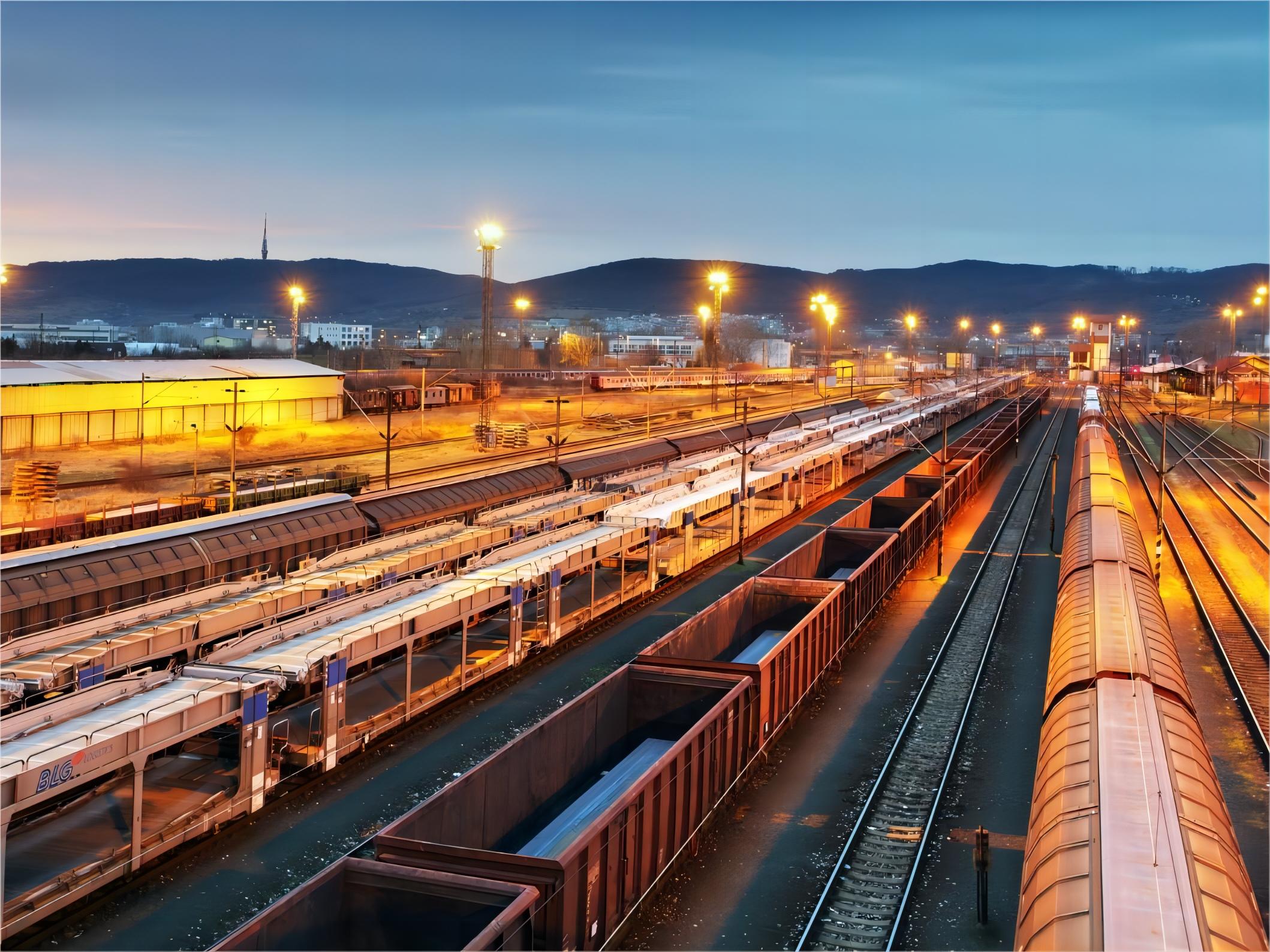
The Iron Silk Road has revolutionized rail freight as a viable middle ground between sea and air. This method offers a faster transit time than ocean transport while remaining significantly cheaper than air freight. Moreover, rail transport is less affected by weather conditions compared to sea routes, providing a more consistent delivery schedule.
Importers often choose rail for electronics and automotive parts that need to arrive faster than a ship can deliver. Additionally, rail freight is considered more environmentally friendly than air transport, aligning with the green initiatives of many French corporations. Consequently, it has become a staple in the export logistics China to France toolkit for 2026.
Standard rail routes typically depart from hubs like Chengdu or Xi’an and arrive in European terminals before final trucking to France. Nevertheless, businesses should account for potential congestion at border crossings. Despite this, the reliability of rail makes it an excellent alternative for time-sensitive cargo that doesn’t justify air freight costs.
Which Option Should You Choose? A Decision Framework
Choosing the right shipping method depends on four primary factors: budget, speed, cargo type, and volume. If your priority is the lowest possible cost and you have a flexible timeline, sea freight is the clear winner. Conversely, if you are launching a new product and need it on shelves within a week, air freight is the only option.
Volume thresholds also play a critical role in your decision-making process. For shipments under 100kg, express services are usually the most efficient. Meanwhile, shipments between 100kg and 500kg are often best served by air freight, while anything over 15 CBM should move via FCL sea freight.
Cargo type considerations may dictate your choice regardless of cost. For example, hazardous materials or oversized machinery may be restricted from air transport. In these cases, specialized Europe bound sea freight services are necessary to ensure safety and compliance with international regulations.
Budget Priority Strategies
Focus on LCL sea freight or rail freight to keep costs low. Consolidating shipments with other buyers can save up to 30% on total logistics spend. Additionally, booking at least 3 weeks in advance helps secure lower rates before peak season surcharges apply.
Speed Priority Strategies
Utilize direct air freight flights from Shanghai or Shenzhen to Paris Charles de Gaulle. While expensive, this minimizes handling and reduces the risk of delays. For extremely urgent small shipments, courier services provide the fastest door-to-door transit.
How to Handle Customs Clearance and Documentation?
Navigating French customs requires precise documentation to avoid costly delays and fines. Every shipment must be accompanied by a commercial invoice, packing list, and a Bill of Lading or Air Waybill. Furthermore, you must ensure your EORI number is active and correctly recorded on all import declarations.
Professional customs brokerage services are essential for managing duties and VAT. In 2026, the French authorities have implemented stricter checks on product safety and environmental compliance. Therefore, providing certificates of origin and CE marking documentation is more important than ever.
Customs duties are calculated based on the HS Code of your products. It is vital to classify your goods correctly to ensure you are paying the right amount of tax. Incorrect classification can lead to audits and significant financial penalties, so always verify your codes with a professional before shipping.
| Document Name | Required For | Key Information | Issuer |
|---|---|---|---|
| Commercial Invoice | All Shipments | Value, Description, Incoterms | Seller/Exporter |
| Packing List | All Shipments | Weight, Dimensions, Units | Seller/Exporter |
| Bill of Lading | Sea Freight | Carrier Info, Title of Goods | Shipping Line |
| Certificate of Origin | Specific Goods | Country of Manufacture | Chamber of Commerce |
Real-World Case Studies in Export Logistics
Reviewing actual shipping scenarios helps illustrate the practical application of different logistics strategies. These examples reflect the current 2026 market rates and operational timelines for common trade routes between China and France.
Case Study 1: Electronics from Shenzhen to Paris via Air Freight. A tech company needed to ship 800kg of high-end tablets. They chose air freight for its speed and security. Route: Shenzhen (SZX) to Paris (CDG). Cargo: 800kg / 4 CBM. Shipping Details: Direct flight via major carrier. Cost Breakdown: Air Freight $5,200, Origin Charges $250, Destination Charges $300, Customs $1,200. Total Landed Cost: $6,950. Timeline: 5 days door-to-door. Key Insight: Speed was prioritized over cost to meet a product launch deadline.
Case Study 2: Furniture from Ningbo to Marseille via Sea Freight. A retailer imported a 40HQ container of home decor. Route: Ningbo to Marseille. Cargo: Furniture, 68 CBM. Container: 40HQ. Shipping Details: Direct sea route via COSCO. Cost Breakdown: Ocean Freight $3,800, Origin Charges $400, Destination Charges $550, Customs $2,100. Total Landed Cost: $6,850. Timeline: 35 days door-to-door. Key Insight: FCL sea freight provided the lowest cost per unit for high-volume cargo.
Case Study 3: Industrial Parts from Wuhan to Lyon via Rail Freight. A manufacturer required a steady supply of components. Route: Wuhan to Lyon via Duisburg. Cargo: 12 CBM LCL. Shipping Details: Rail freight transshipment. Cost Breakdown: Rail Freight $1,800, Local Charges $350, Customs $800. Total Landed Cost: $2,950. Timeline: 22 days door-to-door. Key Insight: Rail offered a reliable schedule at half the cost of air freight.
The Benefits of Door to Door Logistics Solutions
Managing multiple vendors can be a logistical nightmare for many businesses. Consequently, door to door services have become increasingly popular as they provide a single point of contact for the entire journey. This approach simplifies the process by combining pickup, international transit, and final delivery into one seamless package.
Efficiency is greatly improved when one provider handles both the export from China and the import into France. In addition, this reduces the risk of communication errors between different agents. Indeed, door-to-door solutions often include insurance and customs handling, providing peace of mind for the importer.
Pricing for door-to-door services is typically more transparent, as it includes all local charges at both ends. However, you should still request a detailed breakdown to understand exactly what you are paying for. Ultimately, the time saved by using an all-in-one service often outweighs the slightly higher service fee.
Final Thoughts on Export Logistics China to France
Mastering export logistics China to France is a continuous process of balancing cost, speed, and reliability. By understanding the various shipping methods and staying updated on 2026 market trends, you can optimize your operations for maximum profitability. Whether you choose sea, air, or rail, the key is to partner with an experienced freight forwarder who can navigate the complexities of international trade.
Effective logistics management not only saves money but also builds trust with your French customers through timely deliveries. As you plan your next shipment, remember to prioritize clear documentation and choose the method that best aligns with your business goals. With the right strategy, your export activities will become a powerful driver of growth in the European market.
Need a tailored shipping solution?
Streamline your supply chain today with expert export logistics China to France. Contact Top China Freight for a customized quote and professional guidance on your next shipment. Visit our website to get started: Send Inquiry to https://Top China Freight.net/