
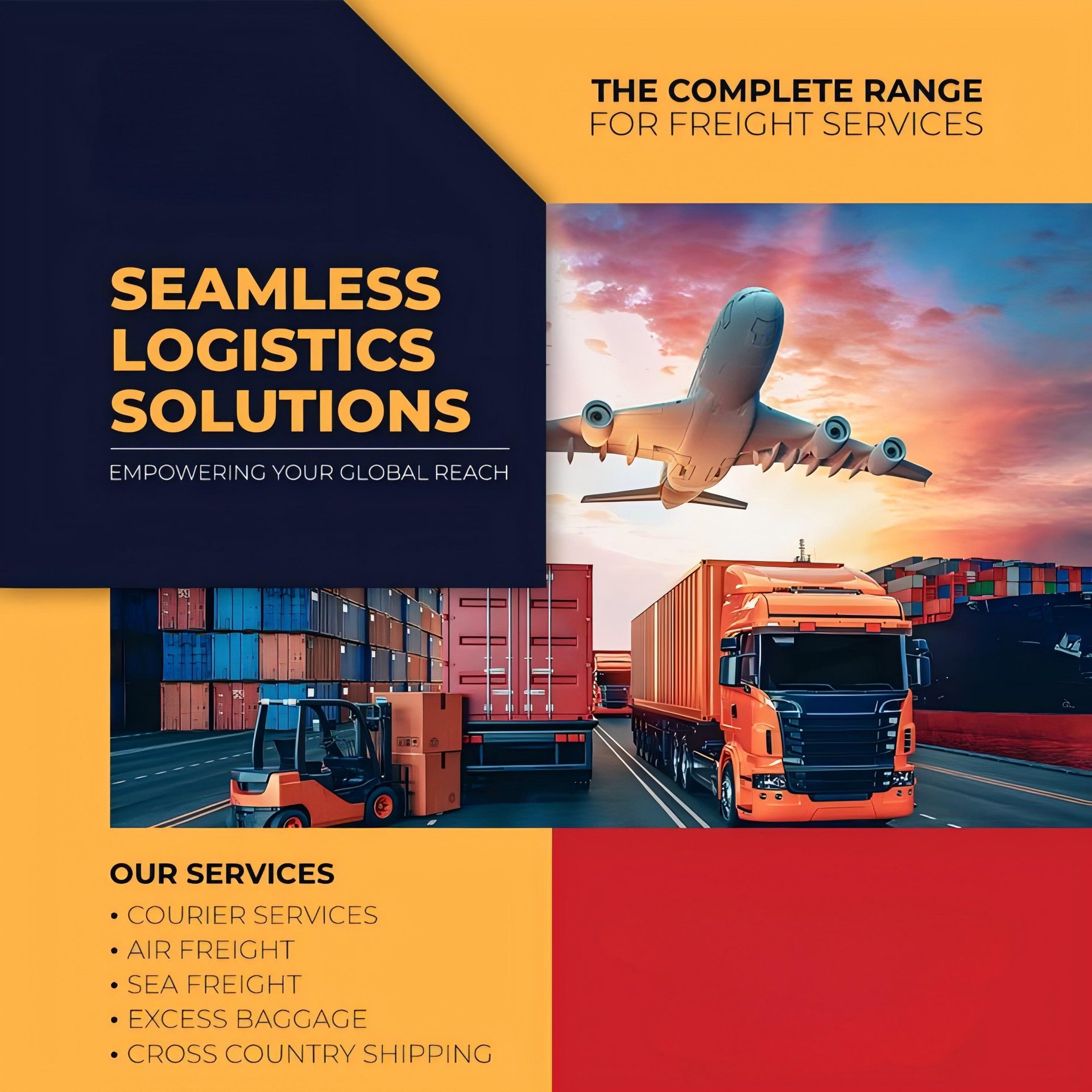
Cheap shipping china to Germany: Best 2026 Freight Rates and Methods
Finding cheap shipping china to Germany is a top priority for businesses looking to maintain high margins in the competitive European marketplace. By partnering with a reliable partner like Top China Freight, you can navigate the complexities of international logistics while keeping your overhead costs low. This comprehensive 2026 guide explores the most affordable transport methods and strategies to ensure your cargo arrives safely and economically.
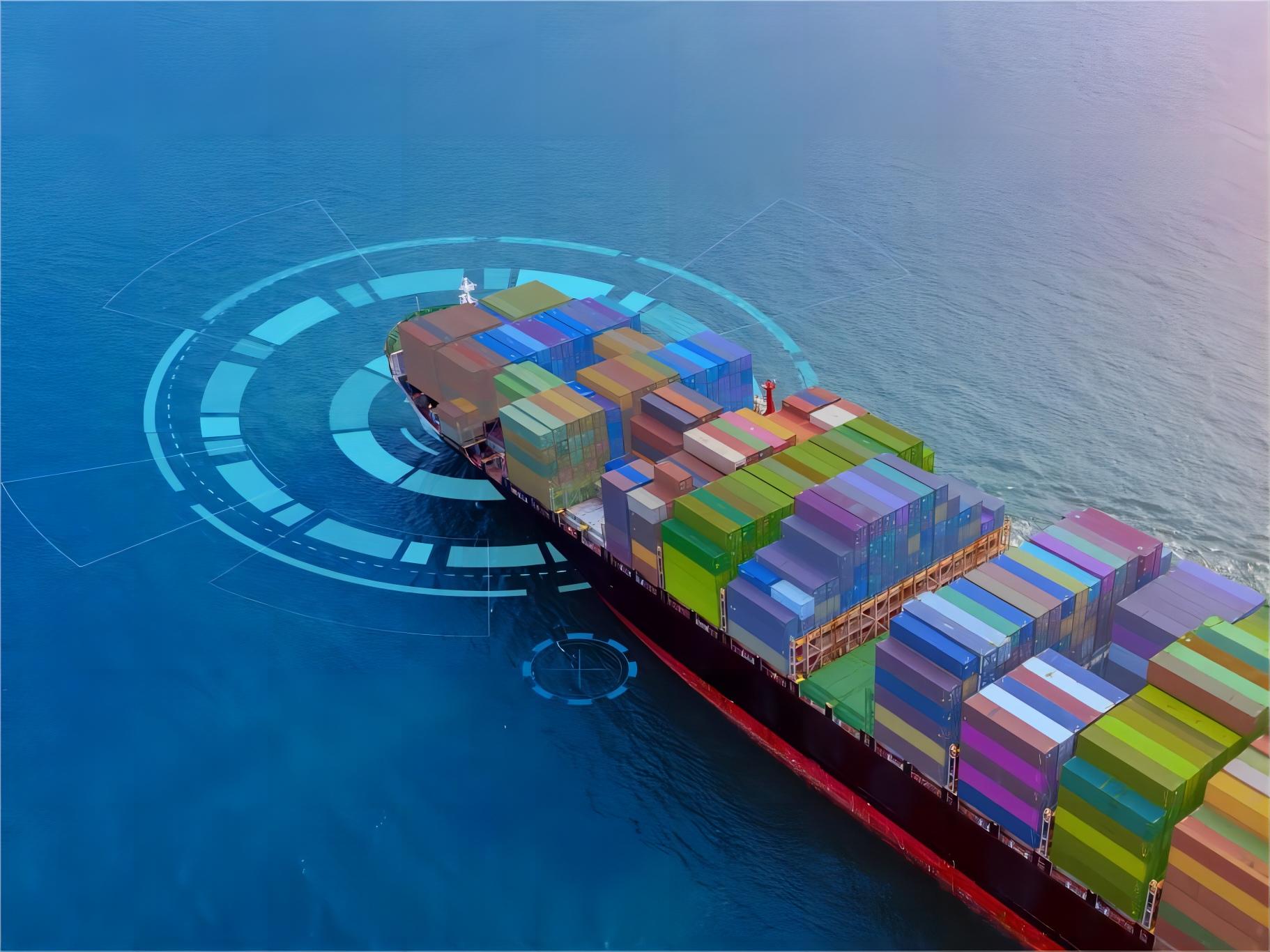
How Does Sea Freight Compare to Other Shipping Options?
Analyzing the various transport modes is the first step toward achieving cheap shipping china to Germany for your business. Traditionally, sea freight remains the most economical choice for large volume shipments and heavy machinery. However, businesses must weigh the low cost against the longer transit times associated with ocean travel.
Specifically, sea freight allows for massive economies of scale that other methods simply cannot match. Consequently, most importers choose this method for non-urgent goods. Meanwhile, rail and air options provide alternatives for those who require a faster turnaround but are willing to pay a premium.
Moreover, market data from early 2026 suggests that sea freight rates have stabilized significantly. Nevertheless, choosing the right method depends entirely on your specific cargo volume and delivery schedule. For instance, a full container load might be cheaper than multiple less-than-container-load shipments over time.
| Shipping Method | Cost Range | Transit Time | Best For |
|---|---|---|---|
| Sea Freight | $1,800 – $3,800 | 30 – 45 Days | Bulk Goods |
| Rail Freight | $2,500 – $4,800 | 18 – 25 Days | Medium Volume |
| Air Freight | $5.50 – $9.00/kg | 5 – 8 Days | High Value |
| Express | $8.00 – $15.00/kg | 3 – 5 Days | Urgent Samples |
Comparison Table of Shipping Methods
Ideally, you should use the following table to compare the primary shipping methods available for the China to Germany route. This data reflects typical market averages for the first quarter of 2026.
Can Sea Freight Help You Achieve the Lowest Costs?
Choosing sea freight is the most common strategy for businesses seeking the absolute lowest shipping rates. Indeed, the cost per cubic meter is significantly lower than any other transport mode. Furthermore, ocean carriers offer various container sizes to accommodate different cargo types.
Typically, you can choose between Full Container Load (FCL) and Less than Container Load (LCL). If you have enough cargo to fill a 20-foot or 40-foot container, FCL is almost always the most cost-effective approach. Conversely, LCL allows you to share container space with other shippers, which is perfect for smaller batches.
Additionally, sea freight provides the capacity to move oversized or hazardous materials that might be restricted on planes or trains. As a result, it remains the backbone of the global supply chain. Therefore, if your lead times allow for a 40-day window, ocean transport is your best bet for cheap shipping china to Germany.
Why Choose Rail Freight for Your Germany Shipments?
Implementing rail freight strategies has become increasingly popular for German importers over the last decade. This method serves as a middle ground between the slow speed of the sea and the high cost of the air. Consequently, it offers a balanced solution for many modern businesses.
Significantly, the Iron Silk Road connects major Chinese hubs like Chengdu and Xi’an directly to German terminals in Duisburg and Hamburg. This direct connection reduces the risk of port congestion often found in maritime routes. Moreover, rail transport is generally more environmentally friendly than air or sea options.
Initially, rail freight might seem more expensive than ocean freight, but it can save money on inventory holding costs. Because the goods arrive faster, you can maintain lower stock levels and improve your cash flow. Thus, it is a strategic choice for high-turnover consumer goods.

Which Option Should You Choose for Your Business?
Selecting the right shipping method requires a clear understanding of your business priorities. If your primary goal is to minimize expenditure, sea freight is the logical choice. However, if you are facing tight deadlines, the extra cost of rail or air might be justified.
Actually, many successful importers use a hybrid strategy to manage their logistics. They might ship the bulk of their inventory by sea while using air freight for emergency restocks. This approach ensures they never run out of stock while keeping average shipping costs manageable.
Furthermore, consider the nature of your products when making this decision. Perishable goods or high-end electronics often require the speed and security of air transport. In contrast, construction materials or furniture are better suited for the slow and steady pace of container ships.
| Priority | Recommended Method | Key Benefit | Trade-off |
|---|---|---|---|
| Lowest Budget | Sea Freight (FCL) | Maximum Savings | Slowest Speed |
| Speed Priority | Air Freight | Fast Delivery | High Expense |
| Balanced Cost | Rail Freight | Reliable Schedule | Medium Price |
| Small Batches | Sea Freight (LCL) | Flexible Volume | Handling Risk |
How to Optimize Your Amazon FBA Shipments?
Managing Amazon FBA logistics requires precision and adherence to strict delivery windows. Because Amazon has specific requirements for labeling and palletization, choosing a specialized forwarder is essential. Furthermore, an experienced partner can help you avoid costly rejection at the fulfillment center.
Notably, many FBA sellers prefer door-to-door services to simplify their operations. This service handles everything from the factory floor in China to the Amazon warehouse in Germany. Consequently, you can focus on marketing and sales while the logistics experts handle the heavy lifting.
Additionally, optimizing your packaging can lead to significant savings on cheap shipping china to Germany. By reducing the dimensional weight of your parcels, you can lower your freight charges. Therefore, always consult with your forwarder about the most efficient way to box your products.
What are the Benefits of Door to Door Services?
Utilizing door to door solutions eliminates the stress of managing multiple logistics providers. Instead of coordinating with local truckers, customs brokers, and international carriers, you deal with a single point of contact. Indeed, this streamlined approach often prevents communication errors and delays.
Moreover, door-to-door services provide end-to-end visibility for your shipments. You can track your cargo from the moment it leaves the warehouse in China until it reaches its final destination in Germany. As a result, you can provide more accurate delivery estimates to your own customers.
Fortunately, this service is often more affordable than it appears when you factor in the time saved. Managing logistics internally can be a major drain on company resources. By outsourcing the entire process, you ensure that experts are handling every detail of your cheap shipping china to Germany.
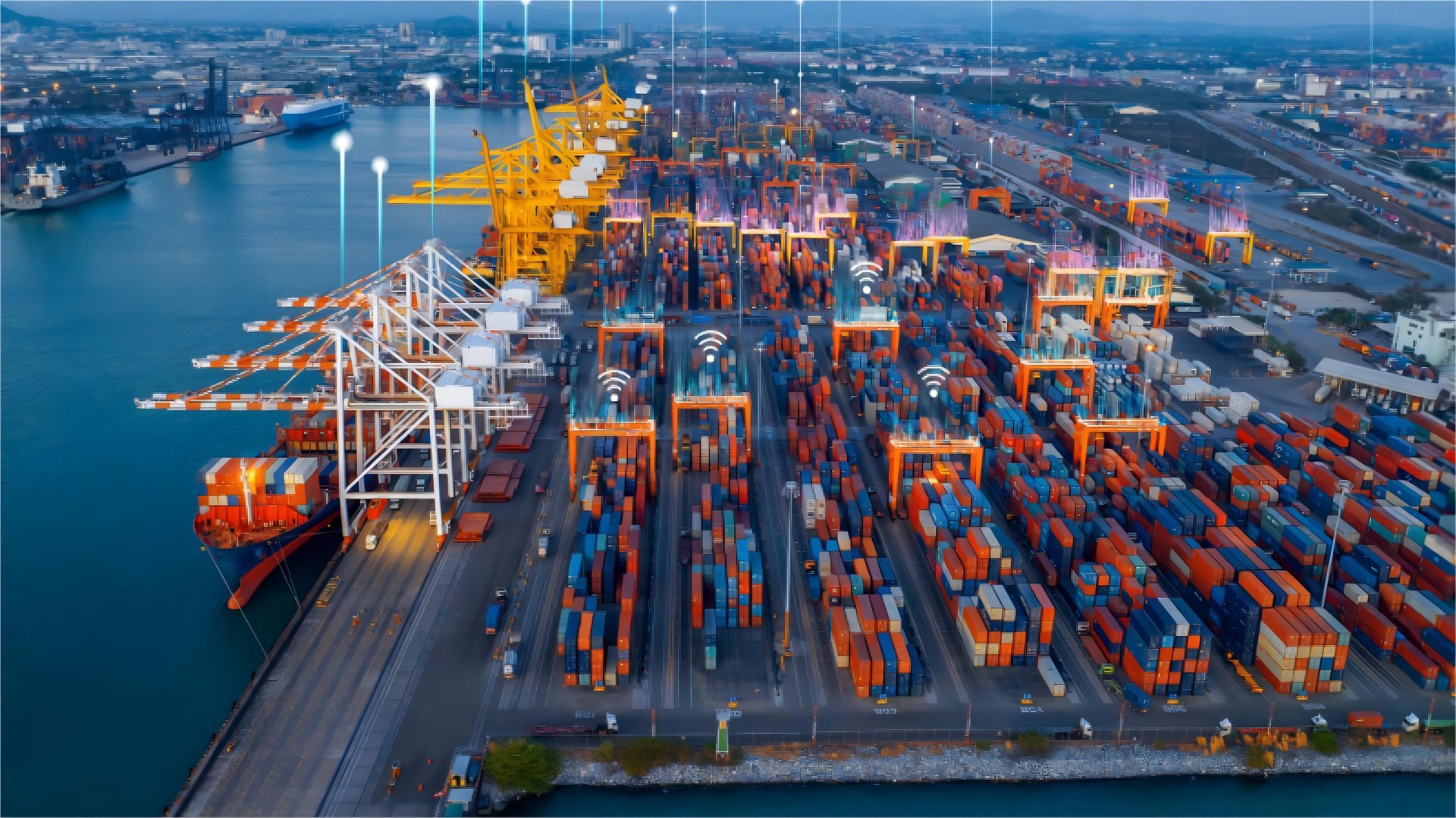
How to Navigate Customs Brokerage and Duties in 2026?
Understanding customs brokerage is vital for anyone importing goods into the European Union. Germany has strict regulations regarding product safety, environmental standards, and tax compliance. Consequently, failing to provide the correct documentation can lead to expensive fines or seized cargo.
Typically, you will need a commercial invoice, a packing list, and a Bill of Lading or Air Waybill. Furthermore, some products may require specific certificates of origin or safety inspections. Therefore, working with a professional broker ensures that all paperwork is filed correctly and on time.
Specifically, the EORI number is a mandatory requirement for all businesses importing into Germany. If you do not have this identification number, your goods will be held at the border. Thus, preparing your administrative requirements well in advance is a key part of securing cheap shipping china to Germany.
| Document Name | Purpose | Required By | Typical Format |
|---|---|---|---|
| Commercial Invoice | Valuation of Goods | Customs Office | Digital/Paper |
| Packing List | Cargo Verification | Port Authorities | Digital/Paper |
| Bill of Lading | Title of Goods | Carrier/Bank | Original/Telex |
| EORI Number | Importer ID | EU Customs | Registration Code |
Required Customs Documentation Checklist
Properly preparing your documents is the best way to avoid delays at the German border. Below is a list of the essential paperwork required for most commercial shipments in 2026.
Real Case Studies for 2026 Shipments
Reviewing real-world examples can help you understand the practical costs and timelines involved in cheap shipping china to Germany. These cases reflect actual shipments handled during the first half of 2026. Note that freight rates are subject to change based on fuel costs, carrier capacity, and seasonal demand. Contact us for a current quote tailored to your specific shipment.
Case Study 1: Industrial Machinery for a Berlin Factory. Route: Shenzhen to Hamburg. Cargo: Precision tools, 28 CBM, 12,500 kg. Container: 40GP. Shipping Details: Major carrier, direct route. Cost Breakdown: Ocean Freight: $3,200. Origin Charges: $450. Destination Charges: $600. Customs and Duties: $1,200. Total Landed Cost: $5,450. Timeline: Booking to Loading: 4 days. Sea Transit: 33 days. Customs Clearance: 2 days. Total Door-to-Door: 39 days. Key Insight: Booking 3 weeks in advance secured a lower rate before a mid-month price hike.
Case Study 2: Consumer Electronics for a Munich Retailer. Route: Chengdu to Duisburg. Cargo: Smart home devices, 5 CBM, 800 kg. Container: LCL Rail. Shipping Details: Rail freight via Kazakhstan and Poland. Cost Breakdown: Rail Freight: $1,150. Origin Charges: $200. Destination Charges: $350. Customs and Duties: $900. Total Landed Cost: $2,600. Timeline: Booking to Loading: 3 days. Rail Transit: 21 days. Customs Clearance: 1 day. Total Door-to-Door: 25 days. Key Insight: Rail provided a 12-day advantage over sea freight for only a 20 percent increase in total logistics cost.
Case Study 3: Urgent Fashion Samples for a Frankfurt Showroom. Route: Shanghai to Frankfurt. Cargo: Apparel, 0.5 CBM, 120 kg. Method: Air Freight. Shipping Details: Direct flight. Cost Breakdown: Air Freight: $950. Handling Fees: $150. Customs and Duties: $300. Total Landed Cost: $1,400. Timeline: Transit: 2 days. Customs: 1 day. Total Door-to-Door: 4 days. Key Insight: High-speed air freight was necessary to meet a strict marketing deadline despite the higher cost per kilogram.
Final Thoughts on Affordable Shipping to Germany
Summarizing the options, achieving cheap shipping china to Germany requires a combination of early planning and selecting the right transport mode. While sea freight offers the lowest prices, rail freight provides a vital alternative for those needing more speed. Understanding the 2026 market trends and customs requirements will further help you avoid unnecessary expenses.
Ultimately, the goal is to find a balance that supports your business growth while keeping costs under control. By leveraging the expertise of a professional freight forwarder, you can navigate the complexities of shipping to <a href=”https://Top China Freight.net/shipping-from-china-to-europe/”>Europe</a> with confidence. Start planning your next shipment today to take advantage of current market rates.
Ready to streamline your logistics?
Are you ready to optimize your supply chain and secure cheap shipping china to Germany for your next shipment? Our expert team is standing by to provide you with a competitive quote and professional guidance. Contact Top China Freight today to learn how we can streamline your international logistics. Visit our inquiry page to get started: https://Top China Freight.net/contact-us/
Request Quote