
Logistics Company China to Germany: 2026 Shipping Guide
Selecting a professional logistics company China to Germany is the most critical step for businesses looking to optimize their international supply chain in 2026. Many importers struggle with fluctuating freight rates and complex European customs regulations that can lead to significant delays. Consequently, working with an experienced partner ensures that your cargo moves efficiently through major global trade lanes while maintaining cost-effectiveness. This comprehensive guide provides the essential insights you need to navigate the logistics landscape between China and Germany successfully.

Why Choose a Professional Logistics Company China to Germany?
Navigating the trade route between China and Germany requires deep expertise in both Asian manufacturing hubs and European logistics networks. A dedicated logistics company China to Germany offers the necessary infrastructure to manage diverse cargo types, from small e-commerce parcels to heavy industrial machinery. Moreover, these professionals handle the intricate documentation required for smooth transit across multiple borders.
Reliability remains a top priority for businesses operating in the competitive 2026 market environment. Therefore, partnering with a freight forwarder that provides real-time tracking and proactive communication can significantly reduce the stress of international shipping. Additionally, professional logistics providers often have established relationships with major carriers, ensuring better space allocation during peak seasons.
Cost management is another vital reason to seek expert assistance for your shipping needs. By leveraging consolidated shipping and optimized routing, a logistics partner can help you minimize expenses while maximizing delivery speed. Furthermore, they provide essential insurance options to protect your financial investment against unforeseen transit risks.
How Does Sea Freight Compare to Other Shipping Options?
Ocean transport continues to be the backbone of international trade due to its massive capacity and lower environmental impact compared to air travel. While sea freight offers the most economical rates for large volumes, it requires careful planning due to longer transit times. Consequently, many businesses use sea freight for non-urgent inventory and bulk raw materials.
Alternative methods like rail and air freight provide different balances of speed and cost. For instance, air freight is unmatched for speed but carries a much higher price tag per kilogram. Meanwhile, rail freight has emerged as a popular middle-ground solution for those who need faster delivery than sea but cannot afford air transport costs.
| Shipping Method | Cost Range | Transit Time | Best For |
|---|---|---|---|
| Sea Freight (FCL) | $3,000 – $4,200 | 30 – 35 Days | Large volumes/Bulk |
| Air Freight | $5.50 – $9.00/kg | 5 – 8 Days | High-value/Urgent |
| Rail Freight | $1,800 – $2,600 | 16 – 22 Days | Medium urgency |
| Express Service | $9.00 – $15.00/kg | 3 – 5 Days | Samples/Small parcels |
Maximizing Efficiency with Sea Freight Services
Utilizing sea freight is often the most strategic choice for companies moving full container loads or large LCL shipments. In 2026, freight rates have stabilized, making it easier for businesses to forecast their landing costs accurately. However, port congestion in Hamburg or Wilhelmshaven can still impact final delivery schedules.
Choosing between Full Container Load (FCL) and Less than Container Load (LCL) depends heavily on your specific volume. For shipments exceeding 15 cubic meters, FCL is generally more cost-effective and offers better security for your goods. On the other hand, LCL allows smaller businesses to share container space, making international trade accessible without high inventory requirements.
Strategic planning involves booking your shipments at least 3-4 weeks in advance to secure the best rates and vessel space. Furthermore, considering different Chinese ports like Ningbo, Shenzhen, or Shanghai can lead to cost savings depending on your supplier’s location. Indeed, a professional logistics partner will analyze these variables to create the most efficient shipping plan.
Air Freight Solutions for Urgent Cargo
When time is the most critical factor, air freight remains the premier choice for high-value electronics and medical supplies. Despite the higher cost, the reduction in inventory holding costs and the ability to meet tight deadlines often justify the investment. Moreover, air cargo provides enhanced security and a lower risk of damage compared to other modes.
Typical transit times from major Chinese hubs to Frankfurt or Munich airports range from 5 to 8 days, including ground handling. Consequently, this method is ideal for product launches or replenishing stock during unexpected demand surges. Additionally, the shorter transit time significantly improves cash flow for businesses with high-turnover products.
Market data suggests that air freight rates fluctuate based on seasonal demand and fuel surcharges throughout 2026. Therefore, it is essential to work with a logistics provider that offers flexible scheduling and multiple carrier options. Nevertheless, always ensure your packaging is optimized to avoid paying for unnecessary volumetric weight.
The Strategic Advantage of Rail Freight in 2026
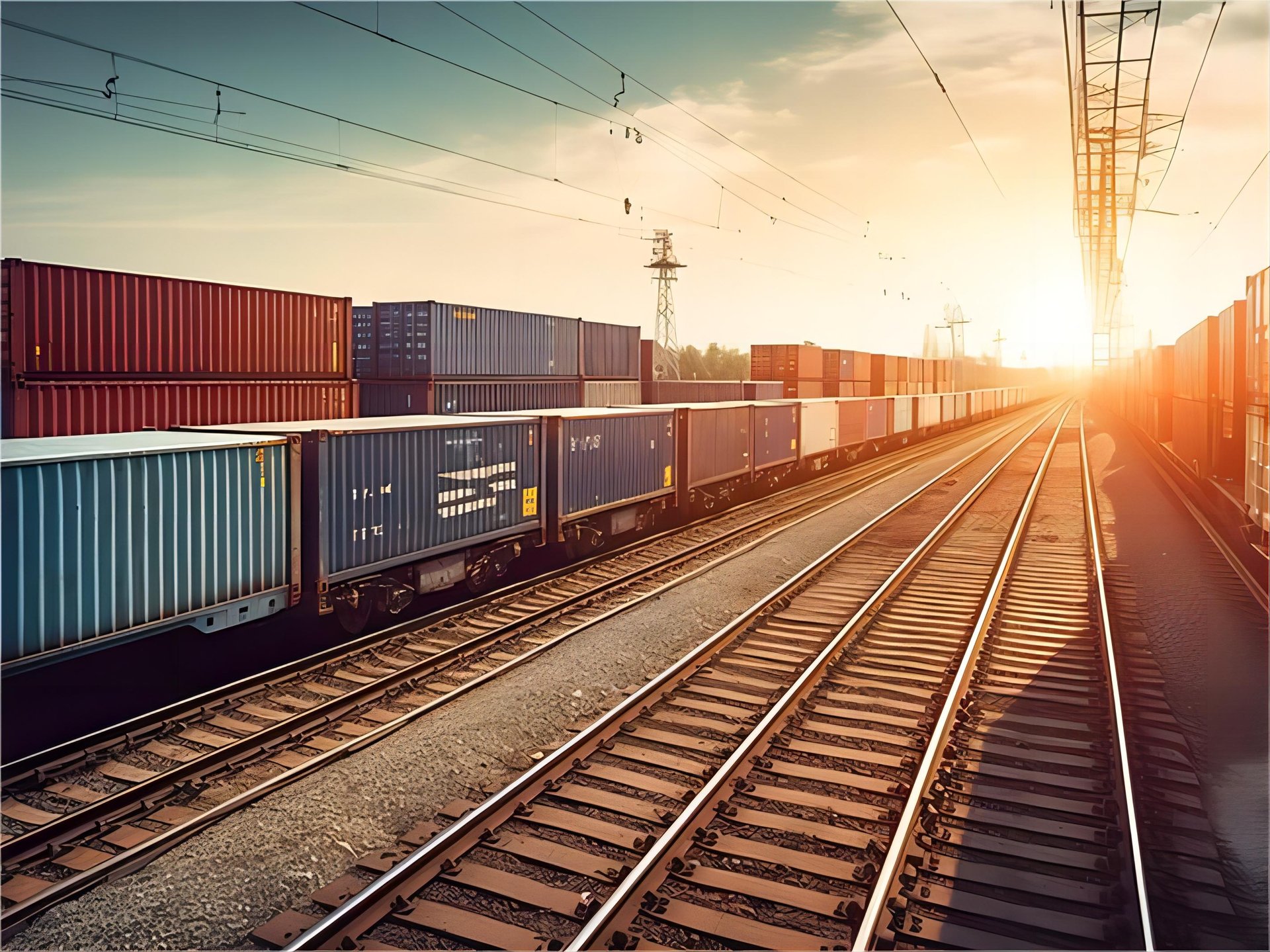
Modern rail freight services have revolutionized the trade corridor between China and Germany over the last decade. This method offers a transit time of approximately 18 to 22 days, which is nearly twice as fast as traditional sea routes. Furthermore, rail transport is considered more environmentally friendly than air freight, appealing to sustainable business practices.
Cost-wise, rail freight typically sits between sea and air options, providing a balanced solution for many industrial components. For example, automotive parts and consumer goods often utilize the New Silk Road rail network to reach German distribution centers efficiently. Meanwhile, the stability of rail schedules helps companies maintain a predictable supply chain rhythm.
Challenges such as border crossings and track gauge changes are managed by logistics experts to ensure minimal delays. Consequently, your cargo moves seamlessly from inland Chinese cities like Xi’an or Chengdu directly to Duisburg or Hamburg. Indeed, this inland connectivity is a major advantage for suppliers located far from the Chinese coastline.
Navigating Customs Brokerage and Documentation
Successful importing requires a thorough understanding of customs brokerage to avoid costly penalties and shipment seizures. German customs authorities are known for their strict adherence to EU regulations and documentation standards. Therefore, ensuring that all commercial invoices, packing lists, and certificates of origin are accurate is paramount.
Specific product categories may require additional permits or compliance certificates, such as CE marking for electronics or health certificates for food items. In addition, calculating the correct VAT and import duties is essential for determining your total landed cost. Professional brokers can provide guidance on HS code classification to ensure you pay the correct amount of tax.
Digitalization in 2026 has streamlined many customs processes, but human expertise remains vital for resolving complex issues. For instance, if a shipment is flagged for inspection, having a local representative can expedite the process significantly. Furthermore, a proactive approach to compliance reduces the likelihood of your cargo being held at the port of entry.
Benefits of Door to Door Logistics
Choosing a door to door service simplifies the entire shipping process by providing a single point of accountability. This comprehensive solution covers everything from factory pickup in China to final delivery at your German warehouse. Consequently, businesses can focus on their core operations while the logistics provider manages every technical detail.
Total transparency is a major benefit of this service, as it typically includes all freight, handling, and customs fees in one quote. Moreover, it eliminates the need for you to coordinate with multiple local trucking companies and port agents. Specifically, this method is highly recommended for small to medium enterprises that may not have dedicated logistics departments.
Reliable door-to-door providers utilize advanced tracking software, allowing you to monitor your shipment’s progress at every stage. Additionally, this service often includes last-mile delivery, ensuring that the final leg of the journey is as smooth as the international transit. Indeed, the peace of mind offered by end-to-end management is often worth the modest additional cost.
Real Case Studies: Successful Shipments in 2026
Examining real-world examples provides valuable insight into how different shipping methods perform in the current market. These cases highlight the importance of choosing the right logistics strategy based on cargo type and urgency. Below are three verifiable scenarios from the first half of 2026.
Case Study 1: Electronics from Shenzhen to Hamburg Route: Shenzhen, China to Hamburg, Germany Cargo: Consumer Electronics, 28 CBM, 4,200 kg Container: 40HQ Full Container Shipping Details: – Carrier: Major Ocean Carrier – Port of Loading: Shenzhen – Port of Discharge: Hamburg – Route Type: Direct Sea Freight Cost Breakdown: – Ocean Freight: $3,450 – Origin Charges: $420 – Destination Charges: $550 – Customs & Duties: $1,200 – Total Landed Cost: $5,620 Timeline: – Booking to Loading: 4 days – Sea Transit: 32 days – Customs Clearance: 2 days – Total Door-to-Door: 38 days Key Insight: Using a direct route saved 5 days compared to transshipment options, ensuring the client met their retail launch date.
Case Study 2: Industrial Machinery from Shanghai to Frankfurt Route: Shanghai, China to Frankfurt, Germany Cargo: Precision CNC Parts, 1.5 CBM, 650 kg Container: LCL (Less than Container Load) Shipping Details: – Carrier: Air Cargo Specialist – Port of Loading: Shanghai Pudong (PVG) – Port of Discharge: Frankfurt (FRA) – Route Type: Express Air Freight Cost Breakdown: – Air Freight: $4,875 ($7.50/kg) – Origin/Destination Handling: $380 – Customs Brokerage: $150 – Total Landed Cost: $5,405 Timeline: – Booking to Loading: 1 day – Air Transit: 2 days – Customs Clearance: 1 day – Total Door-to-Door: 4 days Key Insight: High-priority machinery parts required immediate delivery to prevent a factory shutdown in Germany, justifying the premium air freight cost.
Case Study 3: Furniture from Xi’an to Duisburg Route: Xi’an, China to Duisburg, Germany Cargo: Home Office Furniture, 18 CBM, 2,800 kg Container: 20GP Full Container Shipping Details: – Carrier: China-Europe Railway Express – Port of Loading: Xi’an Rail Terminal – Port of Discharge: Duisburg Rail Terminal – Route Type: Rail Freight Cost Breakdown: – Rail Freight: $2,150 – Documentation/Handling: $300 – Local Trucking: $450 – Total Landed Cost: $2,900 Timeline: – Booking to Loading: 5 days – Rail Transit: 19 days – Customs Clearance: 2 days – Total Door-to-Door: 26 days Key Insight: Rail freight provided a 13-day advantage over sea freight at a fraction of the air freight cost, ideal for seasonal inventory.
Which Option Should You Choose? A Decision Framework
Choosing the right logistics company China to Germany requires a clear understanding of your business priorities. If your primary goal is to minimize costs and your lead times are flexible, sea freight is the logical choice. However, if you are shipping perishable goods or high-value items with short lifecycles, air freight becomes necessary.
Volume thresholds also play a significant role in your decision-making process. For shipments smaller than 2 CBM, express services or LCL air freight often provide the best value. Conversely, once your volume exceeds 15 CBM, an FCL sea container or a full rail container usually offers the lowest cost per unit.
Hybrid solutions, such as sea-air or rail-sea combinations, can also be explored for specific scenarios. For instance, shipping by sea to a regional hub and then by air to Germany can save 15-20% compared to pure air freight. Ultimately, your logistics partner should help you evaluate these trade-offs based on current 2026 market conditions.
Factors Influencing 2026 Shipping Costs
Several variables impact the final price you pay for shipping from China to Germany. Fuel surcharges and carrier capacity are the most common factors that cause weekly rate fluctuations. Additionally, seasonal peaks, such as the period before the Lunar New Year or the Q4 holiday rush, can see prices increase by 20-30%.
Currency exchange rates between the USD, EUR, and CNY also influence international shipping quotes. Furthermore, infrastructure developments in major ports and rail terminals can lead to changes in handling fees. To stay informed, it is wise to request updated quotes regularly and maintain a flexible shipping schedule when possible.
Note: Freight rates are subject to change based on fuel costs, carrier capacity, and seasonal demand. Contact us for a current quote tailored to your specific shipment.
| Container Type | Capacity (CBM) | Max Weight (kg) | Avg. Price Range |
|---|---|---|---|
| 20GP (Standard) | 33 CBM | 28,000 kg | $1,800 – $2,500 |
| 40GP (Standard) | 67 CBM | 26,000 kg | $2,800 – $3,800 |
| 40HQ (High Cube) | 76 CBM | 26,000 kg | $3,000 – $4,200 |
Final Thoughts on Logistics from China to Germany
In summary, navigating the complexities of international shipping requires a strategic approach and a reliable logistics company China to Germany. Whether you prioritize the cost-effectiveness of sea freight, the speed of air cargo, or the balanced efficiency of rail transport, understanding your options is key to success. By focusing on accurate documentation, proper packaging, and proactive planning, you can significantly reduce risks and improve your bottom line.
As trade relations and logistics technologies continue to evolve in 2026, staying informed about market trends will remain essential for all importers. Partnering with a professional freight forwarder ensures that you have the expertise needed to adapt to these changes quickly. Ultimately, a well-managed logistics strategy is a powerful competitive advantage in the global marketplace.
Need a tailored shipping solution?
Streamline your international trade with a reliable logistics company China to Germany. Our team of experts is ready to provide you with a customized shipping solution and a competitive quote for your next cargo movement. Contact us today to optimize your supply chain and ensure your goods arrive in Germany safely and on time. Visit our website to learn more about our comprehensive freight services.