Bulk Shipping China to Canada: 2026 Freight Costs and Guide
Bulk shipping China to Canada represents a critical component for businesses aiming to maintain a competitive edge in the North American market. By partnering with a reliable logistics provider like Top China Freight, importers can navigate the complexities of trans-Pacific trade with confidence. This comprehensive guide details the essential strategies, costs, and regulatory requirements for transporting large-scale cargo in 2026.
✦What are the Primary Methods for Bulk Shipping China to Canada?
Selecting the right transport mode is the first step in optimizing your supply chain for 2026. Most businesses rely on ocean transport due to its high capacity and cost-effectiveness for heavy cargo. However, hybrid solutions and specialized air services have become increasingly popular for high-value bulk goods.
Sea freight remains the dominant choice for bulk shipping China to Canada because it accommodates massive volumes that would be cost-prohibitive via other means. Furthermore, modern vessels have improved fuel efficiency, helping to stabilize freight rates despite global economic shifts. Consequently, importers can plan long-term budgets with greater accuracy.
Air transport, while more expensive, serves as a vital alternative for time-sensitive bulk shipments. For example, if a production line in Ontario faces a shutdown, the speed of air delivery justifies the higher expenditure. Nevertheless, most companies reserve this for emergencies or high-margin products.
How Does Sea Freight Compare to Other Shipping Options?
Evaluating the trade-offs between different logistics modes is essential for making an informed decision. While sea freight offers the lowest cost per unit, it requires significantly longer lead times compared to air or multi-modal strategies. In 2026, many shippers are also considering sea-air combinations to balance cost and speed.
As of early 2026, the logistics market has seen a stabilization in rates after the disruptions of previous years. For instance, shipping a 40HQ container from Shanghai to Vancouver now averages between $2,800 and $3,800. In contrast, air freight for a similar volume would exceed $20,000, making it unsuitable for standard bulk commodities.
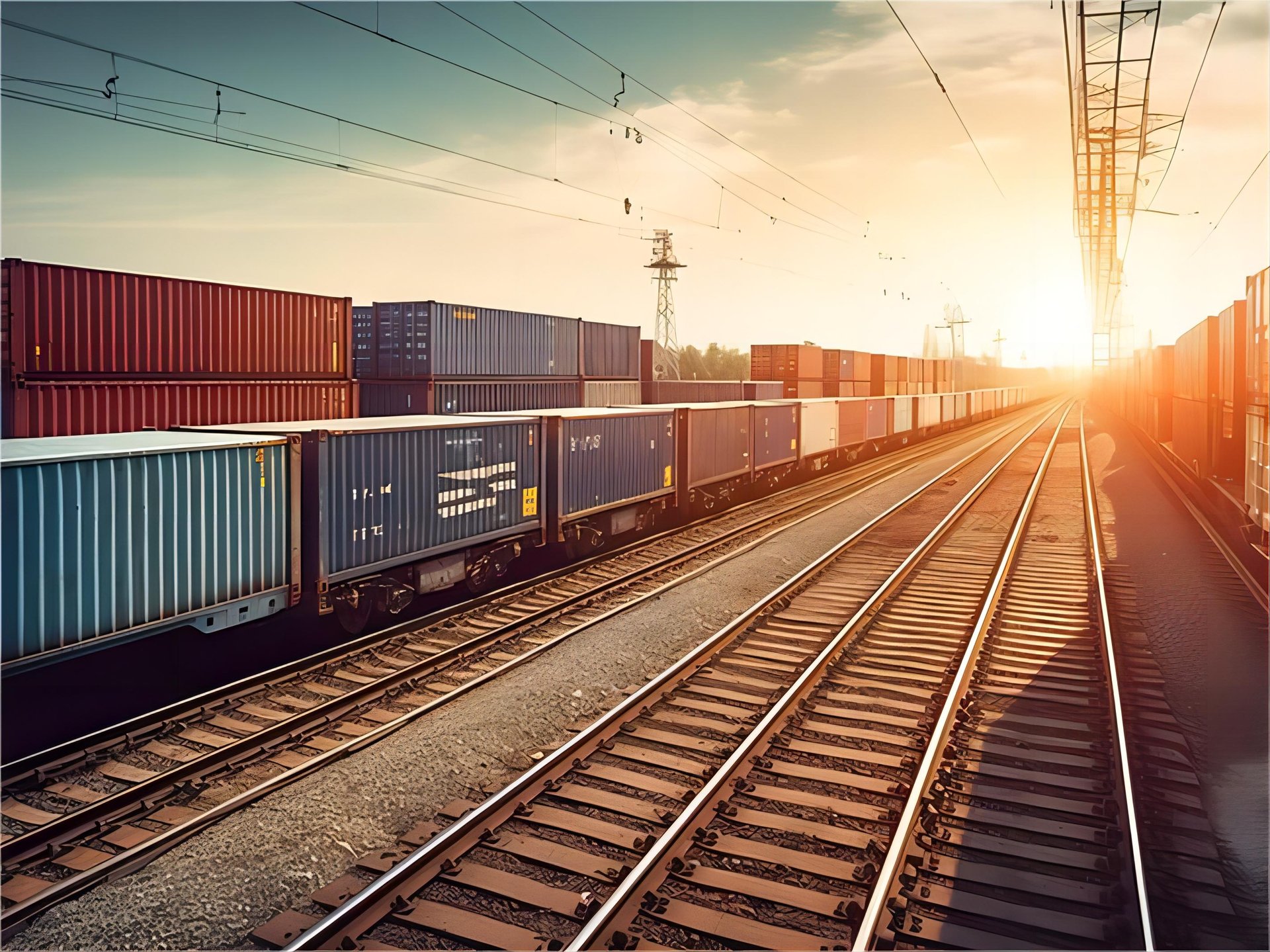
Rail-sea combinations are another alternative strategy for reaching inland Canadian destinations like Winnipeg or Saskatoon. By discharging cargo at Prince Rupert and utilizing the Canadian National Railway, shippers can often save 2-3 days compared to the Port of Vancouver. This strategy is particularly effective for heavy industrial machinery.
| Shipping Method | Cost Range (USD) | Transit Time | Best For |
|---|---|---|---|
| Sea Freight (FCL) | $2,500 – $5,500 | 18 – 35 Days | Large volumes, heavy goods |
| Air Freight (Bulk) | $4.50 – $8.00/kg | 5 – 8 Days | High-value, urgent cargo |
| Sea-Air Hybrid | $2.50 – $4.00/kg | 12 – 18 Days | E-commerce, seasonal stock |
| LCL (Per CBM) | $60 – $110 | 25 – 40 Days | Small bulk shipments |
Understanding FCL vs LCL for Your Bulk Shipments
Choosing between Full Container Load (FCL) and Less than Container Load (LCL) depends heavily on your specific cargo volume. Generally, if your shipment exceeds 15 cubic meters (CBM), FCL becomes the more economical and secure option. Moreover, FCL reduces handling risks because the container remains sealed from the point of origin to the destination.
LCL is a strategic choice for businesses that do not have enough goods to fill a whole container. By sharing space with other importers, you only pay for the volume you occupy. However, keep in mind that LCL often involves longer transit times due to the consolidation and deconsolidation processes at the ports.
For those managing inventory for online platforms, utilizing specialized Amazon FBA services can streamline the transition from bulk arrival to individual fulfillment. Indeed, many Canadian sellers use LCL to maintain a steady flow of goods without overstocking their warehouses.
Key Logistics Hubs and Transit Times to Canada
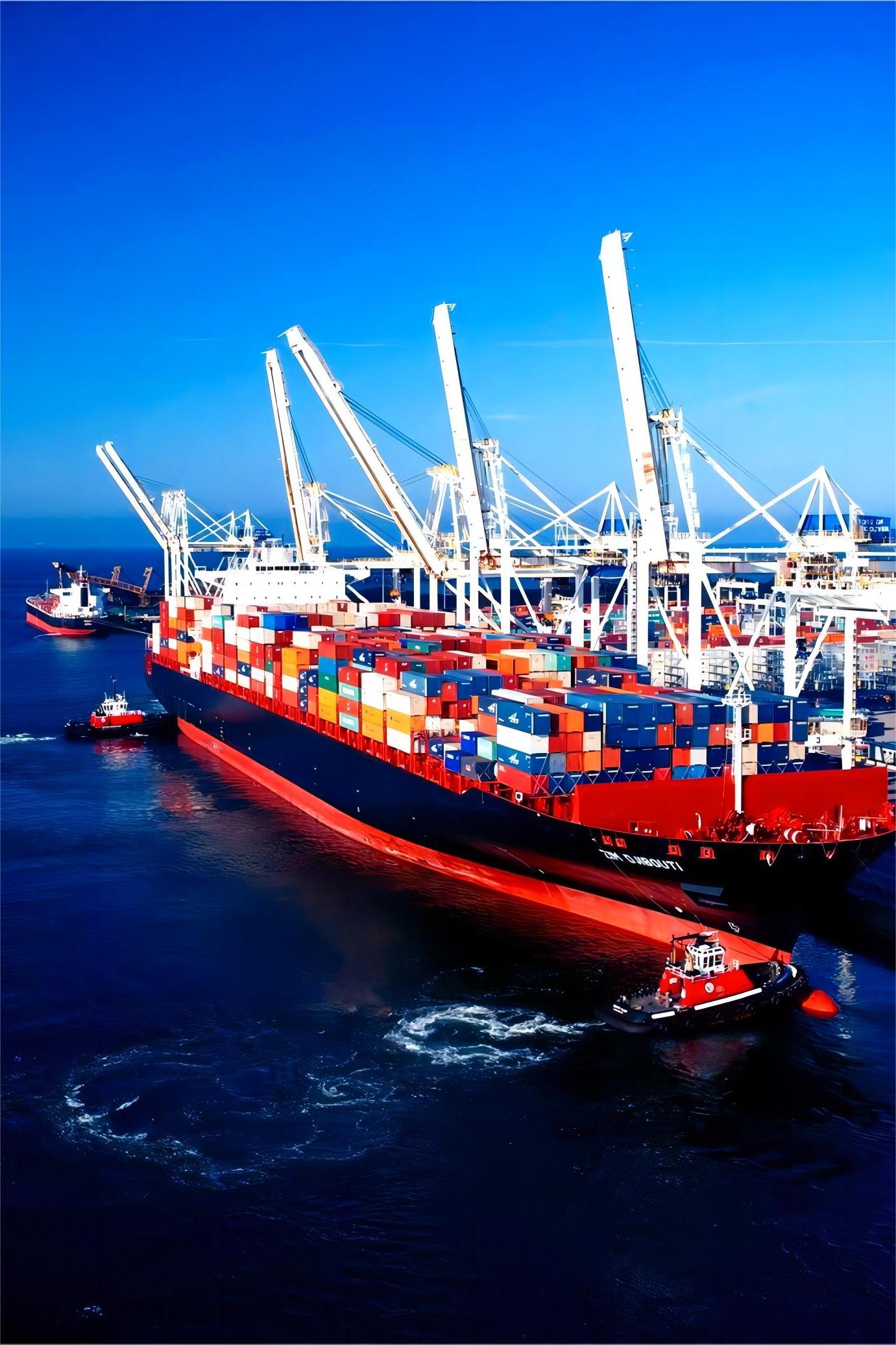
The transit time for bulk shipping China to Canada varies significantly based on the chosen port of entry. West Coast ports like Vancouver and Prince Rupert offer the fastest routes from major Chinese hubs like Ningbo or Shenzhen. Typically, a direct vessel can reach Vancouver in approximately 14 to 18 days.
Shipments destined for Eastern Canada, including Toronto and Montreal, usually take longer. These containers often travel via the Panama Canal or are transported by rail from the West Coast. Consequently, you should expect a total transit time of 30 to 35 days for these regions. Planning for these durations is vital to avoiding stockouts during peak seasons.
Market data suggests that August through October remains the busiest period for trans-Pacific shipping. During these months, freight rates typically increase by 15-25% due to high demand for holiday inventory. Therefore, booking your shipments at least 4-6 weeks in advance is highly recommended to secure space and better rates.
| Origin Port | Destination Port | Transit (Days) | Route Type |
|---|---|---|---|
| Shanghai | Vancouver | 16 – 18 | Direct |
| Shenzhen | Prince Rupert | 15 – 17 | Direct |
| Ningbo | Toronto | 30 – 35 | Rail Link |
| Qingdao | Montreal | 32 – 38 | All-Water |
Navigating Customs and Documentation for Canadian Imports
Compliance with the Canada Border Services Agency (CBSA) is non-negotiable for successful bulk shipping. Incomplete or inaccurate paperwork can lead to costly delays, storage fees, and even cargo seizures. Working with a professional customs brokerage ensures that all duties and taxes are calculated correctly.
The most critical documents include the Commercial Invoice, Packing List, and the Bill of Lading. Additionally, you must provide a Canada Customs Invoice (CCI) for shipments valued over $2,500 CAD. Furthermore, certain commodities may require specialized permits or certificates of origin to qualify for preferential tariff treatments.
In 2026, the CBSA Assessment and Revenue Management (CARM) system has become the standard for all commercial importers. This digital initiative streamlines the collection of duties and taxes but requires importers to be properly registered. Consequently, ensuring your business account is set up before your cargo arrives is essential for a smooth clearance process.
What Factors Influence Bulk Shipping Rates in 2026?
Several variables contribute to the total cost of bulk shipping China to Canada. Fuel surcharges, also known as Bunker Adjustment Factors (BAF), remain a primary driver of price fluctuations. Additionally, port congestion and labor availability at major terminals can impact both costs and delivery schedules.
Currency exchange rates between the USD, CNY, and CAD also play a significant role in the final landed cost. Since most international freight is quoted in US Dollars, Canadian importers must monitor exchange trends closely. On the other hand, seasonal demand spikes during the Golden Week in China can cause temporary price surges.
To minimize expenses, consider optimizing your packaging to maximize container utilization. For example, using slip sheets instead of pallets can increase the available volume in a 40HQ container by up to 10%. Without a doubt, small adjustments in cargo handling can lead to substantial savings over multiple shipments.
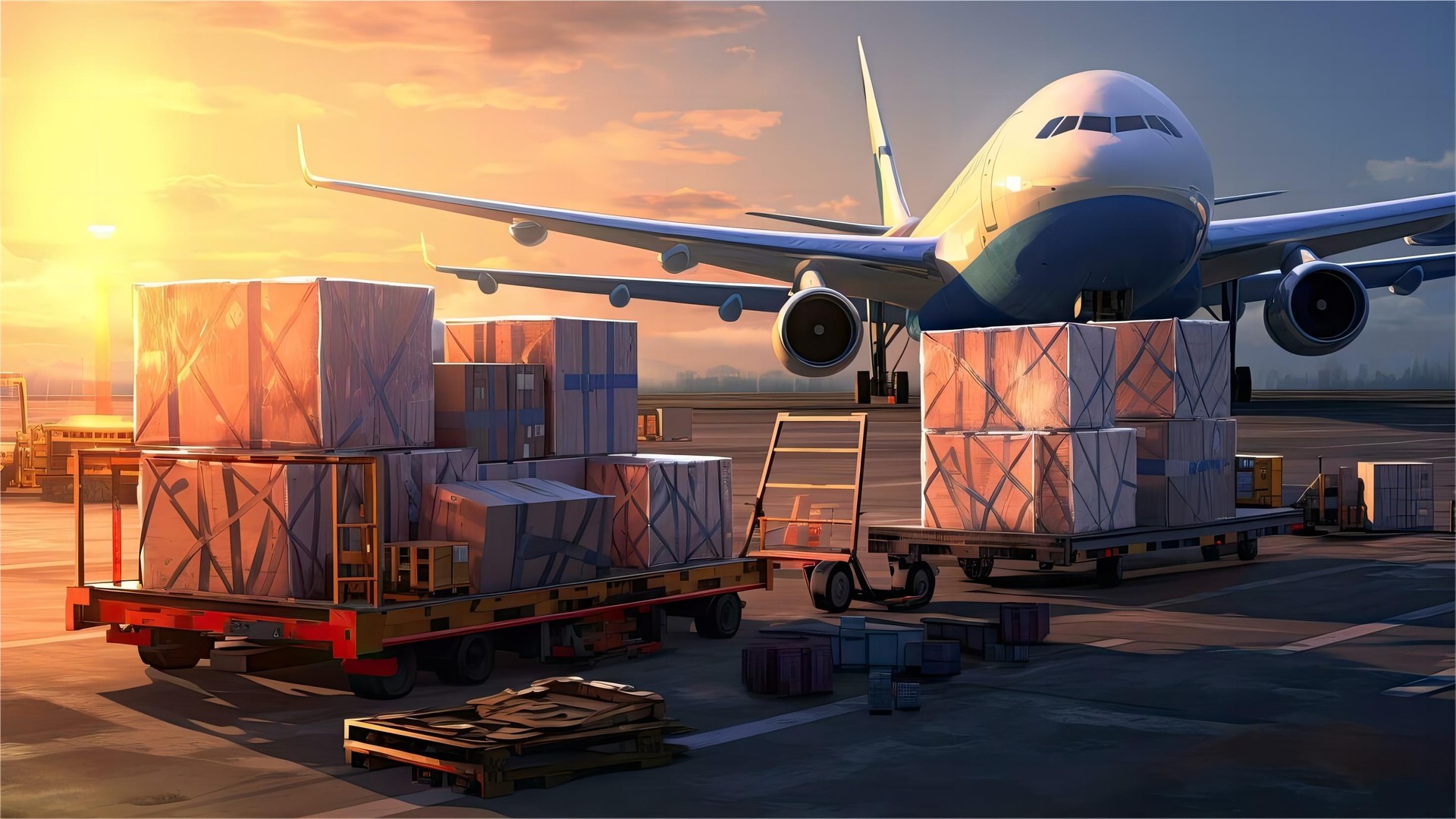
Real-World Case Studies for Bulk Shipping to Canada
Analyzing actual shipping scenarios provides valuable insights into the practical challenges and costs of international logistics. These cases reflect typical market conditions and pricing as of early 2026. They illustrate how different methods suit various business needs and cargo types.
Case Study 1: Electronics from Shenzhen to Vancouver. A Canadian retailer imported 2,500 units of consumer electronics using a 40HQ container. By choosing a direct route to the West Coast, they minimized transit time and reduced the risk of damage during handling. The total landed cost was optimized through efficient container loading.
Case Study 2: Furniture from Ningbo to Toronto. A wholesale distributor used LCL shipping for a 12 CBM order of office chairs. Although the transit time was longer due to the rail transfer from Vancouver to Toronto, the LCL method saved them over $1,200 compared to booking a half-empty 20GP container.
Case Study 1: Electronics FCL Shipment
Route: Shenzhen, China to Vancouver, Canada. Cargo: Consumer Electronics, 65 CBM, 14,000 kg. Container: 40HQ. Carrier: Major trans-Pacific carrier. Port of Loading: Shenzhen. Port of Discharge: Vancouver. Route Type: Direct.
Cost Breakdown: Ocean Freight: $3,200. Origin Charges: $450. Destination Charges: $600. Customs and Duties: $1,800. Total Landed Cost: $6,050. Timeline: Booking to Loading: 4 days. Sea Transit: 17 days. Customs Clearance: 2 days. Total Door-to-Door: 23 days.
Key Insight: Direct routing to the West Coast significantly reduced the risk of electronic component degradation and met the tight launch window for the client.
Case Study 2: Furniture LCL Shipment
Route: Ningbo, China to Toronto, Canada. Cargo: Office Furniture, 12 CBM, 3,500 kg. Container: LCL. Carrier: Consolidation service. Port of Loading: Ningbo. Port of Discharge: Vancouver (Transit to Toronto). Route Type: Transshipment via Rail.
Cost Breakdown: Ocean Freight: $1,020 ($85/CBM). Origin Charges: $250. Destination Charges: $550. Customs and Duties: $900. Total Landed Cost: $2,720. Timeline: Booking to Loading: 6 days. Sea Transit: 19 days. Rail Transit: 7 days. Customs: 3 days. Total: 35 days.
Key Insight: Utilizing LCL allowed the distributor to maintain stock levels without the high cost of an underutilized full container.
Which Shipping Option Should You Choose?
Determining the best strategy for bulk shipping China to Canada requires a balance of budget, speed, and cargo volume. If your primary goal is cost reduction and you have a flexible schedule, sea freight is the clear winner. However, if you are shipping perishable or high-value items, the speed of air freight may be necessary.
For shipments between 10 and 15 CBM, we recommend performing a side-by-side cost analysis of LCL versus a 20GP container. Often, the security and speed of having your own container (FCL) outweigh the small price difference of LCL. Additionally, consider door-to-door shipping to simplify the entire process.
Note: Freight rates are subject to change based on fuel costs, carrier capacity, and seasonal demand. Contact us for a current quote tailored to your specific shipment. Market data suggests that rates for 2026 will remain stable but proactive booking is always the safest strategy.
Final Thoughts on Bulk Shipping China to Canada
Successfully managing bulk shipping China to Canada in 2026 requires a combination of strategic planning, regulatory knowledge, and reliable partnerships. By understanding the differences between FCL and LCL, and monitoring market trends, businesses can significantly reduce their logistics overhead.
Whether you are moving industrial equipment or consumer goods, the choice of port and transport mode will define your delivery success. Remember to account for customs requirements and seasonal fluctuations to ensure a seamless import experience. With the right approach, your bulk shipping operations can become a powerful driver of business growth.
Ready to streamline your bulk shipping China to Canada? Contact the experts at Top China Freight today for a customized quote and professional logistics support. Let us handle the complexities of your 2026 supply chain while you focus on growing your business. Send Inquiry to get started with our premium freight services.
Request Quote