Import Shipping from China to Netherlands: 2026 Guide to Rates and Transit
Navigating the complexities of international logistics requires a clear understanding of the current market landscape. If you plan to import shipping from china to Netherlands, choosing the right partner like Top China Freight is essential for success. This guide provides updated 2026 insights into costs, transit times, and the most efficient shipping methods available for the China-Europe corridor. Consequently, businesses can optimize their supply chains and reduce unnecessary overhead through informed decision-making.
What Are the Best Methods to Import Shipping from China to Netherlands?
Selecting the appropriate transport mode depends heavily on your budget, cargo volume, and required delivery speed. Most importers utilize sea freight for large volumes due to its cost-effectiveness over long distances. However, air freight remains the go-to solution for high-value or time-sensitive goods that must reach Amsterdam quickly. Meanwhile, rail freight has emerged as a middle-ground alternative offering faster transit than sea and lower costs than air.
Specifically, express services provide the fastest possible door-to-door delivery for small parcels and samples. These services utilize global courier networks to bypass traditional port-to-port delays. Consequently, they are ideal for e-commerce sellers and businesses needing urgent replacements. Therefore, evaluating each method against your specific business needs is the first step toward a successful import strategy.
How Does Sea Freight Compare to Other Shipping Options?
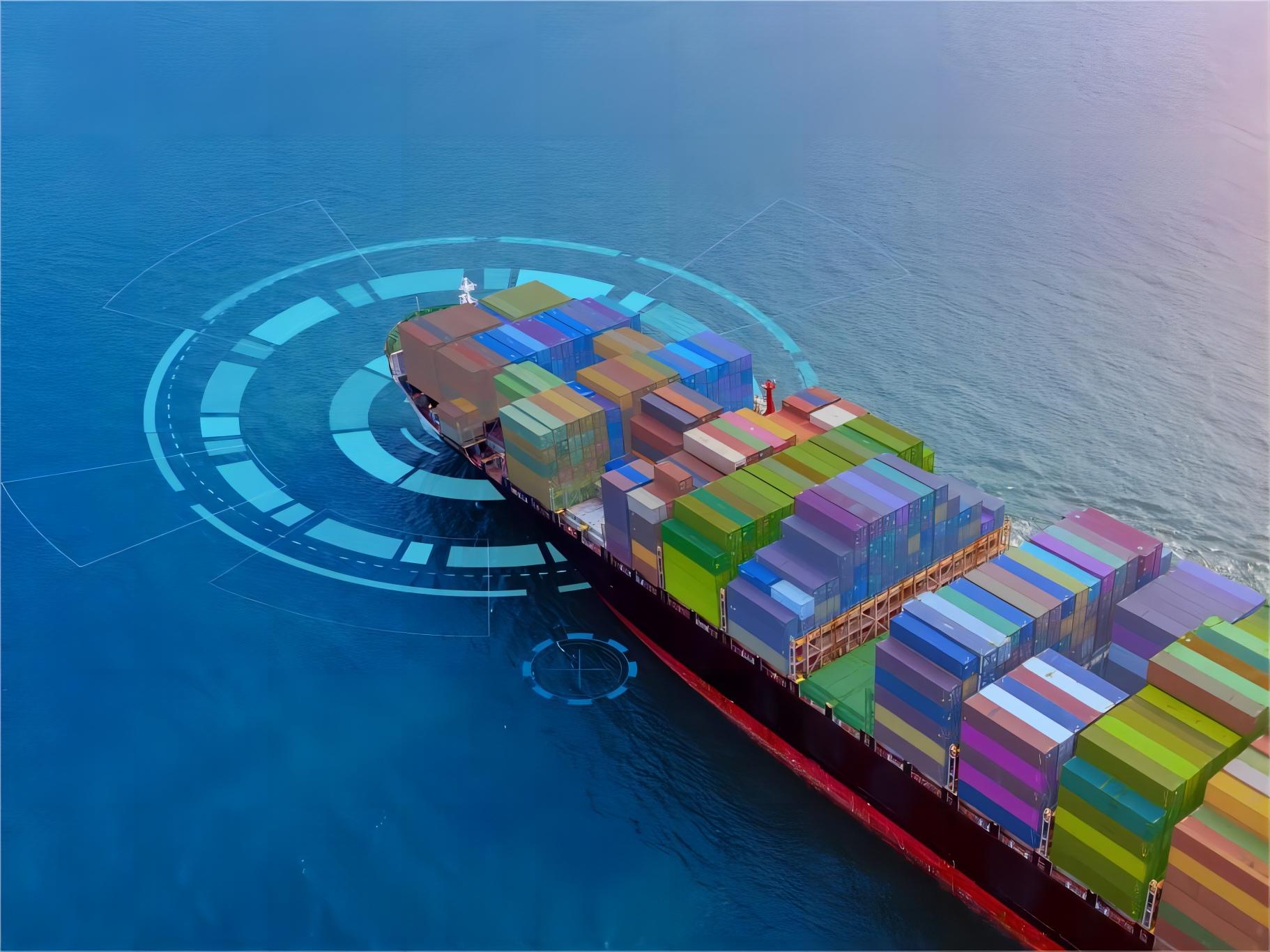
Sea freight remains the backbone of global trade, especially for the massive volume of goods moving from Chinese manufacturing hubs to the Port of Rotterdam. In contrast to air transport, ocean vessels can carry thousands of containers, which drastically reduces the cost per unit. Moreover, the environmental impact of sea freight is significantly lower than air cargo, making it a preferred choice for sustainable supply chains.
Nevertheless, the long transit times associated with ocean shipping require careful inventory planning. For instance, a shipment from Shanghai to Rotterdam typically takes over 30 days. As a result, businesses must account for this lead time to avoid stockouts. Additionally, seasonal fluctuations in the 2026 market can impact both space availability and freight rates.
| Shipping Method | Cost Range (2026) | Transit Time | Best For | Limitations |
|---|---|---|---|---|
| Sea Freight (FCL) | $3,200 – $4,500 per 40HQ | 30 – 38 Days | Bulk goods & large volume | Slowest transit time |
| Rail Freight | $1.50 – $2.50 per kg | 18 – 22 Days | Medium-sized shipments | Limited to rail hubs |
| Air Freight | $4.50 – $7.50 per kg | 5 – 8 Days | High-value & urgent | Very expensive |
| Express Shipping | $8.00 – $12.00 per kg | 3 – 5 Days | Small parcels/Samples | Weight restrictions |
Which Option Should You Choose?
Determining the best logistics path involves weighing the trade-offs between speed and expense. If your priority is budget and you are moving more than 15 CBM of cargo, sea freight is undoubtedly the most economical choice. Conversely, if you need goods within a week to meet a product launch, air freight is the only viable solution despite the higher cost. Furthermore, rail freight serves as an excellent hybrid option for those who want to save time without the extreme expense of air travel.
Cargo type also plays a significant role in your final decision. For example, hazardous materials or heavy machinery might be restricted to specific sea routes. Similarly, perishable goods require the speed of air freight or specialized refrigerated containers. Therefore, we recommend analyzing your total landed cost before committing to a specific shipping method.
Understanding Transit Times for Netherlands Imports
Transit times from China to the Netherlands are influenced by the port of origin and the chosen shipping route. Direct sea routes from Shenzhen or Ningbo to Rotterdam are generally faster than transshipment routes via Singapore. Indeed, most direct vessels complete the journey in approximately 32 to 35 days under normal conditions. However, port congestion or weather events can occasionally extend these timelines by several days.
Regarding sea freight, the ‘door-to-door’ timeline includes more than just the time spent on the water. You must also factor in 3-5 days for origin handling and 2-4 days for customs clearance and final delivery in the Netherlands. Consequently, a realistic expectation for a full ocean shipment is roughly 40 to 45 days from your supplier’s warehouse to your door.
| Origin Port (China) | Destination Port | Sea Transit (Days) | Rail Transit (Days) |
|---|---|---|---|
| Shanghai | Rotterdam | 32 – 35 | 18 – 20 |
| Shenzhen | Rotterdam | 28 – 32 | 20 – 22 |
| Ningbo | Rotterdam | 30 – 34 | 19 – 21 |
| Qingdao | Rotterdam | 35 – 38 | 17 – 19 |
Breaking Down the Costs of Shipping from China to the Netherlands
Shipping costs in 2026 are influenced by fuel surcharges, container availability, and seasonal demand peaks. For instance, rates typically spike during the pre-Chinese New Year rush and the Q4 holiday shopping season. During these periods, you might see a 20% increase in standard freight rates. Therefore, booking your shipments at least 3-4 weeks in advance is highly recommended to secure better pricing.
When calculating your budget for air freight, remember that carriers charge based on ‘chargeable weight.’ This is either the actual weight or the volumetric weight, whichever is greater. Consequently, bulky but light items can be surprisingly expensive to ship by air. As a result, many importers optimize their packaging to reduce volume and save on total transportation costs.
Essential Documentation for Dutch Customs Clearance
Navigating the legal requirements of the European Union is a critical component of the import process. Specifically, the Netherlands requires a Commercial Invoice, a Packing List, and a Bill of Lading or Air Waybill for every shipment. Additionally, an EORI number is mandatory for any business importing goods into the EU. Without these documents, your cargo may face significant delays at the Port of Rotterdam or Schiphol Airport.
Moreover, certain products require specific certifications such as CE marking or phytosanitary certificates. Utilizing a professional customs brokerage service ensures that all paperwork is filed correctly and duties are calculated accurately. Consequently, this prevents costly fines and ensures your supply chain remains compliant with Dutch regulations. Note: Freight rates and customs duties are subject to change based on current trade policies and seasonal demand.
Door-to-Door Solutions for Simplified Importing
Many modern businesses prefer a ‘hands-off’ approach to logistics through door to door shipping services. This model covers the entire journey from the manufacturer’s floor in China to the final warehouse in the Netherlands. Furthermore, it often includes customs clearance and local trucking, which simplifies the process for the importer. Indeed, this is the most efficient way to manage international trade for small and medium enterprises.
Specifically, DDP (Delivered Duty Paid) shipping is popular among e-commerce sellers because the forwarder handles all taxes and duties upfront. Consequently, you do not have to worry about unexpected bills when the goods arrive. However, always verify that your forwarder has a strong network in both China and the Netherlands to ensure a seamless transition between transport modes.
Case Studies: Real-World Netherlands Import Scenarios
Case Study 1: Large Volume Industrial Equipment. Route: Shanghai to Rotterdam. Cargo: Machinery parts, 28 CBM. Container: 40GP. Shipping Method: Sea Freight. Ocean Freight: $3,650. Origin/Destination Charges: $850. Customs & Duties: $1,200. Total Landed Cost: $5,700. Timeline: 36 days door-to-door. Key Insight: Using FCL instead of LCL saved the client 15% in handling fees. Based on early 2026 market rates.
Case Study 2: Urgent Fashion Inventory. Route: Guangzhou to Amsterdam. Cargo: Apparel, 450 kg. Shipping Method: Air Freight. Air Freight Cost: $2,925. Timeline: 6 days. Key Insight: Air freight allowed the retailer to restock a trending item in time for a major sale, offsetting the higher shipping cost through increased revenue. Typical rates as of Q2 2026.
Case Study 3: Electronics via Rail. Route: Chengdu to Tilburg. Cargo: Consumer electronics, 12 CBM. Shipping Method: Rail Freight (LCL). Total Cost: $2,400. Timeline: 21 days. Key Insight: Rail provided a 40% time saving compared to sea freight while remaining 60% cheaper than air cargo. Market data suggests rail is increasingly stable in 2026.
Final Thoughts on Importing to the Netherlands
Successful import shipping from china to Netherlands requires a strategic balance of cost, speed, and reliability. By understanding the differences between sea, air, and rail freight, you can choose the method that best aligns with your business goals. Moreover, staying updated on 2026 market trends and documentation requirements will help you avoid common pitfalls in international trade.
Ultimately, partnering with an experienced freight forwarder ensures that your cargo is handled with care and delivered on schedule. Whether you are shipping full containers or small parcels, the right logistics strategy is the key to a thriving import business in the Dutch market.
Get Your Shipping Quote Today
Are you ready to optimize your supply chain and reduce costs? Contact us today to receive a personalized quote for your next import shipping from china to Netherlands project. Visit our inquiry page to get started: Send Inquiry