Import shipping from China to UAE: The Complete 2026 Logistics Guide
Navigating the complexities of international trade requires a reliable partner to manage your supply chain effectively in today’s fast-paced market. When you choose to import shipping from China to UAE, you access one of the world’s most robust and efficient trade corridors. This guide explores the latest 2026 logistics trends, cost-saving strategies, and regulatory requirements to ensure your goods arrive safely and on time. Whether you are a small business owner or a large enterprise, understanding the nuances of Middle Eastern logistics is crucial for maintaining a competitive edge.

Understanding the Logistics Landscape in 2026
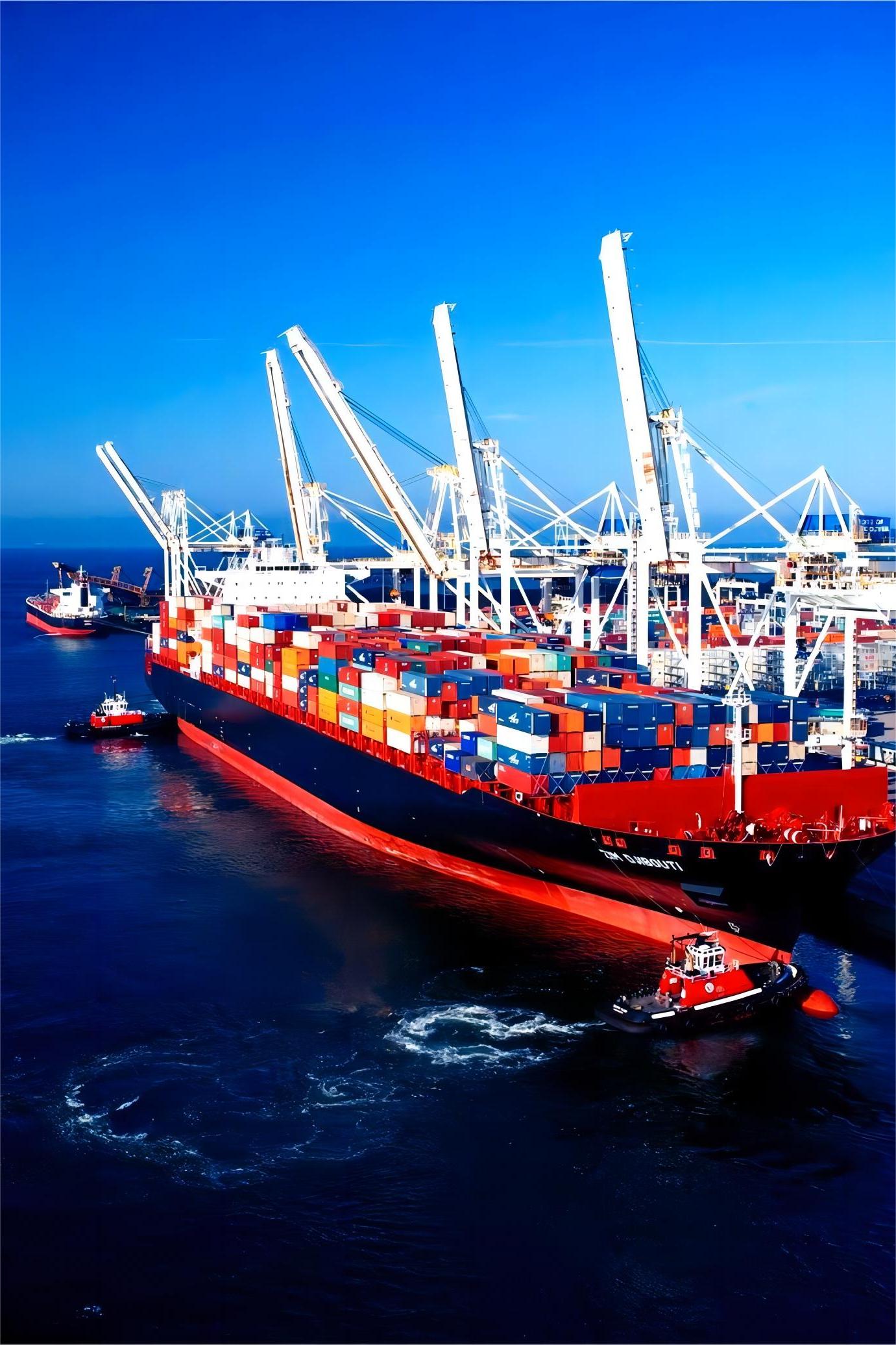
Global trade routes have seen significant evolution as we move into 2026, with the China-UAE corridor remaining a focal point for economic growth. Furthermore, the integration of smart port technologies in Jebel Ali and Khalifa Port has drastically reduced unloading times for major carriers. Consequently, importers now benefit from higher predictability in their delivery schedules compared to previous years.
Moreover, the bilateral trade agreements between these two nations have streamlined many of the traditional hurdles found in international shipping. Additionally, the rise of sustainable logistics practices means more carriers are adopting eco-friendly fuels, which can impact freight rates but improves corporate social responsibility scores. Therefore, staying informed about these shifts is essential for any business looking to scale its operations.
Market data suggests that the volume of electronics and renewable energy components has surged in the first quarter of 2026. Indeed, this trend reflects the UAE’s ongoing commitment to diversifying its economy and investing in green infrastructure. Meanwhile, logistics providers are expanding their warehouse capacities in free zones like JAFZA to accommodate this growing demand.
How Does Sea Freight Compare to Other Shipping Options?
Choosing the right transport mode is the most critical decision you will make when you plan to sea freight your goods. While maritime transport remains the most cost-effective solution for bulk shipments, it requires careful planning due to longer transit times. However, for large volumes, the cost per unit is significantly lower than any other method.
In contrast, air freight offers unmatched speed but comes at a premium price point that can eat into profit margins for low-value goods. Additionally, the choice between Full Container Load (FCL) and Less than Container Load (LCL) depends heavily on your specific volume and budget. For instance, shipments exceeding 15 cubic meters usually benefit from the security and fixed costs of FCL.
Without a doubt, sea freight is the backbone of the China-UAE trade route, handling over 80 percent of total cargo volume. Nevertheless, businesses must account for potential seasonal delays during the peak months of August through October. Below is a detailed comparison of the primary shipping methods available in 2026.
| Shipping Method | Cost Range (USD) | Transit Time | Best For |
|---|---|---|---|
| Sea Freight (FCL) | $1,800 – $3,200 | 22 – 30 Days | Large inventory and bulk goods |
| Sea Freight (LCL) | $60 – $120 per CBM | 25 – 35 Days | Small shipments under 15 CBM |
| Air Freight | $3.50 – $6.50 per kg | 3 – 7 Days | High-value or urgent cargo |
| Express Service | $7.00 – $12.00 per kg | 2 – 4 Days | Samples and critical documents |
Air Freight vs. Express: Which Speed Suits Your Business?
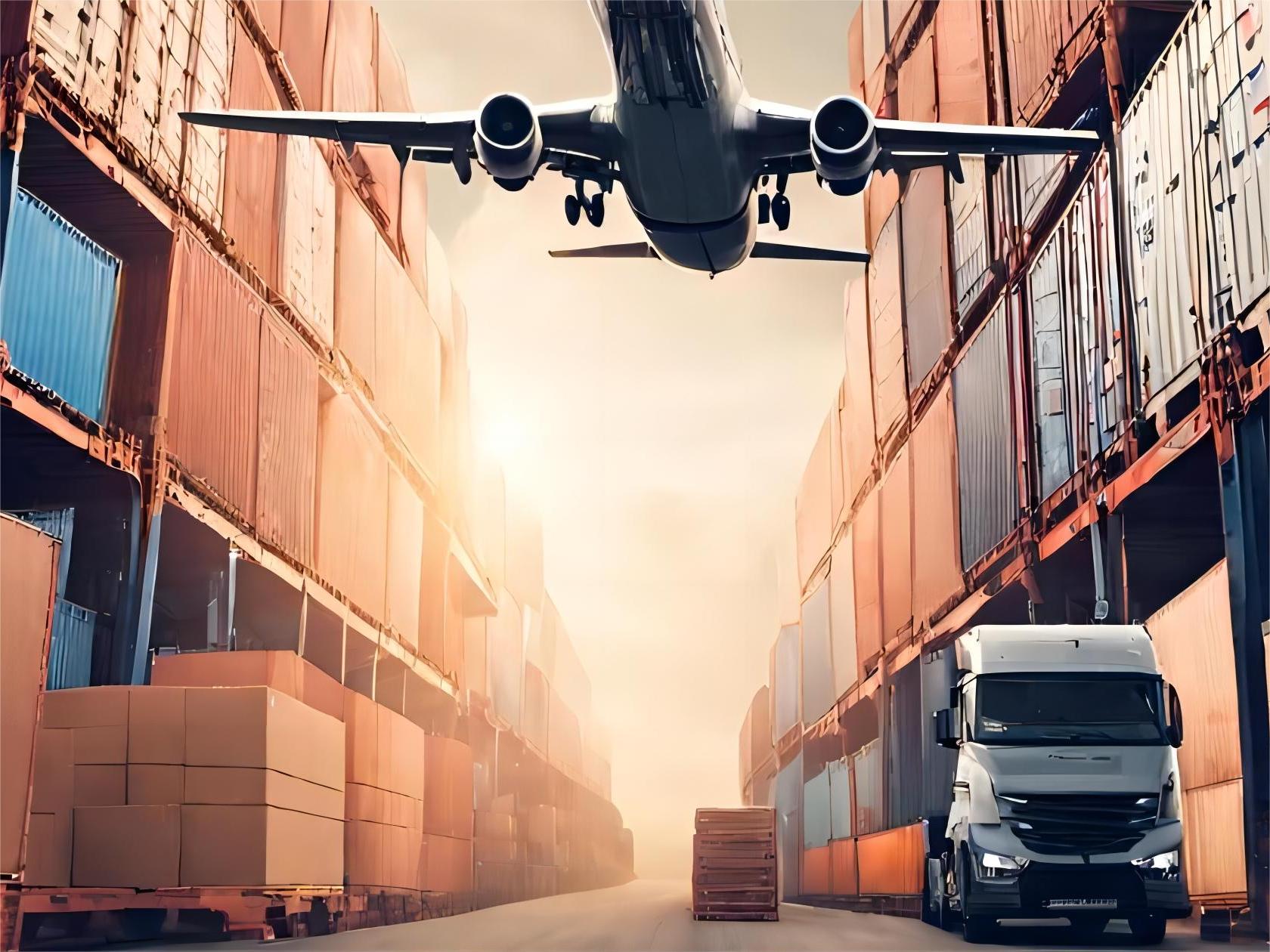
Urgent shipments require the efficiency of air freight to meet tight market deadlines. Furthermore, this method is ideal for perishable items or high-fashion products that lose value quickly over time. Consequently, many tech companies prefer air transport to ensure their latest gadgets reach Dubai showrooms simultaneously with global launches.
On the other hand, express service provides a specialized courier solution that includes end-to-end handling. This option is particularly useful for e-commerce sellers who need to move small parcels directly to customers. Additionally, express carriers often handle the customs process more quickly than traditional freight forwarders.
Moreover, while the costs are higher, the reduction in inventory holding costs can sometimes justify the expense. Therefore, you should analyze your total landed cost rather than just the shipping rate when making this choice. Indeed, the speed of air transport can provide a significant competitive advantage in the volatile UAE retail market.
Door to Door Services: Simplifying the Supply Chain
Many modern importers prefer the convenience of door to door logistics to minimize their operational workload. This service covers everything from the factory pickup in China to the final delivery at your warehouse in the UAE. Consequently, you do not have to worry about coordinating with multiple truckers or warehouse operators.
Furthermore, door-to-door solutions often include all-in pricing, which helps in accurate budgeting and financial planning. Additionally, these services are highly scalable, allowing you to increase or decrease your shipping volume as your business grows. Meanwhile, the use of advanced tracking platforms ensures you always know exactly where your cargo is located.
In addition, this method reduces the risk of damage since the goods are handled by a single logistics provider throughout the journey. However, it is vital to verify that your provider has a strong local presence in both China and the UAE. As a result, you can avoid common communication gaps that often lead to delivery delays.
Navigating UAE Customs and Documentation
Successful clearance depends on the expertise of a professional customs brokerage to avoid costly fines or seizures. The UAE has specific regulations regarding product labeling and certification that must be followed strictly. For example, all imported goods must be accompanied by a commercial invoice and a certificate of origin.
Moreover, understanding the difference between free zone imports and mainland imports is essential for tax optimization. Additionally, certain items like chemicals or telecommunications equipment may require special permits from UAE ministries. Consequently, preparing your paperwork at least two weeks before the ship arrives is a recommended best practice.
Furthermore, the UAE customs authorities have implemented digital systems like Dubai Trade to expedite the process. Nevertheless, any discrepancy in the packing list can lead to physical inspections and delays. Therefore, double-checking every detail of your documentation is the most effective way to ensure a smooth transition through the port.
| Document Type | Purpose | Required By | Timing |
|---|---|---|---|
| Commercial Invoice | Valuation of goods | Customs / Bank | At time of booking |
| Packing List | Cargo verification | Warehouse / Customs | At time of loading |
| Certificate of Origin | Duty assessment | UAE Customs | Before arrival |
| Bill of Lading | Title of goods | Carrier / Importer | Issued after sailing |

Shipping Costs and Transit Times: 2026 Market Data
As of early 2026, freight rates have stabilized following the disruptions seen in previous years. However, fuel surcharges remain a variable factor that can influence your final quote. Consequently, it is wise to request updated pricing every 30 days to stay aligned with current market conditions.
Transit times have also improved due to the deployment of faster vessels and optimized port handling procedures. For instance, direct routes from Shenzhen to Jebel Ali now take approximately 22 days on average. Additionally, choosing transshipment options through Singapore might save you 10 percent on costs but adds 5 to 7 days to the timeline.
Moreover, the peak season in 2026 is expected to start earlier in July due to increased demand for end-of-year retail inventory. Therefore, booking your space at least three weeks in advance is critical during these high-demand periods. Indeed, the cost of waiting for a later vessel often exceeds the cost of a slightly higher freight rate.
Real-World Shipping Success: Case Studies
Analyzing real-world scenarios provides valuable insights into the practical challenges of international logistics. These cases reflect typical shipments handled during the Q1 2026 period and demonstrate how different strategies impact the final outcome.
———————————————————-
Case Study 1: Electronics Shipment
Route: Shenzhen, China to Jebel Ali, UAE
Cargo: Consumer Electronics, 68 CBM, 12,500 kg
Container: 40HQ Full Container
Shipping Details:
– Carrier: Major Ocean Carrier
– Port of Loading: Shenzhen (Yantian)
– Port of Discharge: Jebel Ali
– Route Type: Direct
Cost Breakdown:
– Ocean Freight: $2,850
– Origin Charges: $450
– Destination Charges: $600
– Customs and Duties: $1,400
– Total Landed Cost: $5,300
Timeline:
– Booking to Loading: 4 days
– Sea Transit: 22 days
– Customs Clearance: 2 days
– Total Door-to-Door: 28 days
Key Insight: Using a direct route saved the client 6 days in transit time compared to transshipment.
———————————————————-
Case Study 2: Furniture Import
Route: Ningbo, China to Khalifa Port, UAE
Cargo: Home Furniture, 8 CBM, 2,200 kg
Container: LCL (Less than Container Load)
Shipping Details:
– Carrier: LCL Consolidator
– Port of Loading: Ningbo
– Port of Discharge: Khalifa Port
– Route Type: Transshipment via Colombo
Cost Breakdown:
– Ocean Freight: $720 ($90/CBM)
– Origin Charges: $200
– Destination Charges: $350
– Customs and Duties: $800
– Total Landed Cost: $2,070
Timeline:
– Booking to Loading: 5 days
– Sea Transit: 31 days
– Customs Clearance: 3 days
– Total Door-to-Door: 39 days
Key Insight: LCL was the most economical choice for this volume, despite the longer transit time.
———————————————————-
Note: Freight rates are subject to change based on fuel costs, carrier capacity, and seasonal demand. Contact us for a current quote tailored to your specific shipment.
Decision Framework: Which Option Should You Choose?
Determining the best way to Amazon FBA or general import requires a balance of three factors: cost, speed, and reliability. If your primary goal is cost reduction, sea freight LCL or FCL is the obvious choice. However, if you are launching a new product and need immediate market presence, air freight is the better alternative.
Furthermore, consider the nature of your cargo before making a final decision. For example, heavy machinery is almost always shipped via sea due to weight restrictions on aircraft. Conversely, high-value jewelry or sensitive electronics benefit from the increased security and reduced handling of air express services.
Additionally, you should evaluate the total lead time, including manufacturing and domestic transport within China. Often, a delay in the factory can be mitigated by switching from sea to air for a portion of the shipment. Consequently, having a flexible logistics strategy allows you to adapt to unforeseen changes in your supply chain.
Mastering Your Import Strategy
Successfully managing the process to import shipping from China to UAE requires a blend of market knowledge and reliable partnerships. By understanding the differences between sea and air freight, you can optimize your costs while meeting your delivery deadlines. Furthermore, staying updated on 2026 customs regulations ensures that your shipments pass through UAE ports without unnecessary delays.
As the global trade environment continues to evolve, businesses that prioritize logistics efficiency will find the greatest success. Whether you are shipping a single pallet or multiple containers, the strategies outlined in this guide provide a foundation for growth. Remember to monitor freight rates regularly and choose the shipping method that best aligns with your long-term business objectives.
Start Your Shipment
Ready to streamline your supply chain and import shipping from China to UAE with confidence? Contact our expert team today for a personalized quote and professional guidance on the best routes for your business. Visit our inquiry page to get started: Send Inquiry
Request Quote