

Door to Door Shipping China to UAE: 2026 Logistics Guide
Managing door to door shipping China to UAE requires a reliable partner to navigate complex international trade routes effectively. Businesses often face challenges with customs delays and fluctuating freight rates in the current 2026 market. Consequently, this guide provides a clear roadmap for importers looking to streamline their supply chain and ensure timely delivery to Dubai, Abu Dhabi, or Sharjah.
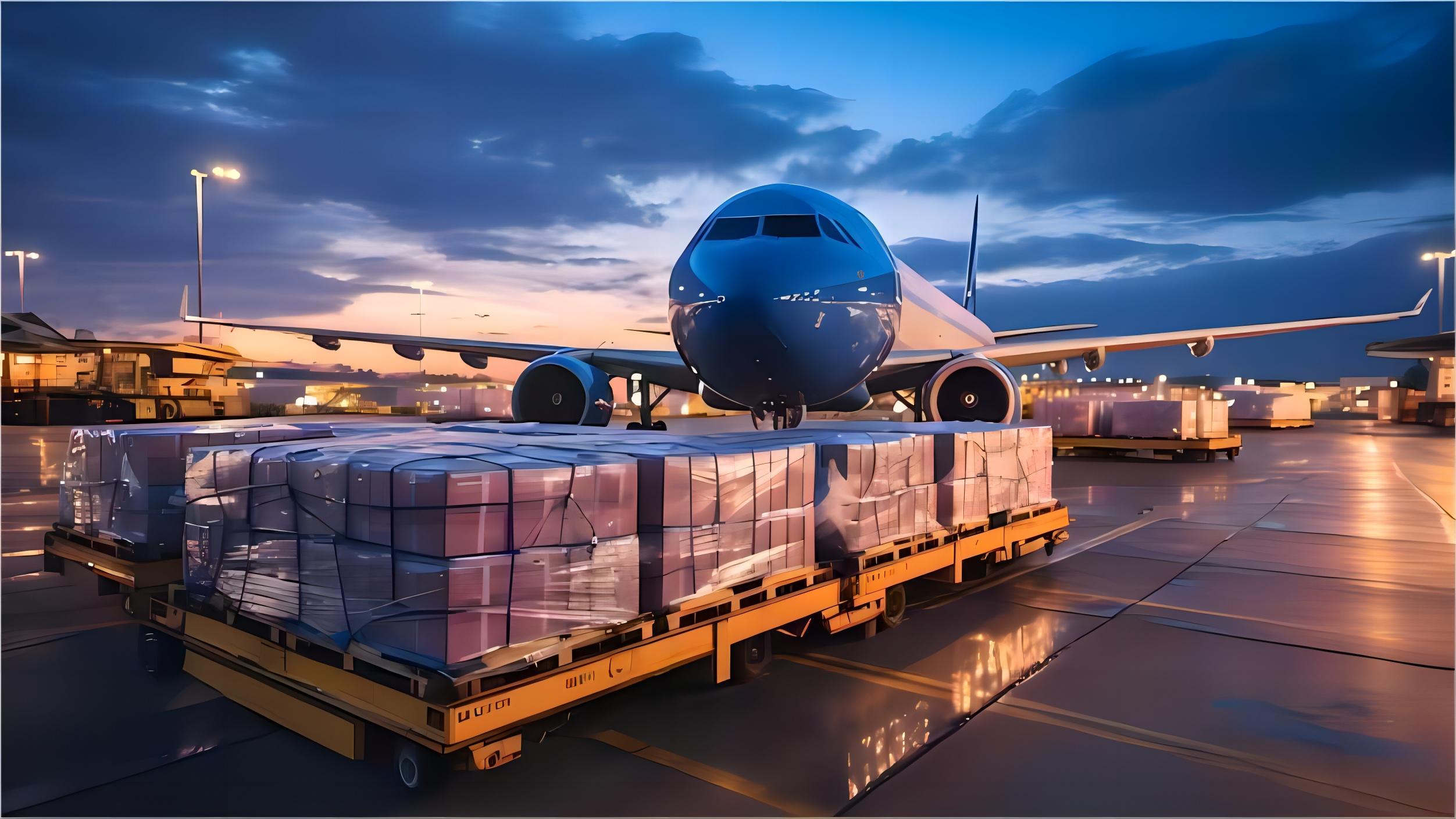
What is Door to Door Shipping China to UAE?
Door to door shipping represents a comprehensive logistics solution where the freight forwarder manages the entire journey from the supplier in China to the final destination in the UAE. This service eliminates the need for importers to coordinate multiple carriers or handle complex port procedures independently.

Furthermore, the service includes pickup, international transit, customs brokerage, and local delivery. Most modern businesses prefer this method because it provides a single point of accountability for the entire shipment process.
Additionally, using a dedicated door to door service ensures that all documentation is handled by experts. This approach minimizes the risk of costly errors at both the Chinese export customs and UAE import inspections.
Meanwhile, the rise of e-commerce has made these streamlined solutions essential for maintaining competitive delivery schedules. Importers can focus on sales while logistics experts manage the physical movement of goods across borders.
How Does Sea Freight Compare to Other Shipping Options?
Evaluating different transport modes is crucial for optimizing your logistics budget and meeting customer expectations. While sea freight remains the most popular choice for bulk goods, other methods offer distinct advantages depending on the cargo type.
Typically, sea freight offers the lowest cost per unit for large volumes, especially when utilizing FCL or LCL options. However, the transit time is significantly longer compared to air-based solutions.
Market data from early 2026 suggests that sea freight rates have stabilized, making it an excellent choice for non-urgent inventory replenishment. For businesses shipping high-value electronics or seasonal fashion, air freight often justifies its higher price through speed.
| Shipping Method | Cost Range | Transit Time | Best For |
|---|---|---|---|
| Sea Freight (FCL) | $1,500 – $2,800 | 22 – 30 Days | Bulk cargo and heavy machinery |
| Sea Freight (LCL) | $80 – $150 per CBM | 25 – 35 Days | Small business inventory |
| Air Freight | $4.50 – $8.00 per kg | 3 – 7 Days | High-value or urgent goods |
| Express Courier | $7.00 – $12.00 per kg | 2 – 4 Days | Samples and small parcels |
Why Choose Air Freight for UAE Shipments?
Selecting air freight is often the best strategy when time is the primary constraint for your business operations. Indeed, the rapid transit times allow companies to respond quickly to market trends in the UAE.
Moreover, air transport provides a higher level of security for sensitive items compared to traditional ocean routes. This reduced handling time significantly lowers the risk of damage or theft during the journey.
Consequently, many tech companies and pharmaceutical suppliers prioritize air routes to maintain product integrity. Although the costs are higher, the reduction in inventory holding costs often offsets the initial freight expenditure.
Note: Freight rates are subject to change based on fuel costs, carrier capacity, and seasonal demand. Contact us for a current quote tailored to your specific shipment.
Understanding Customs Clearance and Documentation in 2026
Navigating the UAE customs environment requires precise documentation to avoid delays at major ports like Jebel Ali or Khalifa Port. For instance, a commercial invoice and a detailed packing list are mandatory for every shipment entering the country.
Therefore, working with an experienced customs agent is vital for ensuring compliance with the latest 2026 import regulations. They can help you identify the correct HS codes to determine applicable duties and taxes accurately.
Additionally, certain products such as food items or chemicals may require special permits from UAE ministries. Failure to provide these documents can lead to expensive storage fees or even shipment seizure at the border.
Indeed, professional logistics providers handle these complexities as part of their door to door service package. This comprehensive oversight ensures that your goods pass through customs smoothly and reach your warehouse without unnecessary interruptions.
| Document Name | Purpose | Issuer | Requirement |
|---|---|---|---|
| Commercial Invoice | Value declaration | Shipper | Mandatory |
| Packing List | Cargo details | Shipper | Mandatory |
| Certificate of Origin | Proof of manufacture | Chamber of Commerce | Mandatory |
| Bill of Lading | Title of goods | Carrier | Mandatory |
Specialized Solutions for Amazon FBA Sellers
Expanding your e-commerce business into the Middle East often involves utilizing Amazon FBA services for efficient fulfillment. Shipping directly from Chinese factories to Amazon warehouses in Dubai requires strict adherence to labeling and packaging standards.
Nevertheless, a specialized freight forwarder can manage these requirements, ensuring your products are ready for immediate sale upon arrival. They handle the palletization and appointments required by Amazon fulfillment centers.
As a result, sellers can maintain high inventory health scores and avoid the logistical headaches of local storage management. This streamlined approach is particularly beneficial during peak shopping seasons like Ramadan or White Friday.
Furthermore, door to door solutions for FBA usually include DDP (Delivered Duty Paid) options. This means all costs are covered upfront, allowing for a predictable pricing model for your online store.
Case Study 1: Electronics Shipment to Dubai
Route: Shenzhen, China to Dubai, UAE. Cargo: High-end smartphones, 4 CBM, 850 kg. Container: LCL. Shipping Details: Major carrier via air transit. Port of Loading: Shenzhen Baoan International. Port of Discharge: Dubai International Airport. Route Type: Direct.
Cost Breakdown: Air Freight: $4,250. Origin Charges: $250. Destination Charges: $320. Customs and Duties: $1,100. Total Landed Cost: $5,920.
Timeline: Booking to Loading: 2 days. Air Transit: 1 day. Customs Clearance: 1 day. Total Door-to-Door: 4 days. Key Insight: Utilizing direct air freight allowed the client to meet a product launch deadline with minimal delay. Based on Q1 2026 market rates.
Case Study 2: Furniture Import for Abu Dhabi Retailer
Route: Ningbo, China to Abu Dhabi, UAE. Cargo: Luxury home furniture, 68 CBM, 12,000 kg. Container: 40HQ. Shipping Details: COSCO. Port of Loading: Ningbo-Zhoushan. Port of Discharge: Khalifa Port. Route Type: Direct.
Cost Breakdown: Ocean Freight: $2,400. Origin Charges: $450. Destination Charges: $550. Customs and Duties: $3,200. Total Landed Cost: $6,600.
Timeline: Booking to Loading: 5 days. Sea Transit: 24 days. Customs Clearance: 3 days. Total Door-to-Door: 32 days. Key Insight: FCL shipping provided the most economical solution for high-volume, non-urgent goods. Typical rates as of early 2026.

Which Option Should You Choose for Your Business?
Budget priority: If your main goal is to minimize expenses, sea freight is the recommended option. For shipments under 15 CBM, LCL at $80-120 per CBM is often more economical than renting a full container.
Speed priority: When you need goods delivered within a week, air freight is the only viable choice. While it costs significantly more, the speed of delivery supports urgent market demands and prevents stockouts.
Cargo type considerations: Heavy machinery and industrial equipment should always travel via sea freight due to weight restrictions on aircraft. Conversely, fragile or high-value items benefit from the reduced handling of air transport.
Volume thresholds: Once your shipment exceeds 20 CBM, you should consider switching from LCL to a 20GP container. This shift usually results in lower per-unit costs and better cargo security.
Market Trends and Logistics Outlook for 2026
Industry average for this route indicates that digital tracking and AI-driven logistics planning are becoming standard requirements. Consequently, shippers now expect real-time visibility into their cargo’s location and estimated arrival times.
Meanwhile, sustainability is influencing carrier choices as more businesses seek carbon-neutral shipping options. Many shipping lines are introducing bio-fuel vessels on the China-Middle East route to meet these green initiatives.
Additionally, port infrastructure in the UAE continues to expand, with increased automation reducing turnaround times for mega-vessels. These improvements contribute to more reliable delivery schedules for international importers.
According to industry benchmarks, freight rates are expected to remain stable throughout the second half of 2026. However, businesses should still plan for a 15-20% increase in costs during the traditional peak season from August to October.
Final Thoughts on UAE Logistics
Successfully executing door to door shipping China to UAE requires a balance of cost, speed, and regulatory compliance. By understanding the differences between sea and air freight, businesses can make informed decisions that support their long-term growth.
Moreover, partnering with an experienced freight forwarder ensures that your cargo is handled professionally at every stage of the journey. This proactive approach minimizes risks and maximizes efficiency in the competitive 2026 trade landscape.
Therefore, prioritize transparency and reliability when choosing your logistics provider to ensure your goods arrive on time and within budget.

Need a tailored shipping solution?
Streamline your supply chain with our expert door to door shipping China to UAE services today. Contact Top China Freight to receive a customized quote and experience hassle-free logistics tailored to your business needs. Visit our website or send an inquiry to start your shipment now.