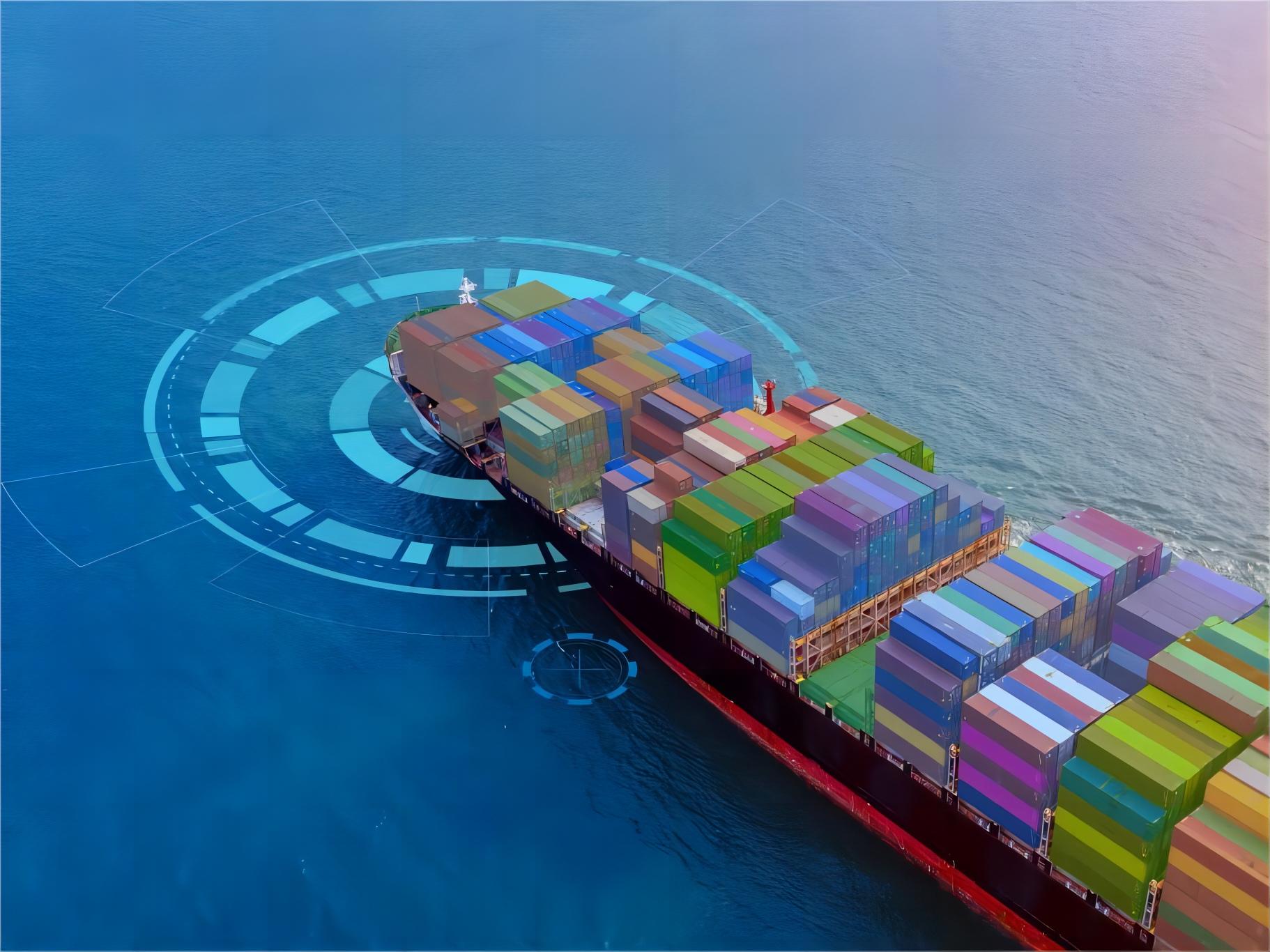
Express Shipping China to Australia: The 2026 Logistics Guide
Express shipping China to Australia remains the most efficient solution for businesses requiring rapid inventory turnover in the modern global market. If you are looking for a competitive edge, starting your journey with Top China Freight ensures that your logistics chain remains robust and reliable throughout 2026. This comprehensive guide explores how to navigate the complexities of international delivery to ensure your cargo arrives safely and on schedule.

What is Express Shipping China to Australia?
Express shipping represents the premium tier of logistics services designed for maximum speed and security. Consequently, businesses often choose this method when they need to transport high-value items or meet tight deadlines for product launches. Most providers utilize dedicated air networks to bypass the traditional delays associated with standard freight processing.
Furthermore, choosing a reliable express service allows importers to benefit from end-to-end tracking and simplified documentation. Instead of managing multiple carriers, you work with a single entity that handles the entire journey from the factory floor in China to the final destination in Australia. This level of integration significantly reduces the risk of communication errors or lost shipments during transit.
Additionally, the 2026 logistics landscape has seen a surge in demand for these rapid solutions due to the growth of e-commerce. Therefore, understanding the specific mechanics of express delivery is essential for any business importing goods into the Australian market. It provides the agility needed to respond to sudden shifts in consumer demand without maintaining excessive local inventory.
How Does Express Shipping Compare to Other Shipping Options?
Comparing different logistics methods is vital for balancing your budget against your delivery requirements. While express shipping is undoubtedly the fastest, it carries a higher price tag than traditional air freight or sea transport. However, the reduction in lead times can often justify the additional expense by improving cash flow and customer satisfaction.
Specifically, sea freight remains the most economical choice for massive volumes but takes several weeks to reach Australian ports. In contrast, express courier services can complete the same journey in a fraction of the time, often arriving within three to five business days. This speed allows companies to operate with leaner supply chains and lower warehousing costs in Australia.
Moreover, the choice between methods often depends on the specific weight and volume of the shipment. For small parcels under 100 kilograms, express shipping is frequently more cost-effective than standard air freight because it includes pickup and delivery fees. Conversely, once a shipment exceeds several hundred kilograms, the price gap between express and standard air freight begins to widen significantly.
| Shipping Method | Cost Range | Transit Time | Best For | Limitations |
|---|---|---|---|---|
| Air Express | $6.00-$12.00/kg | 3-5 Days | Urgent small parcels | Highest cost |
| Standard Air | $4.00-$8.00/kg | 6-10 Days | Medium shipments | Airport-to-airport |
| LCL Sea Freight | $80-$150/CBM | 18-25 Days | Bulky items | Slow transit |
| FCL Sea Freight | $1200-$2000/20GP | 12-18 Days | Large inventory | Requires full container |
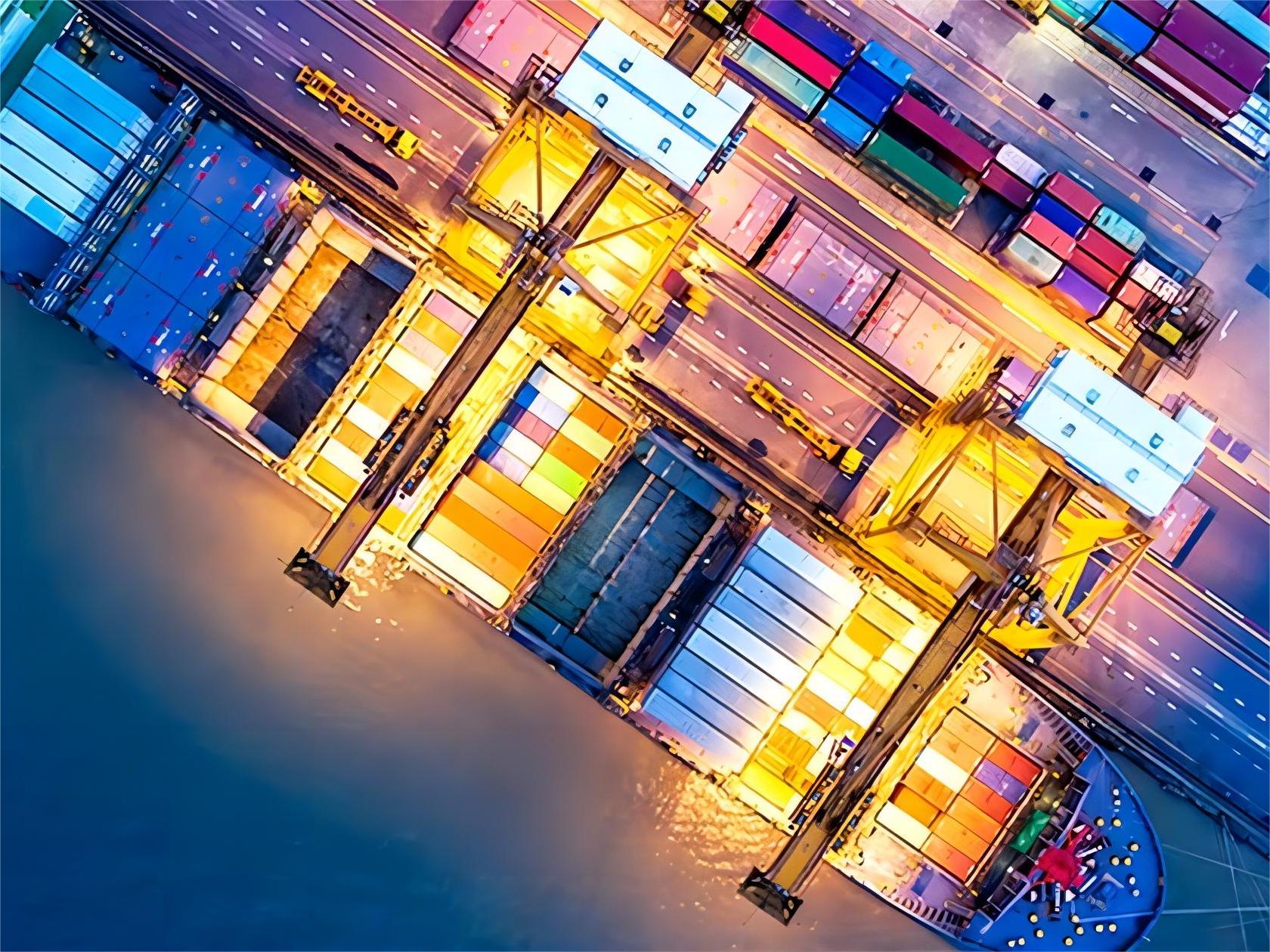
The Core Benefits of Using Express Delivery Services
One of the primary advantages of express shipping is the comprehensive nature of the service. Most express providers offer a door to door solution that handles everything from the initial pickup to the final delivery. Consequently, the importer does not need to worry about arranging local trucking or coordinating with port authorities.
Additionally, the security protocols associated with express networks are typically much higher than standard freight. Because the cargo stays within a closed network, the likelihood of theft or damage is greatly minimized. Therefore, this method is particularly suitable for electronics, luxury goods, and sensitive medical equipment that requires careful handling.
Furthermore, real-time tracking capabilities have become a standard expectation for express shipping in 2026. You can monitor your shipment’s progress at every milestone, providing peace of return and allowing for better planning. Indeed, having precise data on when your goods will arrive enables you to coordinate marketing campaigns and staff schedules more effectively.
Understanding Express Shipping Costs in 2026
Estimating the total cost of express shipping China to Australia requires an understanding of both base rates and surcharges. Fuel surcharges remain a significant variable in 2026, often fluctuating based on global energy market trends. Additionally, carriers may apply peak season surcharges during busy periods like the lead-up to the Lunar New Year or the Australian Christmas season.
Moreover, the concept of dimensional weight is crucial for accurately calculating your shipping budget. Carriers compare the actual weight of the package to its volume and charge based on whichever is greater. To illustrate, a large box of lightweight pillows might cost more to ship than a small, heavy box of metal components because it occupies more space on the aircraft.
Finally, it is essential to consider the impact of Australian taxes and duties on your total landed cost. While the shipping fee covers the transportation, you are still responsible for paying the Goods and Services Tax (GST) and any applicable import duties. Consequently, working with a provider that offers integrated customs brokerage can help you avoid unexpected financial surprises at the border.
| Route | 20GP Container | 40GP Container | 40HQ Container | Transit Time |
|---|---|---|---|---|
| China to Sydney | $850-$1,150 | $1,300-$1,700 | $1,500-$1,900 | 12-15 Days |
| China to Melbourne | $900-$1,200 | $1,400-$1,800 | $1,600-$2,000 | 14-17 Days |
| China to Brisbane | $800-$1,100 | $1,250-$1,650 | $1,450-$1,850 | 13-16 Days |
| China to Perth | $1,000-$1,300 | $1,600-$2,100 | $1,800-$2,300 | 18-22 Days |
Transit Times for Express Shipments
Speed is the defining characteristic of express shipping China to Australia, with most shipments arriving in record time. Typically, a package sent via premium express will reach major Australian cities like Sydney or Melbourne within three to five business days. This timeline includes the time required for customs clearance, provided that all documentation is accurate and complete.
However, several factors can influence the actual delivery schedule during the transit process. For example, severe weather events or technical issues at major transit hubs in Asia can cause minor delays. Nevertheless, express carriers prioritize these shipments over standard freight, ensuring they are the first to be re-routed or loaded onto the next available flight.
Additionally, the time of day the shipment is picked up in China can affect the overall transit time. Shipments picked up before the daily cutoff time usually depart on a flight the same night, whereas late pickups may wait until the following evening. Consequently, coordinating with your supplier to have goods ready early in the day can often save twenty-four hours of transit time.

Essential Customs Documents for Australia Imports
Navigating Australian customs requires meticulous attention to detail and the preparation of specific legal documents. The Australian Border Force (ABF) mandates that all imports be accompanied by a commercial invoice that clearly states the value and description of the goods. Failure to provide accurate information can result in significant delays or even the seizure of your shipment.
In addition to the invoice, a detailed packing list is necessary to verify the contents of each box within the shipment. This document helps customs officials perform inspections more efficiently and ensures that the physical goods match the paperwork. Furthermore, certain products may require a Certificate of Origin to qualify for preferential duty rates under the China-Australia Free Trade Agreement (ChAFTA).
Moreover, you must ensure that your goods comply with Australia’s strict biosecurity regulations. Any items containing organic materials, such as wood or plant fibers, must be treated and documented according to Department of Agriculture standards. Indeed, failing to address biosecurity requirements is one of the most common reasons for delivery delays in the Australian market.
| Document Name | Purpose | Required By | Critical Detail |
|---|---|---|---|
| Commercial Invoice | Valuation and tax | ABF | Must show currency |
| Packing List | Physical verification | Carrier/ABF | Itemized weights |
| Air Waybill | Contract of carriage | Carrier | Tracking number |
| COO (ChAFTA) | Duty reduction | ABF | Official stamp |
Which Option Should You Choose?
Selecting the right shipping strategy depends on your specific business priorities and the nature of your products. If your primary goal is speed and reliability, express shipping China to Australia is the undisputed champion for your logistics needs. This is particularly true for high-margin items where the cost of a stockout far exceeds the premium paid for fast transport.
On the other hand, if you are working with tight profit margins and have flexible deadlines, sea freight might be a more sustainable long-term choice. For businesses that fall somewhere in the middle, standard air freight offers a balanced compromise between cost and speed. You should evaluate your inventory turnover rate to determine which method aligns best with your financial objectives.
Specifically, consider the following criteria when making your decision: budget priority, speed priority, and cargo volume. If you are shipping less than 15 CBM and need it within a week, choose express. For volumes exceeding 15 CBM where time is not a factor, a 20GP container via sea freight is the logical recommendation for cost efficiency.
Real Case Studies: Express Shipping in Action
Case Study 1: Urgent Electronics Delivery. Route: Shenzhen, China to Sydney, Australia. Cargo: High-end computer components, 0.4 CBM, 48 kg. Shipping Method: Air Express. Ocean Freight: Not applicable. Total Landed Cost: $520. Timeline: Booking to delivery in 4 days. Key Insight: Using express allowed the client to meet a critical launch date after manufacturing delays.
Case Study 2: Fashion Sample Distribution. Route: Guangzhou, China to Melbourne, Australia. Cargo: Seasonal clothing samples, 1.1 CBM, 105 kg. Shipping Method: Premium Courier. Total Landed Cost: $1,150. Timeline: Total Door-to-Door in 5 days. Key Insight: Fast transit enabled the design team to review samples and finalize production orders two weeks ahead of schedule.
Case Study 3: Spare Parts Emergency. Route: Shanghai, China to Brisbane, Australia. Cargo: Industrial machinery parts, 0.2 CBM, 30 kg. Shipping Method: Express Service. Total Landed Cost: $380. Timeline: Door-to-door in 3 days. Key Insight: Although the per-kilogram cost was high, preventing factory downtime saved the Australian client thousands of dollars in lost productivity.
Expert Tips for Cost-Saving Strategies
Reducing your expenses for express shipping China to Australia is possible through smart planning and volume consolidation. Instead of sending multiple small packages throughout the week, try to group your orders into a single larger shipment. Most carriers offer better rates per kilogram as the total weight of the shipment increases, leading to significant savings over time.
Additionally, you should pay close attention to the packaging materials used by your suppliers in China. Excessive padding or oversized boxes can increase the dimensional weight of your shipment without adding necessary protection. By optimizing the packaging to be as compact as possible, you can lower your shipping costs without compromising the safety of your goods.
Furthermore, establishing a long-term relationship with a freight forwarder who specializes in shipping from China to Australia can provide access to discounted contract rates. These professionals have the leverage to negotiate better terms with major carriers like DHL, FedEx, and UPS. Consequently, you benefit from their bulk buying power even if your individual shipping volumes are relatively modest.
Summary of Express Logistics Success
In conclusion, mastering express shipping China to Australia is a vital skill for any modern importer looking to thrive in 2026. By choosing the right service level and understanding the associated costs, you can ensure your products reach the Australian market ahead of the competition. Remember to prioritize accurate documentation and efficient packaging to maximize the benefits of these high-speed services.
Whether you are shipping small parcels or managing a complex e-commerce operation, the speed and security of express delivery remain unmatched. By partnering with experienced logistics professionals, you can navigate the challenges of international trade with confidence and ease. Start optimizing your delivery schedule today to build a more resilient and responsive business for the future.
Ready to streamline your logistics?
Ready to accelerate your supply chain with the most reliable express shipping China to Australia? Contact our expert team at Top China Freight today to receive a customized quote and experience seamless door-to-door delivery. Visit our website to send an inquiry: https://Top China Freight.net/
Request Quote