
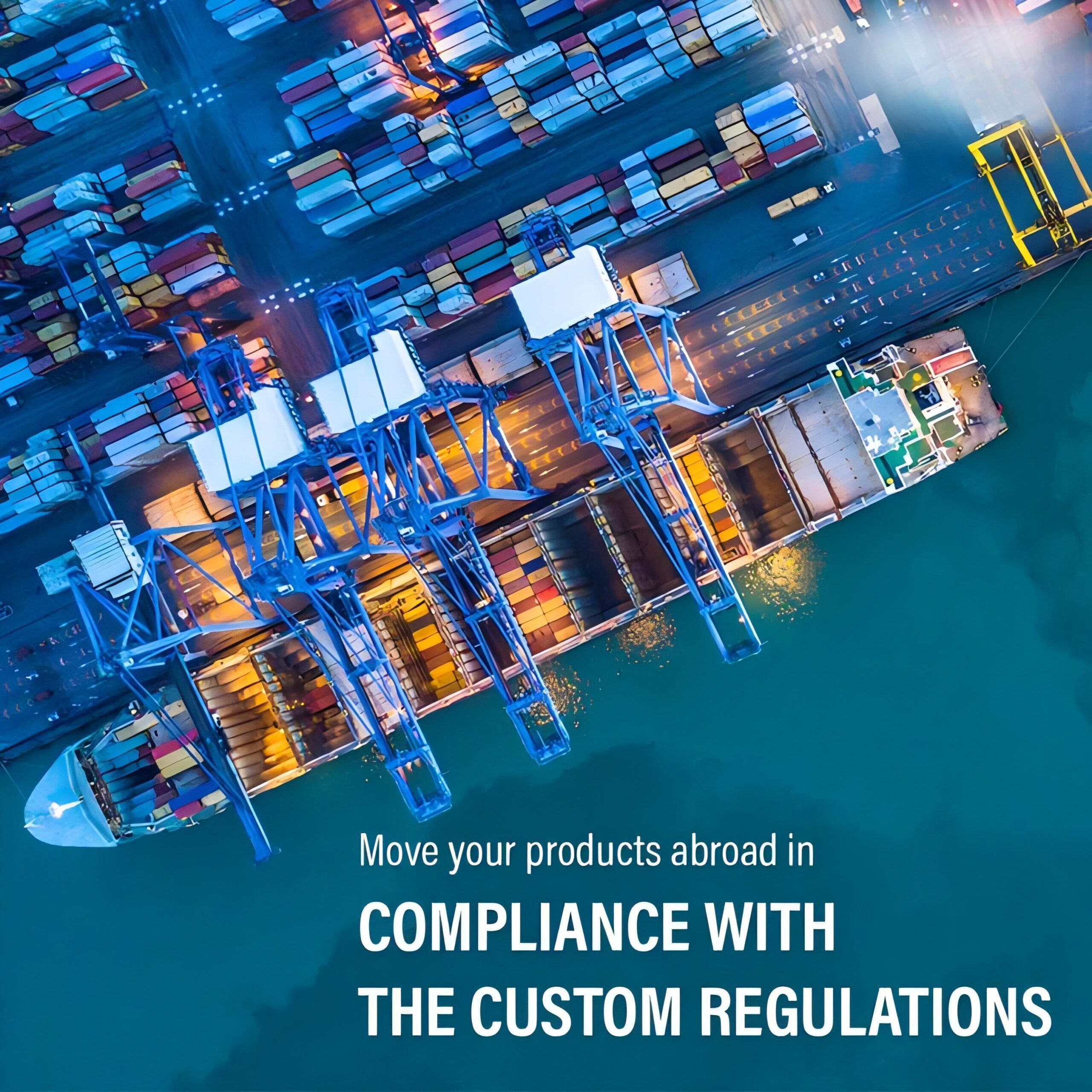
Shipping from China to Australia Freight Forwarder: 2026 Guide
“Navigating the complexities of international trade requires a dependable shipping from China to Australia freight forwarder to ensure your goods arrive safely and on schedule. Finding the right partner helps you overcome common logistics hurdles such as customs delays, rising fuel surcharges, and complex biosecurity regulations. Consequently, businesses can focus on growth while experts manage the intricate details of the global supply chain between these two major trading partners.”
How to select a shipping from China to Australia freight forwarder?
❖Selecting an experienced logistics partner involves more than just comparing the lowest freight rates available on the market. Furthermore, you must evaluate their expertise in Australian customs regulations and their ability to handle specific cargo types such as hazardous materials or oversized machinery. In addition, a professional forwarder should provide transparent tracking systems and proactive communication to mitigate potential transit delays.
Reliable forwarders typically maintain strong relationships with major carriers like COSCO, Maersk, and MSC to secure consistent space even during peak seasons. Therefore, verifying their network and industry certifications is a critical step in the vetting process. Meanwhile, checking client testimonials and case studies can offer valuable insights into their operational reliability and customer service quality.
Choosing a partner with a physical presence in both China and Australia often simplifies the communication process across different time zones. Consequently, this local knowledge ensures that your shipments comply with both Chinese export laws and Australian import requirements. Indeed, the right forwarder acts as an extension of your business, optimizing your supply chain for maximum efficiency.
How does sea freight compare to other shipping options?
❖Australia relies heavily on maritime routes for the vast majority of its imports due to its geographic isolation and the cost-effectiveness of ocean transport. Most businesses prefer sea freight when moving large volumes of goods or heavy industrial equipment that would be prohibitively expensive to send by air. Furthermore, ocean transport offers the highest capacity for bulk commodities and consumer retail products.
In contrast, air cargo provides a significantly faster alternative for time-sensitive shipments or high-value electronics. While the costs are higher, the reduced transit time can be vital for maintaining inventory levels during sudden market shifts. Therefore, understanding the trade-offs between speed and budget is essential for every Australian importer.
Alternative strategies often include hybrid solutions or express services for smaller parcels that do not justify a full container. However, it is important to note that rail freight is not a viable option for this route because there are no land bridges between China and the Australian continent. Consequently, your primary choice remains between the speed of the air and the economy of the sea.
| Shipping Method | Cost Range | Transit Time | Best For |
|---|---|---|---|
| Sea Freight (FCL) | $1,200 – $2,000 | 12 – 18 Days | Bulk goods and large volumes |
| Sea Freight (LCL) | $50 – $120/CBM | 18 – 25 Days | Small shipments over 1 CBM |
| Air Freight | $4.50 – $8.00/kg | 3 – 7 Days | High-value or urgent cargo |
| Express Service | $8.00 – $15.00/kg | 2 – 5 Days | Samples and small parcels |
What are the transit times for ocean and air cargo?
❖Transit schedules for air freight usually range from three to seven days depending on whether you choose direct flights or deferred services. Major hubs like Shanghai, Shenzhen, and Guangzhou offer frequent departures to Sydney, Melbourne, and Brisbane. Moreover, choosing a direct flight can save up to three days of handling time compared to transshipment routes via Singapore or Hong Kong.
Ocean transit times are influenced by the specific port of loading in China and the destination port in Australia. For instance, shipments from Shenzhen to Sydney typically take about 12 to 15 days, whereas routes from Northern China ports like Tianjin may take 18 to 22 days. Additionally, seasonal weather patterns and port congestion during the Q4 peak season can add several days to the total delivery schedule.
Importers should also account for the time required for customs clearance and inland delivery after the vessel arrives at the port. Generally, the door-to-door process for sea freight takes between 25 and 35 days when all factors are considered. Consequently, planning your orders well in advance is necessary to avoid stockouts and maintain a smooth supply chain.
How much does shipping to Australia cost in 2026?
❖Freight rates in early 2026 have stabilized following the global logistics disruptions of previous years, though fuel surcharges remain a variable factor. Typically, a 20GP container from China to Australia costs between $800 and $1,200, while a 40HQ container ranges from $1,400 to $2,000. These prices fluctuate based on carrier capacity and the specific time of year you choose to book your shipment.
Air cargo pricing is currently hovering between $4.50 and $7.50 per kilogram for standard shipments exceeding 100kg. Nevertheless, smaller shipments sent via express service may incur higher per-kilogram rates but offer the convenience of all-inclusive door-to-door pricing. Therefore, calculating the total landed cost is vital for determining the profitability of your imported goods.
Market data suggests that rates typically increase by 15% to 25% during the peak season from August to October as retailers prepare for the holiday period. Specifically, booking your space at least three to four weeks in advance can help you secure better rates and guaranteed equipment. Note: Freight rates are subject to change based on fuel costs, carrier capacity, and seasonal demand. Contact us for a current quote tailored to your specific shipment.
| Route | 20GP Container | 40HQ Container | Transit Time |
|---|---|---|---|
| Shenzhen to Sydney | $850 – $1,100 | $1,450 – $1,800 | 12-14 Days |
| Shanghai to Melbourne | $900 – $1,200 | $1,550 – $1,950 | 15-18 Days |
| Ningbo to Brisbane | $950 – $1,250 | $1,600 – $2,050 | 16-20 Days |
| Qingdao to Adelaide | $1,050 – $1,350 | $1,800 – $2,300 | 22-26 Days |
Why should you consider FCL versus LCL shipping?
❖Full Container Load (FCL) shipping is the most efficient method for businesses moving more than 15 cubic meters of cargo. Because you have exclusive use of the container, there is a lower risk of damage or contamination from other shippers’ goods. Furthermore, FCL shipments often move faster through the logistics chain as they do not require consolidation or deconsolidation at the warehouse.
Less than Container Load (LCL) serves as an economical alternative for smaller shipments that do not fill a whole container. In this scenario, you only pay for the volume you occupy, which is measured in cubic meters. However, LCL transit times are usually five to seven days longer due to the extra handling required at the container freight station. Consequently, LCL is best for startups or businesses testing new product lines in the Australian market.
Comparing the costs of both methods is essential when your shipment volume is between 10 and 15 cubic meters. Sometimes, paying for a 20GP container is cheaper than paying the LCL volume rates once documentation and handling fees are included. Indeed, a professional forwarder will always analyze both options to find the most cost-effective solution for your specific needs.

What documentation is required for Australian customs?
❖Australian customs authorities maintain strict requirements for all imported goods to protect the local economy and environment. Specifically, you must provide a commercial invoice, a detailed packing list, and an original bill of lading or sea waybill. Moreover, certain products like timber or organic materials require specific treatment certificates to comply with biosecurity laws.
Importers must also be aware of the Goods and Services Tax (GST) and any applicable customs duties based on the HS code of the products. Consequently, hiring a specialist in customs brokerage can prevent costly delays and ensure you take advantage of any free trade agreements. Therefore, accuracy in documentation is the most important factor in avoiding terminal storage fees and penalties.
Documentation errors are the leading cause of shipment delays at Australian ports like Port Botany or the Port of Melbourne. Because the Australian Border Force (ABF) uses automated risk assessment tools, any discrepancy in your paperwork can trigger a manual inspection. Although inspections are necessary for security, they can add significant costs and time to your delivery schedule.
| Document Type | Required For | Purpose | Issuer |
|---|---|---|---|
| Commercial Invoice | All Shipments | Valuation and Duty | Seller/Supplier |
| Packing List | All Shipments | Cargo Verification | Seller/Supplier |
| Bill of Lading | Sea Freight | Title of Goods | Carrier/Forwarder |
| Packing Declaration | All Shipments | Biosecurity Check | Supplier |
Real world case studies for Australian imports
❖Case Study 1: Electronics Distribution to Sydney. Route: Shenzhen, China to Sydney, Australia. Cargo: Consumer electronics, 65 CBM, 12,500 kg. Container: 40HQ. Shipping Details: Direct service via COSCO from Shenzhen Port to Port Botany. Cost Breakdown: Ocean Freight $1,650, Origin Charges $220, Destination Charges $380, Customs Duties $550. Total Landed Cost: $2,800. Timeline: Booking to Loading 3 days, Sea Transit 14 days, Customs Clearance 2 days. Total Door-to-Door: 19 days. Key Insight: Direct routing saved 5 days compared to transshipment options.
Case Study 2: Furniture Retailer in Melbourne. Route: Ningbo, China to Melbourne, Australia. Cargo: Wooden furniture, 5 CBM, 1,200 kg. Container: LCL. Shipping Details: Transshipment via Singapore using a major carrier. Cost Breakdown: Ocean Freight $350, Origin Charges $180, Destination Charges $240, Customs and Biosecurity $420. Total Landed Cost: $1,190. Timeline: Booking to Loading 4 days, Sea Transit 21 days, Customs Clearance 3 days. Total Door-to-Door: 28 days. Key Insight: Proper fumigation certificates prevented biosecurity delays at the Port of Melbourne.
Case Study 3: Urgent Industrial Spare Parts. Route: Shanghai, China to Brisbane, Australia. Cargo: Machinery parts, 0.8 CBM, 150 kg. Method: Air Freight. Shipping Details: Direct flight from Shanghai Pudong (PVG) to Brisbane (BNE). Cost Breakdown: Air Freight $950, Documentation $120, Local Delivery $150. Total Landed Cost: $1,220. Timeline: Total Door-to-Door 5 days. Key Insight: Using air freight allowed the factory to resume operations within a week, avoiding expensive downtime.
Which shipping option should you choose for your business?
❖Deciding on the best logistics strategy depends on your budget, cargo volume, and the urgency of your delivery. If your priority is cost savings and you are moving more than 15 CBM, FCL sea freight is the clear winner. On the other hand, if you are shipping small volumes under 1 CBM or urgent samples, express or air freight provides the necessary speed. Furthermore, door to door services are highly recommended for businesses that want a hassle-free experience without managing multiple vendors.
Volume thresholds often dictate when you should switch from LCL to FCL to maximize your shipping budget. Typically, once your shipment exceeds 13 CBM, the cost of a full 20GP container becomes more economical than paying for individual cubic meters in a shared container. Additionally, consider the nature of your cargo; fragile or high-value items benefit from the reduced handling associated with FCL or air freight.
Hybrid strategies can also be effective, such as sending a small portion of your order by air to meet immediate demand while the bulk of the stock follows by sea. Consequently, this approach balances cost and speed while ensuring you never run out of inventory. Successful importers always work closely with their forwarder to adjust their strategy based on current market trends and seasonal fluctuations.
Summary of Shipping to Australia
Successfully managing your imports requires a deep understanding of the logistics landscape and a strong partnership with an expert <a href=”https://Top China Freight.net/shipping-from-china-to-australia/”>shipping from China to Australia</a> provider. Whether you choose the speed of air freight or the cost-effectiveness of sea freight, planning for customs compliance and seasonal shifts is essential. By leveraging the right shipping methods and documentation practices, you can ensure your business remains competitive in the Australian market throughout 2026 and beyond.

Ready to streamline your logistics?
Streamline your supply chain today with a reliable shipping from China to Australia freight forwarder. Contact our team at Top China Freight to receive a competitive quote and expert guidance for your next shipment. Visit our website to learn more about our customized logistics solutions.
Request Quote