
Shipping Quote China to France: 2026 Freight Rates and Guide
“Securing a precise shipping quote China to France is the first step toward building a resilient supply chain in 2026. At Top China Freight, we simplify the complexities of international logistics by providing transparent pricing and reliable schedules. Understanding the nuances of freight costs helps businesses navigate the evolving trade landscape between Asia and Europe effectively.”

How to get an accurate shipping quote China to France?
❖Obtaining a reliable estimate requires providing detailed information about your cargo weight and dimensions. Furthermore, specifying the exact origin and destination ports ensures that local handling fees are correctly calculated.
Consequently, a clear description of your goods allows for precise customs brokerage assessments. Many importers overlook the importance of HS codes when requesting initial pricing.
Therefore, providing the correct classification prevents unexpected duties and taxes upon arrival in France. Professional logistics providers use this data to determine if your cargo requires special handling or permits.
Moreover, the timing of your request influences the final cost significantly. Market conditions in 2026 fluctuate based on seasonal demand and carrier capacity.
Indeed, requesting a quote at least two weeks before the planned departure date often secures better rates. This lead time allows freight forwarders to negotiate space with major carriers more effectively.
What factors influence your shipping quote China to France?
❖Several variables determine the total cost of moving goods from Chinese manufacturing hubs to French markets. Fuel surcharges and port congestion levels remain primary drivers of price volatility in the current year.
Additionally, the choice between sea freight and other modes dictates the baseline expense. Ocean transport offers the lowest cost per unit for high-volume shipments.
However, door to door logistics services include additional land transport costs that vary by distance. Shipping to Paris involves different inland charges compared to coastal cities like Marseille or Le Havre.
Meanwhile, the weight-to-volume ratio of your cargo affects whether you pay based on mass or space. Light but bulky items are charged by volumetric weight in both air and express shipping scenarios.
Consequently, optimizing your packaging can lead to substantial savings on your international shipping quotes. Selecting the right container size also plays a critical role in cost management.
| Cost Component | Impact Level | Typical Range | Notes |
|---|---|---|---|
| Ocean Freight | High | $2,200 – $4,500 | Per 40HQ container |
| Fuel Surcharge | Medium | 10% – 15% | Adjusted monthly |
| Port Handling | Low | $300 – $600 | Fixed per shipment |
| Customs Duties | Variable | 0% – 20% | Based on HS Code |
How does sea freight compare to other shipping options?
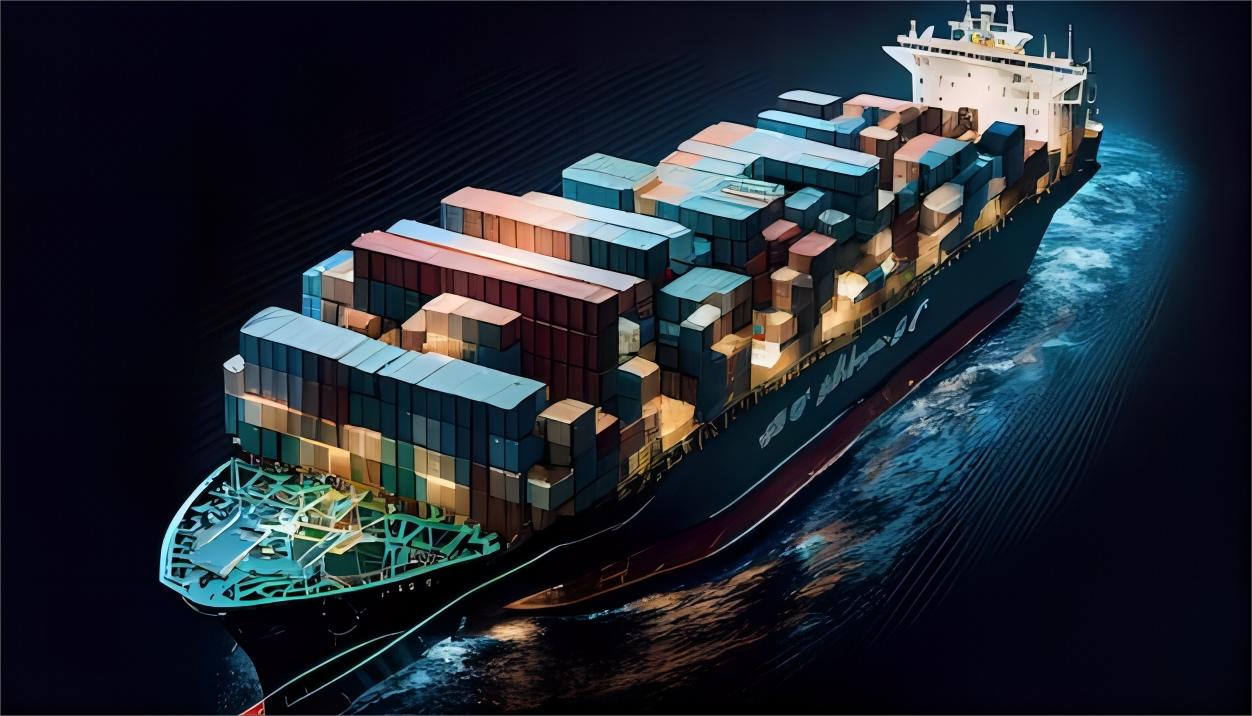
❖Analyzing all viable alternatives is essential for choosing the most efficient route for your business needs. Sea freight remains the backbone of global trade due to its massive capacity and cost-effectiveness.
In contrast, air freight provides unmatched speed for time-sensitive electronics or fashion items. While more expensive, it reduces inventory holding costs and minimizes the risk of damage.
Furthermore, rail freight has emerged as a balanced middle ground for shipments between China and Europe. It offers faster transit times than the ocean while remaining significantly cheaper than air transport.
Specifically, the New Silk Road connections provide reliable schedules for inland French destinations. This hybrid approach suits businesses looking for a compromise between speed and budget.
Therefore, evaluating these options based on your specific cargo type and delivery deadline is crucial. Most successful importers use a mix of these methods depending on the urgency of their orders.
| Shipping Method | Cost Range | Transit Time | Best For |
|---|---|---|---|
| Sea Freight (FCL) | $3,000 – $4,200 | 30 – 40 Days | Bulk goods/Large volume |
| Rail Freight | $4,500 – $6,000 | 18 – 22 Days | Inland cargo/Mid-speed |
| Air Freight | $5.50 – $9.00/kg | 5 – 8 Days | High value/Urgent |
| Express Service | $9.00 – $14.00/kg | 3 – 5 Days | Samples/Small parcels |
Why choose air freight for your France-bound cargo?
❖Speed is the primary advantage when you opt for air transport from major Chinese hubs like Shanghai or Shenzhen. Consequently, businesses can respond rapidly to market trends in Paris or Lyon without waiting weeks for sea arrivals.
Moreover, the security protocols at airports are generally more stringent than at sea ports. This reduces the likelihood of theft or tampering for high-value merchandise.
Additionally, using express service for smaller shipments simplifies the entire process. These services often include integrated customs clearance and final mile delivery.
Indeed, for shipments under 300 kilograms, air transport often becomes more economical when factoring in total landed costs. Reduced insurance premiums also contribute to the overall value proposition of air cargo.
Furthermore, frequent flight schedules provide greater flexibility for supply chain planning. If one flight is delayed, another is usually available within 24 hours to ensure your schedule stays on track.
Is rail freight a viable alternative in 2026?
❖Rail transport has stabilized in 2026 as a reliable link between Chinese industrial zones and European logistics hubs. Rail freight offers a sustainable alternative with a lower carbon footprint than air transport.
Consequently, many eco-conscious brands are shifting their mid-range cargo to the trans-Eurasian rail network. The transit time of approximately three weeks fits perfectly between the slow sea route and the fast air route.
Furthermore, rail rates are less prone to the extreme volatility often seen in ocean freight markets. This stability allows for more accurate long-term budgeting for your import operations.
Nevertheless, rail freight is most effective for full container loads or large consolidated shipments. It serves as an excellent solution for automotive parts, machinery, and consumer electronics.
Therefore, if your cargo is located in central or western China, rail might offer significant inland transport savings. The direct connection to European rail terminals simplifies the final delivery to French warehouses.
Which option should you choose for your shipment?
❖Budget priority suggests that sea freight is the best recommendation for shipments exceeding 15 cubic meters. The low cost per unit allows for higher profit margins on imported goods.
Speed priority dictates that air freight or express delivery should be your primary choice. If your product launch is approaching, the extra cost is justified by the guaranteed delivery window.
Cargo type considerations also play a role in your decision-making process. Perishable goods or high-tech components often require the temperature control and speed of air transport.
Volume thresholds for switching methods are important to monitor. For instance, once a shipment exceeds 100 kilograms, moving from express to standard air freight usually saves money.
Similarly, for shipments between 10 and 15 cubic meters, comparing LCL sea freight with rail freight is advisable. Each method has specific trade-offs regarding handling and transit risk.
How can you reduce your shipping costs?
❖Consolidating multiple smaller orders into a single shipment is one of the most effective ways to lower expenses. LCL shipping allows you to share container space with other importers, paying only for the volume you use.
Additionally, negotiating Incoterms like FOB rather than EXW can give you more control over the shipping process. This allows you to choose your own freight forwarder and avoid hidden supplier markups.
Furthermore, planning your shipments outside of peak seasons can save you up to 25% on freight rates. August to October is typically the busiest and most expensive period for China to France routes.
Moreover, investing in high-quality packaging reduces the risk of damage and insurance claims. It also ensures that you are not paying for unnecessary empty space within your boxes.
Consequently, working with a professional who offers door to door solutions can eliminate the need for multiple middle-men. Streamlined logistics naturally lead to lower administrative and operational costs.

Case Study 1: Electronics from Shenzhen to Paris
❖Route: Shenzhen, China to Paris, France. Cargo: Consumer Electronics, 12 CBM, 2400 kg. Container: LCL shipment. Shipping Details: Sea Freight via Port of Le Havre. Route Type: Direct.
Cost Breakdown: Ocean Freight: $1,450. Origin Charges: $280. Destination Charges: $420. Customs and Duties: $1,100. Total Landed Cost: $3,250.
Timeline: Booking to Loading: 4 days. Sea Transit: 34 days. Customs Clearance: 2 days. Total Door-to-Door: 42 days.
Key Insight: Using LCL saved the client over $1,000 compared to a full 20GP container. Based on Q1 2026 market rates, this was the most economical choice for their volume.
Case Study 2: Industrial Parts from Ningbo to Lyon
❖Route: Ningbo, China to Lyon, France. Cargo: Spare Machinery Parts, 2 CBM, 450 kg. Method: Rail Freight. Route Type: Transshipment via Duisburg.
Cost Breakdown: Rail Freight: $850. Origin Charges: $150. Destination Charges: $220. Customs and Duties: $450. Total Landed Cost: $1,670.
Timeline: Booking to Loading: 3 days. Rail Transit: 20 days. Customs Clearance: 1 day. Total Door-to-Door: 26 days.
Key Insight: Rail freight provided a 14-day advantage over sea freight at a manageable price point. Typical rates as of early 2026 show rail as a strong competitor for inland French cities.
How to handle customs and documentation for France?
❖Navigating French customs requires a thorough understanding of EU import regulations and documentation. Every shipment must be accompanied by a commercial invoice, a packing list, and a bill of lading.
Additionally, an EORI number is mandatory for all businesses importing goods into France. Without this identification, your cargo will be held at the port, incurring expensive demurrage fees.
Furthermore, ensuring that your products meet CE marking requirements is essential for legal sale within the European market. Non-compliant goods risk being seized or returned to the origin at your expense.
Consequently, partnering with an experienced broker simplifies the declaration process. They ensure that VAT and duties are calculated correctly based on the current 2026 tax rates.
Therefore, always double-check your paperwork before the ship leaves China. Minor errors in documentation are the leading cause of delivery delays in international trade.
Summary of Shipping from China to France
Choosing the right logistics strategy is vital for maintaining a competitive edge in the French market. Whether you prioritize the cost-effectiveness of sea freight or the speed of air transport, understanding the variables is key.
Indeed, obtaining a comprehensive shipping quote China to France allows you to plan your finances and inventory with precision. By following the tips and market insights provided in this guide, you can navigate the 2026 shipping landscape successfully.
Moreover, working with a reliable freight forwarder like Top China Freight ensures that your cargo is handled with professional care. We are committed to providing transparent pricing and efficient delivery solutions for all your import needs.
Ready to streamline your logistics?
Ready to optimize your supply chain with a competitive shipping quote China to France? Contact our expert team today to receive a customized logistics plan that meets your budget and timeline. Visit our website to request your free quote and start shipping with confidence. Send Inquiry: https://Top China Freight.net/contact-us/
Request Quote