
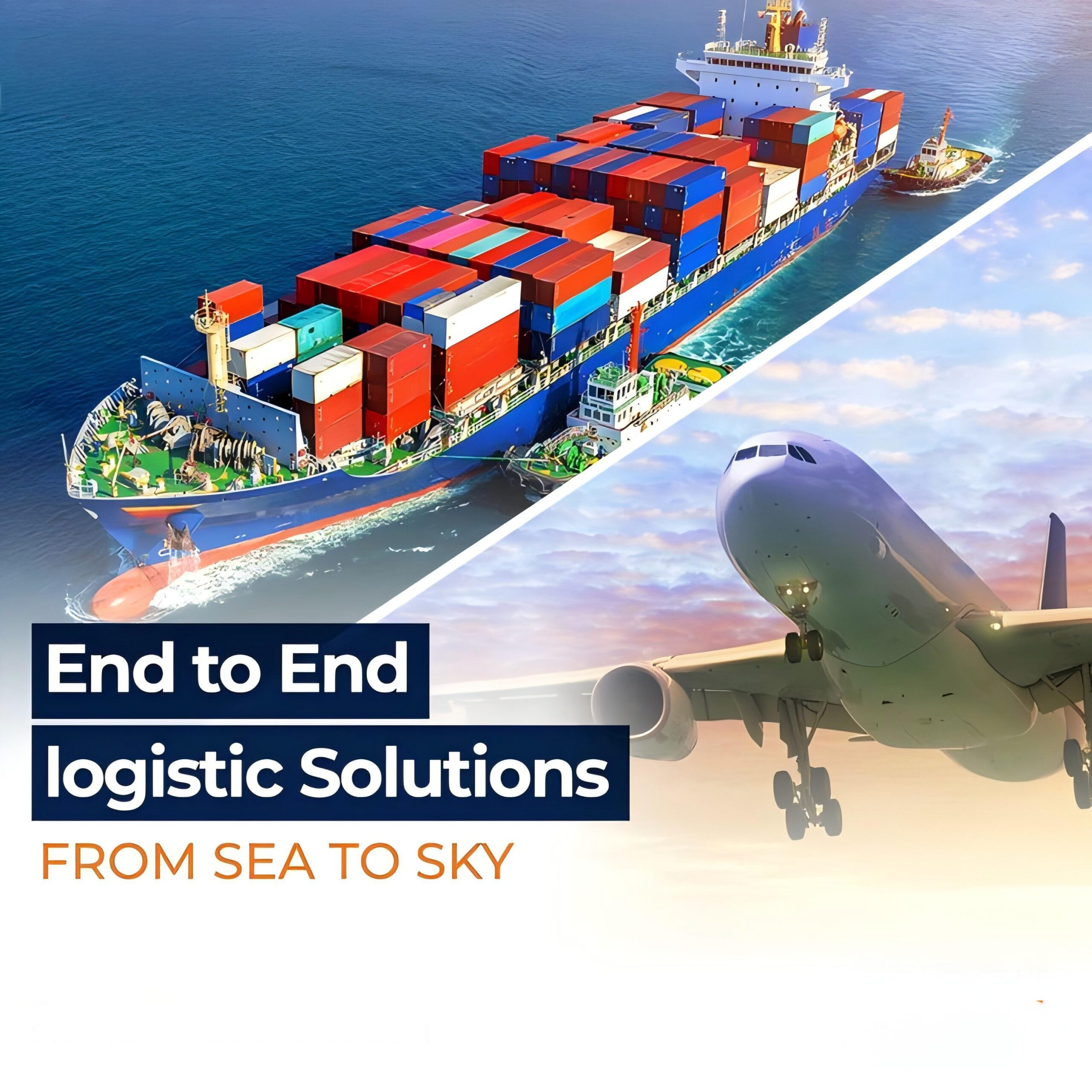
Import Shipping from China to France: 2026 Logistics Guide
“Import shipping from China to France represents a critical corridor for European businesses seeking high-quality manufacturing and reliable supply chains in 2026. Navigating the complexities of international logistics requires a strategic partnership with an experienced provider like Top China Freight to ensure your goods arrive safely and on schedule. This comprehensive guide explores the most efficient methods, current market costs, and essential customs requirements for French importers today.”

What Are the Primary Methods to Import Shipping from China to France?
❖Choosing the right transportation mode involves balancing your specific budget constraints with the urgency of your delivery schedule. Most businesses currently utilize three main channels to move products from Chinese manufacturing hubs to French distribution centers.
Furthermore, each method offers distinct advantages depending on the volume of your cargo and the nature of the goods being transported. Consequently, understanding these differences is vital for maintaining a competitive edge in the 2026 market.
Selecting sea freight remains the most popular choice for large-scale shipments due to its unmatched cost-efficiency for high-volume goods. This method typically involves either Full Container Load (FCL) or Less than Container Load (LCL) options.
In contrast, air freight provides the fastest transit times for time-sensitive or high-value inventory. While the costs are significantly higher than ocean transport, the speed ensures that your products reach the French market within days.
Additionally, rail freight has emerged as a reliable middle-ground solution, offering faster speeds than sea and lower costs than air. The New Silk Road connections have stabilized in early 2026, providing a consistent alternative for continental logistics.
How Does Sea Freight Compare to Other Shipping Options?
❖Evaluating different transport modes requires a detailed look at the trade-offs between speed, cost, and reliability. Sea freight remains the backbone of global trade, yet it is not always the optimal choice for every business scenario.
Moreover, the environmental impact and carbon footprint of each method are becoming increasingly important factors for French corporate social responsibility standards. Therefore, many companies are now exploring hybrid solutions to optimize their logistics footprint.
Below is a comprehensive comparison of the primary methods used to import shipping from China to France based on Q1 2026 market data.
| Shipping Method | Cost Range | Transit Time | Best For |
|---|---|---|---|
| Sea Freight (FCL) | $3,000 – $4,500 | 30 – 40 Days | Bulk goods and large volumes |
| Air Freight | $5.50 – $9.00/kg | 3 – 7 Days | High-value or urgent items |
| Rail Freight | $2,200 – $3,500 | 18 – 24 Days | Medium-sized inventory |
| Express Service | $8.00 – $12.00/kg | 2 – 5 Days | Samples and small parcels |
Understanding 2026 Shipping Costs and Market Trends
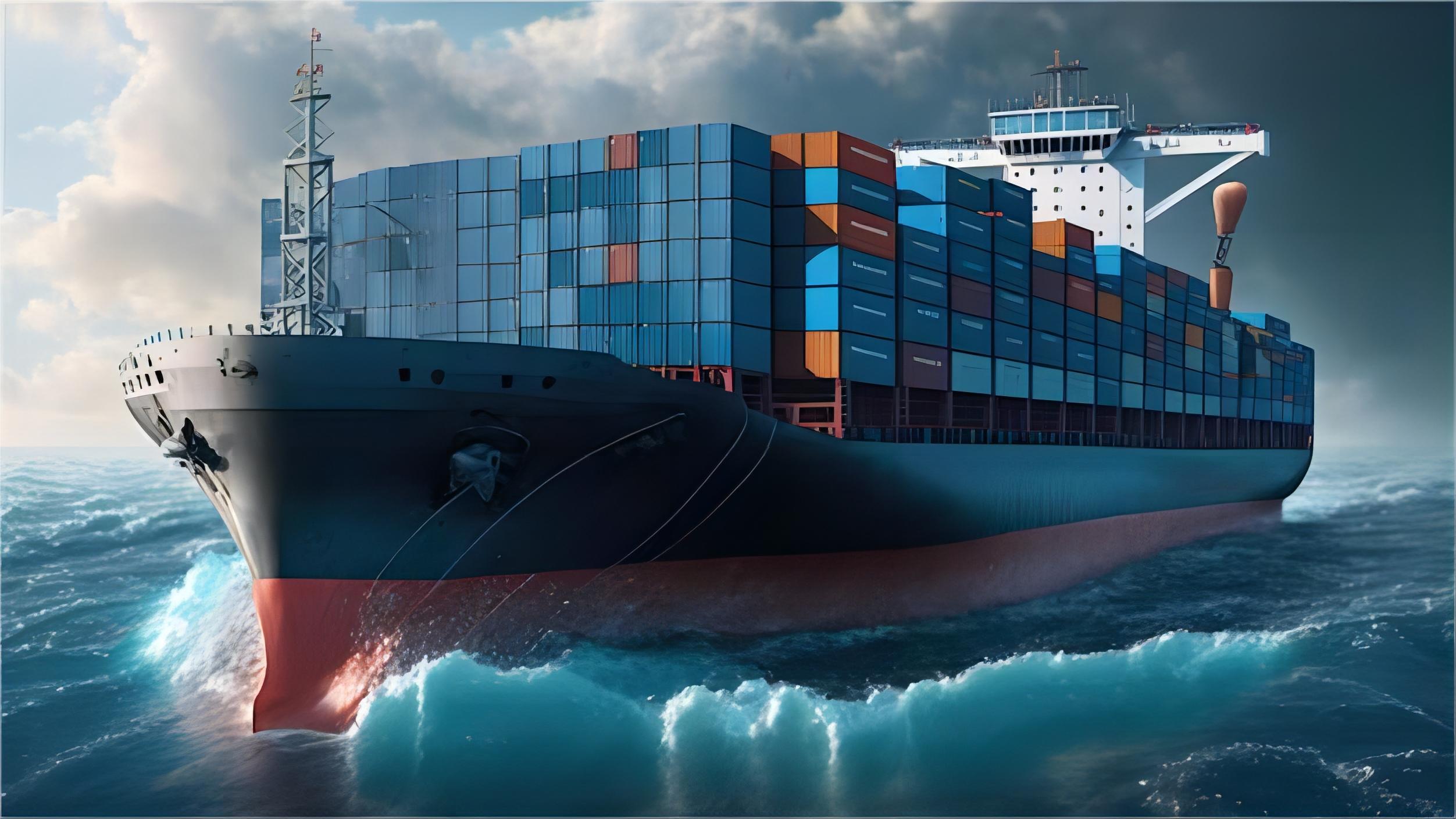
❖Freight rates in 2026 have shown signs of stabilization following the fluctuations seen in previous years. However, seasonal demand during the Golden Week in October and the lead-up to the Christmas season can still cause price spikes.
Consequently, businesses should budget for a 15% to 25% increase in rates during peak periods. Shippers who book their space at least four weeks in advance often secure more favorable pricing and guaranteed equipment availability.
Market intelligence suggests that fuel surcharges and port handling fees contribute significantly to the total landed cost of your imports. Specifically, the ports of Le Havre and Marseille have implemented new efficiency standards that affect local handling charges.
Note: Freight rates are subject to change based on fuel costs, carrier capacity, and seasonal demand. Contact us for a current quote tailored to your specific shipment.
| Container Type | 20GP Container | 40GP Container | 40HQ Container |
|---|---|---|---|
| Avg. Rate 2026 | $2,200 – $2,800 | $3,200 – $4,000 | $3,500 – $4,500 |
| Capacity | 28 – 30 CBM | 56 – 60 CBM | 68 – 72 CBM |
| Max Payload | 28,000 kg | 26,000 kg | 26,000 kg |

Navigating Customs Clearance and Documentation in France
❖Successful importation requires meticulous attention to French customs regulations and European Union trade compliance. Utilizing a professional customs brokerage service can prevent costly delays and potential fines at the border.
Furthermore, you must ensure your business has a valid EORI number to clear goods through French customs. This identification is mandatory for all economic operators involved in the import or export of goods within the EU.
Documentation accuracy is the most common hurdle for new importers. Indeed, even a minor discrepancy in the commercial invoice or packing list can lead to cargo being held for inspection for several days.
Moreover, the calculation of Value Added Tax (VAT) and customs duties depends heavily on the correct HS Code classification of your products. Therefore, verifying these codes before the shipment departs China is a critical step in your supply chain management.
| Document Name | Purpose | Required By | Mandatory |
|---|---|---|---|
| Commercial Invoice | Declares value of goods | Customs / Bank | Yes |
| Packing List | Details cargo contents | Carrier / Customs | Yes |
| Bill of Lading | Title of goods | Carrier / Consignee | Yes |
| Cert. of Origin | Proves manufacturing source | Customs | Often |
Real Case Studies: China to France Logistics 2026
❖Case Study 1: Electronics from Shenzhen to Marseille. Cargo: Consumer electronics, 18 CBM, 5200 kg. Container: LCL 18 CBM. Shipping Details: Carrier: Major ocean carrier. Port of Loading: Shenzhen. Port of Discharge: Marseille. Route Type: Direct. Cost Breakdown: Ocean Freight: $1,450. Origin Charges: $420. Destination Charges: $550. Customs and Duties: $1,200. Total Landed Cost: $3,620. Timeline: Booking to Loading: 5 days. Sea Transit: 32 days. Customs Clearance: 2 days. Total Door-to-Door: 39 days. Key Insight: Early booking during the 2026 Q2 period saved the client 12% on freight costs.
Case Study 2: Fashion Apparel from Shanghai to Paris. Cargo: Luxury garments, 4 CBM, 850 kg. Shipping Method: Air Freight. Shipping Details: Carrier: Premium air cargo service. Port of Loading: Shanghai Pudong. Port of Discharge: Paris CDG. Route Type: Direct flight. Cost Breakdown: Air Freight: $6,800. Handling Fees: $350. Customs and Duties: $2,100. Total Landed Cost: $9,250. Timeline: Pickup to Flight: 2 days. Air Transit: 14 hours. Customs Clearance: 1 day. Total Door-to-Door: 5 days. Key Insight: Using air freight allowed the brand to meet a critical product launch deadline in the French market.
Which Shipping Option Should You Choose?
❖Determining the best strategy to import shipping from China to France depends on your primary business objectives. If your priority is budget and you are shipping more than 15 CBM of goods, sea freight is undoubtedly the most logical choice.
On the other hand, if speed is your main concern for high-value items like electronics or pharmaceuticals, air freight remains the gold standard. Consequently, many modern businesses use a mix of both methods to balance inventory levels and cash flow.
When your cargo volume falls between 5 and 15 CBM, rail freight offers a compelling alternative that balances cost and speed. Additionally, door to door services can simplify the entire process by handling every leg of the journey for you.
Businesses should also consider the nature of their cargo. For instance, perishable goods or hazardous materials require specialized handling and specific shipping methods that may override cost considerations.
Final Takeaways on Importing to France
Successfully managing the process to import shipping from China to France requires a deep understanding of transit modes, cost structures, and customs compliance. By leveraging sea, air, or rail freight appropriately, you can ensure your goods arrive in the French market at the best possible price.
In summary, the 2026 logistics landscape offers diverse opportunities for efficient trade. Always prioritize accurate documentation and early booking to mitigate risks and maintain a resilient supply chain for your business.

Ready to streamline your logistics?
Optimizing your supply chain starts with choosing the right logistics partner. Whether you are a small business or a large enterprise, our team provides tailored solutions to import shipping from China to France with maximum efficiency. Contact us today to receive a competitive quote and streamline your 2026 shipping operations. Visit our website to learn more about our comprehensive freight services.
Request Quote