
Door to Door Shipping China to France: 2026 Logistics Guide
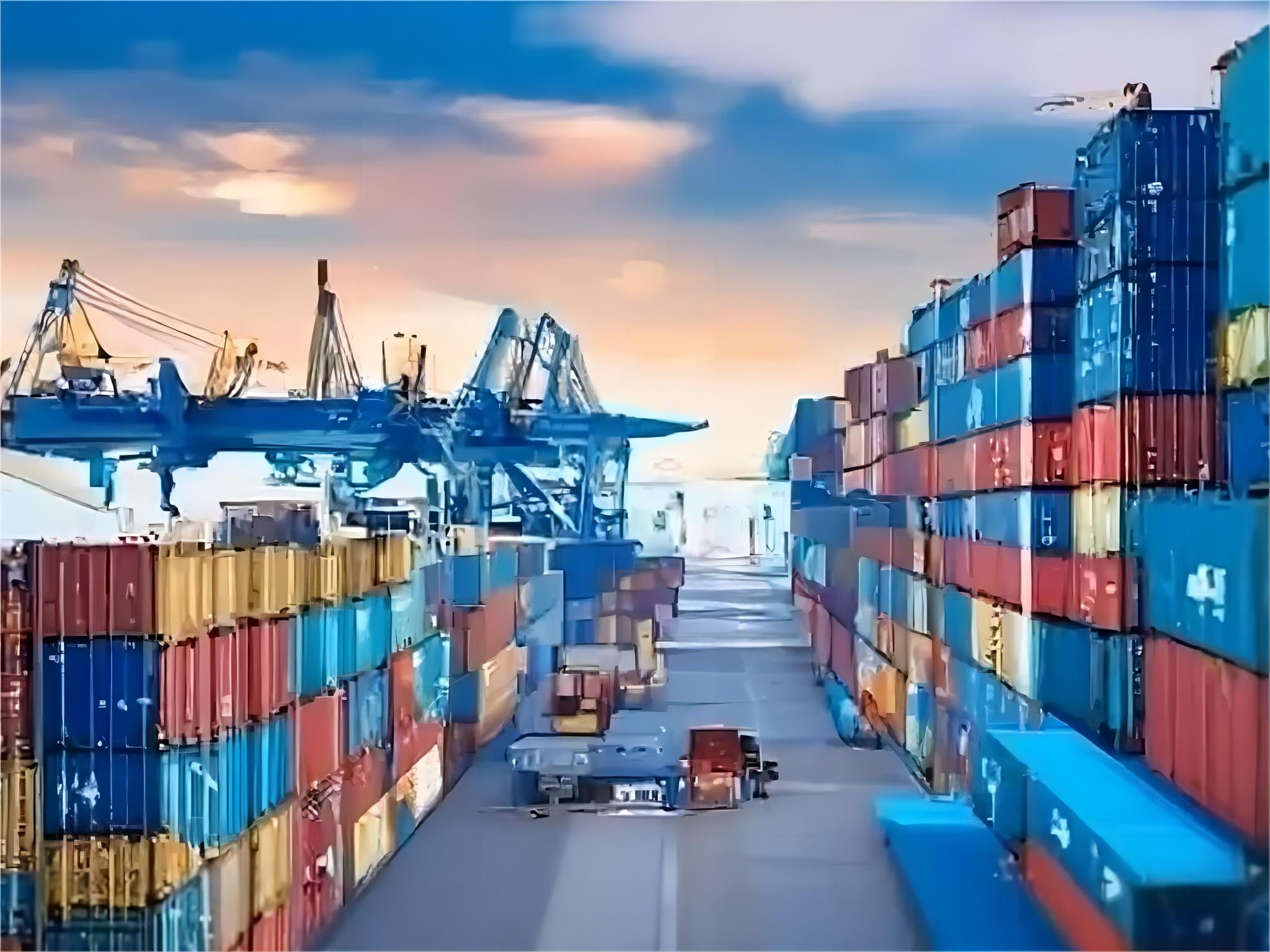
Door to door shipping china to France is the most efficient way to manage your international supply chain in 2026. By partnering with Top China Freight, importers can manage the entire journey from a Chinese factory to a French warehouse without the stress of handling multiple intermediaries. This comprehensive service handles everything from pickup and packing to customs clearance and final delivery. Consequently, businesses can focus on their core operations while logistics experts manage the complex movement of goods across continents.
What is Door to Door Shipping China to France?
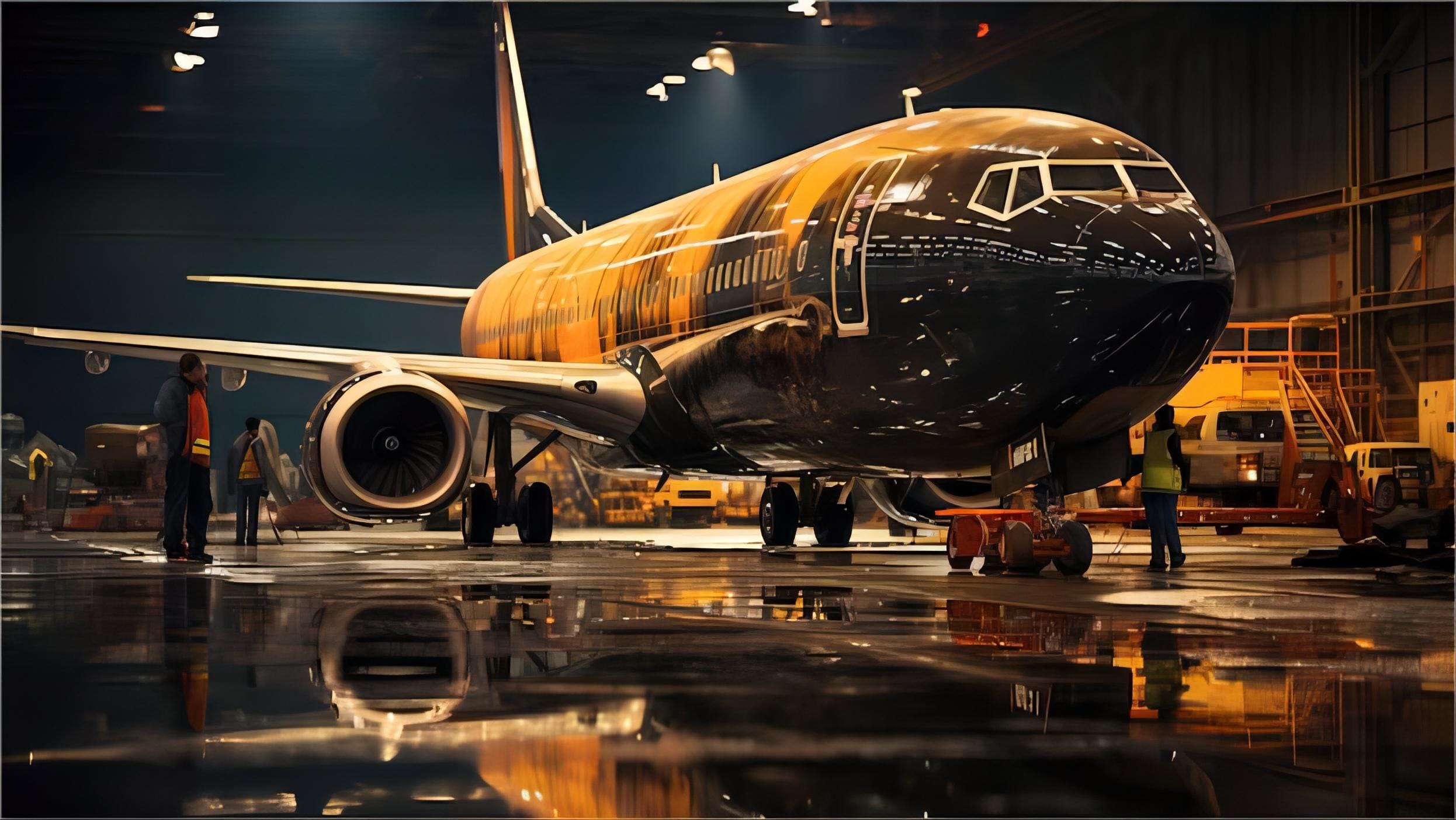
Specifically, door to door shipping refers to a logistics service where the freight forwarder takes responsibility for the cargo from the moment it leaves the supplier in China until it reaches the final destination in France. This method eliminates the need for the importer to manage individual legs of the journey. For instance, the forwarder arranges the inland transport, export documentation, international freight, and French import clearance.
Moreover, this service is often provided under DDP (Delivered Duty Paid) or DAP (Delivered at Place) terms. Choosing DDP means the seller or forwarder covers all costs, including duties and taxes. Therefore, the buyer in France only needs to receive the goods at their doorstep. This streamlined approach is particularly popular among e-commerce sellers and small businesses who lack dedicated logistics departments.
How Does Door to Door Shipping China to France Work?
Initially, the process begins with the collection of goods from the manufacturer in cities like Shenzhen, Ningbo, or Shanghai. The forwarder then transports the items to a local warehouse for consolidation if the shipment is LCL (Less than Container Load). Afterward, the cargo undergoes export customs clearance, which is a critical step in the Chinese logistics chain.
Subsequently, the goods are loaded onto the chosen transport mode, whether it be sea, air, or rail. Once the cargo arrives at a French port or airport, such as Le Havre or Charles de Gaulle, the forwarder manages the import customs process. Finally, a local courier or trucking company delivers the shipment directly to the specified address in Paris, Lyon, Marseille, or any other French city.
Comparing Shipping Methods for the China to France Route
When planning your logistics, you must choose between sea, air, and rail freight based on your budget and timeline. Sea freight remains the most economical choice for large volumes, although it has the longest transit time. In contrast, air freight offers the fastest delivery for urgent or high-value items. Meanwhile, rail freight provides a middle ground, offering faster speeds than sea at a lower cost than air.
Indeed, the choice of method significantly impacts your total landed cost. For example, shipping a 40HQ container via sea is cost-effective for bulk furniture or machinery. However, if you are shipping seasonal fashion items, air freight might be necessary to meet market demand. Below is a comparison of these primary methods for 2026.
| Sea Freight (FCL) | Low | 30-45 Days | Bulk Goods |
| Sea Freight (LCL) | Moderate | 35-50 Days | Small Shipments |
| Rail Freight | Medium | 18-24 Days | Urgent Bulk |
| Air Freight | High | 3-7 Days | High-Value |
How Does Door to Door Shipping China to France Compare to Other Shipping Options?
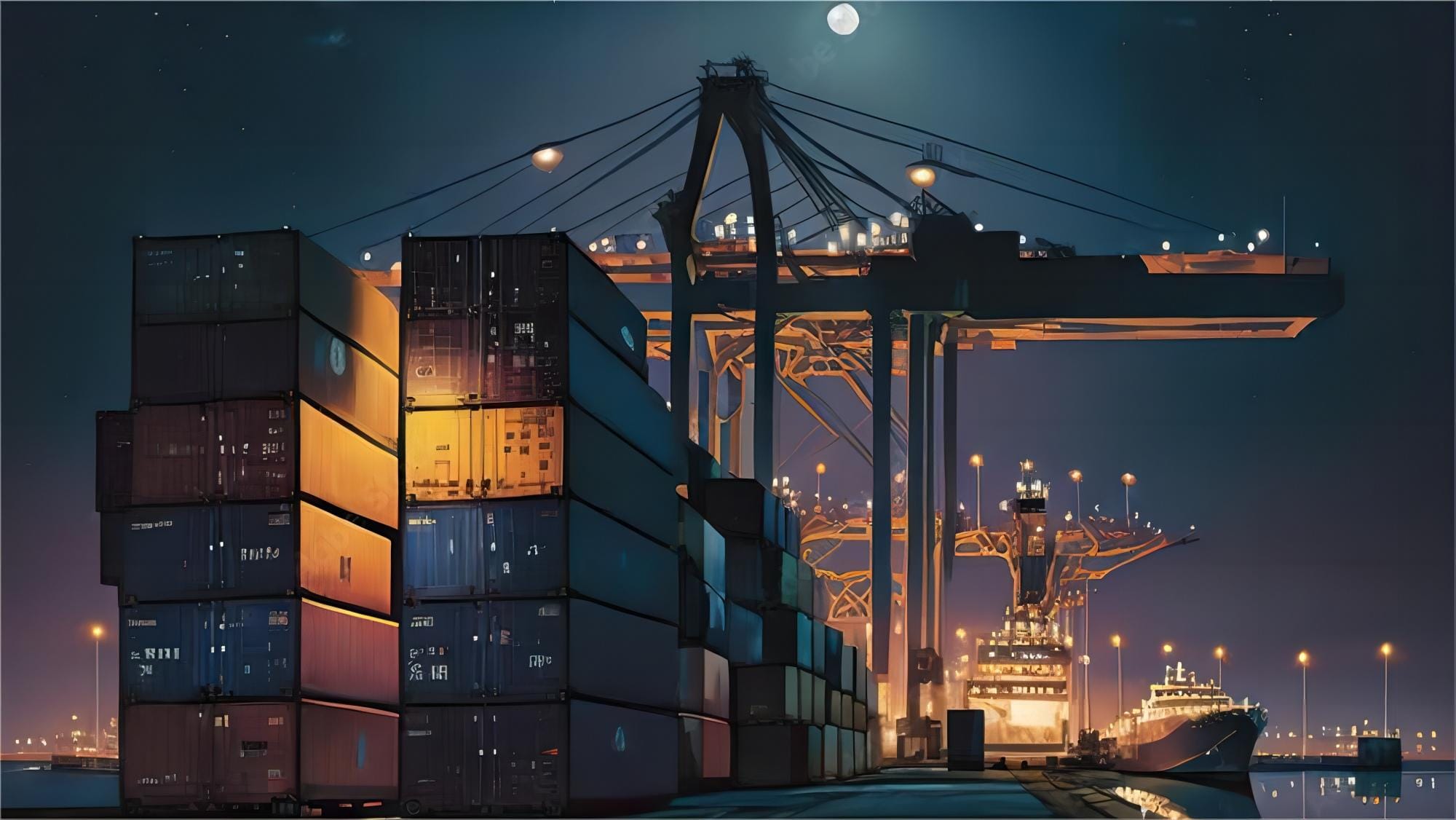
While door to door services are highly convenient, some importers consider port-to-port or door-to-port alternatives to save money. However, these options require the importer to handle customs and local delivery in Europe themselves. Consequently, unless you have an in-house customs team, the potential savings are often offset by administrative headaches and the risk of storage fees at the port.
Additionally, direct shipping via express couriers like DHL or FedEx is an alternative for very small packages. Nevertheless, for shipments exceeding 100kg, professional door to door freight services are usually more affordable. To summarize, the door to door model provides the best balance of cost and reliability for most commercial importers.
| Standard Sea | USD 3000-4200 | 35-45 Days | Slow speed |
| Express Sea | USD 4500-5500 | 25-30 Days | Higher cost |
| Direct Rail | USD 2500-3500 | 18-22 Days | Route limits |
| Air Cargo | USD 5-8 per kg | 5-7 Days | Volume limits |
Which Option Should You Choose?
Choosing the right method depends on your specific business priorities. If your primary goal is to minimize costs, sea freight is the clear winner for large volumes. On the other hand, if you need to restock a popular product quickly, rail freight offers a competitive transit time without the extreme expense of air travel. Furthermore, cargo type plays a role; hazardous materials or heavy machinery are often restricted to sea transport.
Without a doubt, the volume of your shipment also dictates the best approach. For shipments under 15 CBM, LCL sea freight is generally the most economical. Once you exceed 15-20 CBM, booking a full 20GP container becomes more cost-effective. Accordingly, you should always request a quote for both options to see where the price break occurs for your specific load.
Real Case Studies: Successful Shipments to France
Case Study 1: Electronics from Shenzhen to Paris. Route: Shenzhen, China to Paris, France. Cargo: Smartphones, 5 CBM, 1200 kg. Container: LCL. Shipping Details: Carrier: Major carrier; Port of Loading: Shenzhen; Port of Discharge: Le Havre. Cost Breakdown: Ocean Freight: USD 450; Origin Charges: USD 200; Destination Charges: USD 350; Customs and Duties: USD 1200; Total Landed Cost: USD 2200. Timeline: Total Door-to-Door: 37 days. Key Insight: Early booking during the 2026 Q1 period secured lower rates.
Case Study 2: Industrial Machinery to Lyon. Route: Ningbo, China to Lyon, France. Cargo: CNC Machine, 28 CBM, 8000 kg. Container: 20GP. Shipping Details: Carrier: COSCO; Port of Loading: Ningbo; Port of Discharge: Marseille. Cost Breakdown: Ocean Freight: USD 2100; Origin Charges: USD 400; Destination Charges: USD 600; Customs and Duties: USD 3500; Total Landed Cost: USD 6600. Timeline: Total Door-to-Door: 38 days. Key Insight: Using Marseille instead of northern ports saved 4 days in inland transit to Lyon.
Note: Freight rates are subject to change based on fuel costs, carrier capacity, and seasonal demand. Contact us for a current quote tailored to your specific shipment.

Understanding Customs Clearance and Documentation
Navigating French customs requires precise documentation to avoid delays and extra costs. Specifically, you will need a Commercial Invoice, a Packing List, and a Bill of Lading or Air Waybill. Additionally, for many products, a Certificate of Origin or a CE certificate is mandatory to prove compliance with European Union standards. Therefore, ensuring your supplier provides accurate paperwork is the first step toward a smooth delivery.
Consequently, working with an experienced forwarder is invaluable because they act as your customs broker. They will calculate the correct VAT (usually 20 percent in France) and any applicable import duties based on the HS code of your goods. Indeed, misclassifying a product can lead to heavy fines or seizure of the cargo by French authorities. Meanwhile, a professional service ensures all taxes are paid correctly and the goods move through the border without friction.
Mastering Your Logistics from China to France
To summarize, door to door shipping china to France offers an unparalleled level of convenience and security for modern importers. Whether you choose the speed of air freight or the cost-efficiency of sea freight, the door to door model ensures that your goods are handled professionally at every stage. Furthermore, by understanding the 2026 market trends and preparation requirements, you can significantly reduce your shipping risks.
Indeed, the key to success lies in choosing a partner that understands both the Chinese manufacturing landscape and the French regulatory environment. As global trade continues to evolve, having a robust logistics strategy will remain a competitive advantage for your business. Therefore, plan your shipments in advance, maintain clear documentation, and enjoy the benefits of a streamlined international shipping process.
Need a tailored shipping solution?
Are you ready to simplify your supply chain with reliable door to door shipping china to France? Our expert team is standing by to provide you with a competitive, all-inclusive quote tailored to your business needs. Contact us today to start your next shipment and experience seamless logistics from China to your French doorstep. Visit our inquiry page to get started.