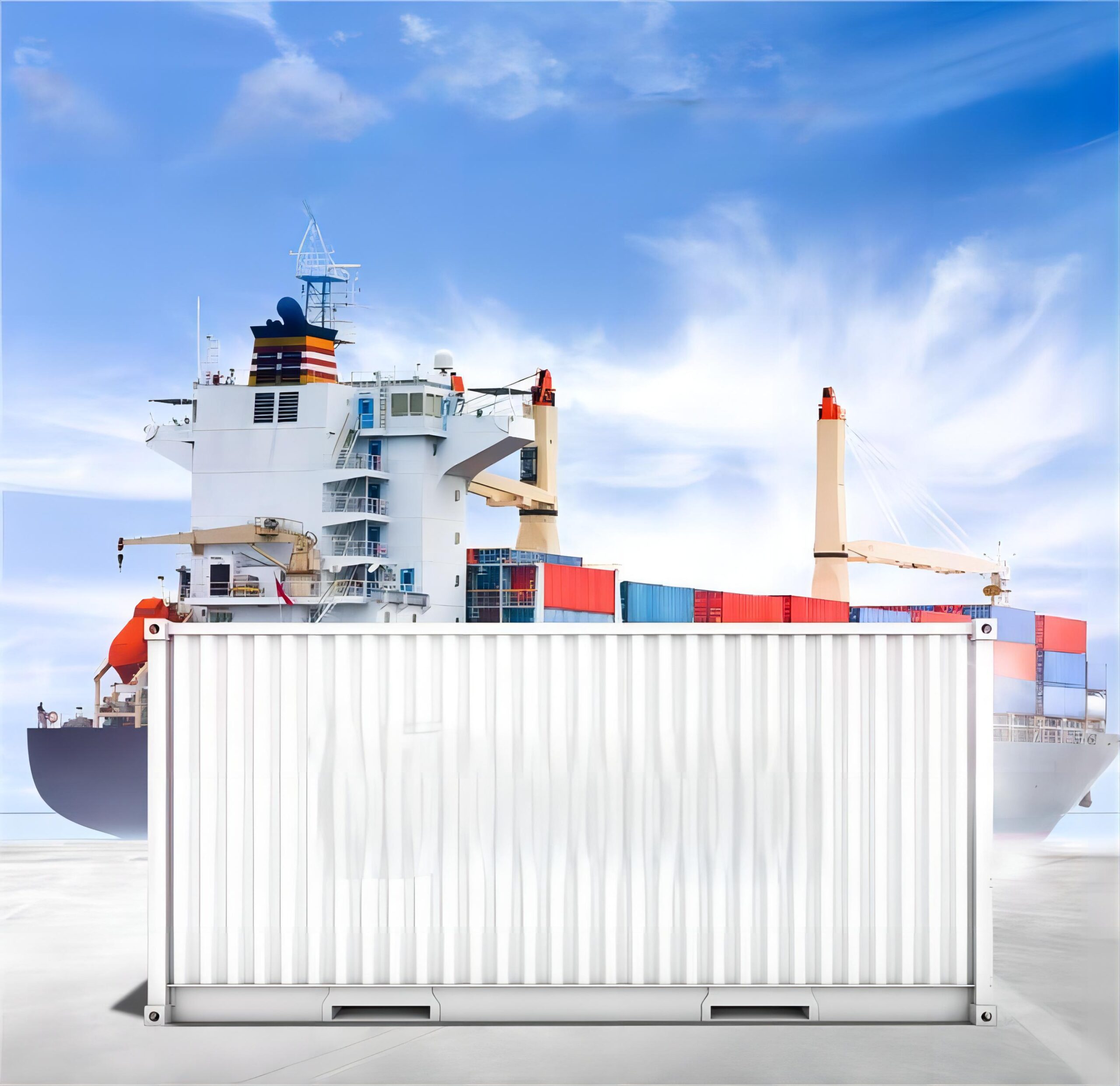
Flat Rack FCL booking process for auto parts from China to New Jersey
The Flat Rack FCL booking process for auto parts from China to New Jersey is a specialized logistics operation designed for oversized or heavy components. Navigating this complex landscape requires precision and technical expertise to avoid costly delays at the port. By partnering with Top China Freight, importers can effectively manage their supply chain and ensure reliable delivery to the East Coast. This guide provides a comprehensive overview of the steps required to move out-of-gauge auto parts across the Pacific Ocean.
What defines the Flat Rack FCL booking process for auto parts from China to New Jersey?
Flat rack containers are essential for shipping auto parts that exceed the dimensions of standard shipping units. These containers lack side walls and roofs, which facilitates the loading of bulky engine assemblies or large chassis. Consequently, this method provides the necessary flexibility for heavy industrial components that cannot be disassembled.
Understanding the technical requirements of this equipment is the first step in a successful shipment. Shippers must consider the weight distribution and the center of gravity for every individual part. Furthermore, the Flat Rack FCL booking process for auto parts from China to New Jersey involves securing specialized equipment well in advance of the sailing date.
Most carriers offer both 20-foot and 40-foot flat rack options to accommodate different cargo volumes. However, the availability of these units can be limited during peak shipping seasons. Therefore, planning your sea freight strategy early is vital for maintaining your production schedule.
In addition to equipment availability, you must account for the unique handling requirements at both the origin and destination ports. Port workers in Shanghai or Ningbo use heavy-duty cranes to position the cargo onto the flat rack. Meanwhile, the receiving terminal in New Jersey must have the infrastructure to unload out-of-gauge units safely.
Step-by-Step Guide to Booking Flat Rack Shipments
Initially, the process begins with providing detailed technical specifications to your freight forwarder. You must include the exact length, width, height, and weight of each auto part. Additionally, providing photos or technical drawings helps the carrier determine the best lashing points for the cargo.
Once the forwarder receives the specifications, they request a quote from the shipping line for the North America route. Shipping lines evaluate the out-of-gauge dimensions to calculate the ‘lost slots’ on the vessel. Consequently, the freight rate reflects the space occupied by the cargo and the surrounding empty areas.
After you accept the quote, the forwarder secures a booking confirmation and arranges for the equipment to be delivered to the factory. Workers then load the auto parts onto the flat rack using specialized forklifts or cranes. Furthermore, professional packers must apply industrial-grade lashing and bracing to ensure the cargo remains stationary during transit.
Finally, the loaded flat rack moves to the terminal for loading onto the container ship. The carrier issues a Bill of Lading once the vessel departs from the Chinese port. Throughout this journey, your logistics provider monitors the vessel’s progress to provide accurate arrival estimates for the New Jersey port.
How Does Flat Rack FCL Compare to Other Shipping Options?
Choosing the right shipping method depends on your specific cargo dimensions and budget constraints. While flat racks offer the most flexibility for oversized parts, other methods might be more cost-effective for different scenarios. For example, standard FCL is much cheaper if the parts can be dismantled to fit inside a closed box.
On the other hand, RORO (Roll-on/Roll-off) services are excellent for self-propelled machinery but are less frequent for individual auto parts. Additionally, air freight provides unmatched speed for urgent replacements despite its significantly higher cost. Therefore, businesses must weigh the trade-offs between speed, safety, and expense when selecting a mode.
Market data suggests that flat rack shipping costs are generally 50% to 100% higher than standard container rates due to handling complexities. Nevertheless, the ability to ship fully assembled components often offsets these costs by reducing labor at the destination. Indeed, many manufacturers prefer flat racks to maintain the integrity of complex engine systems.
| Shipping Method | Cost Range | Transit Time | Best For |
|---|---|---|---|
| Flat Rack FCL | $4,500 – $6,500 | 30-35 Days | Oversized Auto Parts |
| Standard FCL | $2,500 – $3,500 | 30-35 Days | Boxed Components |
| Air Freight | $15,000 – $25,000 | 5-7 Days | Urgent Samples |
| LCL Shipping | $100 – $200/CBM | 35-40 Days | Small Spare Parts |

Cost Analysis and Budgeting for New Jersey Routes
Calculating the total landed cost requires a thorough understanding of various fee structures involved in the Flat Rack FCL booking process for auto parts from China to New Jersey. Beyond the base ocean freight, you must account for Terminal Handling Charges (THC) at both ends. Moreover, out-of-gauge surcharges apply if the cargo exceeds the standard container dimensions.
Customs duties and taxes also play a significant role in the final price of your shipment. Engaging a professional customs brokerage service helps in identifying the correct HS codes for auto parts. Consequently, you can avoid overpaying duties or facing penalties for incorrect classifications.
Insurance is another critical factor that you should never overlook when shipping high-value auto components. Given the exposed nature of flat rack cargo, the risk of environmental damage or minor abrasions is slightly higher. Therefore, comprehensive marine insurance provides peace of mind and financial protection against unforeseen transit issues.
Note: Freight rates are subject to change based on fuel costs, carrier capacity, and seasonal demand. Contact us for a current quote tailored to your specific shipment. Typical rates as of early 2025 show a slight increase in East Coast surcharges due to port labor negotiations.
Real-World Case Studies of Flat Rack Shipments
Reviewing actual shipment data provides valuable insights into the logistical challenges and successes of this route. These examples highlight the importance of proper planning and communication between the shipper and the carrier. Furthermore, they demonstrate the typical timelines you can expect for a door-to-door delivery.
Case Study 1: Heavy Engine Blocks. Route: Shanghai to Newark. Cargo: 5 Large Engine Blocks, 18 CBM, 12,000 kg. Container: 40ft Flat Rack. Carrier: COSCO. Ocean Freight: $5,800. Timeline: 34 days total. Key Insight: Professional lashing prevented any damage despite heavy seas in the Pacific.
Case Study 2: Chassis Assemblies. Route: Ningbo to Jersey City. Cargo: 2 Chassis Frames, 14 CBM, 8,500 kg. Container: 20ft Flat Rack. Carrier: MSC. Ocean Freight: $4,200. Timeline: 32 days total. Key Insight: Early booking ensured equipment availability during the pre-Chinese New Year rush.
Based on Q3 2024 market rates, these cases represent standard performance for the China to New Jersey corridor. However, transit times can fluctuate based on port congestion at the Port of New York and New Jersey. Indeed, maintaining a flexible delivery window is advisable for large-scale projects.
Alternative Strategies for Auto Part Logistics
For businesses looking to optimize their supply chain, several alternative strategies exist beyond direct flat rack shipping. One approach involves using door to door services that combine multiple modes of transport. For example, you might ship via sea to the West Coast and then use rail or truck to reach New Jersey.
This hybrid sea-rail solution can sometimes save 5-7 days compared to the all-water route through the Panama Canal. However, the increased handling at the rail ramp can raise the risk of damage for sensitive auto parts. Therefore, this option is best suited for durable components that require faster market entry.
Another alternative is to utilize bonded warehousing in China to consolidate smaller shipments into a single flat rack. By doing so, you can maximize the utilization of the expensive flat rack equipment. Moreover, this strategy allows for better inventory control and more frequent deliveries to your New Jersey distribution center.
| Strategy | Pros | Cons | Best Scenario |
|---|---|---|---|
| Direct Sea | Lower Risk | Longer Time | Standard Projects |
| Sea-Rail Hybrid | Faster Delivery | More Handling | Time-Sensitive Parts |
| Consolidation | Cost Efficiency | Complex Planning | Multiple Suppliers |
Which Option Should You Choose?
Selecting the optimal logistics path requires a clear assessment of your priorities. If budget is your primary concern, focus on maximizing the volume per container and using all-water routes. Conversely, if speed is essential to meet a production deadline, consider the West Coast rail bridge or air freight for critical components.
Cargo type also dictates the choice, as extremely fragile parts may require the stability of a standard container even if it means partial disassembly. Without a doubt, the Flat Rack FCL booking process for auto parts from China to New Jersey is the most reliable method for intact oversized units. You should consult with your forwarder to determine the safest lashing methods for your specific cargo geometry.
Finally, consider the seasonal trends that affect the shipping industry. Rates typically increase by 15-25% during the August-October peak season as retailers prepare for the holidays. By scheduling your shipments during off-peak months, you can significantly reduce your overall logistics expenditure.
Mastering Your Auto Parts Logistics
Successfully managing the Flat Rack FCL booking process for auto parts from China to New Jersey requires a blend of technical knowledge and strategic planning. By understanding the equipment, costs, and transit options, you can build a resilient supply chain that supports your business growth. Remember that proper documentation and professional securing are the foundations of a trouble-free shipment.
As market conditions evolve in 2025, staying informed about freight trends and port operations will remain crucial. Whether you choose direct sea freight or a hybrid solution, partnering with an experienced logistics provider is the best way to mitigate risks. Start your next shipment with confidence and precision to keep your automotive business moving forward.
Ready to streamline your logistics?
Streamline your Flat Rack FCL booking process for auto parts from China to New Jersey today by contacting our expert team. We provide tailored quotes and professional cargo handling to ensure your oversized parts arrive safely and on time. Visit our website to request a free consultation and optimize your international shipping strategy. See: https://Top China Freight.net/contact-us/
Request Quote