
Reefer FCL booking process for electronics from China to USA: A Guide
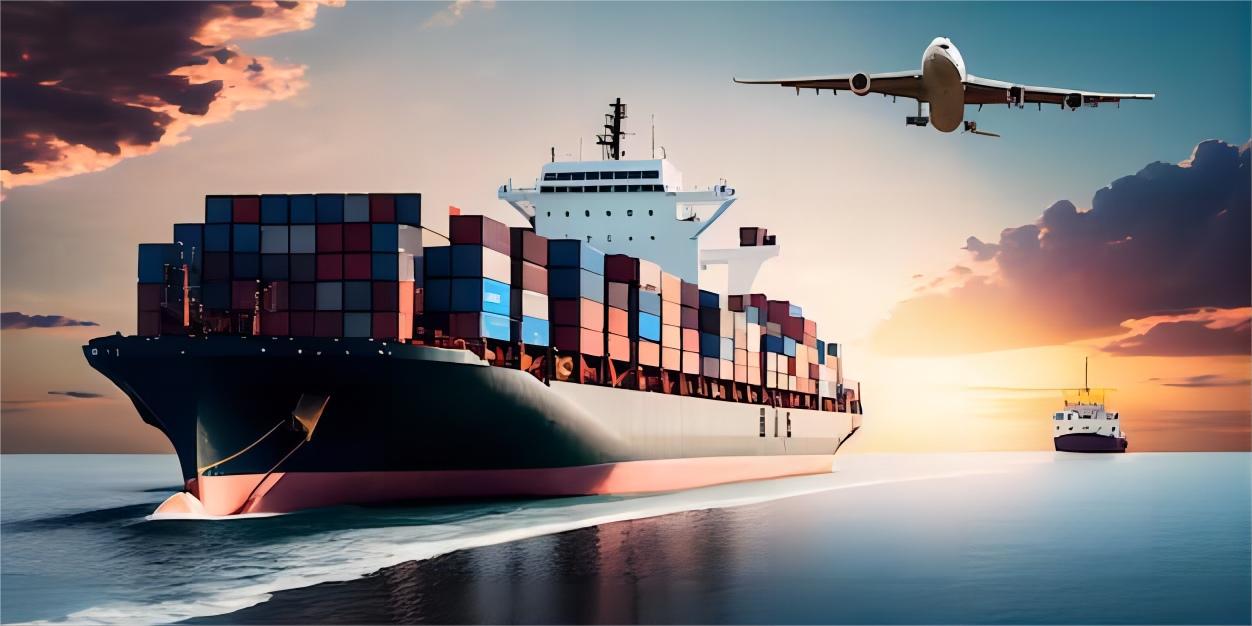
Navigating the Reefer FCL booking process for electronics from China to USA requires a high level of precision and technical expertise. Modern electronics often contain sensitive components that react poorly to extreme temperature fluctuations during long ocean voyages. By partnering with a professional freight forwarder like Top China Freight, you can ensure your high-value cargo remains protected throughout the entire supply chain journey.
Understanding the Reefer FCL booking process for electronics from China to USA
Specifically, the Reefer FCL booking process for electronics from China to USA involves more than just reserving space on a vessel. It requires a detailed coordination of temperature settings, humidity controls, and ventilation requirements specific to your hardware. Most shippers prefer sea freight because it offers a balance between cost-efficiency and large-volume capacity.

Furthermore, you must initiate the booking well in advance to secure equipment availability at major Chinese ports like Shanghai or Shenzhen. Carriers often prioritize reefer containers because they require specialized power sources on the ship. Consequently, late bookings might result in rolled cargo or higher seasonal premiums.
Undoubtedly, the technical specifications of your electronics dictate the container settings. You should provide the carrier with precise temperature set-points, usually ranging between 15 to 25 degrees Celsius for standard consumer electronics. Meanwhile, humidity control is equally vital to prevent condensation and corrosion on circuit boards.
Therefore, choosing the right logistics partner is the first step in a successful shipping strategy. A reliable agent will handle the technical communication with the carrier to ensure your settings are locked in before the container leaves the factory.
Why Electronics Require Temperature-Controlled FCL Shipping
In contrast to standard dry containers, reefer units provide a stable internal environment regardless of external weather conditions. While crossing the Pacific, containers face extreme heat in the sun and freezing temperatures at night. These fluctuations can cause micro-cracks in delicate solder joints or damage lithium batteries.
Moreover, high humidity levels in tropical shipping lanes can lead to moisture ingress within the packaging. This moisture often causes mold growth on cardboard boxes or oxidation on metallic connectors. By utilizing the Reefer FCL booking process for electronics from China to USA, you mitigate these risks effectively.
Additionally, the insulation in reefer containers provides an extra layer of physical protection for high-value goods. The robust construction of these units often deters theft and reduces the likelihood of physical impact damage during handling. As a result, insurance premiums for reefer shipments are sometimes more favorable due to the reduced risk of environmental damage.
Step-by-Step Reefer FCL booking process for electronics from China to USA
Initially, you must determine your shipping volume to decide if a 20-foot or 40-foot reefer container is necessary. Most electronics importers choose 40HQ reefer containers to maximize space and lower the per-unit shipping cost. Once the volume is confirmed, you should request a quote from a logistics provider specializing in North America routes.
Subsequently, the provider will check vessel schedules and equipment availability at the origin port. After you accept the quote, the booking note is issued, which contains the container release details and the cut-off times. It is crucial to monitor these dates closely to avoid expensive demurrage or detention fees.
Next, the empty reefer container is transported to the factory for loading. During this phase, the container must be pre-cooled to the required temperature before the electronics are packed inside. This step prevents the ‘hot-load’ scenario where the cooling unit struggles to bring down the cargo temperature after it is already sealed.
Finally, the loaded container is returned to the port terminal and plugged into a power source. The carrier then monitors the temperature logs until the vessel is ready for departure. To clarify, the Reefer FCL booking process for electronics from China to USA concludes only when the container is safely delivered to the final destination.
How Does Reefer FCL Compare to Other Shipping Options?
When evaluating your logistics strategy, you must weigh the benefits of reefer sea freight against air or rail alternatives. While air freight is significantly faster, it is often cost-prohibitive for large volumes of consumer electronics. In comparison, sea freight offers the best scalability for mass-market product launches.
However, some shippers might consider dry containers with thermal liners as a cheaper alternative. While this works for less sensitive items, it does not provide the active cooling required for high-end servers or medical electronics. The following table provides a detailed comparison of the primary shipping methods available for this route.
| Shipping Method | Cost Range | Transit Time | Best For | Limitations |
|---|---|---|---|---|
| Reefer FCL | $3,500 – $6,000 | 15 – 35 Days | High-value bulk electronics | Longer lead times |
| Air Freight | $15,000 – $25,000 | 3 – 7 Days | Urgent or small batches | Extremely high cost |
| Dry FCL | $2,500 – $4,500 | 15 – 35 Days | Non-sensitive hardware | No temperature control |
| LCL Shipping | $100 – $300/CBM | 20 – 40 Days | Small samples | Higher risk of damage |
Customs and Regulatory Compliance for North America
Navigating US Customs requires meticulous documentation to avoid delays at the Port of Long Beach or Savannah. You must ensure that your customs brokerage team has all the necessary commercial invoices and packing lists. Specifically, electronics shipments often require FCC certifications or UL listings to clear regulatory hurdles.
Moreover, the Importer Security Filing (ISF) must be submitted at least 24 hours before the vessel departs from China. Failure to comply with ISF regulations can result in heavy fines and mandatory cargo inspections. Consequently, your Reefer FCL booking process for electronics from China to USA should always include a pre-clearance strategy.
Additionally, keep in mind that reefer containers are subject to more frequent USDA or FDA inspections if they are used for dual-purpose goods. While electronics do not typically fall under these agencies, any residue from previous food shipments could trigger an exam. Therefore, always request ‘food-grade’ or ‘clean-room’ reefer units for your high-tech cargo.
Which Option Should You Choose for Electronics?
Choosing the right method depends on your specific business priorities and cargo requirements. If your primary goal is budget optimization and you are shipping large volumes, Reefer FCL is the most logical choice. However, if you are shipping a new prototype that needs to reach a trade show in three days, air freight is necessary.
For shipments that require a middle ground, consider a door to door service that combines sea freight with expedited trucking. This approach reduces the time spent at the port and ensures the electronics reach your warehouse faster. Below is a decision framework to help you select the best logistics path.
Decision Framework Criteria
Budget Priority: Choose Reefer FCL for the lowest cost per unit on large shipments. Expect to pay between $3,000 and $5,500 depending on the season.
Speed Priority: Choose Air Freight for delivery within a week. This is ideal for high-margin electronics with short shelf lives.
Cargo Sensitivity: If your electronics are prone to thermal shock, active Reefer FCL is mandatory. Do not risk dry containers for high-end components.
Volume Threshold: If your shipment is over 15 CBM, FCL is generally more economical than LCL or air freight.
Detailed Case Studies for Electronics Logistics
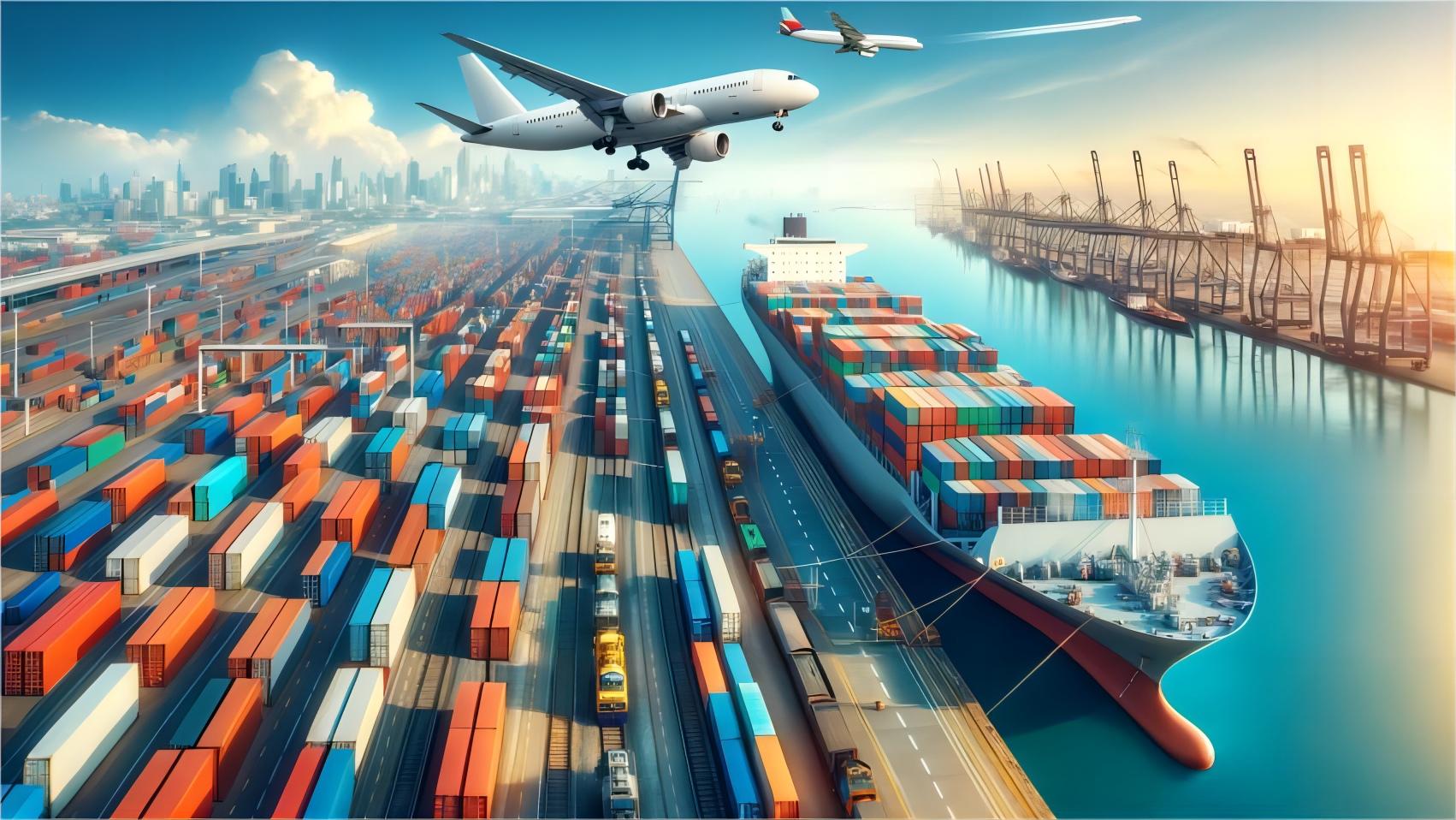
Reviewing real-world examples can provide valuable insights into the complexities of the Reefer FCL booking process for electronics from China to USA. These cases reflect actual market conditions as of late 2024 and early 2025. They highlight the importance of planning and carrier selection in the current logistics landscape.
Case Study 1: High-End GPU Distribution
Route: Shanghai, China to Los Angeles, USA. Cargo: Graphic Processing Units (GPUs), 65 CBM. Container: 40HQ Reefer. Shipping Details: Direct service via COSCO. Port of Loading: Shanghai. Port of Discharge: Long Beach. Cost Breakdown: Ocean Freight $4,200, Origin Charges $450, Destination Charges $600, Customs $1,200. Total Landed Cost: $6,450. Timeline: Booking to Loading 5 days, Sea Transit 16 days, Customs 2 days, Total 23 days. Key Insight: Pre-cooling the container to 18 degrees Celsius prevented condensation during the humid departure from Shanghai.
Case Study 2: Medical Imaging Equipment
Route: Shenzhen, China to Savannah, USA. Cargo: Precision Sensors and Imaging Parts, 25 CBM. Container: 20GP Reefer. Shipping Details: Transshipment via Busan via Maersk. Port of Loading: Shenzhen (Yantian). Port of Discharge: Savannah. Cost Breakdown: Ocean Freight $3,800, Origin Charges $400, Destination Charges $750, Customs $1,500. Total Landed Cost: $6,450. Timeline: Booking to Loading 7 days, Sea Transit 32 days, Customs 3 days, Total 42 days. Key Insight: Using a reefer container allowed the shipper to maintain a strict 22-degree environment, which was a warranty requirement for the medical components.
Current Market Trends and Freight Rates for 2025
As of Q1 2025, freight rates for reefer containers have stabilized after the volatility seen in previous years. However, the demand for temperature-controlled units remains high due to the growth of the global semiconductor industry. Rates from China to the US West Coast typically range from $3,500 to $4,800 for a 40HQ reefer.
Meanwhile, shipments to the East Coast command higher prices, often between $5,000 and $6,500, due to longer transit times and canal fees. It is important to note that these rates fluctuate based on fuel surcharges and carrier capacity. Therefore, always request a current quote to ensure your budget reflects the latest market data.
Specifically, the industry is seeing a trend toward ‘Smart Reefers’ equipped with IoT sensors. These devices allow shippers to track temperature and humidity in real-time via mobile apps. Integrating this technology into your Reefer FCL booking process for electronics from China to USA provides an extra layer of security and transparency.
Final Thoughts on Shipping Electronics via Reefer FCL
To summarize, the Reefer FCL booking process for electronics from China to USA is a specialized field that demands attention to detail. By controlling the internal environment of your container, you protect your investment from the harsh realities of ocean transport. This method remains the gold standard for high-value, temperature-sensitive hardware.
Indeed, the combination of cost-efficiency and environmental stability makes reefer shipping an unbeatable choice for many importers. As long as you follow the proper documentation and booking procedures, your electronics will arrive in perfect condition. Always prioritize experienced partners to manage the complexities of this vital logistics route.
Ready to streamline your logistics?
Ready to secure your electronics supply chain with a reliable Reefer FCL booking process for electronics from China to USA? Contact our expert team today to receive a customized quote and professional logistics consultation. Send Inquiry to Top China Freight for the best rates and service.
Request Quote