

40HQ FCL booking process for electronics from China to Miami
Navigating the 40HQ FCL booking process for electronics from China to Miami requires meticulous planning to ensure high-value cargo arrives safely. Partnering with a reliable logistics expert like Top China Freight allows businesses to streamline their supply chain and avoid common pitfalls. This comprehensive guide provides the essential steps and market intelligence needed for successful shipping from Chinese manufacturing hubs to the Port of Miami.
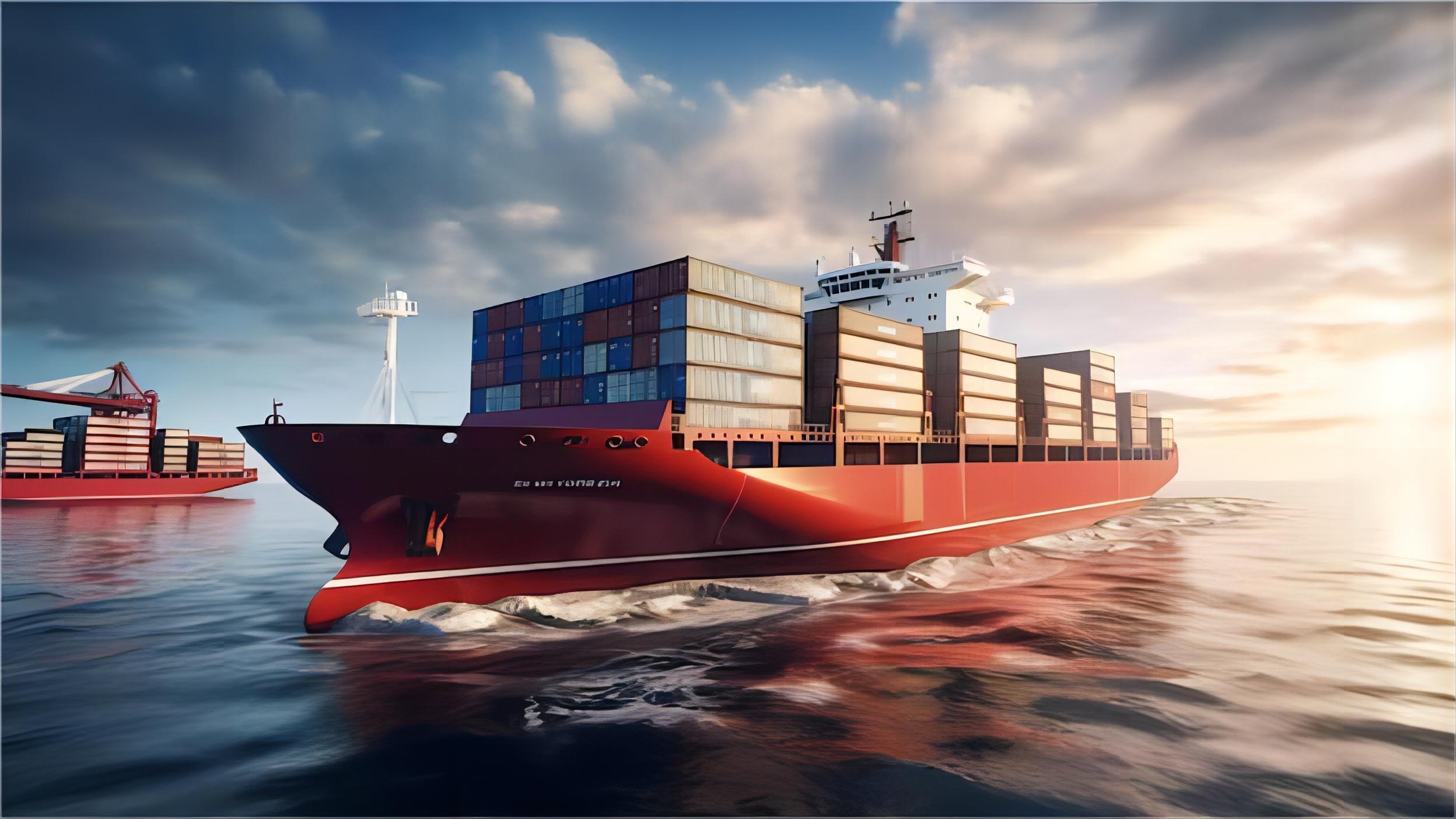
Why Choose 40HQ FCL for Shipping Electronics to Miami?
Selecting the right container size is a fundamental decision in the electronics supply chain. The 40HQ, or High Cube container, offers an extra foot of vertical space compared to standard units. This additional volume is crucial for lightweight but bulky electronic components and consumer goods.
Furthermore, utilizing a Full Container Load (FCL) ensures that your goods are not mixed with other shippers’ cargo. This exclusivity significantly reduces the risk of damage and contamination during transit. Consequently, FCL remains the preferred method for high-value electronics that require maximum security.
Moreover, choosing sea freight for large volumes provides a cost-effective alternative to air transport. While air is faster, the 40HQ FCL option offers a balance between capacity and budget. Indeed, many importers find this method ideal for maintaining consistent inventory levels in Florida.
The 40HQ FCL Booking Process for Electronics Step by Step
Initiating the booking process starts with a detailed inquiry to your freight forwarder. You must provide the exact cargo dimensions, weight, and pick-up location in China. Additionally, specify that the cargo includes electronics to ensure proper handling and compliance.
Once you receive a quote, you must confirm the booking to secure space on a vessel. The forwarder then coordinates with the shipping line to release an empty 40HQ container to the factory. Meanwhile, your supplier prepares the electronics according to export standards.
After the container is loaded and sealed, it is transported to the port of loading, such as Shenzhen or Ningbo. Professional customs brokerage services are then employed to handle the export declaration. This step is vital to avoid delays at the Chinese border.
Understanding Shipping Costs and Transit Times to Miami
Shipping costs for a 40HQ container from China to Miami vary based on the season and carrier capacity. As of early 2025, rates have seen fluctuations due to global fuel prices and port demand. Generally, the transit time to the US East Coast is longer than to the West Coast.
Typically, a vessel traveling from Shanghai to Miami takes between 30 and 40 days. This route often involves passing through the Panama Canal, which can impact the schedule. Therefore, businesses should plan their orders at least two months in advance.
In addition to ocean freight, importers must account for local charges and drayage. Port fees in Miami and trucking costs to the final warehouse add to the total landed cost. Consequently, understanding the full breakdown of expenses is essential for accurate budgeting.
| Route | Container Type | Estimated Cost | Transit Time |
|---|---|---|---|
| Shenzhen to Miami | 40HQ FCL | $4,500 – $6,000 | 32-38 Days |
| Ningbo to Miami | 40HQ FCL | $4,800 – $6,200 | 34-40 Days |
| Shanghai to Miami | 40HQ FCL | $4,700 – $6,100 | 30-35 Days |
| Guangzhou to Miami | 40HQ FCL | $4,600 – $5,900 | 35-42 Days |
How Does 40HQ FCL Compare to Other Shipping Options?
Evaluating different logistics strategies is necessary to optimize your electronics import business. While 40HQ FCL is the standard for high volume, other options may suit smaller shipments. For instance, Less than Container Load (LCL) is available for those who do not fill a whole unit.
However, LCL often involves more handling and a higher risk of physical damage. In contrast, Door to Door services provide a more integrated approach. This method simplifies the process by managing every leg of the journey from the factory to the Miami storefront.
Moreover, air freight serves as a critical alternative when speed is the primary concern. Although it costs significantly more, it reduces transit time from weeks to days. Businesses must weigh the urgency of their inventory needs against the higher transport expenses.
| Method | Cost Range | Transit Time | Best For |
|---|---|---|---|
| 40HQ FCL Sea | $4,500-$6,500 | 30-40 Days | High volume electronics |
| LCL Sea | $80-$150/CBM | 35-45 Days | Small batches/Samples |
| Air Freight | $5-$9/kg | 5-8 Days | Urgent/High-value items |
| Sea-Air Hybrid | Moderate | 15-22 Days | Balanced cost and speed |
Essential Documentation for Electronics Shipments
Compliance with international regulations is mandatory when shipping electronics from China to the USA. You must prepare a Commercial Invoice, a detailed Packing List, and the Bill of Lading. Furthermore, electronics often require specific certifications like FCC compliance for the US market.
Importers must also file the Importer Security Filing (ISF) at least 24 hours before the vessel departs China. Failure to complete this filing can lead to heavy fines and cargo holds upon arrival in Miami. Consequently, working with an experienced partner ensures all paperwork is accurate.
Additionally, lithium battery shipping regulations are particularly strict for electronic devices. You must provide a Material Safety Data Sheet (MSDS) and ensure proper labeling on the exterior of the 40HQ container. Without these documents, carriers may refuse to load the cargo for safety reasons.
Real Case Studies: Electronics to Miami
Case Study 1: High-Volume Smartphone Distribution. A distributor in Florida imported 40HQ containers of smartphones from Shenzhen. By utilizing North America focused logistics, they achieved a consistent 35-day transit time. The total landed cost per unit remained competitive despite seasonal rate hikes.
Case Study 2: Industrial LED Panel Shipment. A Miami-based construction firm required 40HQ FCL for fragile LED panels from Ningbo. They opted for marine insurance for high-value cargo to mitigate potential transit risks. As a result, the shipment arrived with zero damage, and customs clearance was completed in just two days.
Case Study 3: E-commerce Fulfillment via Miami. An electronics brand used 40HQ FCL to restock their regional warehouse. They integrated Amazon FBA prep services at the origin to speed up local distribution. This strategy allowed them to maintain high stock levels during the Q4 peak shopping season.
Customs Clearance and Delivery in Miami
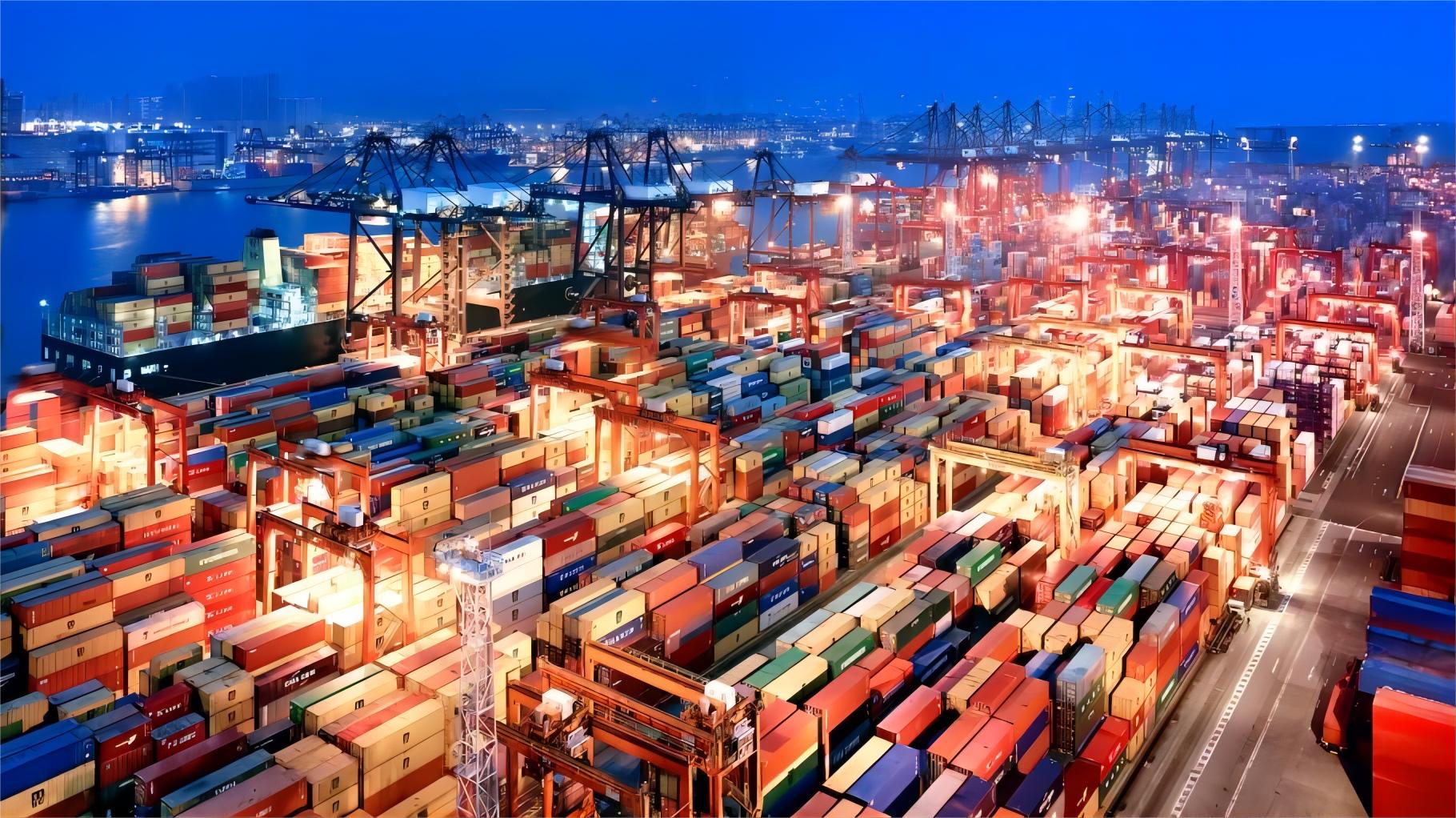
The Port of Miami is a major gateway for trade, but it can experience congestion during peak periods. Upon arrival, your customs broker submits the entry documents to US Customs and Border Protection. They verify the HTS codes and ensure all duties and taxes are paid promptly.
Once the cargo is cleared, the 40HQ container is moved to a container yard or directly to your warehouse. If your facility is not equipped to handle a full container, you might require a transloading service. This involves transferring the electronics into smaller trucks for local delivery.
Furthermore, maintaining communication with the drayage company is vital for a smooth final mile. Delays in picking up the container can result in demurrage and detention fees. Therefore, proactive scheduling is a key component of the 40HQ FCL booking process for electronics from China to Miami.
Which Shipping Option Should You Choose?
Deciding on the best shipping method depends on your specific business objectives and cargo volume. If your priority is the lowest possible cost per unit, 40HQ FCL is almost always the winner for electronics. However, this requires sufficient inventory to fill the 68 cubic meters of space.
On the other hand, if you are launching a new product and need it in Miami quickly, air freight is the better choice. For shipments between 15 and 20 CBM, you should compare the costs of a 20GP container versus LCL. Often, the security of a full container justifies the slightly higher price.
Ultimately, a hybrid strategy might work best for diverse product lines. You can ship your core inventory via 40HQ FCL while using air freight for urgent restocks. This balanced approach minimizes the risk of stockouts while keeping total logistics costs under control.
Final Thoughts on Shipping Electronics to Miami
Mastering the 40HQ FCL booking process for electronics from China to Miami is essential for any serious importer. By understanding the timeline, documentation, and cost factors, you can build a more resilient supply chain. Transitioning to a professional logistics partner will help you navigate the complexities of international trade with confidence.
Remember to stay updated on the latest transit times and customs regulations to avoid unexpected delays. With the right planning and execution, your electronics business can thrive in the competitive Florida market. Note: Freight rates are subject to change based on fuel costs, carrier capacity, and seasonal demand. Contact us for a current quote tailored to your specific shipment.
Ready to streamline your logistics?
Streamline your electronics imports today with a professional 40HQ FCL booking process for electronics from China to Miami. Contact our expert team at Top China Freight to receive a customized quote and ensure your high-value cargo arrives safely and on time. Visit our website to start your inquiry. Send Inquiry: info@Top China Freight.com
Request Quote