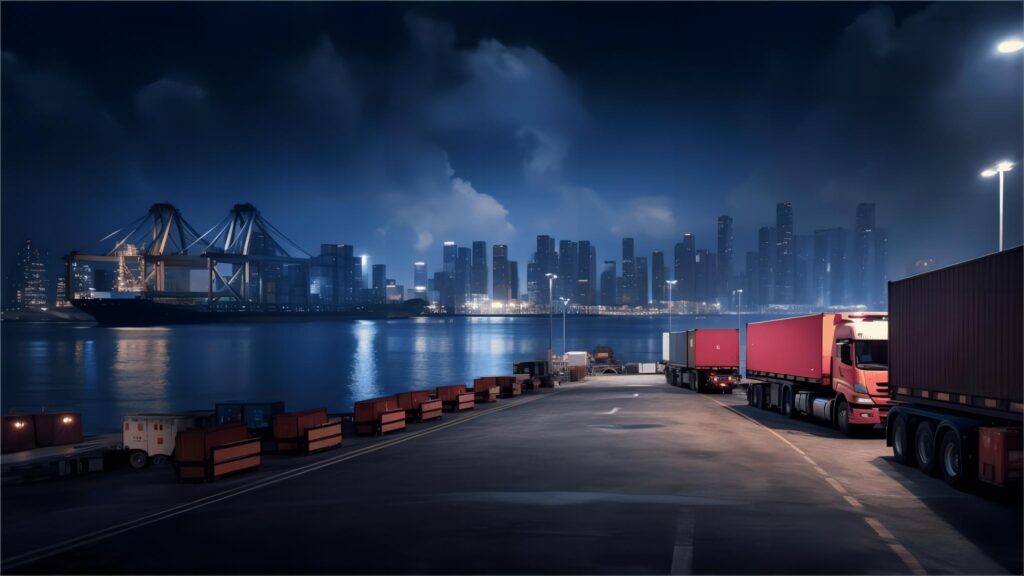
As a freight agent, Top China Freight is excited to introduce freight information for Costa Rica. Located in Central America, Costa Rica enjoys a strategic geographic position next to both the Atlantic and Pacific Oceans. Although it is a developing nation, Costa Rica’s economy has demonstrated consistent growth in recent years. This growth has led to increased market demand and the expansion of the freight industry.
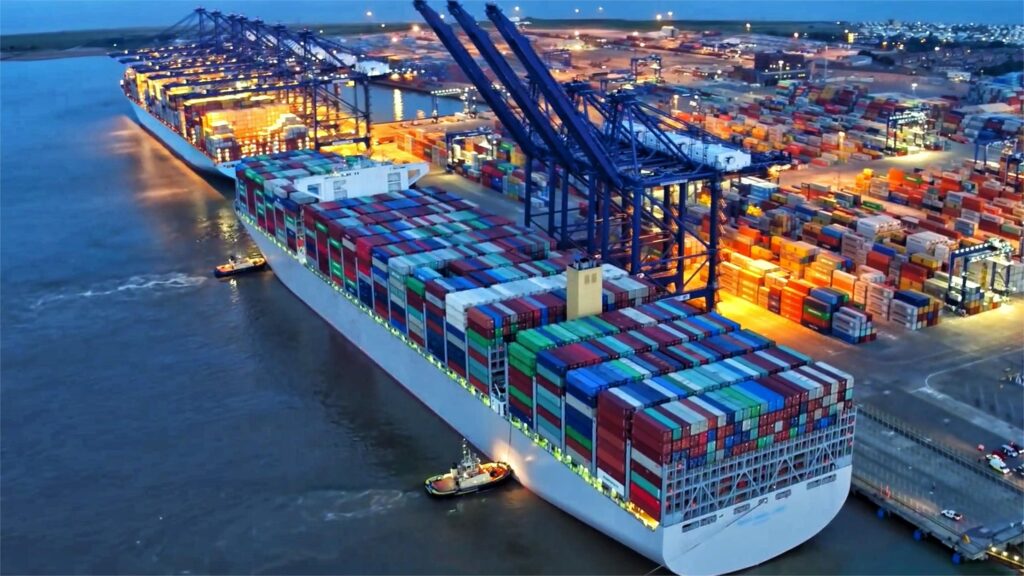
Key cities and ports include San Jose, Caldera Port, Limon Port, and Moín Port. San Jose serves as both the capital and a significant logistics hub. Caldera Port, located on the Pacific coast, ranks as one of Central America’s largest ports, facilitating trade between North and South America. Meanwhile, Limon Port and Moín Port, situated along the Caribbean coast, play crucial roles in the region’s import and export trade.
At Top China Freight, we leverage our extensive international freight experience and maintain strong partnerships with global airlines and shipping companies. We offer a variety of transportation options, including sea and air freight, tailored to meet the unique demands of the Costa Rican market. Our goal is to provide efficient and reliable freight services. We look forward to collaborating with clients to explore opportunities in Costa Rica and achieve mutual success.
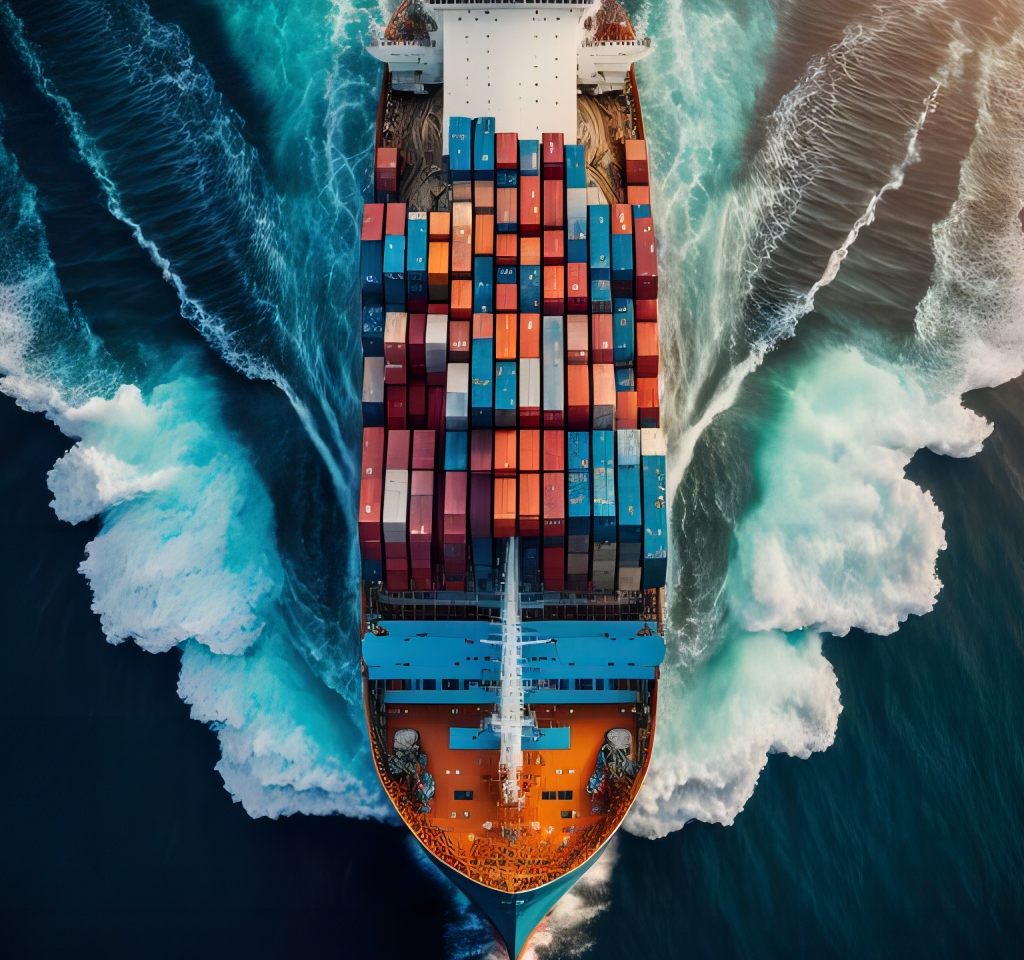
The transportation of goods by cargo ships across oceans, ideal for large volumes and heavy items.
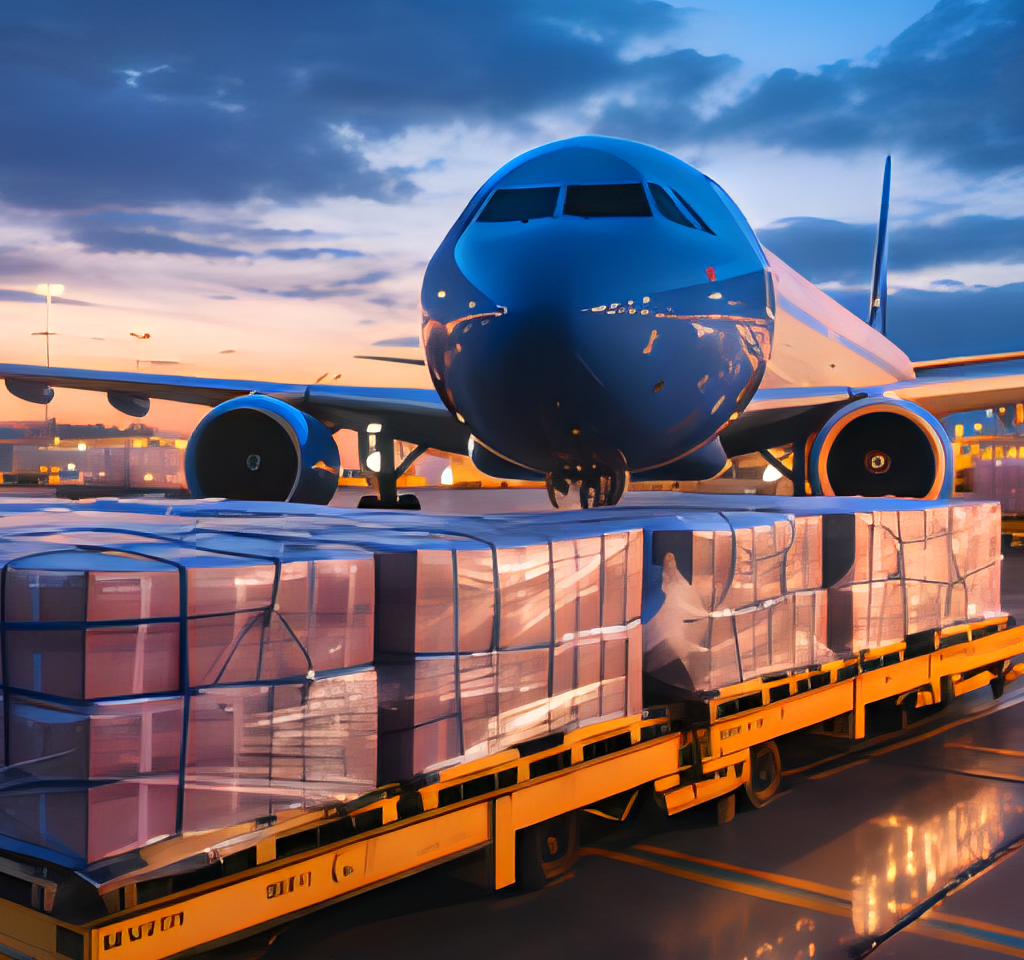
The shipment of goods via airplanes, offering fast delivery times for high-value or time-sensitive cargo.

This comprehensive solution streamlines the shipping process, ensuring efficient and hassle-free delivery.

The process of shipping goods that are loaded individually rather than in containers, typically used for oversized or irregularly shaped cargo.
Customs clearance in Costa Rica can be complex due to strict regulations and documentation requirements. To avoid delays, ensure all necessary documents (Commercial Invoice, Packing List, Certificate of Origin) are accurately prepared and submitted in advance. Visit TopChinaFreight for professional customs brokerage services to navigate Costa Rican import regulations efficiently.
Importers should calculate total lead time including:
Ocean transit (often via transshipment in major hubs)
Port discharge
Customs clearance
Container release
Inland delivery
While ocean schedules are relatively stable, clearance efficiency depends heavily on documentation accuracy and broker coordination.
Businesses relying on steady retail stock usually build buffer time into planning.
Importers generally pay:
Import duty (depending on HS code)
VAT (Impuesto al Valor Agregado)
Possible selective consumption taxes for certain goods
Taxes are calculated based on CIF value (Cost + Insurance + Freight).
Accurate HS classification is essential because duty rates vary significantly by product category.
Costa Rican customs operates within an electronic system and may review declared values.
If the invoice value appears inconsistent with market norms, customs may request supporting documentation such as payment proof or supplier agreements.
Importers who declare realistic commercial values typically experience smoother clearance.
Yes, depending on product type.
Additional approvals may be required for:
Food and beverages
Cosmetics
Medical devices
Agricultural products
Certain electronics
Importers should verify regulatory requirements before shipment departure to avoid delays upon arrival.
Experienced Costa Rican importers often prefer FOB because it allows:
Better freight cost control
Selection of trusted forwarders
Clear separation between product cost and freight
However, smaller businesses may choose CIF for simplicity when they lack logistics coordination experience.
The decision depends on cost control strategy and operational capacity.
Costa Rica uses a risk-based inspection channel system.
Shipments may be selected for inspection depending on:
Product category
Importer compliance history
Declared value
Random selection
Inspection adds handling costs and time, but consistent compliance reduces frequency over time.
Very important.
In Costa Rica, brokers manage:
Electronic customs declarations
Duty calculation
Coordination with regulatory authorities
Inspection scheduling
A proactive broker can significantly reduce clearance time and prevent documentation errors.
Costa Rica operates an open financial system.
Importers generally do not face strict foreign exchange controls, and USD payments to Chinese suppliers are common.
However, exchange rate fluctuations between USD and local currency still affect final profit margins.
Common risks include:
Incorrect HS classification
Missing permits for regulated goods
Underestimating total landed cost
Delays due to incomplete documentation
Seasonal port congestion
Most risks are manageable with proper preparation before shipment departure.
Costa Rica’s geography includes mountainous terrain and limited highway capacity in some areas.
Delivery from the port to inland cities such as San José requires coordination and can influence final logistics cost.
Importers serving rural or coastal areas should factor in longer inland transit times.
Cargo Insurance provides coverage for goods against loss, damage, or theft during transit, ensuring that the owner receives financial compensation in the event of unforeseen incidents.
Amazon FBA (Fulfillment by Amazon) is a service where sellers store their products in Amazon's warehouses, and Amazon handles the packing, shipping, and customer service.
Customs brokerage is a service that helps importers and exporters clear goods through customs.
Door to door service refers to the transportation of goods directly from the sender's location to the recipient's location, handled entirely by the carrier.
Express service provide fast, time-sensitive delivery of parcels and documents.
DDU term means the seller is responsible for delivering the goods to the buyer’s designated destination, but not for paying import duties and other import fees. The buyer is responsible for customs clearance and paying all applicable duties, taxes, and fees.
DDP term means the seller is responsible for delivering the goods to the buyer’s designated destination and for paying all import duties and other import fees. The buyer only needs to receive the goods, without bearing any additional expenses.
I had a great experience with Top China Freight. Their customer support was quick to respond (even during the Christmas and Holiday season) and provided confirmation shortly after I inquired about shipping items to the destination country. The shipment arrived faster than expected and in great condition.
I signed up with Top China Freight years ago ( in the early days I believe) and have been a regular customer with the Germany, UK and US warehouse facilities. I have had many irregular and demanding situations over the years and I can honestly say that Top China Freight has consistently delivered valuable service at a reasonable cost and I am truly grateful. Sometimes they even went out of their way to suggest a better solution for my situation. I rarely leave reviews but have been so impressed over the years of service that I feel compelled to leave this review. Thank you to all the staff at Top China Freight!