As the freight agent for Top China Freight, we are excited to introduce the freight information of Colombia. Located in South America, Colombia benefits from a favorable geographical position, bordering both the Atlantic and Pacific Oceans. Although it is a developing country, Colombia’s economy has rapidly grown in recent years. This growth has spurred increasing market demand and a flourishing freight industry.
Key cities and ports, such as Bogotá, Buenaventura, and Cartagena, play essential roles in the country’s logistics. Bogotá Port serves as a crucial logistics hub that connects South and North America. Buenaventura Port stands out as a significant maritime transportation center on the west coast, while Cartagena Port addresses trade and shipping needs in the Caribbean Sea.
At Top China Freight, we leverage our extensive international freight experience and a professional team to provide exceptional service. We maintain solid partnerships with global airlines and shipping companies, offering diverse transportation options, including sea and air freight. Our tailor-made freight solutions ensure the safe and prompt delivery of goods.
We look forward to collaborating with you to explore the Colombian market and achieve mutual success.
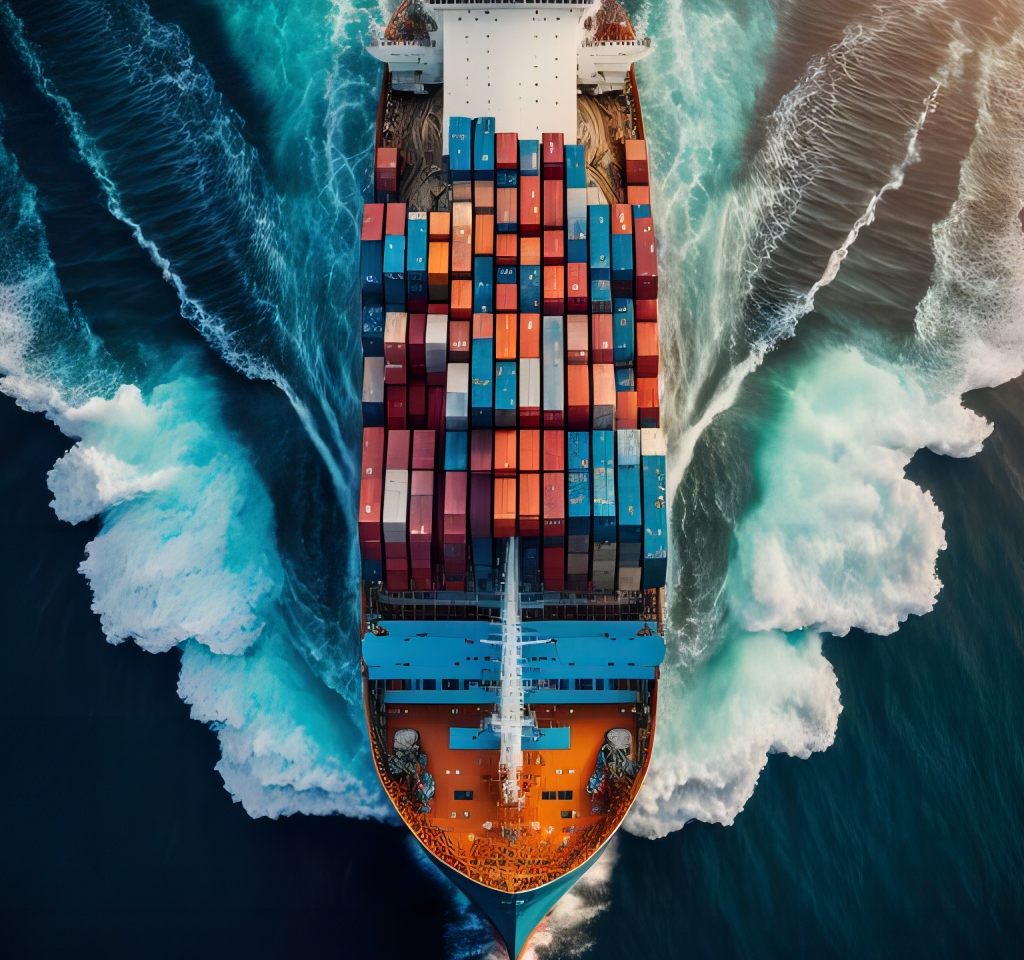
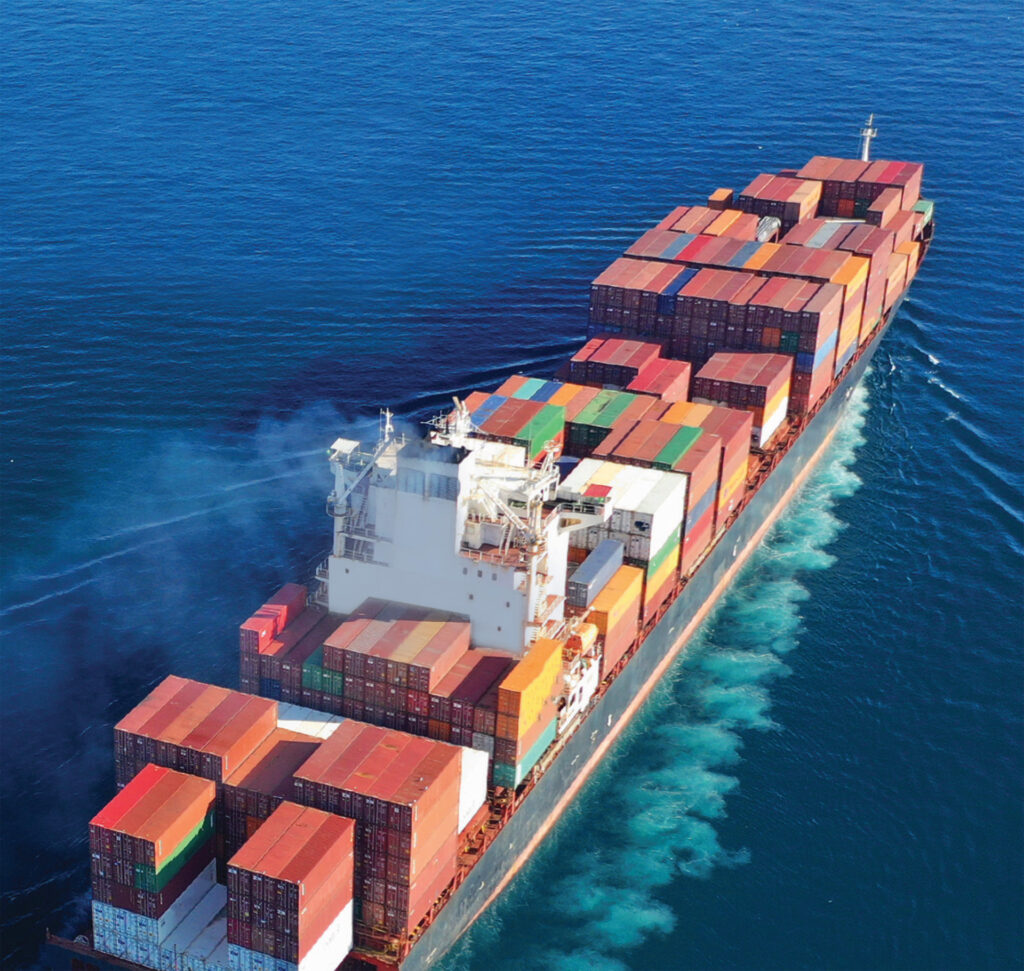
The transportation of goods by cargo ships across oceans, ideal for large volumes and heavy items.
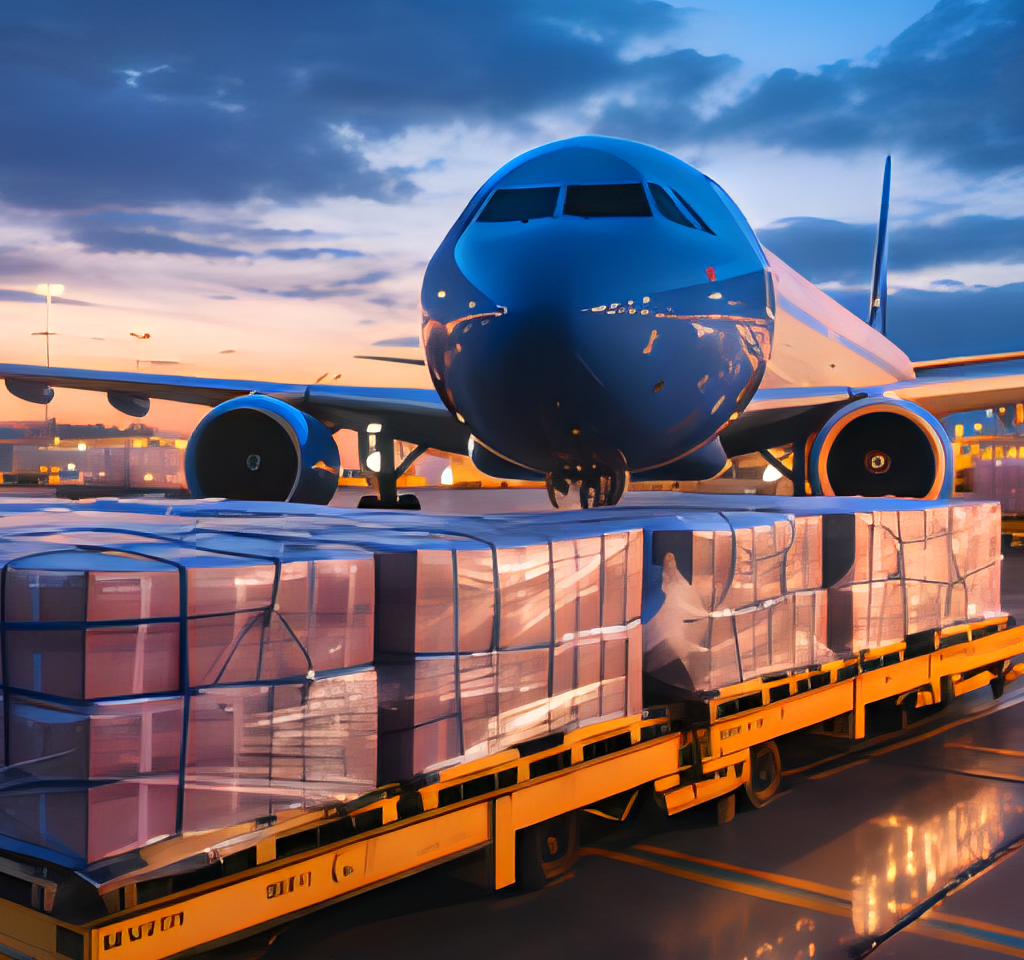
The shipment of goods via airplanes, offering fast delivery times for high-value or time-sensitive cargo.
This comprehensive solution streamlines the shipping process, ensuring efficient and hassle-free delivery.
The process of shipping goods that are loaded individually rather than in containers, typically used for oversized or irregularly shaped cargo.
Transit time depends on the shipping route, port congestion, transshipment schedules, and inland delivery distance.
For example, cargo arriving on the Pacific coast may still need several days of inland trucking to reach Bogotá or Medellín.
Delays usually happen due to:
Vessel schedule changes
Port congestion
Customs inspection assignment
Missing or inconsistent documentation
Understanding total door-to-door timing is more important than just knowing the ocean transit days.
The freight cost is only part of the total landed cost.
Importers in Colombia should calculate:
Ocean freight
Origin charges (if buying FOB)
Import duties
VAT
Customs broker fees
Port handling charges
Inland trucking
Possible inspection fees
Sometimes inland transport and taxes together exceed the ocean freight cost. A full landed cost calculation avoids unpleasant surprises.
Before shipment departs, importers should ensure:
Correct commercial invoice details
Accurate HS code classification
Valid import registration (if required for product type)
Proper company tax status
If documents are incorrect before sailing, fixing them after arrival can cause port storage costs and clearance delays.
Preparation before departure reduces risk significantly.
Customs calculates taxes based on CIF value (Cost + Insurance + Freight).
If declared value appears inconsistent with reference pricing databases, customs may reassess it.
This can increase duty and VAT payable.
Importers should ensure that declared value reflects real commercial terms to avoid reassessment risk.
Colombia uses a risk-based channel system.
If your shipment is assigned to physical inspection:
The container will be opened
Inspection fees will apply
Clearance may take additional days
Inspection does not automatically mean there is a problem — but it increases cost and time.
Maintaining consistent compliance history helps reduce inspection frequency over time.
Many Colombian importers prefer FOB terms because:
They can control freight cost
They choose their own forwarder
They maintain transparency over freight value used in tax calculation
However, smaller importers sometimes choose CIF to simplify coordination.
The choice depends on your experience level and cost control preference.
Colombian customs monitors declared values closely.
If a shipment is declared significantly below expected market value, customs may:
Adjust the value
Request supporting documents
Impose penalties
The financial and reputational risk often outweighs the short-term tax savings.
Long-term importers usually prioritize compliance over aggressive tax reduction.
Colombia’s geography means that many shipments must travel through mountainous terrain after arriving at port.
Weather conditions, road closures, and traffic restrictions can affect inland transit time.
For businesses depending on precise inventory timing, inland transport planning is critical.
Depending on product category, additional requirements may apply:
Electrical goods may require conformity certifications
Food or cosmetics may require sanitary registration
Certain chemicals may require special permits
Importers should verify regulatory requirements before placing large orders.
The most common mistake is focusing only on supplier price and ignoring total import cost and regulatory compliance.
Many new importers underestimate:
Taxes
Clearance complexity
Documentation precision
Delivery timeline variability
Successful importers think in terms of total supply chain management, not just factory price.
Cargo Insurance provides coverage for goods against loss, damage, or theft during transit, ensuring that the owner receives financial compensation in the event of unforeseen incidents.
Amazon FBA (Fulfillment by Amazon) is a service where sellers store their products in Amazon's warehouses, and Amazon handles the packing, shipping, and customer service.
Customs brokerage is a service that helps importers and exporters clear goods through customs.
Door to door service refers to the transportation of goods directly from the sender's location to the recipient's location, handled entirely by the carrier.
Express service provide fast, time-sensitive delivery of parcels and documents.
DDU term means the seller is responsible for delivering the goods to the buyer’s designated destination, but not for paying import duties and other import fees. The buyer is responsible for customs clearance and paying all applicable duties, taxes, and fees.
DDP term means the seller is responsible for delivering the goods to the buyer’s designated destination and for paying all import duties and other import fees. The buyer only needs to receive the goods, without bearing any additional expenses.