

Open Top FCL Space Availability for Textiles from China to Ireland
Securing consistent Open Top FCL space availability for textiles from China to Ireland is a primary concern for manufacturers and distributors managing oversized machinery or high-volume fabric rolls. At Top China Freight, we specialize in navigating the complexities of specialized equipment procurement and maritime scheduling. Consequently, this guide provides the necessary market intelligence to optimize your textile supply chain and ensure timely delivery to Irish ports.
What Drives Open Top FCL Space Availability for Textiles from China to Ireland?
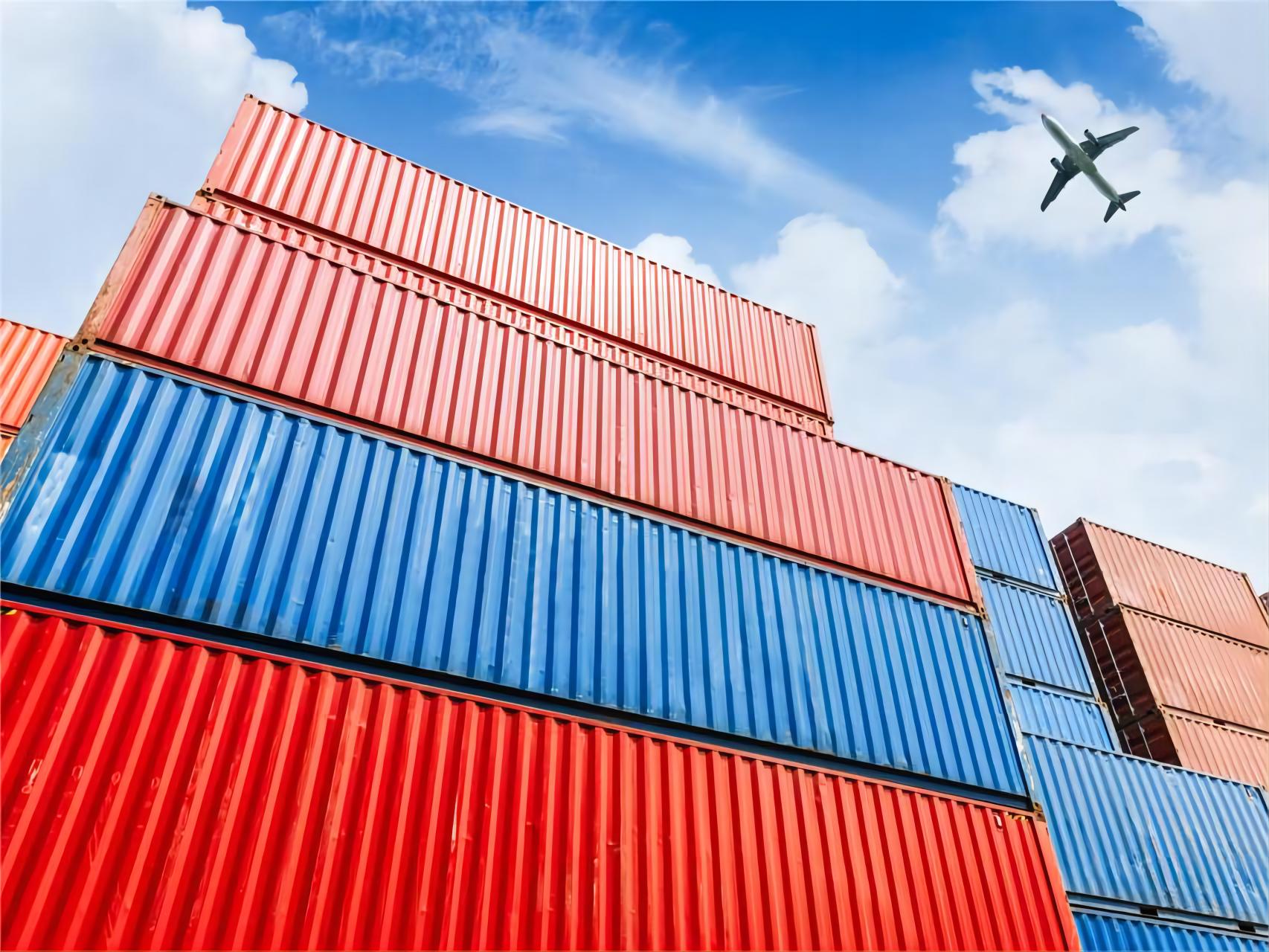
Current market conditions heavily influence the availability of specialized equipment like open top containers. Because these units are less common than standard dry vans, shippers often face competition during peak textile production seasons. Furthermore, the specific requirements of textile machinery often necessitate top-loading capabilities that only these containers provide.
Logistics trends in 2025 suggest that while standard container supply has stabilized, specialized equipment remains tight. Therefore, booking your space at least four to six weeks in advance is highly recommended to avoid delays. Meanwhile, carriers are prioritizing routes with higher yields, which can occasionally impact the frequency of direct sailings to Dublin or Cork.
When you choose sea freight for your textile shipments, you must account for seasonal fluctuations. For example, the period leading up to the Lunar New Year often sees a significant surge in demand. Consequently, space availability drops sharply, and freight rates for open top units can increase by 20 percent or more.
How Does Open Top FCL Compare to Other Shipping Options?
Choosing the right shipping method depends on your budget, cargo dimensions, and urgency. While open top containers are ideal for oversized textile equipment, they are not the only solution available for Irish importers. Indeed, understanding the trade-offs between different modes is essential for cost-effective logistics management.
For instance, if your textile cargo is not oversized but merely high-volume, a standard 40HQ container might be more economical. On the other hand, if speed is the priority, alternative routes or modes should be considered. Below is a comprehensive comparison of the most viable shipping methods for the China-to-Ireland route.
| Shipping Method | Cost Range (USD) | Transit Time | Best For | Limitations |
|---|---|---|---|---|
| Open Top FCL | $4,000 – $5,800 | 32-45 Days | Oversized machinery | Higher equipment surcharges |
| Standard 40HQ | $3,000 – $4,200 | 30-40 Days | Bulk fabric rolls | Standard door dimensions only |
| Air Freight | $12,000 – $20,000 | 5-9 Days | Urgent samples | Extremely high cost for volume |
| Flat Rack | $5,500 – $7,500 | 35-50 Days | Extra-wide looms | Highest cost and risk |
Strategic Approaches to Secure Open Top FCL Space
Implementing a proactive booking strategy is the most effective way to manage limited equipment availability. Shippers should maintain close communication with their freight forwarders to monitor real-time vessel schedules. Additionally, utilizing door to door services can simplify the transition from the factory in China to the final warehouse in Ireland.
Another effective strategy involves diversifying your departure ports. While Shanghai and Ningbo are the primary hubs for textile exports, smaller ports might occasionally offer better equipment availability. Nevertheless, you must weigh the potential for longer feeder transit times against the benefit of securing an open top unit more quickly.
Moreover, consider the benefits of flexible scheduling. If your production timeline allows for a one-week buffer, you can often take advantage of lower-cost slots on secondary carriers. This flexibility is particularly useful during the Q3 peak season when Open Top FCL space availability for textiles from China to Ireland becomes most restricted.
Case Study 1: Shipping Textile Looms from Shanghai to Dublin
Route: Shanghai, China to Dublin, Ireland. Cargo: Industrial Textile Looms, 28 CBM, 12,000 kg. Container: 40ft Open Top. Shipping Details: Major carrier via transshipment in Rotterdam. Port of Loading: Shanghai. Port of Discharge: Dublin. Route Type: Transshipment.
Cost Breakdown: Ocean Freight: $5,200. Origin Charges: $450. Destination Charges: $600. Customs and Duties: $1,200. Total Landed Cost: $7,450. Timeline: Booking to Loading: 10 days. Sea Transit: 35 days. Customs Clearance: 2 days. Total Door-to-Door: 47 days.
Key Insight: Success was achieved by booking 5 weeks in advance. Despite a minor delay in Rotterdam, the use of a specialized open top container allowed for safe top-loading of the sensitive machinery, preventing damage that might have occurred in a standard unit.

Case Study 2: High-Volume Industrial Fabric from Shenzhen to Cork
Route: Shenzhen, China to Cork, Ireland. Cargo: Industrial Grade Fabric Rolls, 22 CBM, 8,500 kg. Container: 20ft Open Top. Shipping Details: Direct service to European hub, then feeder. Port of Loading: Yantian. Port of Discharge: Cork.
Cost Breakdown: Ocean Freight: $3,800. Origin Charges: $380. Destination Charges: $550. Customs and Duties: $900. Total Landed Cost: $5,630. Timeline: Booking to Loading: 7 days. Sea Transit: 38 days. Customs Clearance: 3 days. Total Door-to-Door: 48 days.
Key Insight: The shipper utilized a 20ft open top container because the fabric rolls were too tall for a standard 20GP. By selecting a carrier with a strong presence in South China, they secured space during a period of high demand in late 2024.
Managing Customs and Documentation for Irish Textile Imports
Navigating the regulatory landscape is just as important as securing the physical container. Irish customs authorities require precise documentation, including commercial invoices, packing lists, and certificates of origin. Therefore, engaging a professional customs brokerage service is essential to avoid costly port storage fees.
Furthermore, textiles are often subject to specific trade regulations and duty rates based on their material composition. For instance, synthetic fibers may have different tariff codes than natural cotton. Consequently, ensuring that your HS codes are accurate before the cargo leaves China will prevent significant delays upon arrival in Dublin or Cork.
As of early 2025, Irish import procedures have become increasingly digitalized. Shippers must ensure their EORI numbers are active and that all electronic declarations are submitted well in advance of the vessel arrival. Without a doubt, proper documentation is the foundation of a smooth textile supply chain.
Alternative Strategies and Hybrid Logistics Solutions
When Open Top FCL space availability for textiles from China to Ireland is non-existent, shippers must consider alternative strategies. One such option is a sea-air hybrid solution, where goods are shipped by sea to a hub like Dubai and then flown to Ireland. Although this is more expensive than pure sea freight, it is significantly faster and bypasses container shortages.
Alternatively, if your cargo is extremely urgent, air freight remains the fastest option. While it is rarely used for bulk textiles due to cost, it is invaluable for high-value machinery parts or urgent production samples. In contrast, rail freight from China to Europe is a viable alternative for inland destinations, though it currently requires trucking from European rail hubs to Irish ports.
Note: Freight rates are subject to change based on fuel costs, carrier capacity, and seasonal demand. Contact us for a current quote tailored to your specific shipment.
Which Option Should You Choose?
If your priority is budget and the cargo is oversized, Open Top FCL is your best choice, provided you book early. However, if your cargo fits in a standard container, always opt for a 40HQ to save on specialized equipment surcharges. For those with strict deadlines, air freight or a sea-air combination should be evaluated.
Volume thresholds also play a role; for shipments under 15 CBM, you might consider LCL (Less than Container Load) if the items are not oversized. Ultimately, the decision should be based on a balance of transit time requirements, cargo safety, and total landed cost.
Optimizing Your Textile Logistics from China to Ireland
Successfully managing Open Top FCL space availability for textiles from China to Ireland requires a combination of early planning, strategic port selection, and expert documentation management. By understanding the factors that influence equipment supply and freight rates, importers can significantly reduce their supply chain risks.
To summarize, while the market for specialized containers can be volatile, working with an experienced freight forwarder ensures that your textile cargo reaches its destination safely and efficiently. Always stay informed about current logistics trends to maintain a competitive edge in the Irish textile market.
Ready to streamline your logistics?
Are you struggling to find Open Top FCL space availability for textiles from China to Ireland for your next shipment? Contact our expert logistics team today to receive a customized quote and secure your container space before the peak season begins. Visit our inquiry page to get started: See: https://Top China Freight.net/
Request Quote