

40HQ FCL Booking Process for Textiles from China to France: A Complete Guide
Navigating the 40HQ FCL booking process for textiles from China to France requires a strategic approach to ensure your fashion supply chain remains resilient and cost-effective. When you choose to work with a professional logistics provider like Top China Freight, you streamline every step from the factory floor to the French warehouse. This comprehensive guide details the essential steps, costs, and documentation needed to successfully transport high-volume textile shipments across the globe. Understanding the nuances of container shipping allows importers to avoid common pitfalls and optimize their delivery schedules for the European market.
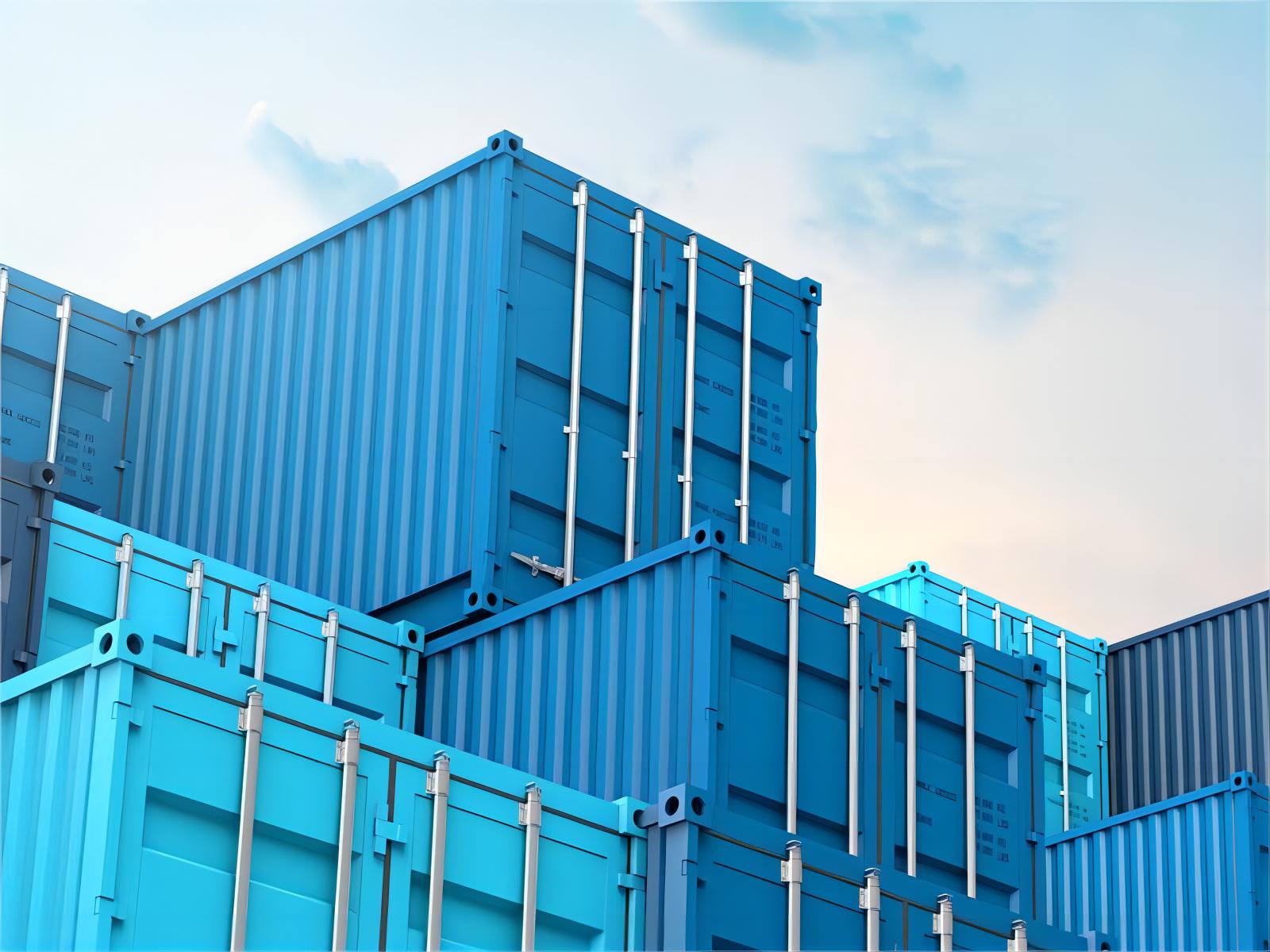
Understanding the 40HQ FCL Booking Process for Textiles from China to France
Initiating the 40HQ FCL booking process for textiles from China to France starts with a clear understanding of your cargo volume and weight. Textiles are typically high-volume but relatively lightweight, making the 40-foot High Cube (40HQ) container the most efficient choice for maximizing space. Consequently, importers can fit significantly more rolls of fabric or finished garments compared to a standard 40GP container.
Moreover, the booking process involves coordinating with suppliers in manufacturing hubs like Zhejiang or Guangdong to ensure cargo readiness. You must provide accurate dimensions and weight to your freight forwarder to secure the appropriate vessel space. Therefore, early communication with your logistics partner is vital for maintaining your production timeline.
Additionally, choosing sea freight for these large shipments offers the best balance between cost and capacity. This method remains the backbone of the global textile trade, especially for seasonal collections that require bulk transport. Indeed, a well-managed booking ensures your goods arrive at French ports like Le Havre or Marseille exactly when needed.
Why the 40HQ Container is Ideal for Textile Logistics
Selecting a 40HQ container provides an extra foot of vertical space compared to standard units, which is crucial for stacked textile rolls. This increased volume allows for better airflow and reduces the risk of crushing delicate fabrics during the long journey. Furthermore, the Full Container Load (FCL) model ensures that your goods are not mixed with other shippers’ cargo, minimizing handling risks.
Specifically, textile shipping costs from China to France are often calculated based on the container unit rather than weight, providing a predictable pricing model for high-volume orders. In addition, using a dedicated container simplifies the loading and unloading process at both ends of the supply chain. Accordingly, many fashion brands prefer this method for its security and efficiency.
How Does 40HQ FCL Compare to Other Shipping Options?
Evaluating different transport modes is essential for optimizing your budget and speed requirements. While 40HQ FCL is the standard for bulk, other options like LCL or air freight might suit smaller or more urgent shipments. However, for a full-scale textile inventory, the cost per unit in a 40HQ container is unbeatable.
On the other hand, air freight offers rapid delivery but at a significantly higher price point, making it suitable only for high-value samples or emergency restocks. Meanwhile, rail freight provides a middle ground in terms of both cost and speed for shipments destined for inland France. Nevertheless, sea freight remains the most environmentally friendly and economical choice for the majority of textile imports.
| Shipping Method | Cost Range (40HQ) | Transit Time | Best For |
|---|---|---|---|
| Sea Freight (FCL) | $3,000 – $4,500 | 30-40 Days | Bulk textile orders |
| Rail Freight | $5,500 – $7,500 | 18-22 Days | Mid-range urgency |
| Air Freight | $15,000+ | 5-8 Days | Samples and high-value fashion |
| Sea Freight (LCL) | $80 – $150 per CBM | 35-45 Days | Small fabric batches |

Step-by-Step Guide to the Booking Journey
First, you must request a quote based on your specific cargo details and preferred shipping dates. Once you accept the quote, your forwarder will initiate the booking with the carrier to secure a spot on the vessel. Consequently, you will receive a Booking Confirmation (S/O) which allows the supplier to arrange for container pickup.
Second, the supplier loads the textiles at the factory or warehouse, ensuring the 40HQ container is packed securely to prevent shifting. Following this, the container is sealed and transported to the port of loading, such as Shanghai or Ningbo. Meanwhile, the necessary export documentation is prepared to clear Chinese customs.
Third, after the vessel departs, you will receive a Bill of Lading, which serves as the title to the goods. It is important to track the vessel’s progress to prepare for its arrival in France. To summarize, a successful booking requires constant communication between the buyer, seller, and logistics provider.
Essential Documentation for Textile Imports to France
Managing the paperwork correctly is the most critical part of the 40HQ FCL booking process for textiles from China to France. You must provide a Commercial Invoice, a Detailed Packing List, and a Certificate of Origin to comply with EU regulations. Furthermore, textiles often require specific labeling and compliance certificates to meet French safety standards.
Additionally, utilizing customs brokerage services can significantly reduce the risk of delays at the border. These experts ensure that your HS codes are accurate, which determines the amount of duty and VAT you must pay. Indeed, incorrect documentation can lead to costly storage fees at the port of discharge.
| Document Name | Responsibility | Purpose | Timing |
|---|---|---|---|
| Bill of Lading | Carrier/Forwarder | Title of goods | After Departure |
| Commercial Invoice | Supplier | Customs valuation | Before Loading |
| Packing List | Supplier | Cargo verification | Before Loading |
| Certificate of Origin | Supplier | Duty determination | Before Arrival |
Transit Times and Major Shipping Routes to France
Shipping from China to France typically involves routes through the Suez Canal, reaching major ports such as Le Havre, Marseille, or Dunkirk. The sea transit time generally ranges from 30 to 40 days, depending on the specific port of loading and the carrier’s schedule. For instance, shipments from Shenzhen to Marseille are often slightly faster than those from Qingdao to Le Havre.
Moreover, it is vital to account for potential port congestion or seasonal weather disruptions that can impact delivery schedules. By choosing a route with shipping to Europe experts, you can select the most reliable carriers for your specific needs. Consequently, you can better manage your inventory and meet the demands of the French retail market.
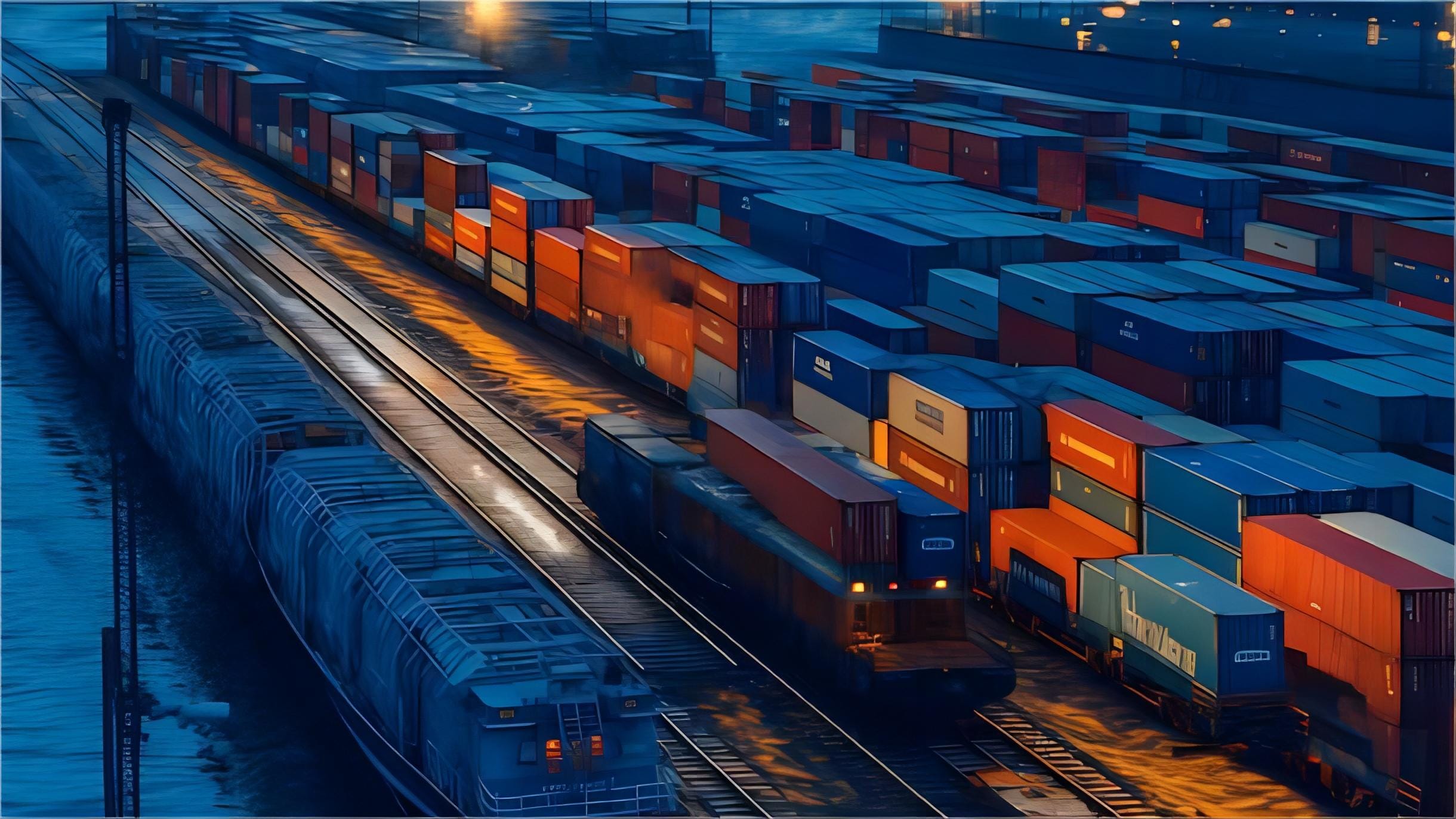
Real-World Case Studies: Textile Logistics Success
Case Study 1: A Lyon-based fashion retailer imported 40HQ of finished garments from Ningbo to Le Havre. By using a direct sea route, they achieved a transit time of 32 days with a total landed cost of $4,200 excluding duties. This allowed them to launch their autumn collection on time despite global supply chain fluctuations.
Case Study 2: A textile manufacturer in Guangzhou shipped bulk fabric rolls to a factory in Northern France using door to door service. The shipment faced a 3-day delay at customs due to an HS code query, but the forwarder’s local team resolved it quickly. Ultimately, the goods arrived in 38 days, maintaining the production schedule.
Case Study 3: During the Q4 peak season, a brand utilized a 40HQ container for high-end silk from Shanghai. Despite a 20% increase in freight rates, the total cost remained more economical than air freight. The shipment arrived at the Port of Marseille in 35 days, ready for immediate distribution across the EU.
Cost Factors and Freight Rate Trends for 2025
Freight rates for a 40HQ container are influenced by several factors, including fuel surcharges, seasonal demand, and carrier capacity. As of early 2025, market data suggests that rates have stabilized, though they remain sensitive to geopolitical events. For example, avoiding peak seasons like the weeks leading up to Chinese New Year can save you up to 15% on shipping costs.
Furthermore, you should consider the impact of local charges at both the origin and destination ports, such as terminal handling fees and documentation costs. Without a doubt, requesting a comprehensive quote that includes all these variables is the best way to avoid hidden expenses. Note: Freight rates are subject to change based on fuel costs, carrier capacity, and seasonal demand. Contact us for a current quote tailored to your specific shipment.
Final Thoughts on Textile Shipping to France
Successfully managing the 40HQ FCL booking process for textiles from China to France is a cornerstone of a profitable fashion business. By understanding the container options, documentation requirements, and transit times, you can make informed decisions that benefit your bottom line. Moreover, working with an experienced freight forwarder provides the local expertise needed to navigate complex customs regulations in both countries.
To summarize, while the logistics landscape can be challenging, the right strategy ensures your textile shipments arrive safely and on time. Always prioritize clear communication with your suppliers and logistics partners to maintain a smooth flow of goods. With the right planning, your 40HQ FCL shipments will continue to drive your success in the competitive French market.

Ready to streamline your logistics?
Streamline your textile supply chain today by partnering with the experts in China-France logistics. Whether you are shipping bulk fabrics or finished apparel, our team ensures a seamless 40HQ FCL booking process for textiles from China to France. Visit Top China Freight to request your personalized quote and experience reliable, cost-effective shipping solutions. Send Inquiry for the latest rates and transit times.
Request Quote