

Flat Rack FCL Transit Time for Electronics from China to Chicago
Transporting specialized tech equipment requires a deep understanding of logistics schedules and container types. Calculating the Flat Rack FCL transit time for electronics from China to Chicago is the first step toward a successful international delivery. Many importers struggle with the complexity of oversized cargo, but choosing the right freight partner simplifies the entire process. This article provides a comprehensive breakdown of timelines, costs, and strategic alternatives for your supply chain.

What Factors Impact the Flat Rack FCL Transit Time for Electronics from China to Chicago?
Several variables influence how quickly your electronics move from Chinese manufacturing hubs to the American Midwest. Port congestion in Shanghai or Ningbo often creates initial delays that ripple through the entire schedule. Furthermore, seasonal weather patterns across the Pacific Ocean can force vessels to take longer routes for safety. Consequently, shippers must account for these external factors when planning their inventory arrivals.
Customs processing speed also plays a critical role in the total duration of the shipment. If your documentation is incomplete, the cargo may sit at the port of discharge for several extra days. Additionally, the availability of intermodal rail connections from the West Coast to Chicago fluctuates based on carrier capacity. Therefore, maintaining clear communication with your logistics provider ensures you stay informed about potential bottlenecks.
How Long Does Flat Rack FCL Shipping Take to Reach Chicago?
The total transit time for a flat rack container from China to Chicago generally ranges between 25 and 40 days. This timeline includes the ocean voyage to a major US gateway and the subsequent rail transit to the Chicago terminal. For instance, a direct vessel from Shenzhen to Long Beach typically takes 14 to 18 days on the water. Afterward, the container must be transferred to a train, which adds another 7 to 10 days of travel time.
Moreover, you must consider the time required for loading and port handling at both ends of the journey. Origin port activities usually take 3 to 5 days, while destination drayage and rail loading require similar amounts of time. As a result, the door-to-door timeline is often longer than the port-to-port estimate provided by carriers. Indeed, planning for a 35-day window is a safe strategy for most electronics importers.
| Phase of Transit | Average Duration | Key Activities | Potential Delays |
|---|---|---|---|
| Origin Handling | 3-5 Days | Loading and Export Clearance | Port Congestion |
| Ocean Voyage | 14-22 Days | Sailing to US West Coast | Weather Conditions |
| Rail Intermodal | 7-12 Days | Transit to Chicago Terminal | Chassis Shortages |
| Final Delivery | 1-3 Days | Drayage to Warehouse | Traffic and Scheduling |
Why Use Flat Rack Containers for Electronic Cargo?
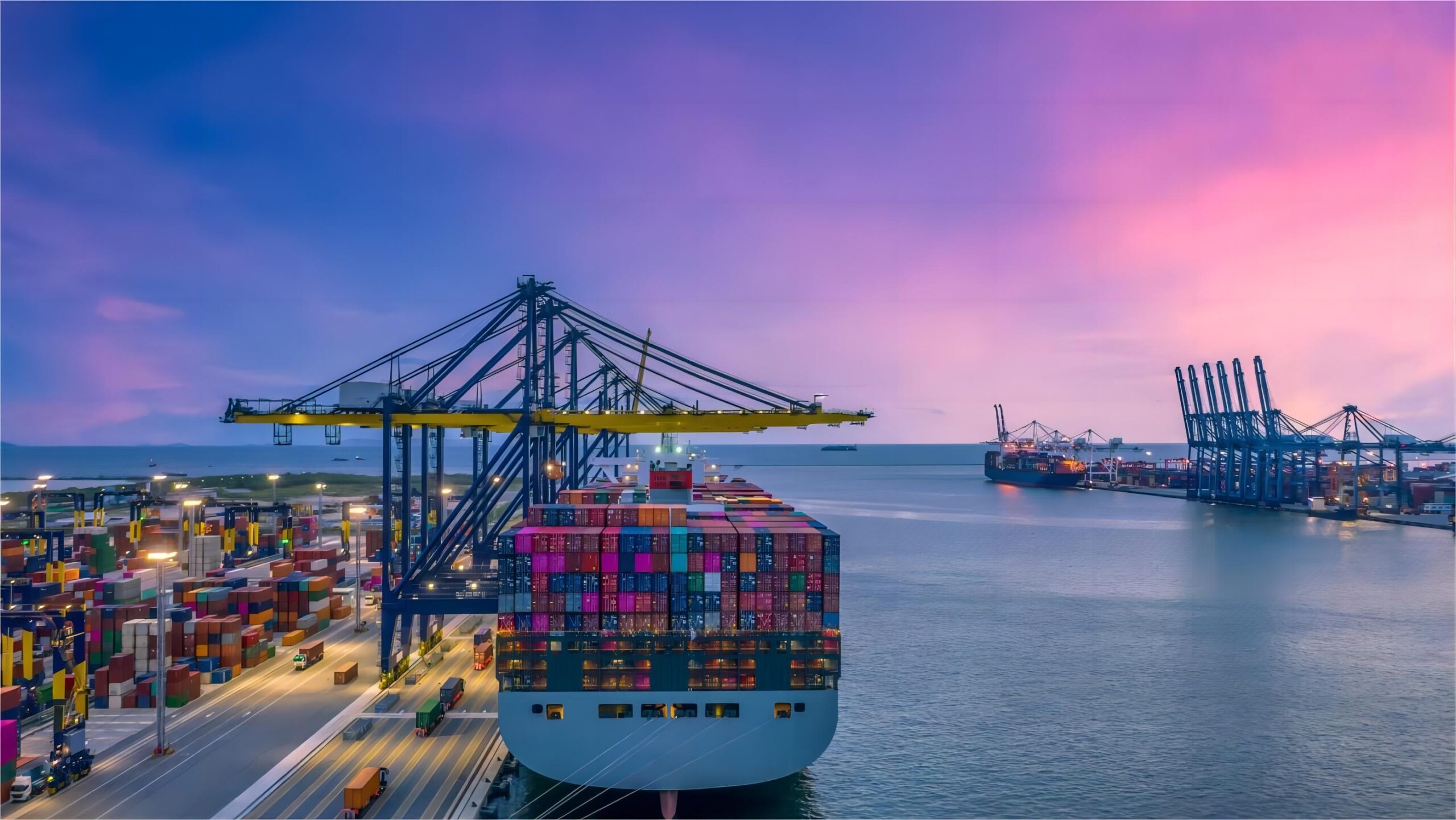
Flat rack containers are essential for shipping oversized electronic components that do not fit in standard dry vans. For example, large-scale server racks, industrial power units, and sensitive medical equipment often require side-loading or top-loading. Utilizing sea freight with flat rack equipment allows you to transport out-of-gauge cargo securely across the ocean. Furthermore, the lack of side walls and a roof provides the flexibility needed for heavy-duty machinery.
However, this flexibility comes with the responsibility of ensuring the cargo is properly lashed and protected from the elements. Electronics are particularly sensitive to moisture and salt air, so heavy-duty shrink wrapping and tarping are mandatory. Nevertheless, the ability to move massive units in a single container often outweighs the additional preparation costs. Consequently, flat racks remain the preferred choice for high-value industrial electronics.
How Does Flat Rack FCL Compare to Other Shipping Options?
When evaluating the Flat Rack FCL transit time for electronics from China to Chicago, it is helpful to compare it against alternative methods. Standard FCL is faster and cheaper but only works for cargo that fits within standard dimensions. On the other hand, air freight offers the fastest speeds but comes at a significantly higher price point. Therefore, the choice depends on your specific cargo dimensions and budget constraints.
In contrast to sea-based options, some shippers consider rail-sea combinations or express services for smaller components. While these alternatives offer different benefits, they may not support the weight or size of oversized electronics. For instance, a flat rack can handle significantly more weight than a standard air pallet. Without a doubt, the flat rack is the most robust solution for heavy, out-of-gauge electronic infrastructure.
| Method | Cost Range | Transit Time | Best For |
|---|---|---|---|
| Flat Rack FCL | $4,500 – $7,500 | 25-40 Days | Oversized/Heavy Gear |
| Standard FCL | $3,000 – $5,500 | 22-35 Days | Boxed Electronics |
| Air Freight | $15,000+ | 5-9 Days | Urgent Shipments |
| LCL Sea | $100 – $300/CBM | 30-45 Days | Small Batches |
Which Option Should You Choose for Your Electronics?
Choosing the right method requires a balance between speed, cost, and safety. If your budget is the primary priority, sea freight via flat rack is the most economical way to move large equipment. Conversely, if you face a strict deadline for a data center installation, air freight might be necessary despite the cost. You should also consider the volume of your shipment, as full container loads offer better security for electronics.
For cargo that is only slightly oversized, you might explore open-top containers as a middle-ground solution. These provide top-loading capabilities while maintaining the side-wall protection of a standard container. However, for truly wide or extremely heavy electronics, the flat rack remains the only viable sea option. In addition, always consult with a logistics expert to determine the most stable route for your specific destination in Chicago.
Real Case Studies: China to Chicago Electronics Logistics
Case Study 1: Industrial Power Systems. Origin: Shanghai. Destination: Chicago, IL. Cargo: 3 Large Power Transformers. Container: 40ft Flat Rack. Ocean Freight: $5,800. Total Landed Cost: $7,200. Sea Transit: 19 days. Rail Transit: 8 days. Total Door-to-Door: 32 days. Key Insight: Early booking during the off-peak season saved the client 15 percent on freight costs.
Case Study 2: Specialized Server Racks. Origin: Shenzhen. Destination: Chicago, IL. Cargo: 5 High-Density Server Cabinets. Container: 20ft Flat Rack. Ocean Freight: $4,200. Total Landed Cost: $5,500. Sea Transit: 16 days. Rail Transit: 10 days. Total Door-to-Door: 30 days. Key Insight: Using professional lashing services prevented any movement during the rail transit phase.
Note: Freight rates are subject to change based on fuel costs, carrier capacity, and seasonal demand. Contact us for a current quote tailored to your specific shipment.

Navigating Customs and Documentation for Electronics
Importing electronics into the United States involves strict compliance with federal regulations. You must provide a detailed commercial invoice, a packing list, and a bill of lading for every shipment. Furthermore, many electronic devices require FCC certification or other regulatory approvals before they can clear customs. Utilizing a professional customs brokerage service helps avoid costly delays and penalties at the border.
Moreover, the Harmonized System (HS) codes for electronics are complex and subject to specific duty rates. Incorrect classification can lead to overpayment of duties or intensive examinations by Customs and Border Protection. Consequently, verifying your codes before the vessel leaves China is a vital step in the process. Indeed, proactive documentation management is the best way to ensure your flat rack reaches Chicago on schedule.
Optimizing Your Door to Door Logistics Strategy
A successful shipment does not end at the port; it ends at your facility. Implementing a robust door to door strategy involves coordinating the final drayage from the Chicago rail ramp. Because flat racks are specialized equipment, you must ensure your warehouse has the necessary cranes or forklifts to unload the cargo. Additionally, scheduling the final delivery truck in advance prevents storage fees at the terminal.
Meanwhile, tracking your shipment in real-time allows you to adjust your local operations based on the actual arrival date. Most major carriers provide GPS tracking for containers, giving you visibility throughout the Pacific crossing. Therefore, you can notify your installation teams exactly when the electronics will arrive. In summary, end-to-end coordination is the hallmark of a professional supply chain operation.
Final Thoughts on Shipping Electronics to Chicago
Managing the Flat Rack FCL transit time for electronics from China to Chicago requires careful planning and expert execution. By understanding the timeline of 25 to 40 days, you can better manage your inventory and customer expectations. Remember to prioritize cargo protection and documentation accuracy to avoid common shipping pitfalls.
Whether you are shipping massive power units or sensitive server racks, the right logistics partner makes all the difference. With strategic routing and professional handling, your high-value electronics will arrive in Chicago ready for immediate use. Start planning your next shipment today to secure the best rates and transit times in the current market.
Ready to streamline your logistics?
Ready to streamline your electronics supply chain? Contact Top China Freight today for a customized quote on your next shipment. Our team ensures your Flat Rack FCL transit time for electronics from China to Chicago is optimized for speed and safety. Send Inquiry
Request Quote