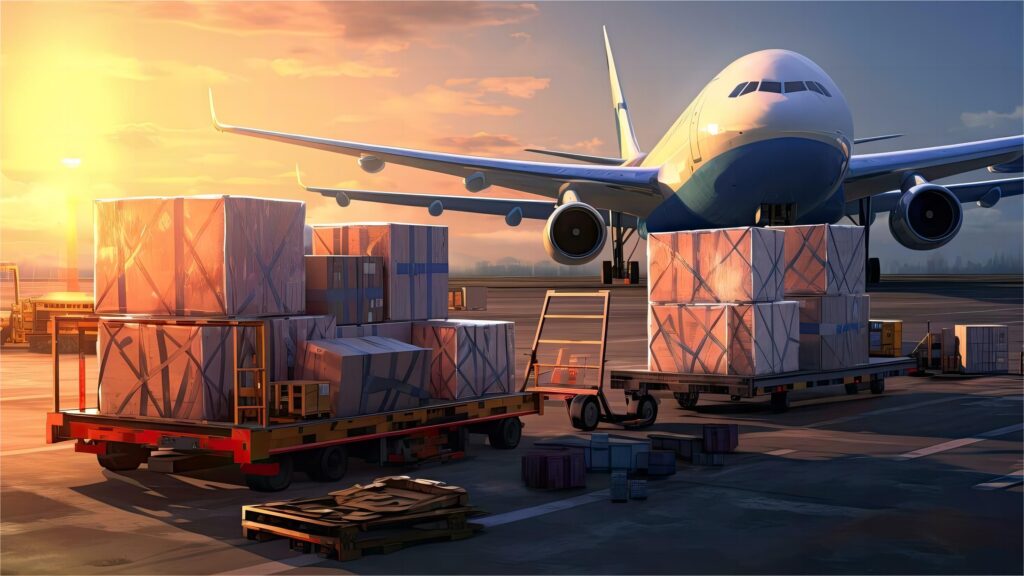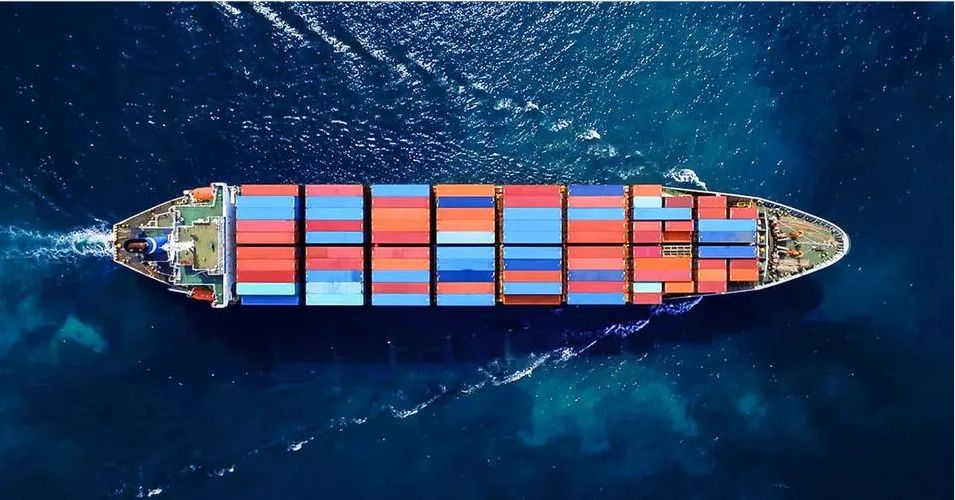
As a freight forwarding company, Top China Freight is dedicated to providing comprehensive international shipping services to our clients. Argentina, located in the southern part of South America, has relatively weak economic and infrastructure development and is bordered by the Atlantic Ocean. Although it is far from major international shipping routes, Buenos Aires Port and Córdoba Port are its main shipping hubs, with Buenos Aires Port being the largest and Córdoba Port connected by rail and road. Due to the outdated and poorly maintained infrastructure in Argentina, including roads, railways, and ports, shipping times may be extended. Therefore, it is crucial to plan shipping schedules in advance and choose reliable shipping service providers. We offer a one-stop logistics solution that includes sea freight, air freight, and multimodal transport, along with comprehensive customs clearance services and professional shipping consultation. We advise our clients to plan their shipping schedules in advance, consider purchasing shipping insurance, and collaborate with reliable local logistics service providers to enhance shipping efficiency and reliability. TopChinaFreight is here to help you overcome various challenges in shipping to Argentina, ensuring efficient and safe international logistics transport. If you have any needs or questions, please feel free to contact us at any time.
The transportation of goods by cargo ships across oceans, ideal for large volumes and heavy items.

The shipment of goods via airplanes, offering fast delivery times for high-value or time-sensitive cargo.

This comprehensive solution streamlines the shipping process, ensuring efficient and hassle-free delivery.

The process of shipping goods that are loaded individually rather than in containers, typically used for oversized or irregularly shaped cargo.
Argentina operates under strict import regulation and foreign currency control systems.
Even if ocean freight runs smoothly, cargo cannot be cleared unless the importer has proper authorization within Argentina’s import control system.
The biggest challenges are usually:
Import approval registration
Access to foreign currency for payment
Customs valuation review
Government trade controls
Because of this, logistics planning must align with regulatory approval timing — not just vessel schedules.
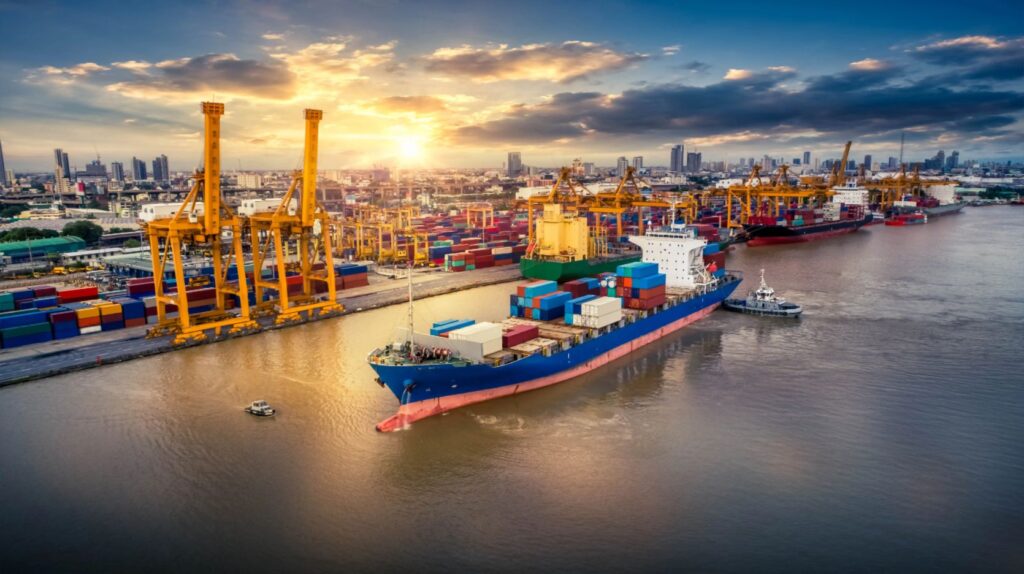
Most container shipments arrive at the Port of Buenos Aires, which serves as the country’s primary container gateway.
Some cargo may also move through other regional terminals, but Buenos Aires handles the majority of international containerized imports.
Port congestion and customs processing speed can directly affect storage and demurrage costs.
Argentina regulates access to U.S. dollars for international payments.
This means:
Importers may not always obtain foreign currency immediately
Bank payment approval can be delayed
Cargo may arrive before payment authorization is finalized
For exporters, it is critical to:
Confirm payment structure in advance
Understand the importer’s approval status
Avoid shipping too early without secured payment
Logistics timing and financial approval must be coordinated carefully.
Argentine customs is documentation-sensitive and valuation-focused.
Typical required documents include:
Commercial invoice with clear product description
Packing list
Bill of lading
Certificate of origin (if applicable)
Import license or prior authorization (for controlled goods)
Any inconsistency between documents can trigger inspection or reassessment.
Argentina customs frequently reviews declared value against reference pricing databases.
Yes.
Many goods require prior import authorization before shipment. This includes:
Electronics
Machinery
Textiles
Consumer goods
Industrial components
Shipping without proper authorization can result in cargo being held at port.
Exporters should always confirm that the Argentine importer has completed all pre-import approvals before departure from China.
Ocean freight from China to Argentina involves long-haul routes across the Pacific or via transshipment hubs.
However, total transit time is often less important than:
Customs processing speed
Import approval clearance
Port handling efficiency
In Argentina, regulatory timing can affect delivery more than sailing time.
Import duties are based on CIF value (Cost + Insurance + Freight).
In addition to customs duty, importers may also face:
VAT
Statistical taxes
Additional import charges depending on product category
Because Argentina closely monitors declared value, under-declaration carries significant risk.
It can be.
If:
Import approval is incomplete
Payment authorization is delayed
Customs requests additional documentation
Containers may remain at port longer than planned, leading to storage and demurrage charges.
Pre-arrival document verification significantly reduces this risk.
Argentina imports a wide range of goods from China, including:
Industrial machinery
Automotive parts
Electronics
Textile raw materials
Household appliances
Construction materials
Industrial and manufacturing sectors rely heavily on Chinese suppliers.
Many Argentine buyers prefer FOB terms so they can manage freight through local forwarders and control documentation handling.
However, some smaller importers prefer CIF to simplify coordination.
The decision often depends on:
Importer experience
Banking arrangements
Foreign currency access
The biggest risk is regulatory and financial timing misalignment.
Common issues include:
Shipment dispatched before import license approval
Payment delay due to currency controls
Customs value reassessment
Sudden policy adjustments
Argentina’s trade environment can change based on economic policy conditions.
Compared to countries like Chile or Peru, Argentina has:
Stronger import licensing controls
Tighter foreign exchange regulations
More active customs valuation reviews
Success in this trade lane depends less on transport speed and more on regulatory compliance and financial coordination.
Cargo Insurance provides coverage for goods against loss, damage, or theft during transit, ensuring that the owner receives financial compensation in the event of unforeseen incidents.
Amazon FBA (Fulfillment by Amazon) is a service where sellers store their products in Amazon's warehouses, and Amazon handles the packing, shipping, and customer service.
Customs brokerage is a service that helps importers and exporters clear goods through customs.
Door to door service refers to the transportation of goods directly from the sender's location to the recipient's location, handled entirely by the carrier.
Express service provide fast, time-sensitive delivery of parcels and documents.
DDU term means the seller is responsible for delivering the goods to the buyer’s designated destination, but not for paying import duties and other import fees. The buyer is responsible for customs clearance and paying all applicable duties, taxes, and fees.
DDP term means the seller is responsible for delivering the goods to the buyer’s designated destination and for paying all import duties and other import fees. The buyer only needs to receive the goods, without bearing any additional expenses.