
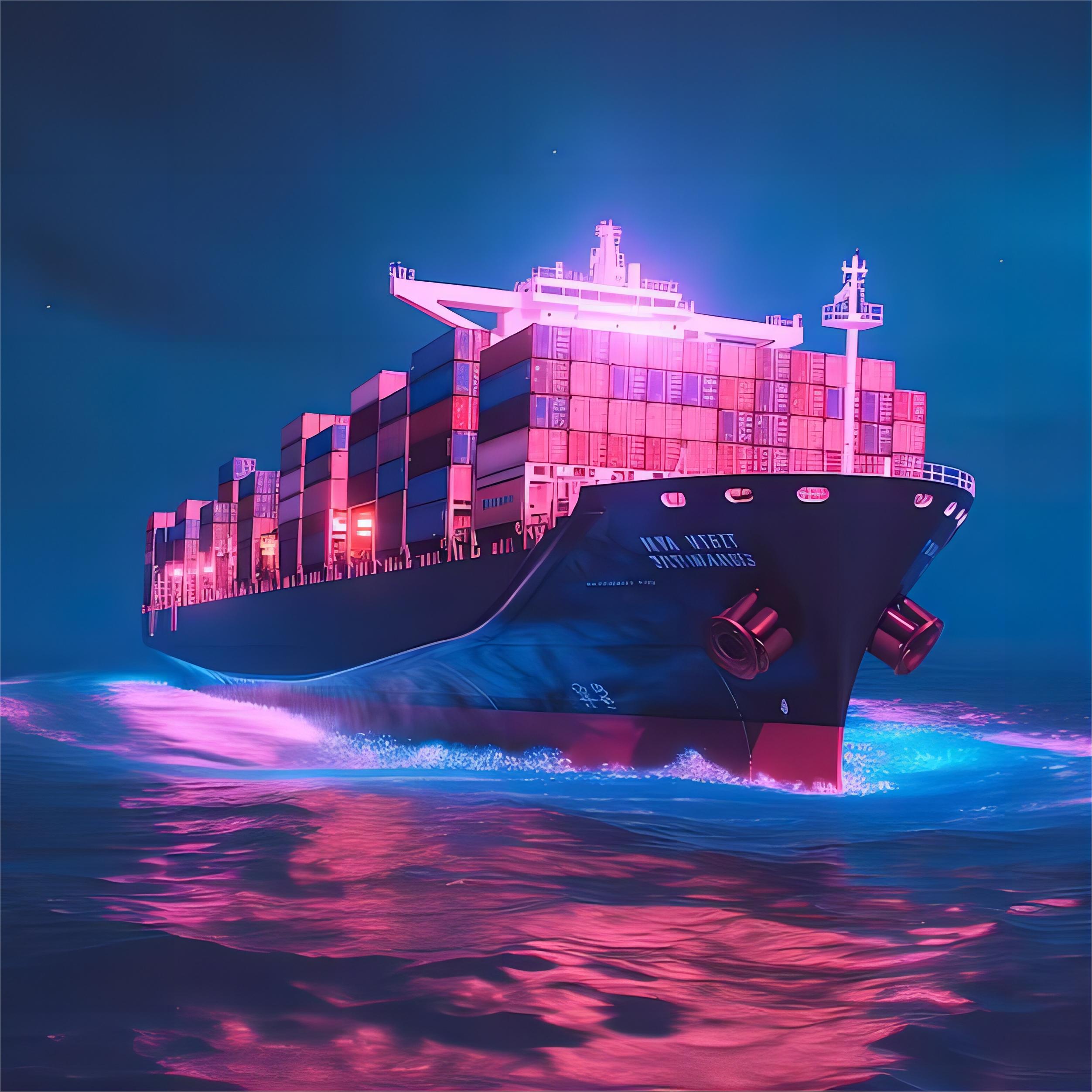
China FCL Warehouse Consolidation to Germany: The Ultimate 2025 Guide
China FCL warehouse consolidation to Germany is a transformative strategy for modern importers looking to streamline their supply chain efficiency. Consequently, businesses often struggle with managing multiple suppliers and fragmented shipments across different Chinese provinces. By partnering with Top China Freight, you can unify your cargo into full container loads to maximize security and minimize international shipping expenses. This comprehensive guide explores how consolidation simplifies the complex logistics landscape between China and the European market.
What is China FCL Warehouse Consolidation to Germany?
Consolidation involves gathering goods from various manufacturers into a single dedicated container before export. Specifically, China FCL warehouse consolidation to Germany allows you to fill a 20GP or 40HQ container with products from multiple Chinese cities like Ningbo, Shenzhen, and Shanghai.
Furthermore, this method ensures that you maintain control over the entire container space rather than sharing it with other shippers. Shippers often prefer this approach when they have enough volume to justify a full container but need to collect items from different factory locations.
Additionally, the process reduces the risk of damage because your cargo remains in one sealed unit from the consolidation center to the final destination. Therefore, it serves as a robust solution for high-value electronics or fragile industrial equipment moving to German hubs.
Benefits of Choosing FCL Consolidation for German Importers
Cost efficiency stands as the primary advantage of using sea freight for consolidated full containers. Moreover, paying for a single FCL rate is frequently cheaper than paying multiple LCL fees for small individual shipments.
Security is significantly enhanced since the container is sealed at the warehouse and only opened at the destination or during customs inspections. Consequently, this minimizes the handling of individual boxes, which greatly lowers the probability of theft or loss during transit.
Predictability in scheduling allows German businesses to plan their inventory cycles with much greater accuracy. Indeed, full containers typically face fewer delays at transshipment ports compared to smaller, fragmented shipments that require frequent re-sorting.
How Does China FCL Warehouse Consolidation to Germany Compare to Other Shipping Options?
Understanding the differences between shipping methods is crucial for optimizing your logistics budget. For instance, while air freight offers incredible speed, its cost is often prohibitive for large-scale inventory replenishment.
Meanwhile, rail freight provides a middle ground with faster transit than sea but lower costs than air. However, China FCL warehouse consolidation to Germany remains the most cost-effective choice for high-volume traders.
Below is a detailed comparison of the primary shipping methods available for the China-Germany trade lane based on 2025 market trends.
| Shipping Method | Cost Range | Transit Time | Best For |
|---|---|---|---|
| FCL Sea Freight | $2,500 – $4,200 | 30-40 Days | Large volumes and heavy goods |
| Rail Freight | $4,000 – $6,500 | 18-22 Days | Time-sensitive industrial parts |
| Air Freight | $5.00 – $9.00/kg | 5-8 Days | High-value or urgent electronics |
| LCL Sea Freight | $80 – $150/CBM | 35-45 Days | Small shipments under 15 CBM |
Key Logistics Hubs for China FCL Warehouse Consolidation to Germany
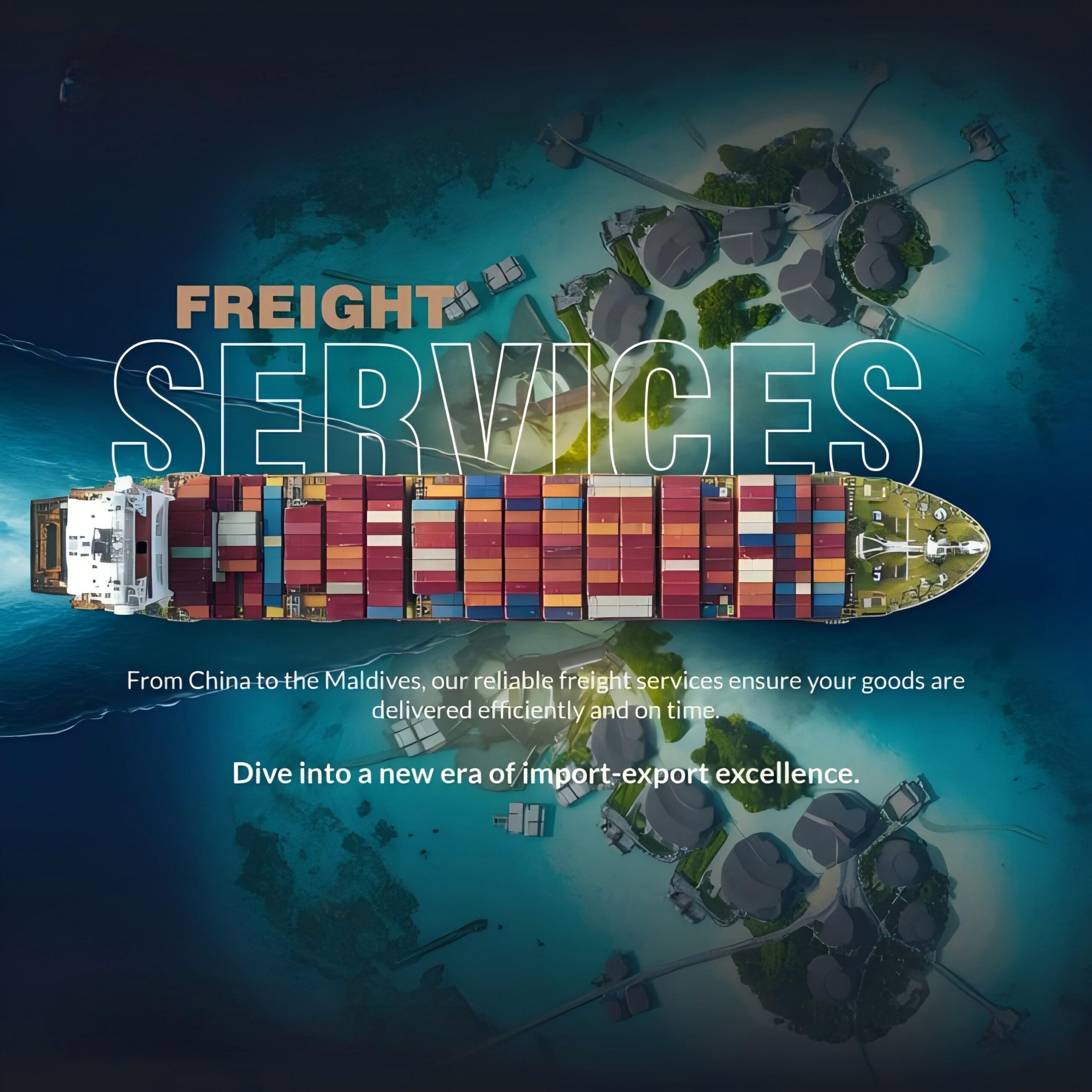
Selecting the right departure port depends heavily on where your suppliers are located within China. For example, Europe bound shipments often originate from major coastal hubs like Shanghai or Ningbo due to their massive infrastructure.
Southern suppliers typically use Shenzhen or Guangzhou warehouses for their consolidation needs. Subsequently, these ports offer frequent weekly departures to major German gateways like Hamburg and Bremerhaven.
Inland manufacturers might utilize rail terminals in Chengdu or Xi’an to connect with the Iron Silk Road. Nevertheless, the majority of consolidated FCL cargo still moves through the primary ocean ports to capitalize on lower freight rates.
Step-by-Step Guide to the Consolidation Process
The process begins with the coordination of pick-ups from your various suppliers across China. Initially, the freight forwarder arranges local trucking to bring all goods to a centralized consolidation warehouse.
Once all items arrive, the warehouse staff performs a thorough inspection and verifies the packing list against the physical cargo. Additionally, they supervise the container loading process to ensure weight is distributed evenly and space is utilized efficiently.
After loading, the warehouse seals the container and transports it to the port for export. Finally, the forwarder manages the ocean transit and provides tracking updates until the vessel reaches the German coast.
Essential Customs Documentation for Germany
Navigating German customs requires precise documentation to avoid costly delays and storage fees at the port. Specifically, you must provide a commercial invoice, a detailed packing list, and a bill of lading for every shipment.
Moreover, utilizing professional customs brokerage services ensures that your EORI number and VAT declarations are handled correctly. This is particularly important for consolidated containers that may contain a wide variety of HS codes.
Failure to accurately declare the contents can result in intensive customs examinations. Therefore, maintaining clear communication with your Chinese suppliers regarding product specifications is vital for a smooth clearance process.
| Document Name | Purpose | Required By | Key Info |
|---|---|---|---|
| Commercial Invoice | Value declaration | Customs | Price, Currency, Terms |
| Packing List | Cargo details | Warehouse/Customs | Weight, Dimensions, Units |
| Bill of Lading | Title to goods | Carrier/Bank | Vessel name, Port info |
| Certificate of Origin | Duty calculation | Customs | Manufacturing location |
Real-World Case Studies of FCL Consolidation
Case Study 1: Electronics Distribution. Route: Shenzhen to Hamburg. Cargo: Consumer electronics, 65 CBM, 12000 kg. Container: 40HQ. Shipping Details: Direct sea transit via major carrier. Cost Breakdown: Ocean Freight $3,400, Origin Charges $450, Destination Charges $600, Total Landed Cost $4,450. Timeline: 34 days door-to-door. Key Insight: Consolidating from four different Shenzhen suppliers saved the client 22 percent compared to individual LCL shipments.
Case Study 2: Industrial Machinery. Route: Ningbo to Bremen. Cargo: Machine parts, 28 CBM, 18000 kg. Container: 20GP. Shipping Details: Transshipment via Singapore. Cost Breakdown: Ocean Freight $2,100, Customs $300, Local Delivery $550, Total Landed Cost $2,950. Timeline: 38 days. Key Insight: Using a 20GP for consolidation provided the heavy-load capacity needed while keeping costs significantly lower than air freight.

Understanding Costs and Pricing Strategies
Ocean freight rates are subject to change based on fuel costs, carrier capacity, and seasonal demand. Consequently, prices often spike during the peak season from August to October as retailers prepare for the holiday rush.
Furthermore, choosing door to door services can simplify your budgeting by providing an all-in rate. This typically includes the inland trucking in China, the ocean freight, and the final delivery in Germany.
Importers should also account for potential surcharges such as the Low Sulfur Surcharge or Peak Season Surcharge. Indeed, staying informed about market trends helps you negotiate better contracts with your logistics providers.
Decision Framework: Is This Method Right for You?
Determine your priority before selecting a shipping strategy for your German imports. If your primary goal is budget optimization and you have at least 15-20 CBM of cargo, FCL consolidation is likely the best choice.
However, if speed is the absolute priority for a small shipment, air freight remains the superior option despite the higher cost. Additionally, consider rail freight if you need a balance between the two, especially for automotive or high-tech components.
Ultimately, China FCL warehouse consolidation to Germany offers the best equilibrium for businesses with steady, high-volume trade flows. It combines the low unit cost of sea freight with the organizational benefits of a single managed container.
Final Thoughts on FCL Consolidation
To summarize, China FCL warehouse consolidation to Germany represents a sophisticated approach to modern international trade. By unifying your shipments, you reduce handling risks and capitalize on the economies of scale offered by full container shipping.
Furthermore, the strategic use of consolidation warehouses in China allows for greater flexibility in supplier management. As market conditions evolve in 2025, maintaining an efficient and consolidated supply chain will be a key competitive advantage for German importers.
Indeed, China FCL warehouse consolidation to Germany remains the gold standard for cost-effective, secure, and reliable transport across the Eurasian trade corridor.
Ready to streamline your logistics?
Streamline your international logistics today by requesting a custom quote for China FCL warehouse consolidation to Germany. Our team provides expert guidance to ensure your cargo arrives safely and on schedule. Contact us now to optimize your supply chain costs.
Request Quote