
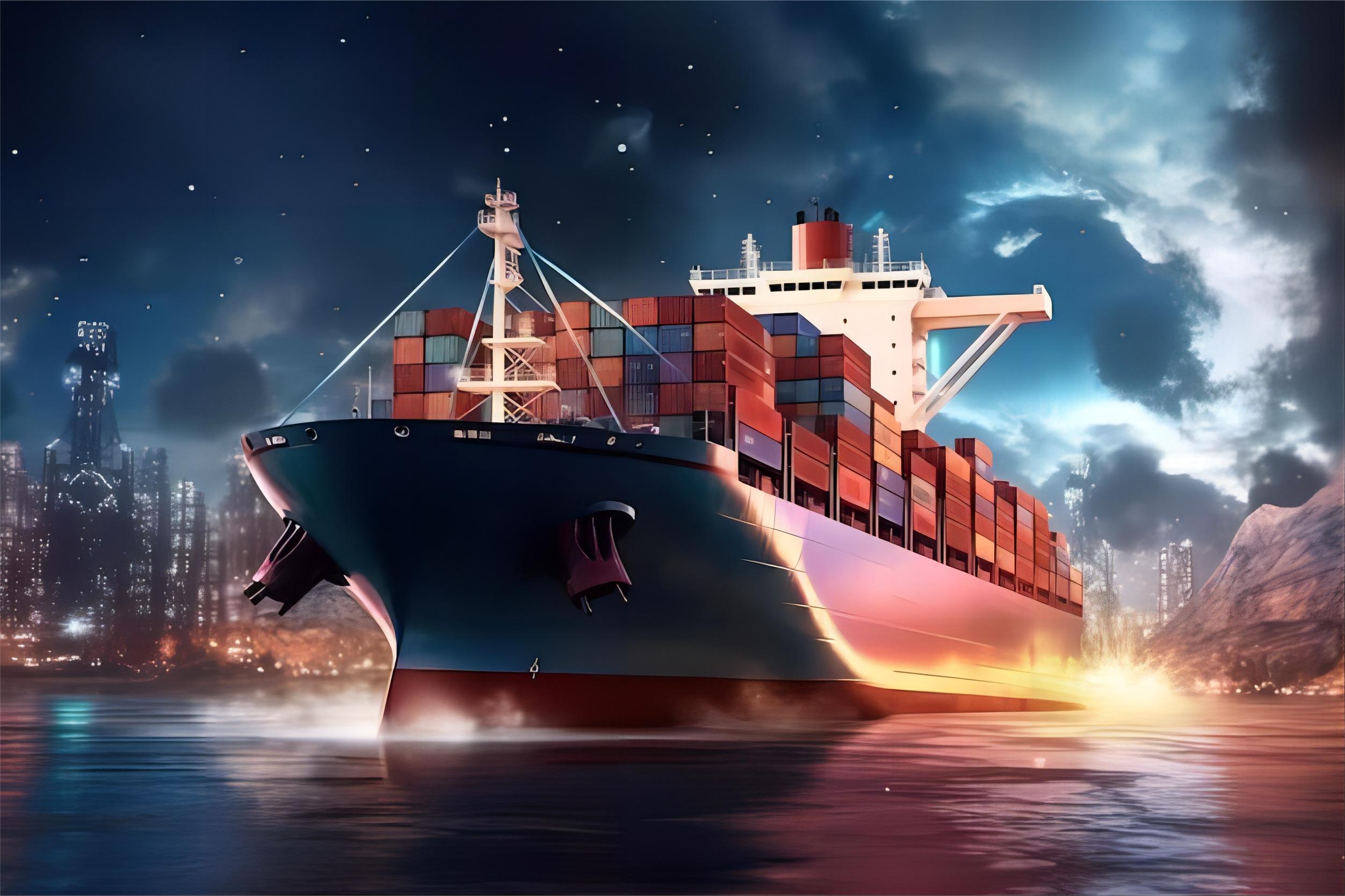
40GP FCL freight rate for medical equipment from China to Netherlands
Finding the most competitive 40GP FCL freight rate for medical equipment from China to Netherlands is essential for healthcare providers and distributors. In the current global economy, Top China Freight offers specialized logistics solutions that ensure your sensitive medical devices arrive safely and on time. Consequently, understanding the nuances of container shipping can significantly impact your bottom line and delivery efficiency.
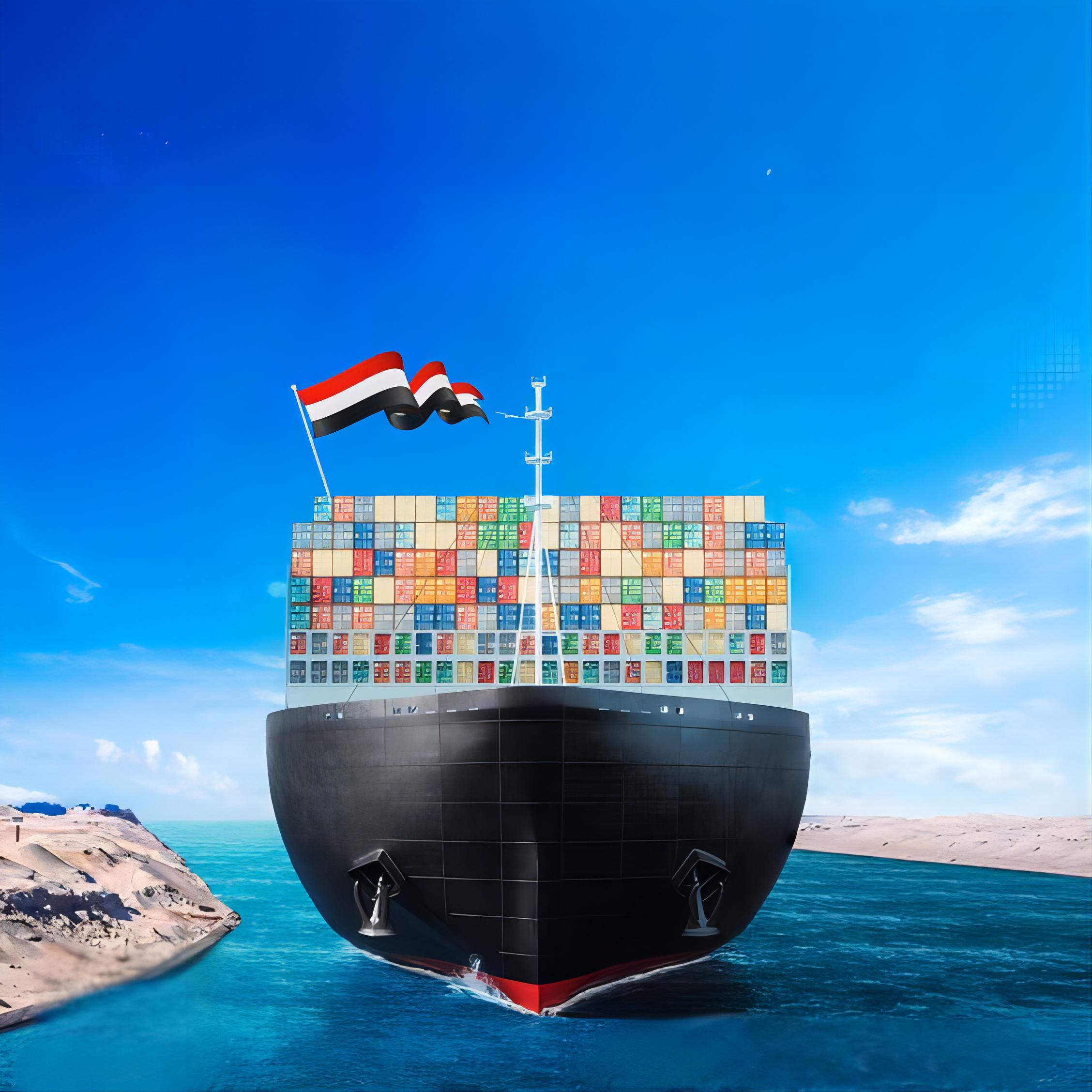
What is the 40GP FCL Freight Rate for Medical Equipment from China to Netherlands?
Determining the exact 40GP FCL freight rate for medical equipment from China to Netherlands involves analyzing several market variables. Typically, a 40GP container provides ample space for bulky medical items like hospital beds or diagnostic machines. Moreover, sea freight remains the most cost-effective method for high-volume shipments across this long-distance route.
As of early 2025, market rates for a 40GP container from major Chinese ports to Rotterdam generally range between 2,800 and 3,800 USD. However, these prices fluctuate based on seasonal demand and global fuel surcharges. Furthermore, the nature of medical equipment often requires additional handling or specialized insurance, which can influence the final quote.
Indeed, choosing a Full Container Load (FCL) ensures that your medical goods are not mixed with other cargo, reducing the risk of contamination or damage. Consequently, this method is preferred for sensitive healthcare technologies. In addition, the 40GP container offers a balance between volume capacity and shipping costs compared to the larger 40HQ alternatives.
| Container Type | Estimated Cost (USD) | Capacity (CBM) | Best For |
|---|---|---|---|
| 20GP FCL | 1,800 – 2,500 | 33 CBM | Heavy, compact gear |
| 40GP FCL | 2,800 – 3,800 | 67 CBM | Standard medical supplies |
| 40HQ FCL | 3,000 – 4,200 | 76 CBM | Bulky hospital furniture |
How Does Sea Freight Compare to Other Shipping Options?
When evaluating the 40GP FCL freight rate for medical equipment from China to Netherlands, it is vital to consider alternative transport modes. While sea freight is the most common choice, air freight provides a much faster solution for urgent medical supplies. Nevertheless, the cost difference is substantial, often making air freight ten times more expensive for the same volume.
On the other hand, rail freight serves as a middle ground between sea and air options. It offers faster transit times than the ocean while remaining more affordable than flight. Therefore, businesses must weigh the urgency of their medical equipment delivery against their available logistics budget.
Specifically, sea freight takes approximately 30 to 40 days to reach the Netherlands from China. In contrast, rail freight can complete the journey in 18 to 22 days. Consequently, if your medical project has a strict deadline, rail might be a viable alternative despite a slightly higher rate than ocean containers.
| Shipping Method | Cost Range | Transit Time | Limitations |
|---|---|---|---|
| Sea (FCL) | 2,800 – 3,800 USD | 30-40 Days | Slowest transit time |
| Air Freight | 15,000 – 25,000 USD | 5-7 Days | Very high cost |
| Rail Freight | 4,500 – 6,500 USD | 18-22 Days | Capacity constraints |
| Sea (LCL) | 50 – 90 USD/CBM | 35-45 Days | Higher damage risk |
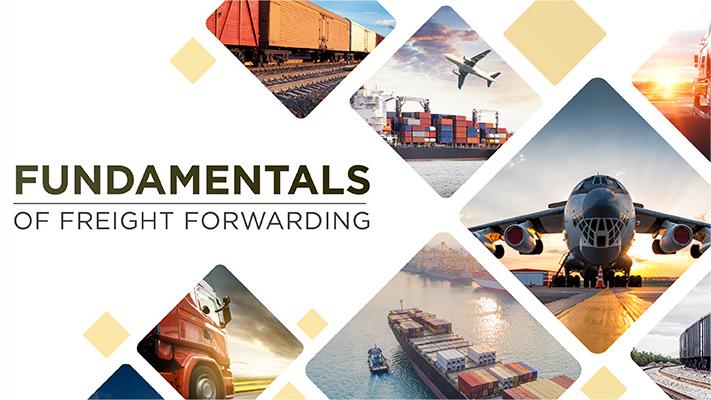
Factors Influencing the 40GP FCL Freight Rate for Medical Equipment
Several critical factors determine the 40GP FCL freight rate for medical equipment from China to Netherlands. Firstly, the port of loading significantly impacts the base rate, with Shanghai and Ningbo often offering more competitive pricing due to high traffic volumes. Additionally, the time of year plays a major role, as peak seasons like the pre-Chinese New Year period see rates spike by 20 percent or more.
Moreover, the specific type of medical equipment can affect the price. If the devices require temperature control, you may need a reefer container, which is considerably more expensive than a standard 40GP. Furthermore, the complexity of customs brokerage for medical goods adds to the total landed cost.
Consequently, importers should always account for local charges at both the origin and destination ports. These include terminal handling charges, documentation fees, and security surcharges. To summarize, the ocean freight rate is only one component of the total logistics expenditure for medical equipment.
Essential Documentation for Shipping Medical Equipment to the Netherlands
Shipping medical equipment requires meticulous documentation to comply with both Chinese export laws and European Union import regulations. Specifically, you must provide a detailed Commercial Invoice, a Packing List, and a Bill of Lading. Furthermore, most medical devices require a CE Certificate to be legally sold and used within the Netherlands.
In addition, certain high-tech medical instruments may require an Export License from China. Failure to provide the correct paperwork can lead to significant delays at customs, resulting in costly demurrage and detention fees. Therefore, working with an experienced freight forwarder is essential to navigate these regulatory hurdles successfully.
Notably, the Netherlands has strict standards for medical device safety. As a result, ensuring that all technical manuals and safety data sheets are included in the shipment is vital. Meanwhile, your logistics partner should verify that the HS codes used for your 40GP FCL freight rate for medical equipment from China to Netherlands are accurate to avoid fines.
| Document Name | Purpose | Responsible Party | Criticality |
|---|---|---|---|
| CE Certificate | EU Safety Compliance | Manufacturer | High |
| Bill of Lading | Title of Goods | Carrier | High |
| Packing List | Cargo Verification | Shipper | Medium |
| MSDS | Safety for Batteries | Manufacturer | High (if applicable) |
Major Ports and Transit Times for China to Netherlands Routes
The primary gateways for medical equipment departing China are the ports of Shanghai, Ningbo, and Shenzhen. These ports offer the most frequent departures and the most competitive 40GP FCL freight rate for medical equipment from China to Netherlands. On the other end, the Port of Rotterdam serves as the main entry point for the Netherlands and much of Western Europe.
Typically, a direct sea route from Shanghai to Rotterdam takes about 32 days. However, transshipment through hubs like Singapore or Colombo can extend this timeline to 40 days or more. Consequently, businesses should prioritize direct services when shipping time-sensitive medical components.
Furthermore, the efficiency of the Port of Rotterdam allows for rapid discharge and inland transport. Once the container arrives, door to door delivery services can transport the medical equipment directly to hospitals or warehouses across the country. Accordingly, planning your route based on port efficiency can save both time and money.
Realistic Case Studies for Medical Equipment Shipping
Case Study 1: Hospital Bed Distribution. Route: Ningbo, China to Rotterdam, Netherlands. Cargo: 60 Hospital Beds, 65 CBM. Container: 40GP FCL. Shipping Details: Direct route via major carrier. Ocean Freight: 3,250 USD. Origin Charges: 350 USD. Destination Charges: 450 USD. Customs and Duties: 1,200 USD. Total Landed Cost: 5,250 USD. Timeline: 34 days total. Key Insight: Using a 40GP instead of two 20GP containers saved the client 15 percent in total freight costs.
Case Study 2: Diagnostic Imaging Gear. Route: Shanghai, China to Rotterdam, Netherlands. Cargo: MRI components, 45 CBM, 12,000 kg. Container: 40GP FCL. Shipping Details: Transshipment via Singapore. Ocean Freight: 3,400 USD. Origin Charges: 400 USD. Destination Charges: 500 USD. Customs Clearance: 3 days. Total Door-to-Door: 42 days. Key Insight: Careful bracing inside the container was required to protect sensitive electronics during the transshipment process.
Based on Q3 2024 market rates, these examples illustrate the typical costs associated with the 40GP FCL freight rate for medical equipment from China to Netherlands. Indeed, every shipment has unique requirements, but these figures provide a solid benchmark for budgeting. Note: Freight rates are subject to change based on fuel costs, carrier capacity, and seasonal demand. Contact us for a current quote tailored to your specific shipment.
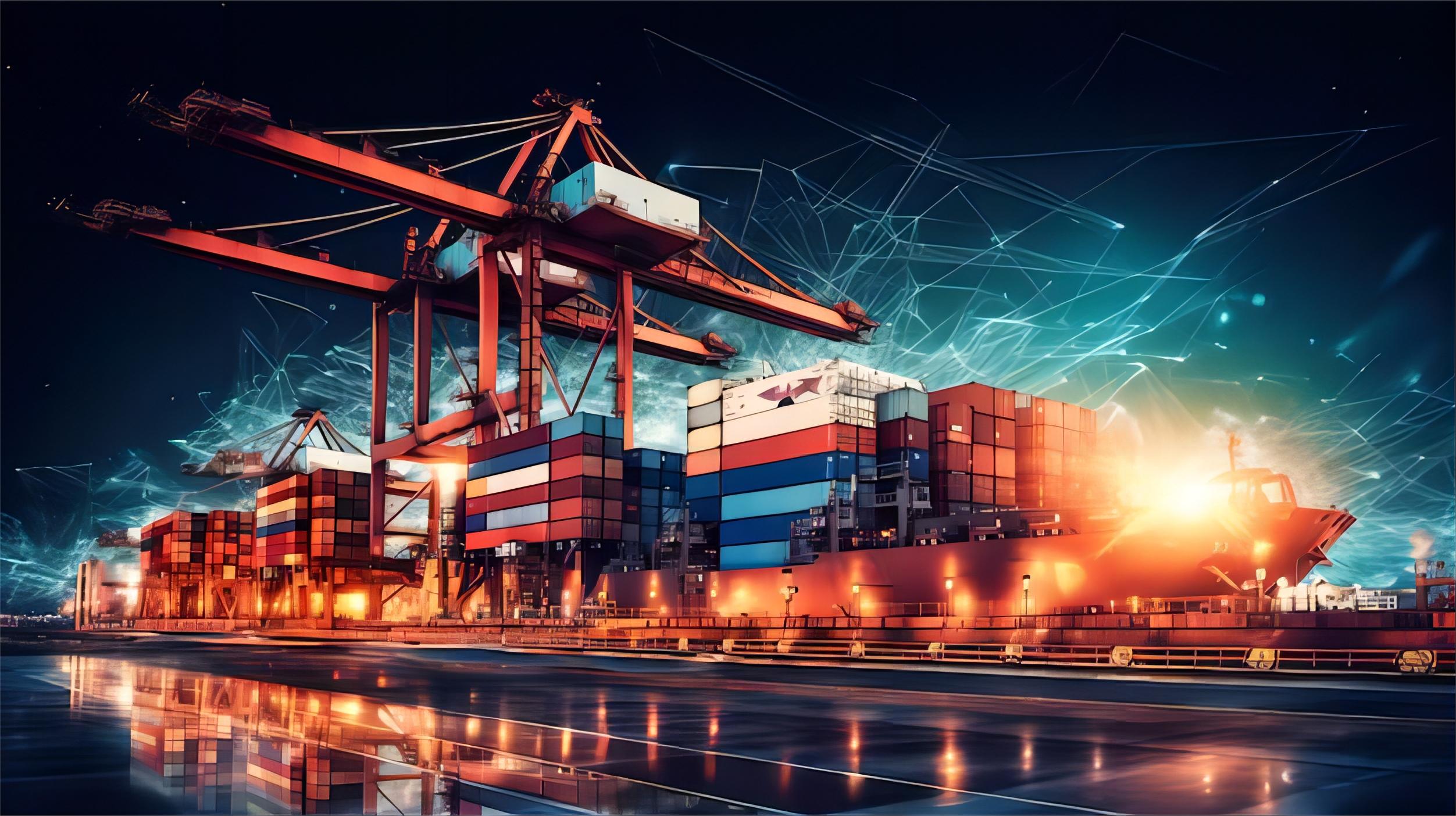
Which Shipping Option Should You Choose for Your Medical Cargo?
Choosing the right logistics strategy depends on your specific priorities regarding budget and speed. If your primary goal is to minimize the 40GP FCL freight rate for medical equipment from China to Netherlands, sea freight is the clear winner. However, for high-value medical devices that need to reach the market quickly, the speed of air or rail might justify the higher expense.
Specifically, if your shipment volume is under 15 CBM, you might consider LCL shipping. Nevertheless, for medical equipment, FCL is generally safer because it minimizes handling and reduces the risk of damage. Furthermore, hybrid solutions such as sea-air can offer a compromise between cost and speed for certain logistics scenarios.
Ultimately, the decision should be based on the shelf life and urgency of the medical supplies. For instance, routine consumables are best suited for sea freight, while life-saving equipment might require the speed of air transport. Therefore, analyzing your supply chain requirements thoroughly is the first step toward an optimized shipping strategy.
Cost-Saving Strategies for 40GP FCL Shipments
To optimize your 40GP FCL freight rate for medical equipment from China to Netherlands, consider booking your space at least three to four weeks in advance. This proactive approach allows you to secure better rates before capacity tightens. In addition, consolidating shipments from multiple suppliers into a single FCL container can significantly reduce per-unit shipping costs.
Moreover, choosing Off-Peak shipping dates can lead to substantial savings. Historically, shipping in the second quarter of the year often yields lower rates than the busy third and fourth quarters. Consequently, aligning your production schedule with these market lulls can improve your overall profit margins.
Finally, always verify the accuracy of your cargo dimensions and weight. Overestimating or underestimating can lead to unexpected surcharges or equipment mismatches at the port. Indeed, a professional freight forwarder can provide the expertise needed to avoid these common and expensive pitfalls.
Summary of Shipping Medical Equipment to the Netherlands
In conclusion, securing a favorable 40GP FCL freight rate for medical equipment from China to Netherlands requires a combination of market knowledge and strategic planning. By understanding the factors that influence costs and choosing the right shipping method, businesses can ensure their medical products are delivered efficiently. Furthermore, maintaining compliance with documentation and customs regulations is vital for a smooth import process.
Ultimately, partnering with a reliable logistics provider like Top China Freight allows you to focus on your core business while we handle the complexities of international transport. Whether you choose sea, rail, or air, our team is dedicated to providing the best value for your 40GP FCL freight rate for medical equipment from China to Netherlands.
Ready to streamline your logistics?
Are you ready to optimize your medical supply chain? Contact our experts today to get a customized 40GP FCL freight rate for medical equipment from China to Netherlands. Visit our inquiry page to start your shipment: Send Inquiry
Request Quote