
China FCL door to port to France: Complete Shipping Guide
Navigating the complexities of international trade requires a reliable partner like Top China Freight to manage your global logistics. When you choose China FCL door to port to France, you are investing in a streamlined solution for large-scale imports that demand security and efficiency. This comprehensive guide explores how full container loads provide the stability needed for modern supply chains while navigating the specific requirements of the French maritime infrastructure.
Understanding the China FCL door to port to France Process
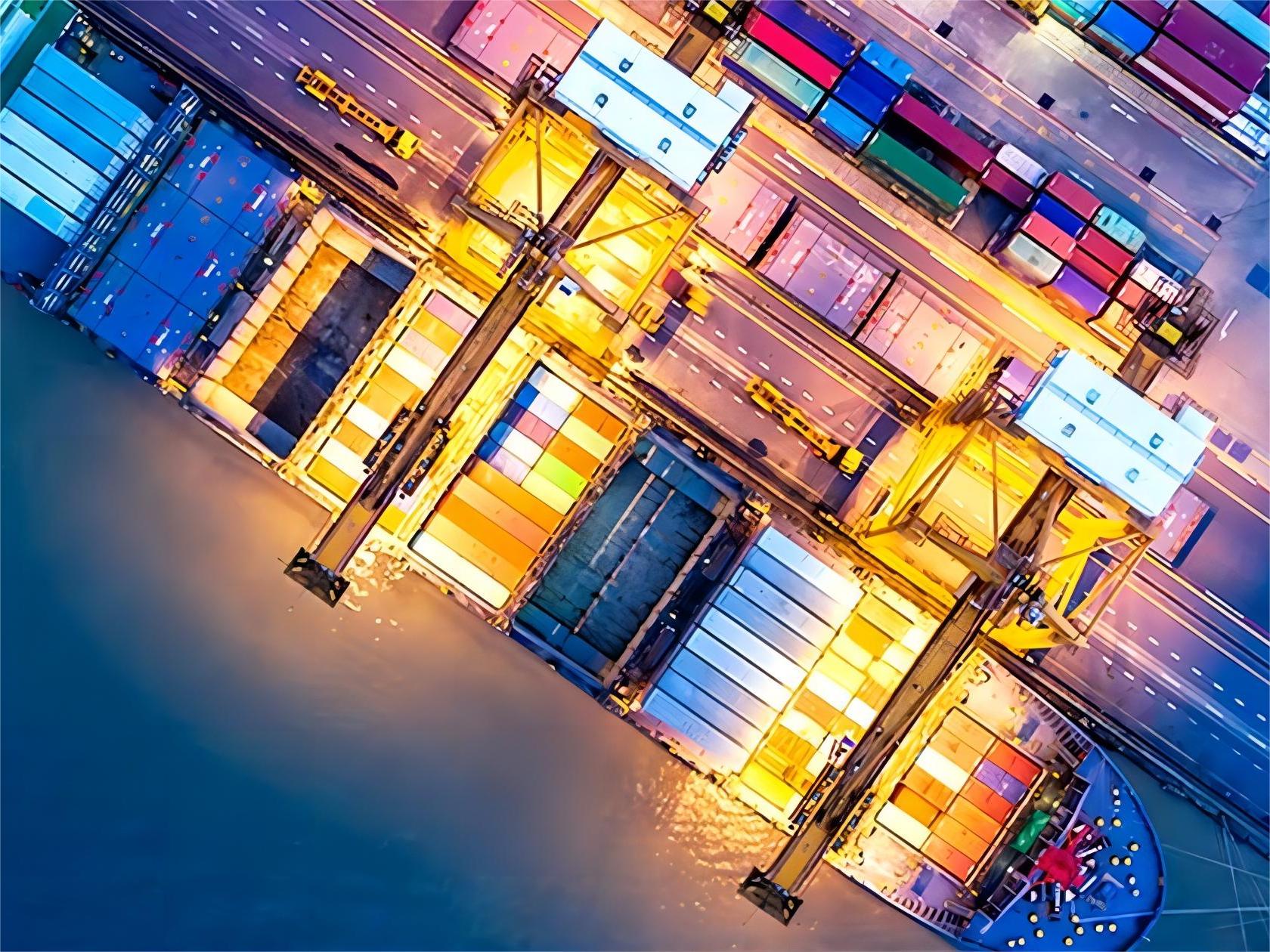
Starting with a professional pickup at your supplier warehouse, the door to door shipping infrastructure ensures your cargo remains secure from the first mile. Moreover, the process involves transporting a dedicated container from the factory directly to a major Chinese port for export. Consequently, this method reduces the risk of damage by minimizing cargo handling during the initial transit phase.
Experienced logistics providers coordinate the inland trucking and port entry to ensure your container meets the vessel schedule. Furthermore, the door to port model allows the shipper to maintain control over the origin logistics while the consignee manages the final arrival at the French port. Historically, this balance of responsibility has proven cost-effective for established importers who have their own local delivery networks in Europe.
Every shipment undergoes rigorous inspection and sealing at the factory to maintain the integrity of the Full Container Load (FCL). Specifically, once the container arrives at the port of loading, it stays sealed until it reaches the destination port in France. Therefore, you benefit from enhanced security compared to shared container methods where multiple parties handle the goods.
How Does China FCL door to port to France Compare to Other Shipping Options?
Choosing the right shipping method depends heavily on your budget, cargo volume, and required speed. While sea freight remains the most popular choice for bulk goods, other alternatives offer varying benefits. For example, rail freight serves as a middle ground between speed and cost for those targeting inland European destinations.
Additionally, comparing FCL to Less than Container Load (LCL) reveals significant differences in handling and pricing. In contrast to LCL, where goods from different shippers share space, FCL gives you exclusive use of the entire 20ft or 40ft container. Consequently, FCL transit times are usually shorter because there is no need for consolidation or deconsolidation at the ports.
Below is a detailed comparison of the primary shipping methods available for the China to France route based on current 2025 market trends.
| FCL Sea Freight | $1,800 – $4,200 | 30 – 40 Days | Large Volume |
| LCL Sea Freight | $150 – $300/CBM | 35 – 45 Days | Small Shipments |
| Rail Freight | $1,500 – $3,000 | 18 – 24 Days | Mid-range Speed |
| Air Freight | $5.00 – $9.00/kg | 5 – 9 Days | Urgent Cargo |
Why Choose China FCL door to port to France for Your Business?
Businesses often prefer FCL because it offers the lowest cost per cubic meter for large shipments. Furthermore, shipping to Europe via full containers provides a predictable schedule that helps in inventory planning. Indeed, having a dedicated container simplifies the logistics chain and reduces the potential for customs delays associated with other shippers’ cargo.
Efficiency is another major factor when selecting the door to port model for French destinations. Since the container remains sealed from the Chinese warehouse to the French port, the risk of pilferage or accidental loss is nearly non-existent. Notably, this security is vital for high-value electronics, machinery, and luxury goods frequently imported into the French market.
Reliability in scheduling allows you to meet strict delivery windows for French retailers and distributors. Although global shipping can face disruptions, FCL shipments receive priority loading on most major carrier vessels. Consequently, you can better manage your supply chain expectations and maintain high levels of customer satisfaction.
Major Ports in China and France for FCL Shipments
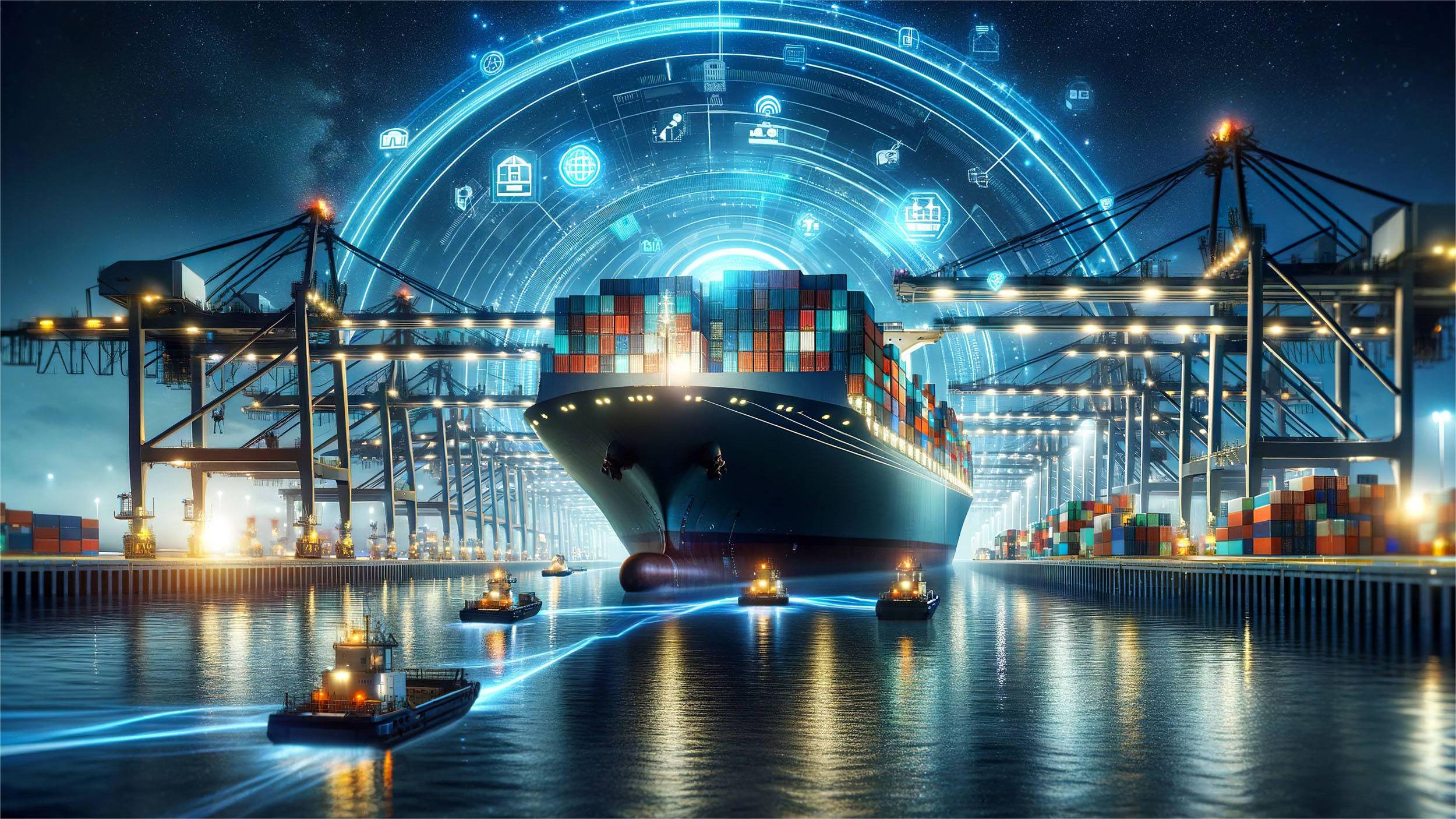
Shipping from China involves utilizing world-class infrastructure at ports like Shanghai, Ningbo-Zhoushan, and Shenzhen. These ports handle millions of TEUs annually and offer multiple weekly departures to European hubs. Specifically, the Port of Shanghai is the world’s busiest, providing the most diverse carrier options for your FCL needs.
Arrival in France typically occurs at major maritime gateways like Le Havre, Marseille-Fos, or Dunkirk. Le Havre serves as the primary entry point for northern France and the Paris region, offering excellent rail and road connections. Meanwhile, Marseille-Fos is the strategic choice for shipments destined for southern France and the Mediterranean hinterland.
Selecting the right port of discharge can significantly impact your total landed cost and final transit time. For instance, choosing a port closer to your final warehouse reduces the cost of inland drayage once the container is released. Therefore, we recommend analyzing the proximity of French ports to your distribution centers before booking your shipment.
Transit Time Analysis and Scheduling for 2025
Transit times for China FCL door to port to France generally range from 28 to 40 days depending on the specific route and carrier. Direct services from eastern China to Le Havre are the fastest, often completing the sea voyage in about 32 days. However, transshipment via hubs like Singapore or Algeciras can add 5 to 7 days to the total schedule.
Market data suggests that seasonal peaks, such as the period before the Lunar New Year or the Q4 holiday rush, can affect vessel availability. During these times, transit times might increase due to port congestion and slower container processing. Accordingly, booking your container at least 3-4 weeks in advance is essential to secure space on the desired vessel.
Typical sea transit durations from major Chinese hubs to French ports are outlined in the following table for your reference.
| Shanghai | Le Havre | 32 – 35 | Direct |
| Shenzhen | Marseille | 28 – 32 | Direct |
| Ningbo | Dunkirk | 34 – 38 | Transshipment |
| Qingdao | Le Havre | 36 – 40 | Direct |
Cost Breakdown and Pricing Factors for FCL Containers
Understanding the pricing structure of China FCL door to port to France helps you avoid unexpected expenses. The total cost includes the ocean freight rate, origin handling charges, documentation fees, and fuel surcharges. Additionally, you must account for the inland trucking cost from the supplier factory to the Chinese port of loading.
Freight rates fluctuate based on market demand, fuel prices, and carrier capacity. As of early 2025, rates have stabilized but remain sensitive to geopolitical events in the Red Sea and Suez Canal regions. Consequently, ocean freight for a 40HQ container might range between $3,000 and $4,200 depending on the current bunker adjustment factor.
Inland charges at the origin usually cover the export customs declaration and terminal handling fees. These costs are relatively stable compared to ocean freight but vary slightly between different Chinese provinces. To summarize, a clear breakdown of all charges ensures you can calculate an accurate landed cost for your French inventory.
Note: Freight rates are subject to change based on fuel costs, carrier capacity, and seasonal demand. Contact us for a current quote tailored to your specific shipment.
Customs Documentation and Requirements for France
Clearing customs in France requires precise documentation to comply with European Union regulations. Utilizing a professional customs brokerage service is highly recommended to navigate the French customs system efficiently. Specifically, you will need a commercial invoice, a detailed packing list, and the Bill of Lading provided by the carrier.
French authorities also require an EORI number (Economic Operators Registration and Identification) for all businesses importing goods into the country. Furthermore, certain products like electronics or textiles may require a Certificate of Origin to determine the applicable duty rates. Indeed, missing or incorrect paperwork is the most common cause of container demurrage and storage charges at French ports.
Importers should also be aware of the Value Added Tax (VAT) and various import duties applicable to their specific HS codes. France has implemented simplified VAT accounting for many importers, which can improve cash flow by deferring payment until the monthly tax return. Therefore, consulting with a logistics expert before the ship arrives can save significant time and money.
Real-World Case Studies: China to France FCL
Analyzing real-world scenarios provides valuable insight into the practical aspects of China FCL door to port to France. These examples highlight the costs, timelines, and logistics strategies used by successful importers in 2024 and 2025.
Case Study 1: Solar Panel Import to Northern France Route: Shanghai, China to Le Havre, France Cargo: Solar Panels, 65 CBM, 18,000 kg Container: 40HQ Shipping Details: – Carrier: COSCO – Port of Loading: Shanghai – Port of Discharge: Le Havre – Route Type: Direct Cost Breakdown: – Ocean Freight: $4,100 – Origin Charges: $450 – Destination Charges: $600 – Customs and Duties: $1,200 – Total Landed Cost: $6,350 Timeline: – Booking to Loading: 5 days – Sea Transit: 33 days – Customs Clearance: 2 days – Total Door-to-Port: 40 days Key Insight: Early booking during the Q3 peak season saved the client $400 in potential GRI surcharges.
Case Study 2: Industrial Machinery to Southern France Route: Shenzhen, China to Marseille, France Cargo: CNC Machinery, 28 CBM, 12,000 kg Container: 20GP Shipping Details: – Carrier: CMA CGM – Port of Loading: Shenzhen (Yantian) – Port of Discharge: Marseille-Fos – Route Type: Direct Cost Breakdown: – Ocean Freight: $2,400 – Origin Charges: $380 – Destination Charges: $550 – Customs and Duties: $2,100 – Total Landed Cost: $5,430 Timeline: – Booking to Loading: 4 days – Sea Transit: 29 days – Customs Clearance: 3 days – Total Door-to-Port: 36 days Key Insight: Utilizing the Marseille-Fos port reduced inland transport costs to the client’s Lyon facility by 30 percent compared to using Le Havre.
Decision Framework: Which Option Should You Choose?
Determining the best shipping strategy requires evaluating your specific business priorities. If budget is your primary concern and you have a volume exceeding 15 CBM, FCL sea freight is almost always the most economical choice. Conversely, for smaller volumes, you might consider LCL or even rail freight if the transit time is critical.
Speed priorities often dictate a shift toward air freight or express services, though the cost is significantly higher. However, for most retail and manufacturing needs, the 30-day window of sea freight is acceptable when managed with proper inventory buffers. Specifically, we recommend FCL for any shipment where the cargo fills at least 70 percent of a 20ft container.
Cargo type also plays a role in your decision; hazardous materials or oversized items may have limited options. Most standard consumer goods and industrial components are perfectly suited for the China FCL door to port to France route. Ultimately, the choice should balance the urgency of the inventory with the total logistics budget available for the quarter.
Final Thoughts on FCL Shipping to France
Successfully managing China FCL door to port to France requires a blend of strategic planning and reliable partnerships. By understanding the costs, transit times, and documentation requirements, you can significantly reduce the risks associated with international trade. Full container loads remain the gold standard for security and cost-efficiency on this major trade lane.
As market conditions evolve in 2025, staying informed about port operations and freight trends will keep your business competitive. Whether you are shipping to Le Havre or Marseille, the right logistics approach ensures your goods arrive safely and on time. Trust in a professional forwarder to navigate the complexities of the China FCL door to port to France route for your business growth.
Ready to streamline your logistics?
Maximize your shipping efficiency today by choosing our professional China FCL door to port to France services. Contact Top China Freight now to receive a customized quote and expert guidance for your next container shipment. Visit our website to start your inquiry and secure the best market rates for 2025. Visit https://Top China Freight.net/ for more details.
Request Quote